

The Goldfinch: A Masterpiece of 17th Century Dutch Art
Historical Context of The Goldfinch Painting
Exploring the Dutch Golden Age and Its Influence
The Goldfinch, painted by
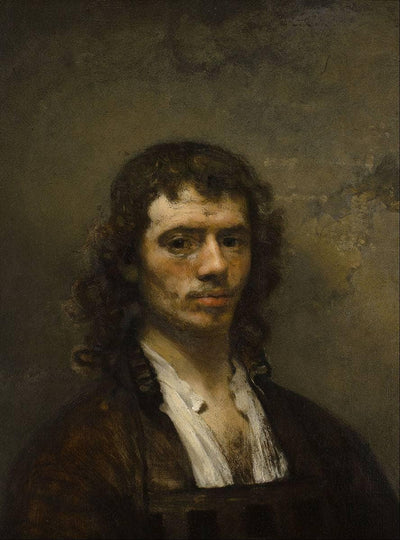
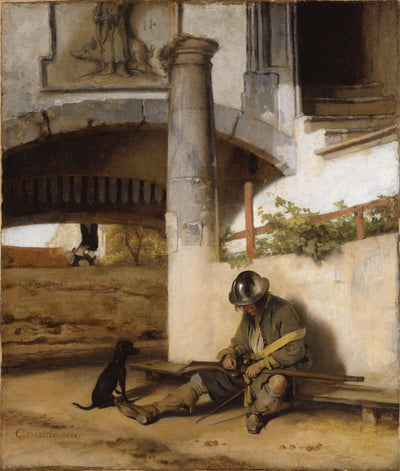
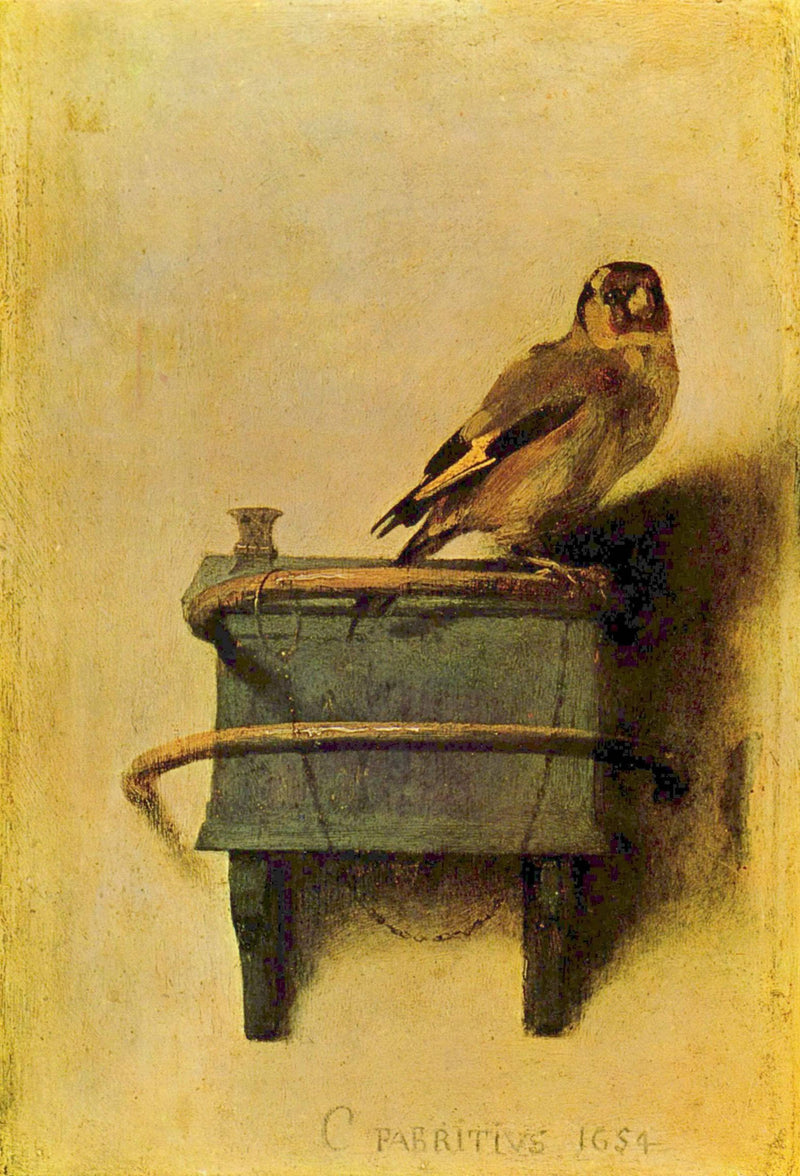
Carel Fabritius in 1654, stands as a stunning example of the Dutch Golden Age. This period, marked by immense wealth and cultural flourishing, saw artists like Fabritius explore new techniques and themes. The rise of the merchant class fueled a demand for art that reflected both beauty and the intricacies of daily life. Fabritius, a pupil of the renowned
Rembrandt, embraced this spirit, creating works that captured the essence of his time.
During the Dutch Golden Age, artists often focused on
still life and genre scenes, showcasing their skill in depicting light and texture. The Goldfinch exemplifies this trend, featuring a delicate
bird that symbolizes both
nature and the human experience. The painting invites viewers to reflect on the relationship between humanity and the natural world, a theme that resonates deeply in Dutch art.
Carel Fabritius: The Life and Legacy of a Talented Artist
Carel Fabritius was born in 1622 in Delft, Netherlands. His career, though tragically cut short by a fire in 1654, left a lasting impact on the art world. Fabritius was known for his innovative use of light and shadow, which he mastered under Rembrandt's guidance. His unique approach to color and composition set him apart from his contemporaries.
The Goldfinch is one of his most celebrated works, showcasing his ability to blend
realism with emotional depth. Fabritius' legacy continues to inspire artists today, as his techniques laid the groundwork for future movements, including
Impressionism. His work remains a testament to the creativity and skill of 17th-century Dutch painters.
Symbolism and Meaning Behind The Goldfinch
The Significance of the Goldfinch Bird in Art and Culture
The goldfinch bird, depicted in Fabritius' painting, carries rich
symbolism. In various cultures, it represents joy, freedom, and the fleeting nature of life. In the context of the painting, the goldfinch is tethered to a perch, suggesting themes of captivity and the longing for freedom. This duality invites viewers to ponder the balance between nature and human intervention.
In art history, the goldfinch has appeared in numerous works, often symbolizing the soul or the divine. Fabritius' choice to focus on this particular bird elevates its significance, making it a central figure in the narrative of the painting. The goldfinch's vibrant colors and delicate features draw the eye, creating a focal point that captivates the viewer.
Interpreting the Themes of Freedom and Captivity
The themes of freedom and captivity resonate throughout The Goldfinch. The bird's vibrant plumage contrasts with its restrained position, evoking a sense of longing. This tension reflects broader human experiences, such as the desire for liberation from societal constraints.
Art historians often interpret this painting as a commentary on the human condition. The goldfinch, while beautiful, is confined, mirroring the struggles many face in their pursuit of happiness. Fabritius masterfully captures this complexity, inviting viewers to reflect on their own lives and the constraints they encounter.
Artistic Techniques and Style in The Goldfinch
Understanding the Use of Light and Shadow in Fabritius' Work
Fabritius' use of light and shadow is a hallmark of his style. In The Goldfinch, he employs chiaroscuro to create depth and dimension. The soft illumination highlights the bird's feathers, making them appear almost lifelike. This technique draws the viewer's attention to the intricate details of the goldfinch, enhancing its beauty.
The play of light also serves to evoke emotion. The gentle glow surrounding the bird suggests warmth and intimacy, inviting viewers to connect with the subject on a personal level. Fabritius' mastery of light transforms a simple still life into a profound exploration of existence.
Brushwork and Color Palette: A Closer Look at the Details
The brushwork in The Goldfinch is both delicate and precise. Fabritius employs fine strokes to render the bird's feathers, creating a sense of realism that captivates the eye. The color palette is rich yet subtle, featuring warm earth tones that complement the goldfinch's vibrant yellows and greens.
This careful selection of colors enhances the painting's overall harmony. The contrast between the bird and its muted background emphasizes its significance, making it the focal point of the composition. Fabritius' attention to detail showcases his skill and dedication to his craft.
The Composition of The Goldfinch: An Analytical Perspective
Framing and Perspective: How Composition Enhances the Narrative
The composition of The Goldfinch is thoughtfully arranged to enhance its narrative. The bird is positioned centrally, drawing the viewer's gaze immediately. The use of negative space around the goldfinch creates a sense of isolation, emphasizing its captivity.
Fabritius employs a slightly elevated perspective, allowing viewers to engage with the bird on a personal level. This choice invites contemplation, as the viewer becomes an observer of the goldfinch's plight. The framing of the subject adds depth to the story, making it more than just a depiction of a bird.
Elements of Design: Balance, Harmony, and Focus in the Painting
The elements of design in The Goldfinch contribute to its overall impact. Balance is achieved through the careful placement of the bird and its perch, creating a sense of stability. Harmony is evident in the color palette, where warm tones blend seamlessly, enhancing the painting's aesthetic appeal.
Focus is directed towards the goldfinch, ensuring it remains the center of attention. This deliberate design choice reinforces the themes of freedom and captivity, making the viewer acutely aware of the bird's situation. Fabritius' skillful composition elevates the painting to a work of art that resonates deeply with its audience.
The Goldfinch in Modern Culture and Art History
Influence on Contemporary Artists and Art Movements
The Goldfinch has left a significant mark on contemporary artists and movements. Its exploration of light, color, and symbolism has inspired countless creators. Artists today often reference Fabritius' techniques, particularly in their use of color and composition.
The painting's themes of freedom and captivity continue to resonate, influencing modern interpretations of nature and humanity. Many contemporary works draw parallels to The Goldfinch, showcasing the enduring relevance of Fabritius' vision.
The Role of The Goldfinch in Popular Literature and Media
The Goldfinch has transcended the art world, finding its place in popular literature and media. The novel "The Goldfinch" by Donna Tartt, which won the Pulitzer Prize, draws inspiration from Fabritius' painting. The story weaves themes of loss, beauty, and the search for meaning, echoing the sentiments captured in the artwork.
This connection to literature highlights the painting's cultural significance, as it continues to inspire discussions about art, life, and the human experience. The Goldfinch remains a symbol of artistic excellence, bridging the gap between visual art and storytelling.
Visiting The Goldfinch: Where to See the Original Artwork
Locations and Museums Housing The Goldfinch
The original Goldfinch painting is housed in the Mauritshuis museum in The Hague, Netherlands. This prestigious institution is renowned for its collection of Dutch Golden Age masterpieces. Visitors can view The Goldfinch alongside works by other great artists, such as Vermeer and Rembrandt.
The museum offers a unique opportunity to experience the painting in person, allowing viewers to appreciate its details and craftsmanship up close. The serene setting of the Mauritshuis enhances the experience, making it a must-visit for art lovers.
Virtual Tours and Online Exhibitions Featuring Fabritius' Work
For those unable to visit in person, virtual tours and online exhibitions provide access to The Goldfinch. Many museums offer digital experiences that allow viewers to explore the painting and learn about its history. These online resources often include detailed analyses and high-resolution images, making it easy to appreciate Fabritius' artistry from anywhere in the world.
Engaging with The Goldfinch through virtual platforms ensures that its beauty and significance reach a wider audience, fostering a deeper appreciation for this remarkable work of art.
FAQs About The Goldfinch Painting
What is the story behind The Goldfinch painting?
The Goldfinch painting tells a story of beauty and captivity. The goldfinch, a symbol of joy, is depicted tethered to a perch, inviting viewers to reflect on themes of freedom and constraint. This duality resonates with the human experience, making the painting a profound exploration of life.
Why is The Goldfinch considered a significant work of art?
The Goldfinch is significant due to its masterful execution and rich symbolism. Fabritius' innovative use of light, color, and composition sets it apart from other works of the time. The painting's themes continue to resonate, making it relevant in both art history and contemporary culture.
What techniques did Carel Fabritius use in The Goldfinch?
Fabritius employed techniques such as chiaroscuro to create depth and dimension in The Goldfinch. His delicate brushwork and carefully chosen color palette enhance the painting's realism and emotional impact. These techniques showcase his skill and artistry, making the work a masterpiece of the Dutch Golden Age.
How does The Goldfinch reflect the values of the Dutch Golden Age?
The Goldfinch reflects the values of the Dutch Golden Age through its focus on realism, beauty, and the exploration of everyday life. The painting captures the essence of nature while inviting contemplation on deeper themes. This alignment with the cultural values of the time solidifies its place in art history.
What are the main themes depicted in The Goldfinch?
The main themes in The Goldfinch include freedom, captivity, and the relationship between humanity and nature. The goldfinch symbolizes joy and beauty, while its tethered position evokes a sense of longing. These themes invite viewers to reflect on their own experiences and the constraints they face.
FAQs About The Goldfinch Painting Reproduction
How can I ensure the quality of a reproduction of The Goldfinch?
To ensure the quality of a reproduction of The Goldfinch, look for artists who specialize in oil painting reproductions. These reproductions capture the texture and depth of the original artwork, providing a superior alternative to prints. Check for reviews and testimonials to gauge the reputation of the seller.
What should I look for in a reputable seller of art reproductions?
When seeking a reputable seller of art reproductions, prioritize those who offer detailed descriptions and high-resolution images of their work. Look for sellers who provide a satisfaction guarantee and have a history of positive customer feedback. A commitment to quality craftsmanship is essential for a beautiful reproduction of The Goldfinch.