 4.7/5
4.7/5


Famous Dog Oil Painting Reproductions
Famous dog paintings are usually likenesses of people with a dog in them, and this page holds 444 hand-painted reproductions in which a dog earns its place on the canvas. You can order The Arnolfini Portrait by Jan van Eyck, William Poyntz of Midgham and his Dog Amber by Thomas Gainsborough, Still Life with Three Puppies by Paul Gauguin, Portrait of Federico II Gonzaga by Titian, A Sketch of My Hound Kuttie by William Merritt Chase, Portrait of Alexandra of Denmark by Luke Fildes, Study of the Homere dog and its leader by William-Adolphe Bouguereau, Sarah Bernhardt Hunting with Hounds by Louise Abbema and A Monkey, a Dog and Various Birds in a Landscape by Tobias Stranover. Every one is hand-painted in oil on canvas by a studio artist, and never printed.
-
Two Shepherd Boys with Dogs Fighting


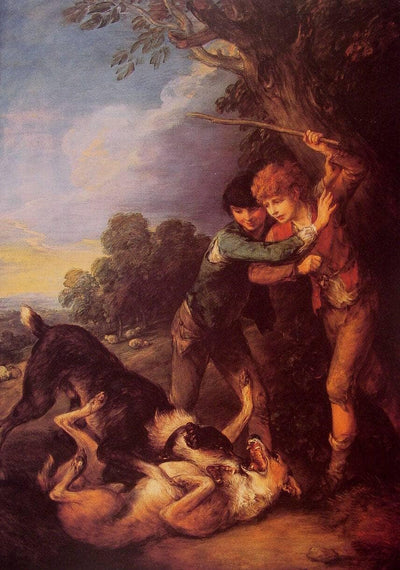 Vendor:Thomas Gainsborough
Two Shepherd Boys with Dogs Fighting
- Regular price
- From $350.00
- Sale price
- From $350.00
- Regular price
-
-
The Painter Jules Le Coeur Walking His Dogs in the Forest of Fontainebleau


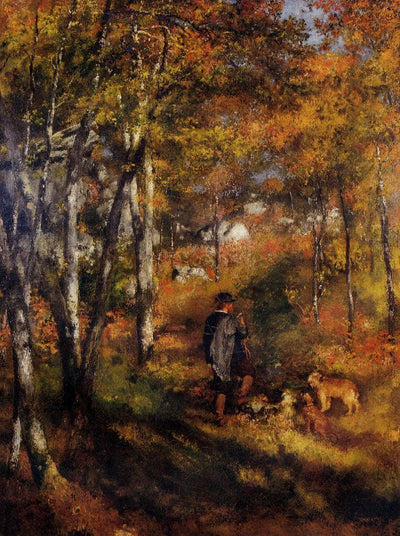 Vendor:Pierre-Auguste Renoir
The Painter Jules Le Coeur Walking His Dogs in the Forest of Fontainebleau
- Regular price
- From $350.00
- Sale price
- From $350.00
- Regular price
-
-
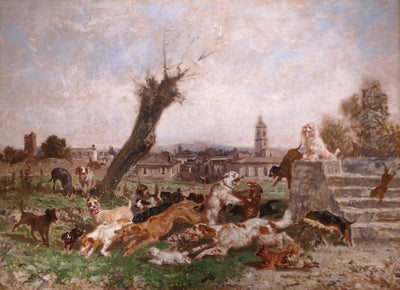
Dogs running through a field


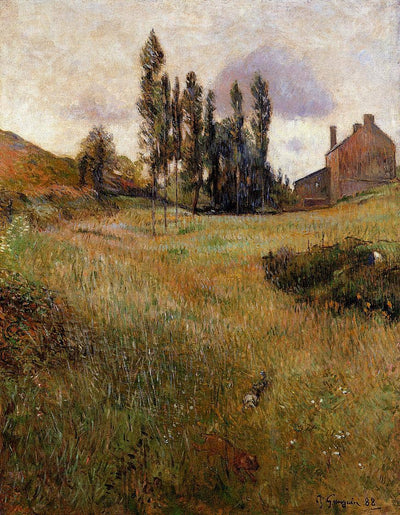 Vendor:Paul Gauguin
Dogs running through a field
- Regular price
- From $350.00
- Sale price
- From $350.00
- Regular price
-
-
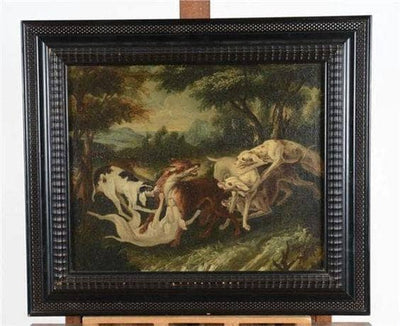
Hunting dogs fighting for a doe


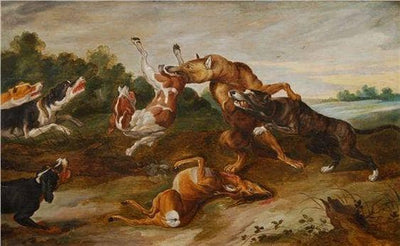 Vendor:Paul de Vos
Hunting dogs fighting for a doe
- Regular price
- From $350.00
- Sale price
- From $350.00
- Regular price
-
-
Fox attacked by dogs


 Vendor:Paul de Vos
Fox attacked by dogs
- Regular price
- From $350.00
- Sale price
- From $350.00
- Regular price
-
-
Bull subdued by dogs


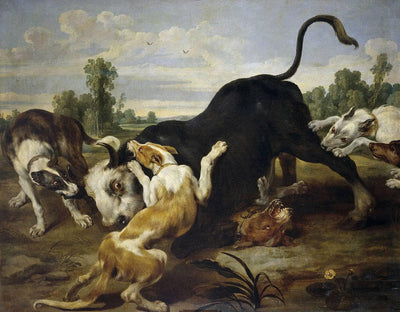 Vendor:Paul de Vos
Bull subdued by dogs
- Regular price
- From $350.00
- Sale price
- From $350.00
- Regular price
-
-
Dogs with dead game at the foot of a tree in a landscape


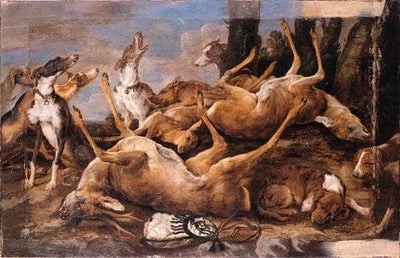 Vendor:Paul de Vos
Dogs with dead game at the foot of a tree in a landscape
- Regular price
- From $350.00
- Sale price
- From $350.00
- Regular price
-
-
Fox and pair of dogs fighting over the prey


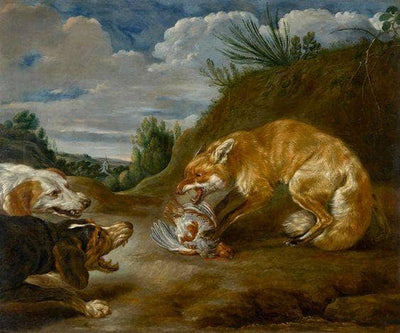 Vendor:Paul de Vos
Fox and pair of dogs fighting over the prey
- Regular price
- From $350.00
- Sale price
- From $350.00
- Regular price
-
-
A Deer Chased by Dogs

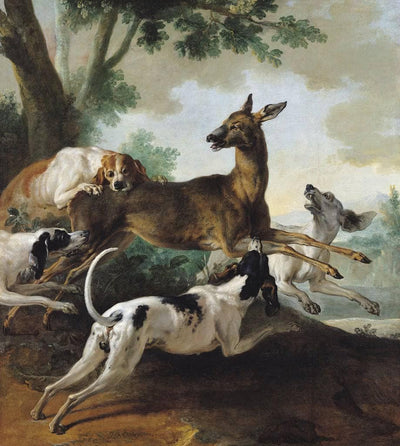 Vendor:Jean-Baptiste Oudry
A Deer Chased by Dogs
- Regular price
- From $350.00
- Sale price
- From $350.00
- Regular price
-
-
Hyena Attacked by Two Dogs


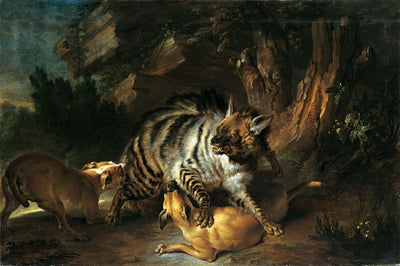 Vendor:Jean-Baptiste Oudry
Hyena Attacked by Two Dogs
- Regular price
- From $350.00
- Sale price
- From $350.00
- Regular price
-
-
Sir John Nelthorpe, 6th Baronet out Shooting with his Dogs in Barton Field, Lincolnshire

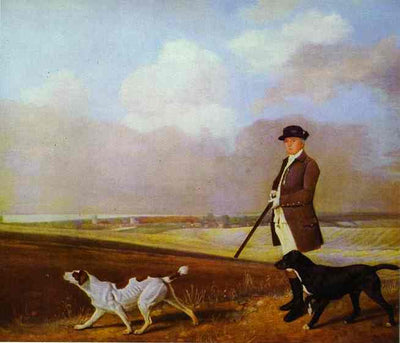 Vendor:George Stubbs
Sir John Nelthorpe, 6th Baronet out Shooting with his Dogs in Barton Field, Lincolnshire
- Regular price
- From $350.00
- Sale price
- From $350.00
- Regular price
-
-
Siberian Dogs in the Snow

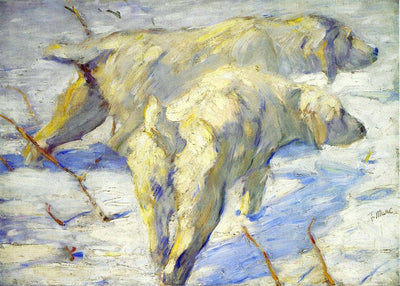 Vendor:Franz Marc
Siberian Dogs in the Snow
- Regular price
- From $350.00
- Sale price
- From $350.00
- Regular price
-
-
Dogs of the strolling player

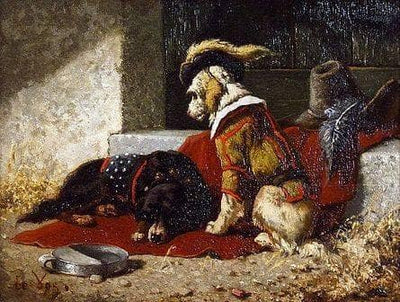 Vendor:Cornelis de Vos
Dogs of the strolling player
- Regular price
- From $350.00
- Sale price
- From $350.00
- Regular price
-
-
Running dogs

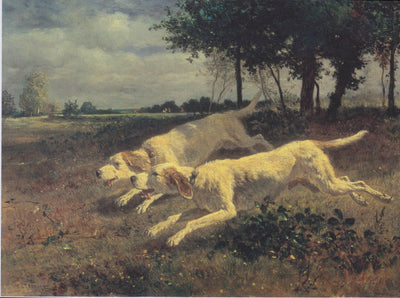 Vendor:Constant Troyon
Running dogs
- Regular price
- From $350.00
- Sale price
- From $350.00
- Regular price
-
-
Three hunting dogs in a landscape with mountains in the distance

 Vendor:Carlo Ademollo
Three hunting dogs in a landscape with mountains in the distance
- Regular price
- From $350.00
- Sale price
- From $350.00
- Regular price
-
-
Three Men with Two Dogs

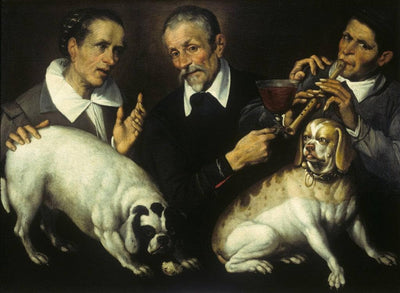 Vendor:Bartolomeo Passerotti
Three Men with Two Dogs
- Regular price
- From $350.00
- Sale price
- From $350.00
- Regular price
-
-
Boy pursued by dogs

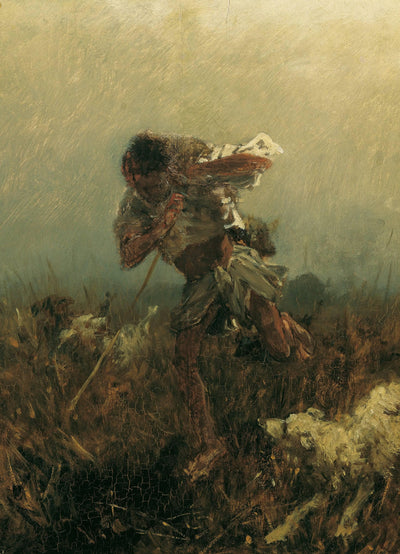 Vendor:August von Pettenkofen
Boy pursued by dogs
- Regular price
- From $350.00
- Sale price
- From $350.00
- Regular price
-
-
Hunting dogs

 Vendor:Alexandre-Gabriel Decamps
Hunting dogs
- Regular price
- From $350.00
- Sale price
- From $350.00
- Regular price
-
-
Best Friends'', Portrait of Countess Franziska Auersperg (1831–1847) with her dogs

 Vendor:Alexander Clarot
Best Friends'', Portrait of Countess Franziska Auersperg (1831–1847) with her dogs
- Regular price
- From $350.00
- Sale price
- From $350.00
- Regular price
-
-
Feeding the dogs


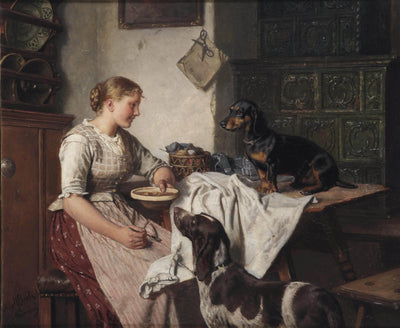 Vendor:Adolf Eberle
Feeding the dogs
- Regular price
- From $350.00
- Sale price
- From $350.00
- Regular price
-
-
The Arnolfini Portrait

 Vendor:Jan van Eyck
The Arnolfini Portrait
- Regular price
- From $350.00
- Sale price
- From $350.00
- Regular price
-
-
Sunday Afternoon on the Island of La Grande Jatte

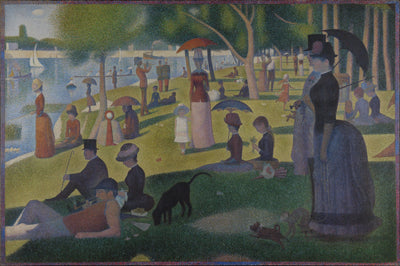 Vendor:Georges Seurat
Sunday Afternoon on the Island of La Grande Jatte
- Regular price
- From $350.00
- Sale price
- From $350.00
- Regular price
-
-
Peaceable Kingdom

 Vendor:Edward Hicks
Peaceable Kingdom
- Regular price
- From $350.00
- Sale price
- From $350.00
- Regular price
-
-
Hunters in the Snow

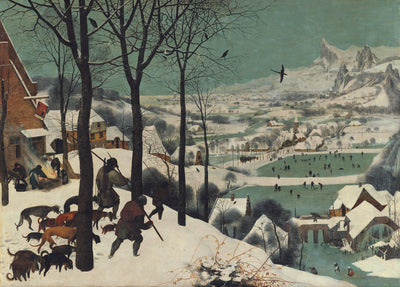 Vendor:Pieter Bruegel the Elder
Hunters in the Snow
- Regular price
- From $350.00
- Sale price
- From $350.00
- Regular price
-
-
The Battle of Dogali (on January 26th, 1887)

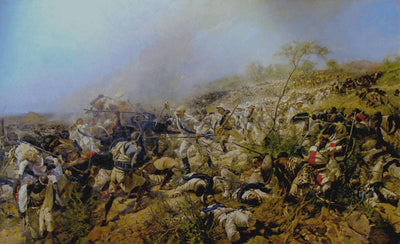 Vendor:Michele Cammarano
The Battle of Dogali (on January 26th, 1887)
- Regular price
- From $350.00
- Sale price
- From $350.00
- Regular price
-
-
Study of the Homѐre dog and its leader

 Vendor:William-Adolphe Bouguereau
Study of the Homѐre dog and its leader
- Regular price
- From $350.00
- Sale price
- From $350.00
- Regular price
-
-
The Buffet

 Vendor:Jean-Baptiste-Simeon Chardin
The Buffet
- Regular price
- From $350.00
- Sale price
- From $350.00
- Regular price
-
-
Agnus Dei

 Vendor:Francisco de Zurbaran
Agnus Dei
- Regular price
- From $360.00
- Sale price
- From $360.00
- Regular price
-
-
Der alte Herr vom Berg

 Vendor:Richard Friese
Der alte Herr vom Berg
- Regular price
- From $350.00
- Sale price
- From $350.00
- Regular price
-
-
The Love Letter

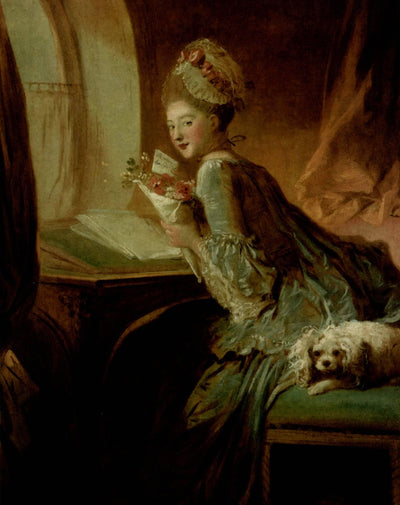 Vendor:Jean-Honore Fragonard
The Love Letter
- Regular price
- From $350.00
- Sale price
- From $350.00
- Regular price
-
-
Retrieving a Mallard

 Vendor:Arthur Fitzwilliam Tait
Retrieving a Mallard
- Regular price
- From $350.00
- Sale price
- From $350.00
- Regular price
-
-
Nymphs Hunting

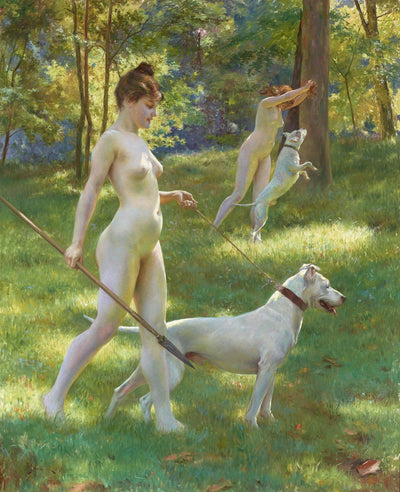 Vendor:Julius LeBlanc Stewart
Nymphs Hunting
- Regular price
- From $350.00
- Sale price
- From $350.00
- Regular price
-
-
Dog

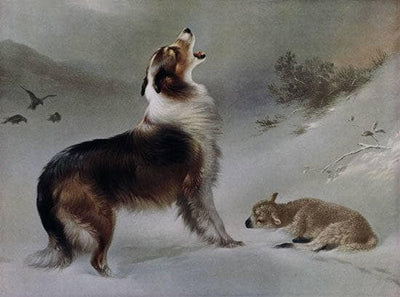 Vendor:August Friedrich Schenck
Dog
- Regular price
- From $350.00
- Sale price
- From $350.00
- Regular price
-
-
Dignity and Impudence

 Vendor:Edwin Henry Landseer
Dignity and Impudence
- Regular price
- From $350.00
- Sale price
- From $350.00
- Regular price
-
-
Ramon Casas and Pere Romeu in An Automobile

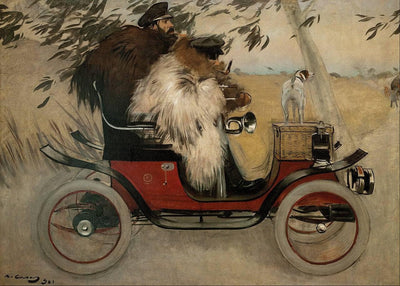 Vendor:Ramon Casas
Ramon Casas and Pere Romeu in An Automobile
- Regular price
- From $350.00
- Sale price
- From $350.00
- Regular price
-
-
The Old Shepherd's Chief Mourner

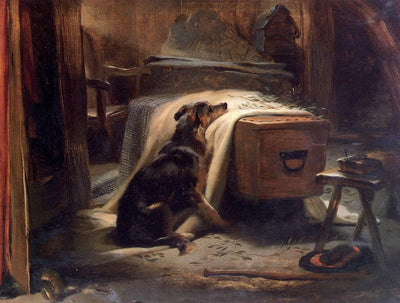 Vendor:Edwin Henry Landseer
The Old Shepherd's Chief Mourner
- Regular price
- From $350.00
- Sale price
- From $350.00
- Regular price
-
-
Two Venetian Ladies

 Vendor:Vittore Carpaccio
Two Venetian Ladies
- Regular price
- From $350.00
- Sale price
- From $350.00
- Regular price
-










Frequently Asked Questions
How much do Dog oil painting reproductions cost?
Our Dog oil painting reproductions start at $350.00. Prices vary by size: larger canvases and custom dimensions cost more. Every painting includes free worldwide shipping, and you approve photos of it before it ships.
What Dog paintings are available?
We carry 432+ Dog oil painting reproductions. Highlights include Youth with Dogs, Two Shepherd Boys with Dogs Fighting, Two dogs, The Painter Jules Le Coeur Walking His Dogs in the Forest of Fontainebleau, Dogs running through a field. Every piece is hand-painted by professional artists on premium canvas.
Are these Dog prints or hand-painted reproductions?
Every Dog reproduction is 100% hand-painted by professional artists using premium oil paints on gallery-grade canvas. These are not prints, giclées, or digital reproductions. Each piece captures the original brushwork, texture, and color depth of the masterpiece.
What sizes are available for Dog painting reproductions?
Each Dog painting is available in multiple standard sizes, from small (16" × 20") to large museum-scale formats. Custom dimensions are available upon request. Contact us with your preferred size for a quote.
How long does it take to receive my painting?
Each painting is made to order. Production takes 2–3 weeks, plus 5–10 business days for worldwide shipping. Total delivery time is typically 3–5 weeks depending on your location. Shipping is free worldwide.
What is your return policy?
You approve photos of your finished painting before it ships, and revisions are free until you're happy. After delivery, our refund policy applies.
How dogs got into European painting
An animal painter specializes in the portrayal of animals, but most of the dogs in art history were not painted by specialists. They were made by portraitists, since the dog was part of the sitter's identity. A hound meant land and hunting. A lap animal meant leisure and money. A working breed meant a trade. Put one at a sitter's feet and the picture shows something the face alone cannot.
That is why this collection holds mostly people with dogs in the frame rather than pictures of dogs alone. The Arnolfini Portrait is the founding example, an oil painting on an oak panel by the Early Netherlandish painter Jan van Eyck, dated 1434 and now in the National Gallery, London, it is a full-length double portrait believed to depict the Italian merchant Giovanni di Nicolao Arnolfini and his wife, presumably in their residence in the Flemish city of Bruges. The small animal at the front of that room has been read as loyalty, as wealth, and as nothing more than a household creature, and the argument has been running for six hundred years.
Famous dog paintings
These are the pictures people ask for by name, and each can be ordered as a hand-painted reproduction. Portraits with animals in them make up most of what you will see below.
- The Arnolfini Portrait, 1434, in the National Gallery, London. A full-length double likeness, and the most discussed dog in Western art.
- William Poyntz of Midgham and his Dog Amber by Thomas Gainsborough, an English picture in which the animal is named in the title, which tells you how the sitter felt about him.
- Portrait of Federico II Gonzaga by Titian, a Renaissance state picture with a hound against the sitter's leg.
- Still Life with Three Puppies by Paul Gauguin. Gauguin was one of the four principal artists of Post-Impressionism, the movement that developed roughly between 1886 and 1905 as a reaction against the Impressionists' concern for the naturalistic depiction of light and color.
- A Sketch of My Hound Kuttie by William Merritt Chase, a painter's own dog, put down quickly and never finished.
- Portrait of Alexandra of Denmark by Luke Fildes, a royal picture in which, according to the title the museum uses, the animal is thought to be a Japanese Chin called Punch.
- Sir Humphry Morice by Pompeo Batoni and Miss Mary Edwards by William Hogarth, two Georgian sitters with hounds at their side.
- Study of the Homere dog and its leader by William-Adolphe Bouguereau, a study rather than a finished canvas.
- Sarah Bernhardt Hunting with Hounds by Louise Abbema and Nymphs Hunting by Julius LeBlanc Stewart, the hunting pack rather than the lone companion.
- A Monkey, a Dog and Various Birds in a Landscape by Tobias Stranover, a menagerie picture where the hound shares the frame.
- Der alte Herr vom Berg by Richard Friese and The Gleaners, Shirley, Hants by William Shayer.
- The Tailor by Pietro Longhi, The Love Letter by Jean-Honore Fragonard and The Buffet by Jean-Baptiste-Simeon Chardin, three interiors where an animal is part of the furniture of a life.
Animal artists in the store, by name
If you would rather browse by artist, these are the groups worth opening. The counts come from the store catalog.
- the Stubbs group, 52 pieces. George Stubbs is the name searched most often for animal subjects in English painting.
- Edwin Henry Landseer, 43 pieces. Edwin Landseer is the specialist everybody names, and this is the group to open if you want the creature as the whole subject rather than a detail.
- Snyders in the kitchen and the hunt, 38 pieces, and Oudry and his game pieces, 49 pieces.
- Gainsborough and his English sitters, 156 pieces, companions included.
Landseer, Stubbs and the nineteenth century specialist
The 19th century is when this becomes a subject in its own right. An animal painter specializes in the portrayal of animals, and that job only makes commercial sense once there are buyers for a picture of an animal and nothing else. In Britain that moment arrives with Edwin Landseer, and it is no accident that a well known breed still carries his name.
George Stubbs came a generation earlier and worked the other way round, from the skeleton outwards. His method changed what everyone knew about the bodies they were painting, and the effect shows up here as well as in horses: after Stubbs, a hound in a picture has a ribcage under the coat. Before him, many of them do not.
What those two made popular in England, Frans Snyders and Jean-Baptiste Oudry had already made popular on the continent, in a different register. Their animals are workers in kitchens and hunting parties, surrounded by game, and they belong to the still life tradition as much as to animal painting. If you like a picture with a lot going on in it, that is the family to find and open first.
Dogs in the house: interiors and family pictures
Some of the best dog paintings are not about dogs at all, and they are the ones that hold up longest on a wall. An interior with an animal asleep in the corner tells you what the house was like, what that household did in it, and where the warmth was. Chardin's The Buffet and Longhi's The Tailor both work that way, and so does Fragonard's The Love Letter.
This is also where the old symbolic reading and the modern affectionate one stop being different things. One of them in a Georgian interior is a sign of a settled household and it is also somebody's pet, and the painter did not have to choose. When you hang a picture like that at home you inherit both meanings, which is a lot of value from a small canvas.
One modern note. Since pets appear so often in these interiors, the pictures read as domestic in a way the grand portraits do not, and they show well in a kitchen, a hallway or a landing rather than a formal room. That makes them useful, and most homes have more of those walls than of the formal kind.
Style, size and what changes between periods
The style of the picture matters more than the breed for how it will look on your wall. A Renaissance or Baroque animal sits in a dark interior with a single strong light, and it needs a warm lamp on a wall that is not white; that is all it needs. An English picture from the Georgian years is pale, outdoors and full of sky, and it wants daylight. A specialist picture from the 19th century is somewhere in between and usually the safest choice if you are unsure.
Size follows the same logic. A dark old picture can go small, since the light in it is concentrated. A pale outdoor picture needs to be larger, as the whole effect depends on air and distance. If you find yourself choosing between two sizes for an outdoor scene, take the larger one; for a dark interior, take the smaller and hang it where the lamp is.
The dog as a symbol, and as a friend
Before the 1800s an animal in a painting almost always meant something. Loyalty is the obvious reading, and it is why these animals appear at the feet of married couples and at the base of tombs throughout medieval and Renaissance art. A pack meant status. A lap animal in a woman's picture could mean fidelity or its opposite, depending on who was looking.
Then the meaning thinned out and the affection took over. By the time Chase paints his own hound Kuttie, the dog is not a symbol of anything; it is a friend, put on canvas for the simple pleasure of looking. Gainsborough naming Amber in the title is the same shift happening a century earlier. That is the real story of dogs in art: they arrive as signs and remain as pets, and the best pictures in this collection sit right on the line between the two.
Hounds, lap dogs and what the titles tell you
You can often identify the breed in these paintings even when the title says nothing, and sometimes the title does the work for you. The Fildes portrait records that the dog is thought to be a Japanese Chin called Punch. Gainsborough gives us Amber. Chase gives us Kuttie. Where a name survives, a specific animal survives with it.
Canine anatomy is easier than equine anatomy but it has its own trap, and the trap is the head. Canine skulls simply do not agree with each other. A dog's skull varies more from one type to the next than any other domestic animal, so a copyist who paints a generic head produces something that looks like nothing at all. When the studio sends you the approval photo, look at the muzzle and the set of the ears first. Those two carry the type, and the type is most of the character.
What the well known pictures have in common
There are two ways to use a page like this. One is to come with a title in mind, find it, and order it. The other is to browse until something stops you, which is how most of them were bought in the first place.
If you are browsing, a few things are worth knowing. Small breeds photograph badly and paint beautifully, so the small companions in these pictures often look better in paint than they do in the catalog thumbnail; open the image at full size before you decide. Old pictures with dark grounds tend to be undersold by the same thumbnail problem, since a screen flattens them. And a picture where the animal looks back at the viewer will hold a room in a way that one where the dog looks away never does.
The most popular pictures on this page are the ones where the animal has a name in the title, which tells you something true about buyers: buyers want a specific creature, not a generic one. Amber, Kuttie and Punch all have that going for them. Use it as a filter if nothing else is guiding you.
Choosing one of these for a room
This is among the easiest subjects to live with, which is why it sells. They are warm without being sentimental, they work at small sizes, and they suit rooms where people sit rather than pass. A single animal at a modest size above a desk or beside a fireplace is close to perfect.
Two practical notes. First, a hunting scene with a pack is a crowd picture and needs width and distance, while one creature alone is a close study and rewards being hung low. Second, an interior with a dog in the corner, like The Tailor or The Buffet, reads as a genre scene rather than an animal picture, so buy it for the room it shows as much as for the creature in it.
How each reproduction is made
One studio hand works from the museum reference, building the coat as the original was built, in layers, with the highlights last. Nothing is printed and nothing is transferred at any stage. Seven sizes are available with an optional frame, and you approve a photo of the finished work before it ships. Free worldwide shipping and 90-day returns apply. Fur is the one passage worth checking closely in that photo, because it is the difference between an animal and a shape.
One more note for anyone comparing options. In a great many of these compositions the animal occupies the exact spot where a second figure would otherwise stand, at the sitter's knee or in the front corner of the room. Once you have noticed that arrangement you will see it everywhere, and it is a good reason to let your eye go to the corner of a family picture rather than straight to the faces. Artists worked out that placement early and generations of them kept it.
Browse related collections
Dogs sit inside the wider animal group and inside portraiture at the same time.
- Animal art reproductions for every other creature.
- Cats on canvas for the other household favorite.
- The equine subject for the prestige animal of European art.
- Sitters and their faces for the people these dogs belong to.
- Bird paintings for game, hawks and songbirds.
Frequently asked questions
Why are there so few pictures of them alone? Because for most of art history the dog was part of somebody else's picture rather than the subject of its own. Specialist animal painters, who portray animals as the main subject, become common only in the 19th century, which is why the Landseer group in this catalog looks so different from the Renaissance pictures.
Which is the most famous dog in a painting? The one in The Arnolfini Portrait of 1434, a full-length double work by Jan van Eyck now in the National Gallery, London, believed to show the merchant Giovanni di Nicolao Arnolfini and his wife in their residence in Bruges.
Are these prints? No. Each is an original in oil on canvas, made by hand, in seven sizes, with an optional frame and a photo of the finished work for your approval before it ships.
Guides and stories
We’ll Paint Any Image You Want
Just send us a photo or the painting name and our artists will hand-paint it for you.
