Exploring the Historical Context of Scène De La Chouannerie
The Chouannerie: A Revolutionary Movement in France
Understanding the Origins and Impact of the Chouans
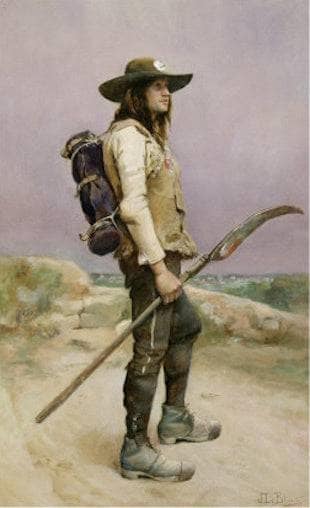
The Chouannerie was a significant counter-revolutionary movement that emerged in the late 18th century in France. It primarily took place in the rural regions of Brittany and Normandy. The Chouans, named after the owl (chouette), fought against the revolutionary government, seeking to restore the monarchy and traditional values. This uprising was marked by guerrilla warfare, where local peasants used their knowledge of the land to their advantage.
The movement's impact was profound, as it highlighted the tensions between urban revolutionary ideals and rural conservatism. The Chouannerie also reflected the broader struggle between the old regime and the new revolutionary order. Lesser-known facts include the involvement of women in the Chouan ranks, who played crucial roles in supporting the fighters and maintaining morale.
Key Figures and Events Depicted in the Painting
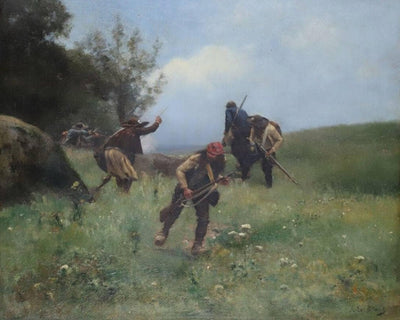
In "Scène De La Chouannerie,"
Julien Le Blant captures pivotal moments and key figures from this tumultuous period. Notable characters include the legendary Chouan leader, Georges Cadoudal, who became a symbol of resistance. The painting also portrays the fierce loyalty among the Chouans, showcasing their determination to fight for their beliefs.
The artwork encapsulates the essence of the Chouannerie, depicting a dramatic confrontation that reflects the chaos and valor of the time. The historical accuracy of the figures and events adds depth to the narrative, making it a vital piece for understanding this revolutionary chapter in French history.
Julien Le Blant: The Master Behind Scène De La Chouannerie
A Glimpse into the Life of Julien Le Blant
Julien Le Blant was a prominent French painter known for his historical and genre scenes. Born in 1828, he developed a passion for art early in life. His dedication to capturing historical events led him to study the intricacies of the past, which he skillfully translated onto canvas.
Le Blant's works often reflect a deep understanding of the human condition, making his paintings resonate with viewers. His commitment to historical accuracy and emotional depth set him apart from his contemporaries.
Artistic Influences and Style Evolution
Le Blant was influenced by the
Romantic movement, which emphasized emotion and individualism. His style evolved to incorporate
dramatic lighting and vivid colors, enhancing the storytelling aspect of his paintings. He drew inspiration from earlier masters, blending their techniques with his unique vision.
This fusion of styles allowed Le Blant to create compelling narratives that engage the viewer, making his works timeless.
Le Blant's Contribution to Historical Painting
Julien Le Blant made significant contributions to the genre of historical painting. His ability to depict complex narratives with clarity and emotion set a new standard for artists of his time. "Scène De La Chouannerie" exemplifies his talent for bringing history to life, making it accessible and relatable to modern audiences.
His works often serve as educational tools, providing insights into the past while evoking a sense of nostalgia and reflection.
Visual Analysis of Scène De La Chouannerie
Composition and Color Palette: A Detailed Breakdown
The composition of "Scène De La Chouannerie" is dynamic and engaging. Le Blant skillfully arranges the figures to draw the viewer's eye across the canvas. The use of diagonal lines creates a sense of movement, reflecting the chaos of
battle.
The color palette is rich and varied, with earthy tones dominating the landscape. These colors evoke the natural beauty of Brittany while also symbolizing the struggle of the Chouans. The contrast between light and dark areas enhances the drama of the scene.
Symbolism in Color Choices and Character Placement
Le Blant's choice of colors carries deep
symbolism. The earthy browns and greens represent the connection of the Chouans to their land, while the vibrant reds may symbolize the bloodshed and sacrifice involved in their fight.
Character placement is also significant. The central figures are positioned to convey tension and urgency, while the background elements provide context, grounding the scene in its historical setting.
Dynamic Movement and Emotion Captured in the Scene
The painting captures a moment of intense action, with figures in various poses that suggest movement and urgency. Le Blant's attention to detail in facial expressions conveys a range of emotions, from determination to fear.
This dynamic portrayal invites viewers to immerse themselves in the scene, experiencing the emotional weight of the Chouannerie's struggle.
Thematic Elements in Scène De La Chouannerie
Conflict and Resolution: The Heart of the Painting
At its core, "Scène De La Chouannerie" explores themes of conflict and resolution. The painting depicts the clash between revolutionary forces and the Chouans, symbolizing the broader struggle for identity and autonomy.
This conflict is not just physical; it represents the ideological battle between tradition and change, making it a timeless narrative.
Exploring Themes of Loyalty and Betrayal
Loyalty is a central theme in the painting, as the Chouans stand united against their adversaries. Their camaraderie highlights the importance of shared beliefs and values. Conversely, the potential for betrayal looms in the background, reflecting the complexities of human relationships during times of upheaval.
These themes resonate with viewers, prompting reflection on their own experiences of loyalty and trust.
The Role of Nature in Reflecting Human Emotion
Nature plays a significant role in "Scène De La Chouannerie." The rugged landscape mirrors the tumultuous emotions of the characters. The stormy
sky may symbolize the chaos of war, while the lush greenery represents hope and resilience.
Le Blant's use of nature as a backdrop enhances the emotional depth of the painting, creating a powerful connection between the environment and the human experience.
Artistic Techniques Employed by Le Blant
Brushwork and Texture: Creating Depth and Realism
Julien Le Blant's brushwork is meticulous, adding texture and depth to the painting. His technique allows for a realistic portrayal of clothing, skin, and the natural environment. The varied brushstrokes create a sense of movement, making the scene come alive.
This attention to detail enhances the viewer's experience, inviting them to explore the intricacies of the artwork.
Use of Light and Shadow to Enhance Drama
Le Blant expertly employs light and shadow to create drama in "Scène De La Chouannerie." The interplay of light highlights key figures, drawing attention to their expressions and actions. Shadows add depth, creating a three-dimensional effect that immerses the viewer in the scene.
This technique not only enhances the visual appeal but also emphasizes the emotional stakes of the moment.
Innovative Techniques in Historical Representation
Le Blant's innovative approach to historical representation sets him apart from his peers. He combines
realism with dramatic storytelling, making history accessible and engaging. His ability to capture the essence of the Chouannerie through vivid imagery and emotional depth is a testament to his skill as an artist.
This unique perspective allows viewers to connect with the past in a meaningful way.
Comparative Analysis: Scène De La Chouannerie and Other Historical Paintings
Similarities and Differences with Contemporary Works
"Scène De La Chouannerie" shares similarities with other historical paintings of its time, particularly in its focus on dramatic narratives and emotional depth. However, Le Blant's unique style and attention to detail set it apart.
While many artists of the era focused on grand historical events, Le Blant's intimate portrayal of the Chouans offers a fresh perspective on the human experience during conflict.
Influence of Romanticism on Le Blant's Style
The influence of Romanticism is evident in Le Blant's work. This movement emphasized emotion, individualism, and the sublime aspects of nature. Le Blant's ability to convey deep feelings through his characters and landscapes aligns with Romantic ideals.
His paintings evoke a sense of nostalgia and reflection, inviting viewers to engage with the emotional core of the narrative.
How Scène De La Chouannerie Stands Out in Art History
"Scène De La Chouannerie" stands out in art history for its unique blend of historical accuracy and emotional storytelling. Le Blant's commitment to depicting the Chouannerie with authenticity and depth makes this painting a significant contribution to the genre.
Its relevance continues today, as it prompts discussions about loyalty, conflict, and the human experience in times of upheaval.
FAQs About Scène De La Chouannerie
What is the historical significance of Scène De La Chouannerie?
"Scène De La Chouannerie" captures a pivotal moment in the Chouannerie, highlighting the struggle between revolutionary forces and traditional values in France.
Who are the main figures depicted in the painting?
The painting features key figures such as Georges Cadoudal, a prominent Chouan leader, and various Chouan fighters, showcasing their bravery and determination.
What emotions does the painting evoke in viewers?
The painting evokes a range of emotions, including tension, loyalty, and the weight of sacrifice, inviting viewers to connect with the characters' struggles.
How does Le Blant's style reflect the era of the Chouannerie?
Le Blant's style reflects the Romantic movement, emphasizing emotion and individualism, which resonates with the themes of conflict and loyalty in the Chouannerie.
What techniques did Julien Le Blant use to create this artwork?
Le Blant employed meticulous brushwork, dramatic lighting, and a rich color palette to create depth and realism in "Scène De La Chouannerie."
How can I appreciate the details in Scène De La Chouannerie?
To appreciate the details, take time to observe the expressions, the interplay of light and shadow, and the intricate textures that bring the scene to life.
What should I know about the reproduction of this painting?
Art reproductions of "Scène De La Chouannerie" offer a superior alternative to prints, capturing the richness and detail of the original painting, making them ideal for art enthusiasts.
Are there any notable exhibitions featuring Scène De La Chouannerie?
While specific exhibitions may vary, "Scène De La Chouannerie" has been featured in various art galleries and historical exhibitions, showcasing its significance in French art history.
 4.9/5
4.9/5