4.9/5
4.9/5



SAMPLES OF QUALITY
Recent Hand-Painted Reproductions
Discover some of our latest oil paintings, each one carefully hand-painted on canvas.


AS SEEN IN






by Gerard David
Handmade Oil Painting on Canvas Art Reproduction, Museum-quality

The six dominant colors measured from the painting, with the share of canvas each one covers. Click a swatch to copy its hex code.
Processing & Shipping Time
Your delivery time includes two parts:
Shipping Methods
We ship with trusted couriers like FedEx, UPS, and DHL. Every shipment includes a tracking code.
Our goal is to deliver your order safely and quickly.
Shipment Safety Measures
We handle your products with care so they arrive in perfect condition:
Every product is insured and delivered right to your door, so you can feel confident buying from us.
Every Art & See painting is created by artists with 15+ years of experience using professional-grade oil paints and premium linen canvas with UV-resistant protective coating, the same museum-grade materials used in galleries worldwide. Each piece goes through quality review before your approval photos are taken. If after delivery you have any concerns about your painting, contact us at [email protected] and our team will work with you on the best path forward.
Full Warranty
Every painting is protected against physical damage during shipping. If your painting arrives damaged, we repair or replace it, free of charge.
Coverage Details
Transit damage (crushed, torn, water damage): we repair or replace at no cost. Please note that damages resulting from accidents or inappropriate use are not covered under this warranty.
Repair or Replace
Depending on the extent of damage, the affected painting will either be repaired or replaced at no additional cost to you.
Free Service
All warranty services are provided absolutely free of charge.
We want you to absolutely love your handmade artwork. Here's how it works:
In the rare case you approve the photos and the artwork has been shipped and delivered to you, and you still want additional modification requests, we can handle it as a courtesy at our discretion. If accepted, you cover the return shipping cost.
| Type | Hand-Painted Oil Painting Reproduction |
| Original Artist | Gerard David |
| Price Range | $350 to $1,150 |
| Shipping | Free Worldwide |
| Returns | 90-Day Returns |
| Medium | Oil on Canvas |
| Canvas | Museum-Grade Linen Canvas |
| Technique | Hand-painted brushstroke-by-brushstroke |
| Art Style | Northern Renaissance |
| Period | 17th Century |
| Artist Nationality | Flemish |
| Orientation | Vertical |
| Subject | Cultural heritage religious, Portraits group, Religion |
| Available Sizes | 7 (17'' W × 20'' H to 54'' W × 63'' H, including the original size), plus custom sizes |
| Framing Options | Unframed, Stretched Canvas, Classic & Modern Frames |
| Delivery | 14–28 business days |
| Size | 172.8 × 202 cm (68 × 79.5 in) |
| Year | 1498 |
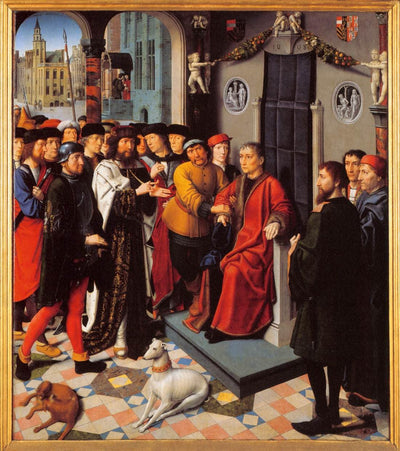
Gerard David, a prominent figure of the Northern Renaissance, created "The Flaying of the Corrupt Judge Sisamnes" around 1498. His work reflects the rich artistic traditions of Flanders, where detailed realism and vibrant colors flourished. David's paintings often showcase intricate details and a deep understanding of human emotion, influenced by earlier masters like Jan van Eyck and Rogier van der Weyden.
During the 16th century, art served as a powerful medium for conveying moral lessons. David's painting illustrates the consequences of corruption and the importance of justice. This moral allegory resonates with viewers, urging them to reflect on ethical governance and personal integrity. The Renaissance was a time when artists like David used their talents to comment on societal issues, making their works both visually stunning and thought-provoking.
The narrative of Judge Sisamnes is steeped in legend. According to historical accounts, Sisamnes was a corrupt judge who accepted bribes and abused his power. His punishment, flaying, symbolizes the severe consequences of his immoral actions. This story serves as a cautionary tale about the dangers of corruption in the judicial system, a theme that remains relevant today.
Flaying, the act of removing skin, represents a brutal form of justice. In David's painting, it serves as a stark reminder of the physical and moral consequences of corruption. The graphic nature of the scene compels viewers to confront the harsh realities of unethical behavior. This symbolism elevates the painting from mere representation to a powerful moral statement.
David employed advanced oil painting techniques, including layering and glazing, to achieve depth and luminosity. These methods allowed him to create rich textures and intricate details, enhancing the emotional impact of the scene. The careful application of paint showcases his mastery of the medium, making this reproduction a superior choice over simple prints.
The color palette in "The Flaying of the Corrupt Judge Sisamnes" features earthy tones, such as browns and greens, contrasted with vivid reds. This combination draws attention to the central figures and heightens the dramatic tension of the scene. The colors not only enhance the visual appeal but also contribute to the painting's emotional weight.
David's composition skillfully guides the viewer's eye through the painting. The arrangement of figures creates a dynamic flow, leading to the central act of flaying. The use of perspective adds depth, making the viewer feel as if they are part of the unfolding drama. This thoughtful composition is a hallmark of David's artistic style.
Judge Sisamnes is depicted as a figure of arrogance and greed. His expression reflects the realization of his fate, embodying the consequences of his corrupt actions. David captures the complexity of his character, making him both a villain and a tragic figure. This duality invites viewers to ponder the nature of justice and morality.
The executioner stands as a stark contrast to Sisamnes. He embodies justice and authority, carrying out the punishment with a sense of duty. His presence reinforces the theme of retribution, reminding viewers that justice must prevail over corruption. The executioner's role is crucial in conveying the moral message of the painting.
The onlookers in the painting represent society's complicity in governance. Their varied expressions range from horror to indifference, highlighting the different ways people respond to corruption. This inclusion of spectators emphasizes the collective responsibility of society to uphold justice and morality.
Corruption remains a pressing issue in modern governance, making David's painting relevant today. The depiction of Judge Sisamnes serves as a reminder of the need for accountability in leadership. This theme resonates across centuries, urging contemporary audiences to reflect on the integrity of their own leaders.
The consequences of immorality depicted in the painting offer valuable lessons for today's society. David's work encourages viewers to consider the impact of their actions and the importance of ethical behavior. The painting serves as a timeless warning against the dangers of corruption and the necessity of justice.
David's portrayal of justice contrasts with other Renaissance works, such as those by Michelangelo and Raphael. While they often depict justice in a more idealized manner, David's approach is raw and unflinching. This difference highlights the unique perspective David brought to the theme of morality in art.
Gerard David's innovative techniques and moral themes influenced many artists who followed him. His ability to blend realism with allegorical content paved the way for future generations to explore complex narratives in their work. Artists like Pieter Bruegel the Elder drew inspiration from David's commitment to social commentary through art.
The original painting is housed in the Museo del Prado in Madrid, Spain. It has been part of various exhibitions, showcasing the evolution of moral themes in art. Its preservation allows contemporary audiences to engage with David's powerful message about justice and corruption.
David's work has left a lasting impact on art history and cultural discourse. "The Flaying of the Corrupt Judge Sisamnes" continues to be studied for its artistic techniques and moral implications. The painting invites ongoing discussions about ethics in governance, making it a significant piece in the canon of Western art.
This painting serves as a powerful moral allegory about the consequences of corruption in governance, reflecting societal values of the Renaissance period.
Gerard David was a Flemish painter known for his detailed realism and moral themes. His works often explore complex narratives, making significant contributions to Northern Renaissance art.
The painting explores themes of justice, morality, and the consequences of corruption, urging viewers to reflect on ethical governance.
It reflects Renaissance values by emphasizing human emotion, moral lessons, and the importance of justice, showcasing the era's focus on individual responsibility.
David used oil painting techniques such as layering and glazing, creating depth and rich textures that enhance the emotional impact of the scene.
To appreciate the details, observe the expressions of the figures, the use of color, and the composition. Each element contributes to the overall narrative and moral message.
When purchasing a reproduction, consider the quality of materials, the accuracy of colors, and the level of detail. A high-quality painting reproduction will capture the essence of the original artwork.
Look for reproductions created by skilled artists using premium materials. Ensure that the reproduction reflects the original's colors and details, making it a superior choice over standard prints.

Discover some of our latest oil paintings, each one carefully hand-painted on canvas.
At Art & See, we're committed to delivering the highest quality art reproductions. Our team of expert artists and state-of-the-art processes ensure that each piece is a masterpiece in its own right.

Experience your masterpiece's creation through daily photos from our expert artists, each with 15+ years of experience.

Your artwork travels first class via UPS, FedEx, or DHL, protected by museum-grade packaging for safe delivery.

Review unedited photos of your finished painting and request unlimited free revisions before it ships. We only ship when you say it's perfect.

Every piece is crafted with archival materials, UV-resistant finishes, and premium British paints to last generations.




Yes, 100% hand-painted with oil on canvas by artists with 15+ years of experience. No prints, no digital shortcuts. You'll see and feel real brushstrokes, just like the original Gerard David masterpiece.
Your The Flaying of the Corrupt Judge Sisamnes reproduction takes 2–5 weeks to hand-paint depending on size and detail. Once approved, shipping takes 5–8 days via FedEx, UPS, or DHL with full tracking. Free worldwide shipping included.
Absolutely. Once your The Flaying of the Corrupt Judge Sisamnes is complete, we send you unedited photos, a full view and close-up details. Request unlimited free revisions until you're 100% satisfied. We don't ship until you say "yes."
Every painting goes through our Preview & Approve process: you receive unedited photos of your finished Gerard David reproduction and can request unlimited free revisions before it ships. We only ship when you say it's perfect. If after delivery you have any concerns, contact us at [email protected] and our team will work with you on the best path forward.
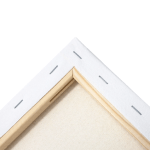
Professional-grade oil paints (Windsor & Newton) on premium linen canvas with UV-resistant protective coating. Museum-grade materials built to last generations, the same quality used in galleries worldwide.
Our artists specialize in Gerard David's technique: color accuracy, brushwork, and composition are matched to the original. Every reproduction goes through quality review before your approval photos are taken.
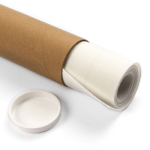
Every painting is insured and delivered door-to-door. Unframed paintings ship in protective hard tubes. Framed paintings are bubble-wrapped in sturdy boxes. If anything arrives damaged, we repair or replace it free.
Dive into the vibrant world of Historic Art. Discover your next painting today.