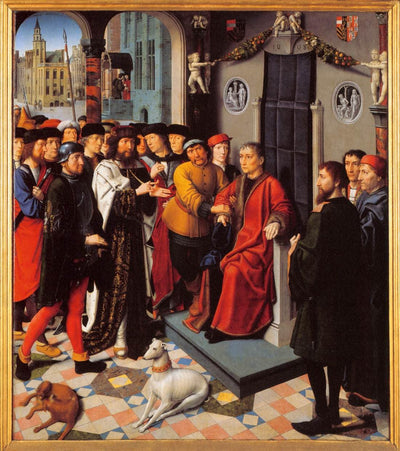


The Transfiguration of Christ: An In-Depth Exploration of Gerard David's Masterpiece
Historical Context of The Transfiguration of Christ
Renaissance Art and Its Spiritual Significance
The
Renaissance was a time of rebirth in art, culture, and spirituality. Artists sought to express the divine through their work, bridging the gap between heaven and earth. The Transfiguration of
Christ embodies this spiritual quest, showcasing the moment when Jesus reveals his divine
nature to his apostles. This pivotal event highlights the intersection of faith and artistry, making it a cornerstone of Renaissance
religious art.
Gerard David: A Pioneer of Northern Renaissance Painting
Gerard David, a leading figure in
Northern Renaissance painting, was known for his meticulous attention to detail and vibrant color use. Born in the late 15th century in Bruges, David's work reflects the rich traditions of Flemish art. His unique style combined
realism with spiritual depth, making him a significant influence on future generations of artists. David's ability to convey emotion through his subjects set him apart in the art world.
Influences of Religious Themes in 16th Century Art
The 16th century was marked by a surge in
religious themes, driven by the Reformation and Counter-Reformation. Artists like David responded to these changes by creating works that explored complex theological ideas. The Transfiguration of Christ serves as a visual narrative of faith, illustrating the transformative power of divine revelation. This painting not only reflects the religious fervor of its time but also invites viewers to contemplate their spiritual journeys.
Visual Analysis of The Transfiguration of Christ
Composition and Layout: The Central Panel's Structure
The Transfiguration of Christ features a dynamic composition that draws the viewer's eye to the central figure of Christ. The layout is carefully balanced, with Christ elevated above the apostles, symbolizing his divine authority. The triangular arrangement of figures creates a sense of movement and energy, inviting viewers to engage with the scene. This structure enhances the painting's narrative, emphasizing the significance of the transfiguration moment.
Color Palette: Symbolism and Emotional Impact
David's use of color in The Transfiguration of Christ is both striking and symbolic. The bright whites and golds surrounding Christ represent purity and divinity, while the darker tones of the apostles convey their earthly struggles. This contrast not only highlights the emotional impact of the scene but also reinforces the theme of spiritual enlightenment. The vibrant colors evoke a sense of awe, drawing viewers into the divine experience.
Figures and Their Significance: Christ, the Apostles, and the Divine
In The Transfiguration of Christ, each figure plays a crucial role in conveying the painting's message. Christ stands at the center, radiating light and glory, flanked by Moses and Elijah, who represent the Law and the Prophets. The apostles, caught in a moment of awe and fear, reflect the human response to divine revelation. Their expressions and postures add depth to the narrative, inviting viewers to share in their emotional journey.
Symbolism and Themes in The Transfiguration of Christ
The Duality of Heaven and Earth: A Spiritual Journey
The Transfiguration of Christ beautifully illustrates the duality of heaven and earth. The painting captures the moment when the divine intersects with the human experience. This theme resonates deeply with viewers, encouraging them to reflect on their own spiritual journeys. The contrast between the heavenly light and the earthly figures symbolizes the struggle between faith and doubt.
Light and Transcendence: The Role of Divine Illumination
Light plays a pivotal role in The Transfiguration of Christ. The radiant glow surrounding Christ signifies divine illumination and transcendence. This use of light not only enhances the painting's visual appeal but also serves as a metaphor for spiritual awakening. The interplay of light and shadow creates a sense of depth, inviting viewers to explore the layers of meaning within the artwork.
Contrasting Emotions: Awe, Fear, and Reverence
The emotional landscape of The Transfiguration of Christ is rich and complex. The apostles' expressions reveal a mix of awe, fear, and reverence as they witness the miraculous event. This emotional contrast adds depth to the narrative, allowing viewers to connect with the figures on a personal level. The painting captures the profound impact of divine revelation, evoking a sense of wonder and contemplation.
Artistic Techniques Employed by Gerard David
Oil Painting Mastery: Layering and Texture
Gerard David's mastery of oil painting is evident in The Transfiguration of Christ. He employed layering techniques to create depth and texture, giving the painting a lifelike quality. This method allowed him to achieve rich colors and intricate details, enhancing the overall visual experience. The texture of the fabric and the naturalism of the figures showcase David's skill and dedication to his craft.
Use of Light and Shadow: Chiaroscuro in Renaissance Art
David's use of chiaroscuro, the contrast of light and shadow, adds drama to The Transfiguration of Christ. This technique highlights the divine light emanating from Christ while casting shadows on the apostles. The interplay of light and dark not only enhances the three-dimensionality of the figures but also emphasizes the spiritual themes of the painting. This mastery of light is a hallmark of
Renaissance art.
Attention to Detail: Facial Expressions and Gestures
One of the most striking aspects of The Transfiguration of Christ is David's attention to detail. The facial expressions and gestures of the figures convey a range of emotions, from awe to fear. This meticulous detail invites viewers to engage with the painting on a deeper level. David's ability to capture the subtleties of human emotion adds richness to the narrative, making it a compelling work of art.
The Legacy of The Transfiguration of Christ
Impact on Future Generations of Artists
The Transfiguration of Christ has left a lasting impact on the art world. Its innovative composition and emotional depth influenced countless artists in the centuries that followed. David's ability to blend realism with spiritual themes set a standard for future religious art. Many artists drew inspiration from this masterpiece, incorporating similar techniques and themes into their own works.
Preservation and Restoration Efforts Over the Centuries
Over the years, The Transfiguration of Christ has undergone various preservation and restoration efforts. These initiatives aim to maintain the painting's integrity and vibrancy. Art conservators have worked diligently to address issues such as fading colors and surface damage. Their efforts ensure that this masterpiece continues to inspire and educate future generations.
Current Exhibitions and Public Reception
Today, The Transfiguration of Christ is celebrated in various exhibitions around the world. Art enthusiasts and scholars alike admire its beauty and significance. Public reception remains strong, with many visitors expressing awe at the painting's emotional depth and technical mastery. This enduring appreciation speaks to the timeless nature of David's work.
Experiencing The Transfiguration of Christ: A Personal Perspective
Visiting the Original: Insights from Art Enthusiasts
Visitors to The Transfiguration of Christ often describe their experiences as transformative. Standing before the original painting allows viewers to appreciate the intricate details and vibrant colors up close. Art enthusiasts share insights about the emotional impact of the piece, noting how it resonates with their personal beliefs and experiences. This connection to the artwork enhances its significance.
Emotional Reactions: What Viewers Feel When Encountering the Painting
Encountering The Transfiguration of Christ elicits powerful emotional reactions. Many viewers report feelings of awe and reverence as they absorb the scene's spiritual significance. The painting's ability to evoke such strong emotions speaks to David's skill as an artist. This emotional engagement invites viewers to reflect on their own spiritual journeys and the nature of divine revelation.
Comparative Analysis: How This Work Stands Against Other Renaissance Pieces
When compared to other Renaissance masterpieces, The Transfiguration of Christ holds a unique place. Its combination of emotional depth, technical mastery, and spiritual themes sets it apart from contemporaneous works. While artists like
Raphael and
Michelangelo focused on grandeur, David's approach emphasizes intimacy and personal connection. This distinctive perspective enriches the viewer's experience and understanding of Renaissance art.
FAQs About The Transfiguration of Christ
What is the story behind The Transfiguration of Christ?
The Transfiguration of Christ depicts the moment when Jesus reveals his divine nature to his apostles, showcasing the intersection of heaven and earth. This event is a pivotal moment in the New Testament, emphasizing the importance of faith and revelation.
What techniques did Gerard David use in this painting?
Gerard David employed oil painting techniques, including layering and chiaroscuro, to create depth and texture. His meticulous attention to detail enhances the emotional impact of the figures and the overall composition.
How does The Transfiguration of Christ reflect Renaissance ideals?
The painting reflects Renaissance ideals through its focus on realism, emotional depth, and spiritual themes. David's ability to blend these elements showcases the era's quest for understanding the divine.
What are the key symbols in The Transfiguration of Christ?
Key symbols in the painting include the radiant light surrounding Christ, representing divine illumination, and the figures of Moses and Elijah, symbolizing the Law and the Prophets. These elements highlight the painting's spiritual significance.
Where can I see The Transfiguration of Christ today?
The Transfiguration of Christ is housed in various exhibitions, with the original located in the Museo del Prado in Madrid, Spain. Art lovers can also find reproductions in galleries and homes, allowing for a broader appreciation of this masterpiece.
What should I know about reproductions of this painting?
Reproductions of The Transfiguration of Christ offer a superior alternative to prints. They capture the intricate details and vibrant colors of the original artwork, allowing viewers to appreciate its beauty in their own spaces. Investing in a high-quality reproduction enhances the viewing experience.
How can I appreciate the details in a reproduction of The Transfiguration of Christ?
To appreciate the details in a reproduction, take time to observe the facial expressions, gestures, and color contrasts. Consider the emotional narrative conveyed through the figures and how they relate to the overall theme of divine revelation. Engaging with the artwork on this level deepens your understanding and enjoyment.