The Pearl Necklace: A Masterpiece of 19th Century Realism
Exploring Eugene de Blaas: The Artist Behind the Canvas
Biographical Insights into Eugene de Blaas
Eugene de Blaas, born in 1843 in the picturesque
city of Venice, Italy, was a prominent painter known for his captivating depictions of women and everyday life. His artistic journey began under the guidance of his father, who was also an artist. De Blaas later moved to Vienna, where he honed his skills and developed a unique style that blended
realism with
romanticism. His works often reflect the beauty and elegance of the female form, making him a celebrated figure in 19th-century art.
Artistic Style and Influences of the 19th Century
De Blaas was influenced by the Realism movement, which sought to portray subjects as they were, without idealization. He drew inspiration from the works of artists like
Gustave Courbet and Jean-François Millet. His paintings often feature rich colors and intricate details, showcasing his mastery of oil painting techniques. The 19th century was a time of great change in art, and de Blaas embraced these shifts, creating works that resonated with both contemporary audiences and future generations.
De Blaas' Contribution to the Realism Movement
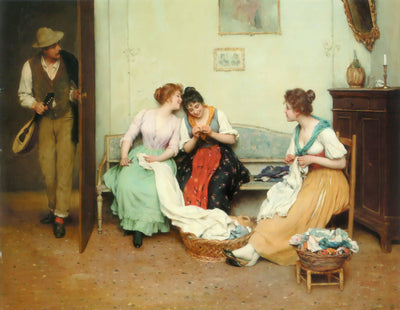
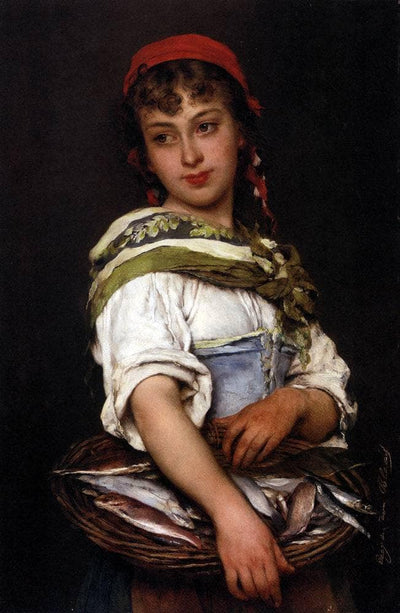
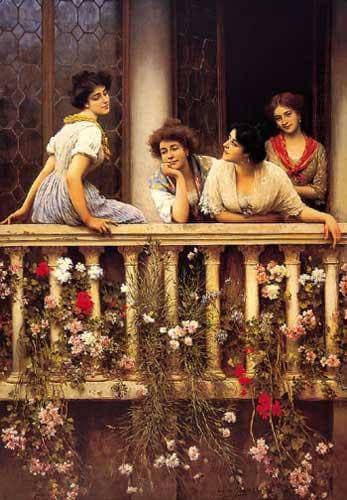
Eugene de Blaas made significant contributions to the Realism movement by focusing on the everyday lives of women. His paintings often depict women in domestic settings, adorned with beautiful clothing and jewelry. "The Pearl Necklace" exemplifies this focus, capturing a moment of intimacy and grace. De Blaas' ability to convey emotion and narrative through his art solidified his place among the great realist painters of his time.
Unveiling the Story Behind The Pearl Necklace
The Historical Context of the Painting
"The Pearl Necklace" was created during a time when society placed great emphasis on wealth and status. The painting reflects the opulence of the late 19th century, a period marked by industrial growth and cultural flourishing. Pearls, often associated with luxury and refinement, symbolize the social aspirations of women during this era. De Blaas' work captures the essence of this historical moment, inviting viewers to explore the complexities of femininity and societal expectations.
Symbolism of the Pearl Necklace in Art
In art, pearls often symbolize purity, wisdom, and wealth. In "The Pearl Necklace," the necklace serves as a focal point, drawing attention to the woman's grace and elegance. It represents not only her beauty but also her social standing. The delicate
nature of pearls contrasts with the strength of the woman, highlighting the duality of femininity—both fragile and powerful.
Character Analysis: The Enigmatic Woman
The woman in "The Pearl Necklace" is a captivating figure, exuding confidence and allure. Her expression is thoughtful, suggesting a deeper story behind her gaze. De Blaas masterfully captures her beauty through intricate details, from her flowing hair to the delicate fabric of her dress. This character embodies the ideals of femininity in the 19th century, representing both the allure of beauty and the weight of societal expectations.
Visual Elements of The Pearl Necklace
Color Palette: A Study in Warm and Cool Tones
De Blaas employs a rich color palette in "The Pearl Necklace," blending warm and cool tones to create depth and dimension. The warm hues of the woman's skin contrast beautifully with the cool tones of her dress and the pearls. This interplay of colors enhances the overall composition, drawing the viewer's eye to the central figure and her exquisite adornments.
Brushwork Techniques: Capturing Light and Texture
The artist's brushwork in "The Pearl Necklace" is both delicate and precise. De Blaas uses layering techniques to build texture, particularly in the fabric of the woman's dress and the sheen of the pearls. His ability to capture light and shadow adds a three-dimensional quality to the painting, making it feel alive and dynamic.
Composition and Perspective: The Arrangement of Figures
The composition of "The Pearl Necklace" is thoughtfully arranged, with the woman positioned centrally to draw the viewer's attention. De Blaas uses perspective to create a sense of intimacy, inviting the audience into the scene. The background elements are subtly rendered, allowing the figure to remain the focal point while still providing context to her environment.
Thematic Exploration: Beauty, Femininity, and Elegance
Representation of Women in 19th Century Art
In the 19th century, women were often depicted as symbols of beauty and virtue in art. De Blaas' portrayal of women goes beyond mere aesthetics; he captures their strength and complexity. "The Pearl Necklace" reflects the societal roles of women during this time, showcasing their elegance while also hinting at the constraints they faced.
Interpreting the Themes of Wealth and Status
Wealth and status are central themes in "The Pearl Necklace." The pearl necklace itself serves as a powerful symbol of affluence, representing the social aspirations of women in the late 19th century. De Blaas invites viewers to consider the relationship between beauty and material wealth, prompting reflections on the value placed on appearances in society.
The Role of Jewelry in Artistic Narratives
Jewelry often plays a significant role in art, serving as a symbol of identity and status. In "The Pearl Necklace," the pearls enhance the woman's beauty while also signifying her social standing. De Blaas uses jewelry not just as an accessory but as a narrative device, enriching the story of the woman and her place in society.
Comparative Analysis: The Pearl Necklace and Other Works
Similarities with Contemporary Artists of the Era
De Blaas' work shares similarities with other contemporary artists, such as
John Singer Sargent and Pierre-Auguste Renoir, who also focused on the beauty of women. Like them, de Blaas captures the essence of femininity through rich colors and intricate details. His unique approach to realism sets him apart, making "The Pearl Necklace" a standout piece.
Contrasting Themes in De Blaas' Other Paintings
While "The Pearl Necklace" emphasizes beauty and elegance, other works by de Blaas explore different themes. For instance, some of his paintings depict women in more domestic settings, highlighting their roles within the family. This contrast showcases the versatility of de Blaas as an artist and his ability to convey a range of emotions and narratives.
Influence on Future Generations of Artists
Eugene de Blaas' work has influenced many artists who followed him. His focus on realism and the portrayal of women paved the way for future explorations of femininity in art. Contemporary artists continue to draw inspiration from his techniques and themes, ensuring that his legacy endures in the art world.
Artistic Techniques: A Closer Look at De Blaas' Methodology
Oil Painting Techniques: Layering and Glazing
De Blaas employed traditional oil painting techniques, utilizing layering and glazing to achieve depth and luminosity in "The Pearl Necklace." This method allows for a rich interplay of colors, enhancing the overall visual impact of the painting. His meticulous approach to oil painting showcases his dedication to craftsmanship.
Use of Light and Shadow: Chiaroscuro in The Pearl Necklace
Chiaroscuro, the technique of using strong contrasts between light and dark, is evident in "The Pearl Necklace." De Blaas skillfully manipulates light to highlight the woman's features and the texture of her clothing. This technique adds drama and dimension, drawing the viewer's eye to the focal points of the composition.
Textural Elements: Fabric and Skin Rendering
The textural elements in "The Pearl Necklace" are masterfully rendered, showcasing de Blaas' attention to detail. The softness of the woman's skin contrasts with the intricate patterns of her dress. This careful rendering of textures enhances the realism of the painting, making it a true masterpiece of 19th-century art.
Legacy of The Pearl Necklace: Impact on Art and Culture
Reception of The Pearl Necklace in Art Circles
Upon its completion, "The Pearl Necklace" received acclaim from art critics and collectors alike. Its exquisite portrayal of beauty and elegance resonated with audiences, solidifying de Blaas' reputation as a leading artist of his time. The painting continues to be celebrated for its technical mastery and emotional depth.
Influence on Modern Art and Collectors
"The Pearl Necklace" has left a lasting impact on
modern art and collectors. Its themes of beauty and femininity continue to inspire contemporary artists. Collectors seek out de Blaas' works for their historical significance and aesthetic appeal, ensuring that his legacy endures in the art market.
Preservation and Exhibition of De Blaas' Works
Many of de Blaas' paintings, including "The Pearl Necklace," are preserved in prestigious museums and galleries around the world. These institutions recognize the importance of his work in the context of 19th-century art. Exhibitions featuring de Blaas' paintings attract art enthusiasts and scholars, furthering appreciation for his contributions to the art world.
Frequently Asked Questions About The Pearl Necklace
What is the significance of the pearl necklace in the painting?
The pearl necklace symbolizes wealth, beauty, and social status, reflecting the ideals of femininity in the 19th century.
How does The Pearl Necklace reflect the values of its time?
The painting captures the opulence and societal expectations of women during the late 19th century, highlighting the interplay between beauty and material wealth.
What techniques did Eugene de Blaas use in this painting?
De Blaas used oil painting techniques, including layering, glazing, and chiaroscuro, to create depth and texture in "The Pearl Necklace."
Where can I see The Pearl Necklace displayed today?
"The Pearl Necklace" is housed in various art collections and may be featured in exhibitions at museums dedicated to 19th-century art.
What are the main themes explored in The Pearl Necklace?
The painting explores themes of beauty, femininity, wealth, and the role of jewelry in societal narratives.
How does The Pearl Necklace compare to other works by Eugene de Blaas?
While "The Pearl Necklace" emphasizes beauty and elegance, other works by de Blaas may focus on domestic life and different aspects of femininity.
FAQs About The Pearl Necklace Reproduction
What should I consider when purchasing a reproduction of The Pearl Necklace?
When purchasing a reproduction, consider the quality of materials, the artist's technique, and the level of detail to ensure it captures the essence of the original painting.
How can I ensure the quality of a reproduction painting?
Look for reproductions created by skilled artists using high-quality materials. A well-executed reproduction should reflect the original's colors, textures, and details.
Are there different styles of reproductions available for The Pearl Necklace?
Yes, reproductions can vary in style, including hand-painted oil reproductions, which offer a superior quality compared to standard prints. Hand-painted reproductions capture the nuances of the original artwork, making them a cherished addition to any art collection.
 4.9/5
4.9/5