The Friendly Gossips: A Glimpse into Eugene de Blaas' Masterpiece
Understanding the Artistic Context of The Friendly Gossips
Historical Background of Eugene de Blaas
Eugene de Blaas, an Italian painter born in 1843, is renowned for his captivating depictions of everyday life. His works often showcase the charm of Italian culture, particularly the social interactions of women. De Blaas trained in the prestigious Academy of Fine Arts in Venice, where he honed his skills in
realism and narrative painting. His ability to capture the essence of human emotion and community made him a significant figure in 19th-century art.
Influences of 19th Century Art Movements
The 19th century was a vibrant period for art, marked by movements such as
Romanticism and Realism. De Blaas was influenced by these styles, blending emotional depth with realistic portrayals. His paintings often reflect the ideals of the time, focusing on the beauty of ordinary life and the complexities of social relationships. This context enriches our understanding of "The Friendly Gossips," as it embodies the spirit of camaraderie and connection prevalent in his era.
Italian Culture Reflected in De Blaas' Work
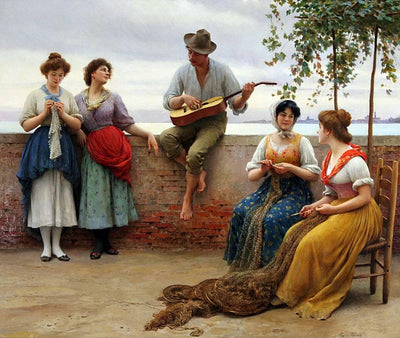
De Blaas' art is deeply rooted in Italian culture, showcasing the warmth and vibrancy of Italian social life. "The Friendly Gossips" captures a moment of shared laughter and conversation among women, highlighting the importance of community in Italian society. The painting serves as a window into the customs and daily interactions of the time, making it a valuable cultural artifact.
Visual Elements of The Friendly Gossips
Color Palette: The Vibrancy of Everyday Life
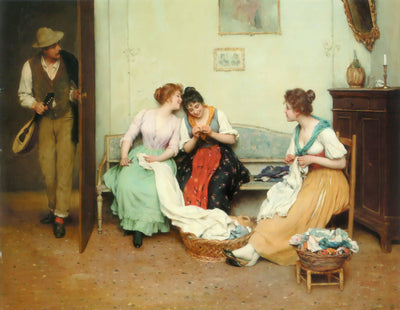
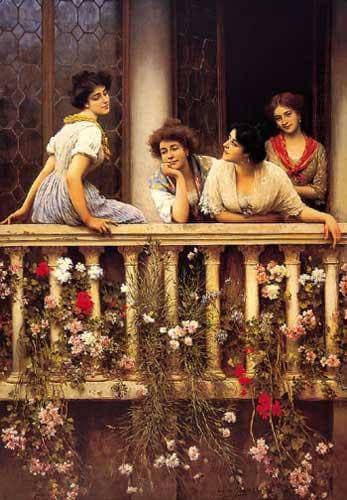
The color palette of "The Friendly Gossips" is rich and inviting, featuring warm tones that evoke a sense of intimacy. De Blaas skillfully uses colors to reflect the liveliness of the scene, with soft pastels and vibrant hues that bring the characters to life. This vibrant palette enhances the emotional connection between the viewer and the subjects.
Composition: The Arrangement of Figures and Space
The composition of "The Friendly Gossips" is thoughtfully arranged, drawing the viewer's eye to the central figures engaged in conversation. De Blaas employs a triangular composition, creating a sense of balance and harmony. The placement of the women within the space invites viewers to feel as if they are part of the gathering, enhancing the painting's narrative quality.
Brushwork Techniques: Capturing Emotion and Movement
De Blaas' brushwork in "The Friendly Gossips" is both delicate and expressive. He uses a combination of fine detail and loose strokes to convey movement and emotion. The fluidity of the brushwork captures the lively gestures of the women, making the scene feel dynamic and engaging. This technique adds depth to the characters' interactions, inviting viewers to immerse themselves in the moment.
Thematic Exploration: Friendship and Community
Symbolism of Gossip in Social Interactions
Gossip, often viewed negatively, takes on a positive light in "The Friendly Gossips." It symbolizes the bonds of friendship and the sharing of experiences among women. The act of gossiping reflects trust and intimacy, showcasing how social interactions can strengthen community ties. De Blaas captures this essence beautifully, portraying a moment of joy and connection.
Depiction of Women in 19th Century Society
In "The Friendly Gossips," de Blaas presents women as central figures in social life. Their expressions and interactions reflect the roles women played in 19th-century society, often as caregivers and community builders. This portrayal challenges the traditional views of women during that time, highlighting their agency and importance in social dynamics.
Emotional Resonance: Connection and Intimacy
The emotional resonance of "The Friendly Gossips" is palpable. The women's expressions convey a range of feelings, from joy to curiosity, creating a sense of intimacy. This emotional depth invites viewers to reflect on their own experiences of friendship and connection, making the painting relatable and timeless.
Character Analysis: The Women in The Friendly Gossips
Individual Personalities: A Study of Expressions
Each woman in "The Friendly Gossips" possesses a distinct personality, reflected in their facial expressions and body language. De Blaas captures subtle nuances, allowing viewers to interpret the dynamics of their conversation. This attention to detail adds richness to the narrative, making each character feel alive and relatable.
Fashion and Attire: Insights into Historical Dress
The attire of the women in "The Friendly Gossips" offers a glimpse into 19th-century fashion. De Blaas meticulously depicts the fabrics, colors, and styles of the time, showcasing the elegance and variety of women's clothing. This attention to detail not only enhances the visual appeal but also serves as a historical reference for fashion enthusiasts.
Interactions: Body Language and Social Dynamics
The body language of the women in "The Friendly Gossips" speaks volumes about their relationships. Their gestures and postures convey a sense of camaraderie and openness. De Blaas masterfully illustrates the social dynamics at play, inviting viewers to consider the importance of non-verbal communication in building connections.
Artistic Techniques: The Craftsmanship of De Blaas
Oil Painting Techniques: Layering and Glazing
Eugene de Blaas employed traditional oil painting techniques, including layering and glazing, to achieve depth and luminosity in "The Friendly Gossips." These methods allow for rich color variations and a sense of realism that draws viewers into the scene. The careful application of paint creates a tactile quality that enhances the overall experience.
Use of Light and Shadow: Creating Depth
Light and shadow play a crucial role in "The Friendly Gossips." De Blaas skillfully uses chiaroscuro to create depth and dimension, highlighting the figures while adding a sense of atmosphere. This technique not only enhances the visual appeal but also contributes to the emotional impact of the painting.
Textural Elements: The Feel of Fabric and Skin
The textural elements in "The Friendly Gossips" are remarkable. De Blaas captures the softness of fabric and the warmth of skin with incredible detail. This attention to texture invites viewers to imagine the tactile sensations of the scene, making it feel more immersive and engaging.
Comparative Analysis: The Friendly Gossips and Other Works
Similarities with Other De Blaas Paintings
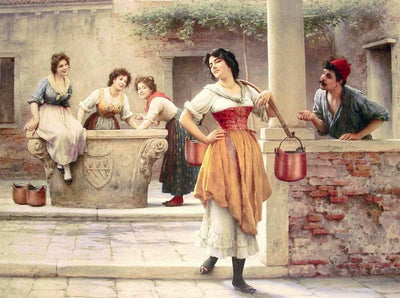
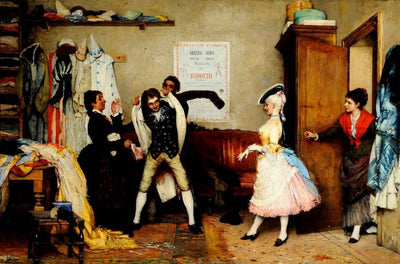
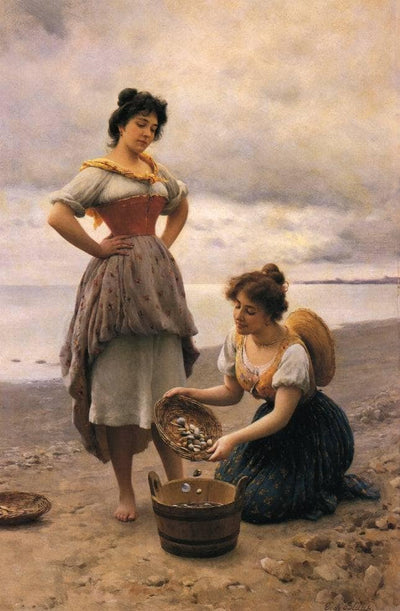
"The Friendly Gossips" shares thematic and stylistic similarities with other works by de Blaas. His focus on social interactions and the portrayal of women are consistent throughout his oeuvre. This painting stands out for its vibrant color palette and emotional depth, yet it remains true to de Blaas' artistic vision.
Contrasts with Contemporary Artists of the Era
When compared to contemporary artists, de Blaas' approach to realism and narrative sets him apart. While many artists explored abstraction and
modernism, de Blaas remained committed to depicting the beauty of everyday life. This dedication to realism allows "The Friendly Gossips" to resonate with audiences seeking connection and familiarity.
Influence on Future Generations of Artists
De Blaas' work has influenced many artists who followed him. His ability to capture human emotion and social dynamics continues to inspire contemporary painters. "The Friendly Gossips" serves as a testament to the enduring power of narrative in art, encouraging future generations to explore the complexities of human relationships.
Preservation and Legacy of The Friendly Gossips
Current Location and Exhibition History
"The Friendly Gossips" is currently housed in a prominent art museum, where it is part of a collection celebrating 19th-century European art. The painting has been featured in various exhibitions, drawing attention from art lovers and historians alike. Its presence in the museum ensures that de Blaas' legacy continues to inspire future generations.
Impact on Art Collectors and Enthusiasts
Art collectors and enthusiasts highly value "The Friendly Gossips" for its historical significance and emotional depth. The painting's popularity has led to numerous reproductions, allowing more people to appreciate de Blaas' artistry. Collectors often seek out high-quality reproductions, as they offer a more authentic experience than standard prints.
Restoration Efforts: Maintaining Artistic Integrity
Restoration efforts for "The Friendly Gossips" focus on preserving its original beauty and integrity. Experts carefully assess the painting's condition, ensuring that any restoration work maintains de Blaas' artistic vision. These efforts are crucial for keeping the painting accessible to future audiences.
FAQs about The Friendly Gossips
What is the story behind The Friendly Gossips painting?
"The Friendly Gossips" captures a moment of joyful conversation among women, reflecting the importance of friendship and community in 19th-century Italian society. The painting invites viewers to witness the warmth of social interactions.
What techniques did Eugene de Blaas use in this artwork?
De Blaas used traditional oil painting techniques, including layering and glazing, to create depth and vibrancy. His skillful use of light and shadow enhances the emotional impact of the scene.
How does The Friendly Gossips reflect 19th-century Italian culture?
The painting showcases the social dynamics of women in 19th-century Italy, highlighting their roles as caregivers and community builders. It reflects the customs and interactions that defined Italian society during that time.
What emotions are conveyed through the expressions of the women?
The women's expressions convey joy, curiosity, and intimacy, creating a sense of connection. This emotional depth invites viewers to reflect on their own experiences of friendship.
How has The Friendly Gossips influenced modern art?
"The Friendly Gossips" has influenced modern artists by emphasizing the importance of narrative and emotional connection in art. Its focus on social interactions continues to resonate with contemporary themes.
FAQs about The Friendly Gossips Reproduction
What should I consider when purchasing a reproduction of The Friendly Gossips?
When purchasing a reproduction, consider the quality of materials and craftsmanship. Look for reproductions that use high-quality canvas and oil paints to ensure a vibrant and authentic representation of the original artwork.
How can I ensure the quality of the reproduction matches the original?
To ensure quality, seek out reputable art reproduction companies that specialize in oil painting reproductions. Check for reviews and examples of their work to confirm their commitment to artistic integrity and detail.
 4.9/5
4.9/5