Baroness von Scholl: A Glimpse into Eugene de Blaas' Masterpiece
Historical Context of Baroness von Scholl
The Artistic Movement of the Late 19th Century
Eugene de Blaas painted "Baroness von Scholl" during the late 19th century, a time marked by the rise of
realism and
impressionism. Artists sought to capture the essence of life, focusing on everyday subjects and the human experience. This period also saw a fascination with the aristocracy, as society began to question traditional hierarchies. De Blaas, influenced by these movements, created works that celebrated both beauty and the complexities of social status.
Influences on Eugene de Blaas' Work
Eugene de Blaas was deeply influenced by the Venetian school of painting, known for its vibrant colors and masterful use of light. His time in Venice exposed him to the works of great masters like
Titian and Veronese. These influences are evident in "Baroness von Scholl," where the interplay of light and shadow enhances the subject's elegance. De Blaas also drew inspiration from the rich cultural tapestry of the late 19th century, blending traditional techniques with contemporary themes.
Baroness von Scholl: A Reflection of Society's Elite
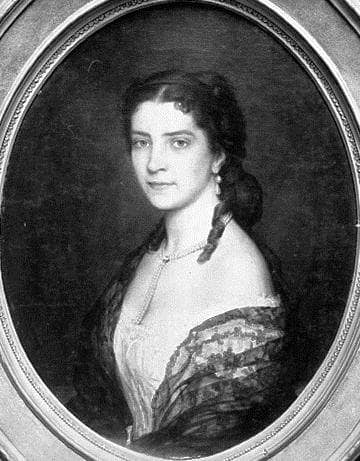
"Baroness von Scholl" serves as a window into the lives of the elite during this era. The painting captures not just the likeness of the baroness but also the opulence and sophistication of her social class. The
portrait reflects the values and aesthetics of high society, showcasing the importance of status, beauty, and grace. This artwork invites viewers to ponder the lives of those who inhabited the upper echelons of society.
Visual Analysis of Baroness von Scholl
Color Palette: The Use of Warm Tones and Soft Hues
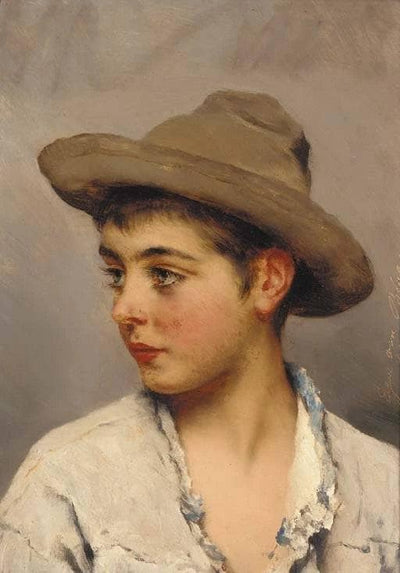
The color palette of "Baroness von Scholl" features warm tones and soft hues that evoke a sense of intimacy and warmth. Rich golds and deep reds dominate the composition, creating a luxurious atmosphere. These colors not only enhance the baroness's beauty but also symbolize wealth and nobility. The careful selection of colors reflects de Blaas' mastery in creating mood and emotion through his art.
Composition: Balancing Elegance and Poise
The composition of the painting is meticulously balanced, showcasing the baroness in a poised and graceful manner. De Blaas positions her slightly off-center, drawing the viewer's eye to her serene expression and elegant attire. This thoughtful arrangement highlights her status while inviting viewers to appreciate the subtleties of her character. The background, softly blurred, further emphasizes her presence, making her the focal point of the artwork.
Textural Elements: The Brushwork of Eugene de Blaas
Eugene de Blaas employed intricate brushwork to create texture and depth in "Baroness von Scholl." His technique involves layering paint to build richness in the fabric of the baroness's dress and the softness of her skin. The delicate strokes convey a sense of realism, allowing viewers to almost feel the textures of her attire. This attention to detail showcases de Blaas' skill and dedication to capturing the essence of his subjects.
The Subject: Understanding the Baroness
Who Was Baroness von Scholl? A Brief Biography
Baroness von Scholl was a prominent figure in 19th-century society, known for her grace and charm. Little is documented about her life, but she represents the ideals of beauty and sophistication of her time. Her portrait by de Blaas immortalizes her legacy, allowing us to glimpse the elegance that defined her social standing. The baroness's identity remains a symbol of the aristocratic lifestyle that fascinated many during this period.
Symbolism in the Portrait: What Does It Represent?
The portrait of Baroness von Scholl is rich in
symbolism. Her attire, adorned with intricate details, signifies wealth and status. The serene expression on her face suggests confidence and poise, traits admired in high society. Additionally, the use of light in the painting symbolizes enlightenment and sophistication, reflecting the ideals of the upper class. Each element in the portrait contributes to a deeper understanding of her character and societal role.
Fashion and Attire: The Significance of the Baroness' Dress
The baroness's dress in the painting is a stunning representation of 19th-century fashion. The luxurious fabric and elaborate design highlight her status and taste. Fashion during this time was not just about aesthetics; it was a statement of identity and social standing. The intricate details of her attire, from the lace to the rich colors, tell a story of elegance and refinement that resonates with viewers today.
Artistic Techniques Employed by Eugene de Blaas
Oil Painting Techniques: Layering and Glazing Explained
Eugene de Blaas mastered oil painting techniques, particularly layering and glazing. Layering involves applying multiple coats of paint to create depth and richness. Glazing, on the other hand, adds transparency and luminosity to the colors. These techniques are evident in "Baroness von Scholl," where the interplay of light and shadow enhances the overall composition. De Blaas' skillful application of these methods elevates the painting to a level of sophistication.
Portraiture: Capturing Personality and Emotion
De Blaas excelled in portraiture, capturing not just the likeness of his subjects but also their personality and emotion. In "Baroness von Scholl," he conveys a sense of calm and dignity through the baroness's expression. The subtle nuances in her gaze and posture invite viewers to connect with her on a personal level. This ability to evoke emotion is what sets de Blaas apart as a master portrait artist.
Influence of Venetian Art on de Blaas' Style
The influence of Venetian art is evident in de Blaas' style, particularly in his use of color and light. Venetian painters were known for their vibrant palettes and innovative techniques. De Blaas adopted these elements, infusing his work with a sense of warmth and richness. "Baroness von Scholl" exemplifies this influence, showcasing the beauty of Venetian artistry while maintaining de Blaas' unique voice.
The Legacy of Baroness von Scholl
Impact on Contemporary Portraiture
"Baroness von Scholl" has left a lasting impact on contemporary portraiture. Artists today draw inspiration from de Blaas' ability to blend realism with emotional depth. The painting serves as a benchmark for capturing the essence of a subject, influencing how modern artists approach portraiture. Its timeless quality continues to resonate, making it a significant reference point in art discussions.
Baroness von Scholl in Modern Art Discussions
In
modern art discussions, "Baroness von Scholl" is often cited as a prime example of late 19th-century portraiture. Critics and scholars analyze its composition, color, and emotional resonance, highlighting its relevance in today's art world. The painting's exploration of identity and status remains pertinent, prompting conversations about the role of portraiture in reflecting societal values.
Preservation and Restoration of the Original Painting
The original "Baroness von Scholl" has undergone careful preservation and restoration to maintain its integrity. Art conservators work diligently to protect the painting from deterioration, ensuring that future generations can appreciate its beauty. This commitment to preservation underscores the painting's significance in art history and its value as a cultural artifact.
Exploring the Reproduction of Baroness von Scholl
Why Choose a Reproduction of This Iconic Painting?
Choosing a reproduction of "Baroness von Scholl" allows art lovers to bring a piece of history into their homes. Unlike prints, which can lack depth and texture, high-quality reproductions capture the essence of the original painting. They offer a more authentic experience, allowing viewers to appreciate the intricate details and vibrant colors that de Blaas intended.
How Reproductions Capture the Essence of the Original
Art reproductions are crafted using advanced techniques that replicate the original's texture and color. Skilled artisans pay close attention to detail, ensuring that every brushstroke and hue is faithfully reproduced. This dedication to quality means that a reproduction of "Baroness von Scholl" can evoke the same emotions and appreciation as the original, making it a valuable addition to any art collection.
Displaying Your Reproduction: Tips for Home Decor
When displaying your reproduction of "Baroness von Scholl," consider the lighting and placement. Natural light can enhance the colors, but avoid direct sunlight to prevent fading. Choose a frame that complements the artwork and fits your decor style. Whether in a living room, study, or gallery wall, this reproduction will serve as a stunning focal point, sparking conversations and admiration.
Frequently Asked Questions (FAQs)
What is the story behind the painting Baroness von Scholl?
"Baroness von Scholl" captures the essence of a prominent figure in 19th-century society, reflecting the elegance and sophistication of her time. The painting tells a story of beauty, status, and the cultural values of the aristocracy.
What techniques did Eugene de Blaas use in this portrait?
Eugene de Blaas used oil painting techniques such as layering and glazing to create depth and luminosity in "Baroness von Scholl." His brushwork adds texture and realism, making the portrait come alive.
How does Baroness von Scholl reflect the culture of its time?
The painting reflects the values of high society in the late 19th century, showcasing the importance of status, beauty, and grace. It serves as a visual representation of the aristocratic lifestyle and cultural ideals of the era.
What are the key features to look for in a reproduction?
When choosing a reproduction, look for high-quality materials, attention to detail, and accurate color representation. A good reproduction should capture the texture and depth of the original painting.
How can I care for my reproduction of Baroness von Scholl?
To care for your reproduction, keep it away from direct sunlight and humidity. Clean the frame and glass regularly, and consider using UV-protective glass to preserve the colors.
Is there a specific place where the original painting is displayed?
The original "Baroness von Scholl" is housed in a prestigious art collection, where it is preserved and appreciated by art enthusiasts and scholars alike.
What makes Baroness von Scholl a significant work in art history?
"Baroness von Scholl" is significant for its masterful portrayal of aristocratic life and its influence on contemporary portraiture. The painting exemplifies the artistic techniques of the late 19th century and continues to inspire discussions about identity and status in art.
 4.9/5
4.9/5