Exploring the Historical Context of Edgar Degas' Scene of War in the Middle Ages
The Influence of the Middle Ages on Art and Culture
Understanding the Societal Structures of Medieval Times
The Middle Ages, spanning from the 5th to the late 15th century, was a period marked by feudalism, chivalry, and the rise of powerful monarchies. This era shaped the social fabric of Europe, influencing art, literature, and philosophy. Artists like Degas drew inspiration from the complexities of medieval life, reflecting themes of honor, conflict, and the human experience. The societal structures of this time, including the roles of knights, peasants, and the church, provided a rich backdrop for artistic exploration.
Artistic Movements Inspired by Historical Events
The tumultuous events of the Middle Ages, such as the Crusades and the Hundred Years'
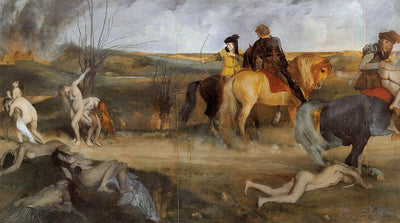
War, inspired a wave of artistic expression. Artists sought to capture the essence of these conflicts, portraying the valor and tragedy of war. Degas, known for his innovative approach, infused his work with historical significance, bridging the gap between past and present. His painting, "Scene of War in the Middle Ages," serves as a poignant reminder of the impact of warfare on society and culture.
Edgar Degas: A Master of Impressionism and Beyond
Degas' Unique Artistic Style and Techniques
Brushwork and Color Palette: A Closer Look
Degas was renowned for his distinctive brushwork and vibrant color palette. He often employed a technique called "broken color," where he applied small strokes of pure color to create depth and movement. In "Scene of War in the Middle Ages," this technique enhances the dynamic quality of the figures, making the scene come alive. His choice of colors, ranging from earthy tones to vivid reds, evokes the intensity of battle and the emotional weight of the moment.
Innovative Composition: Balancing Movement and Stillness
Degas masterfully balanced movement and stillness in his compositions. In this painting, he captures the chaos of war while maintaining a sense of order. The arrangement of soldiers, their armor glinting in the light, draws the viewer's eye across the canvas. This innovative composition reflects Degas' ability to convey action while allowing for moments of reflection, inviting viewers to ponder the deeper implications of conflict.
Scene of War in the Middle Ages: A Detailed Visual Analysis
Imagery and Symbolism in the Painting
Depiction of Conflict: Soldiers and Their Armor
In "Scene of War in the Middle Ages," Degas presents a vivid portrayal of soldiers clad in intricate armor. The attention to detail in their attire highlights the craftsmanship of the time. Each soldier's stance and expression convey a sense of urgency and determination, immersing viewers in the intensity of the battlefield. The armor symbolizes not only protection but also the honor and valor associated with medieval warfare.
Emotional Resonance: Faces and Expressions of the Figures
The faces of the figures in Degas' painting are filled with emotion, reflecting the psychological toll of war. Some soldiers exhibit fierce determination, while others reveal fear or despair. This emotional resonance invites viewers to connect with the humanity of the characters, transcending the historical context. Degas' ability to capture these nuanced expressions adds depth to the narrative, making the painting a powerful commentary on the human condition.
Color and Light: Creating Atmosphere in the Scene
The Role of Light in Conveying Emotion
Light plays a crucial role in "Scene of War in the Middle Ages." Degas skillfully uses light to highlight key elements of the composition, creating a dramatic atmosphere. The interplay of light and shadow enhances the emotional impact, drawing attention to the soldiers' faces and the chaos surrounding them. This technique not only adds depth but also evokes a sense of urgency and tension, immersing viewers in the scene.
Color Choices: Symbolism and Meaning
Degas' color choices in this painting are rich with
symbolism. The use of dark hues juxtaposed with bright accents reflects the duality of war—its brutality and moments of heroism. The reds and golds symbolize valor and sacrifice, while the cooler tones suggest sorrow and loss. This thoughtful color palette invites viewers to explore the complex emotions associated with conflict, making the painting a profound exploration of human experience.
Thematic Elements: War, Honor, and Humanity
Exploring the Duality of War: Valor and Tragedy
Degas' "Scene of War in the Middle Ages" delves into the duality of war, showcasing both valor and tragedy. The painting captures the heroism of soldiers facing adversity while also highlighting the devastating consequences of conflict. This exploration of duality invites viewers to reflect on the
nature of war and its impact on individuals and society as a whole.
Heroism in the Face of Adversity
The soldiers depicted in the painting embody the spirit of heroism, standing resolute in the face of danger. Their bravery serves as a testament to the human capacity for courage, even in the darkest of times. Degas' portrayal of these figures inspires admiration and respect, reminding us of the sacrifices made in the name of honor and duty.
The Impact of War on Society and Individuals
War
leaves an indelible mark on society and individuals alike. Degas' painting captures this impact, illustrating the emotional and physical toll of conflict. The expressions of the soldiers reflect the internal struggles faced by those who endure the horrors of battle. This poignant representation encourages viewers to consider the broader implications of war on humanity.
Comparative Analysis: Degas and His Contemporaries
How Scene of War Reflects or Contrasts with Other Works
Degas' "Scene of War in the Middle Ages" stands out among his contemporaries for its unique approach to depicting conflict. While many
Impressionist artists focused on everyday life, Degas ventured into the realm of historical narrative. This painting reflects his ability to blend traditional themes with modern techniques, creating a distinctive voice within the Impressionist movement.
Similarities with Other Impressionist Artists
Like other Impressionist artists, Degas employed innovative techniques to capture movement and emotion. However, his focus on historical subjects sets him apart. While artists like Monet celebrated nature and leisure, Degas explored the complexities of human experience, making his work resonate on a deeper level.
Distinctive Features that Set Degas Apart
Degas' meticulous attention to detail and emotional depth distinguish his work from that of his peers. His ability to convey the psychological aspects of his subjects adds a layer of complexity to "Scene of War in the Middle Ages." This distinctive approach allows viewers to engage with the painting on multiple levels, fostering a richer understanding of its themes.
Legacy and Influence of Scene of War in the Art World
Reception and Critique: How the Painting Was Initially Viewed
Upon its release, "Scene of War in the Middle Ages" garnered mixed reactions from critics and the public. Some praised Degas for his innovative techniques and emotional depth, while others questioned the historical accuracy of his portrayal. Over time, however, the painting has gained recognition as a significant work that challenges traditional narratives of war.
Critical Responses from Art Critics and Historians
Art critics and historians have lauded Degas' ability to capture the essence of conflict. His unique perspective on war has sparked discussions about the role of artists in interpreting historical events. This critical engagement has solidified "Scene of War in the Middle Ages" as a vital piece in the study of
Impressionism and its evolution.
Public Reception and Its Evolution Over Time
Initially, the public reception of the painting was mixed, with some viewers struggling to connect with its themes. However, as societal attitudes toward war have evolved, so too has the appreciation for Degas' work. Today, "Scene of War in the Middle Ages" is celebrated for its emotional resonance and historical significance, making it a staple in art exhibitions worldwide.
Impact on Future Generations of Artists
Degas' techniques and thematic explorations have left a lasting impact on future generations of artists. His ability to blend historical narrative with emotional depth has inspired countless creators to explore similar themes in their work. "Scene of War in the Middle Ages" serves as a testament to the power of art to reflect and shape societal understanding of conflict.
How Degas' Techniques Influenced Modern Art
Degas' innovative techniques, such as his use of light and color, have influenced modern artists across various genres. His ability to convey movement and emotion continues to resonate, inspiring contemporary creators to push the boundaries of artistic expression. The legacy of "Scene of War in the Middle Ages" endures, reminding us of the profound connection between art and the human experience.
Frequently Asked Questions About Scene of War in the Middle Ages
What is the historical significance of Scene of War in the Middle Ages?
"Scene of War in the Middle Ages" holds historical significance as it captures the essence of medieval conflict, reflecting the societal structures and emotional complexities of the time.
What techniques did Degas use in this painting?
Degas employed techniques such as broken color, innovative composition, and dramatic use of light to create depth and emotional resonance in "Scene of War in the Middle Ages."
How does Scene of War compare to Degas' other works?
Unlike many of Degas' other works that focus on ballet dancers and everyday life, "Scene of War in the Middle Ages" explores historical themes, showcasing his versatility as an artist.
What themes are explored in Scene of War in the Middle Ages?
The painting explores themes of war, honor, heroism, and the emotional toll of conflict, inviting viewers to reflect on the duality of human experience.
What emotions does the painting evoke in viewers?
The painting evokes a range of emotions, including admiration for bravery, sorrow for loss, and contemplation of the complexities of war.
How can I appreciate the details in Scene of War?
To appreciate the details, take time to observe the expressions of the figures, the intricacies of their armor, and the interplay of light and color that enhances the emotional impact of the scene.
What should I know about the reproduction of this painting?
Art reproductions of "Scene of War in the Middle Ages" offer a superior alternative to prints, capturing the texture and depth of the original oil painting. These reproductions allow art lovers to experience the beauty of Degas' work in their own homes.
Are there any notable exhibitions featuring Scene of War?
"Scene of War in the Middle Ages" has been featured in various notable exhibitions, showcasing Degas' contributions to Impressionism and his exploration of historical themes. Check local galleries and museums for upcoming exhibitions that may include this significant work.
 4.9/5
4.9/5