4.9/5
4.9/5


Famous Horse Oil Painting Reproductions
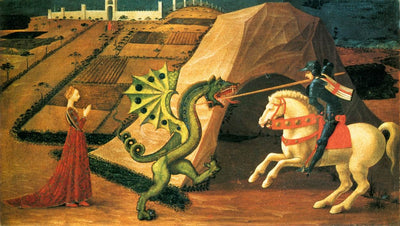
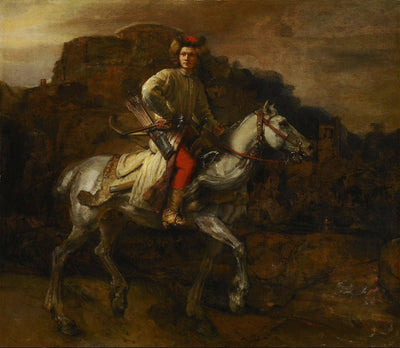
Famous horse paintings put the most difficult subject in art at the center of the canvas, and this page holds 700 hand-painted oil reproductions of them. You can order The Polish Rider by Rembrandt, Officer of the Chasseurs Charging on Horseback by Theodore Gericault, St. George and the Dragon by Paolo Uccello, The Tower of Blue Horses and Blue Horse I by Franz Marc, A Knight At the Crossroads by Viktor Vasnetsov, Thoroughbred with Jockey up by Edmund Charles Tarbell, The Bridal Path, White Mountains by Winslow Homer, Horse between Birches by Nikolay Bogdanov-Belsky and Pilsudski on Kasztanka by Wojciech Kossak. Every horse painting here is hand-painted in oil on canvas by a studio artist, never printed.
-
Napoleon crossing the Alps


 Vendor:Paul Delaroche
Napoleon crossing the Alps
- Regular price
- From $350.00
- Sale price
- From $350.00
- Regular price
-
-
Portrait of Georges Anthony


 Vendor:Pierre-Paul Prud'hon
Portrait of Georges Anthony
- Regular price
- From $350.00
- Sale price
- From $350.00
- Regular price
-
-
Thoroughbred with Jockey up


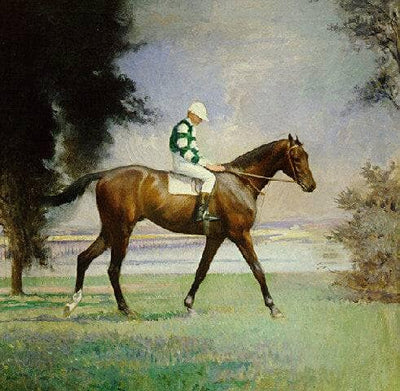 Vendor:Edmund Charles Tarbell
Thoroughbred with Jockey up
- Regular price
- From $350.00
- Sale price
- From $350.00
- Regular price
-
-
Napoleon Crossing the Alps at the St Bernard Pass, 20th May 1800

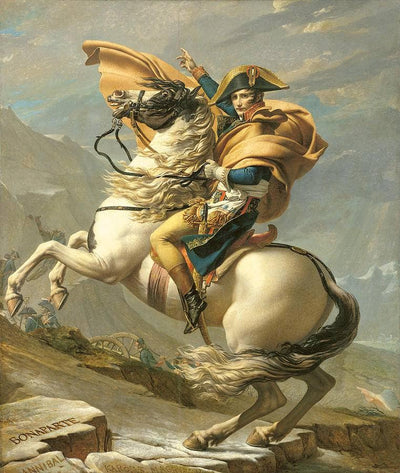 Vendor:Jacques-Louis David
Napoleon Crossing the Alps at the St Bernard Pass, 20th May 1800
- Regular price
- From $350.00
- Sale price
- From $350.00
- Regular price
-
-
Equestrian Portrait of Louis Xiv of France

 Vendor:Adam van der Meulen
Equestrian Portrait of Louis Xiv of France
- Regular price
- From $350.00
- Sale price
- From $350.00
- Regular price
-
-
St.George and the Dragon


 Vendor:Paolo Uccello
St.George and the Dragon
- Regular price
- From $350.00
- Sale price
- From $350.00
- Regular price
-
-
Whistlejacket

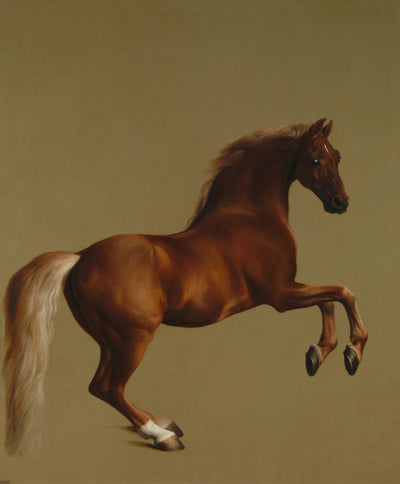 Vendor:George Stubbs
Whistlejacket
- Regular price
- From $350.00
- Sale price
- From $350.00
- Regular price
-
-
Equestrian Portrait of Philip IV


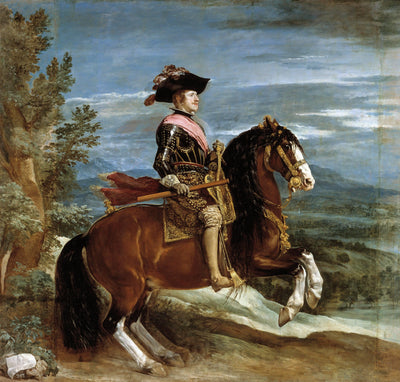 Vendor:Diego Velazquez
Equestrian Portrait of Philip IV
- Regular price
- From $350.00
- Sale price
- From $350.00
- Regular price
-
-
Paradise Landscape with the Animals Entering Noah's Ark

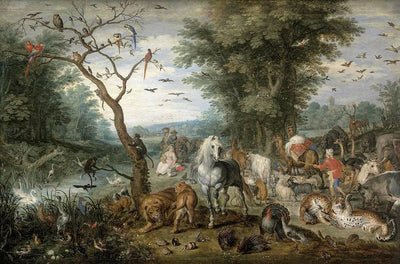 Vendor:Jan Brueghel the Elder
Paradise Landscape with the Animals Entering Noah's Ark
- Regular price
- From $350.00
- Sale price
- From $350.00
- Regular price
-
-
The Scapegoat


 Vendor:William Holman Hunt
The Scapegoat
- Regular price
- From $350.00
- Sale price
- From $350.00
- Regular price
-
-
Equestrian Portrait of the Duke of Lerma


 Vendor:Peter Paul Rubens
Equestrian Portrait of the Duke of Lerma
- Regular price
- From $350.00
- Sale price
- From $350.00
- Regular price
-
-
Equestrian Portrait of Don Gaspar de GuzmanCount Duke of Olivares

 Vendor:Diego Velazquez
Equestrian Portrait of Don Gaspar de GuzmanCount Duke of Olivares
- Regular price
- From $350.00
- Sale price
- From $350.00
- Regular price
-
-
Queen Isabel of Bourbon Equestrian

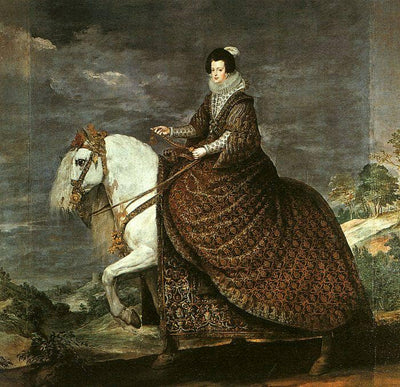 Vendor:Diego Velazquez
Queen Isabel of Bourbon Equestrian
- Regular price
- From $350.00
- Sale price
- From $350.00
- Regular price
-
-
An Equestrian Portrait of Napoleon with a Battle Beyond

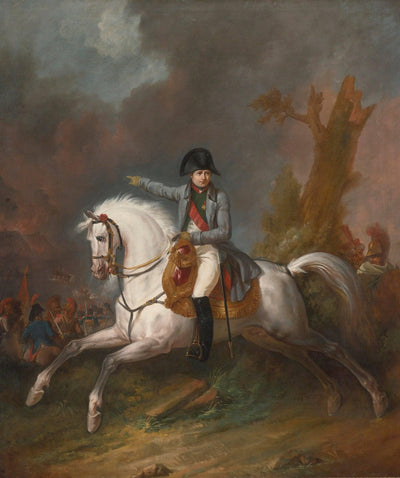 Vendor:Carle Vernet
An Equestrian Portrait of Napoleon with a Battle Beyond
- Regular price
- From $350.00
- Sale price
- From $350.00
- Regular price
-
-
Equestrian Portrait of Henri De La Tour D'auvergne, Vicomte De Turenne


 Vendor:Adam van der Meulen
Equestrian Portrait of Henri De La Tour D'auvergne, Vicomte De Turenne
- Regular price
- From $350.00
- Sale price
- From $350.00
- Regular price
-
-
Equestrian Portrait of Charles I, King of England

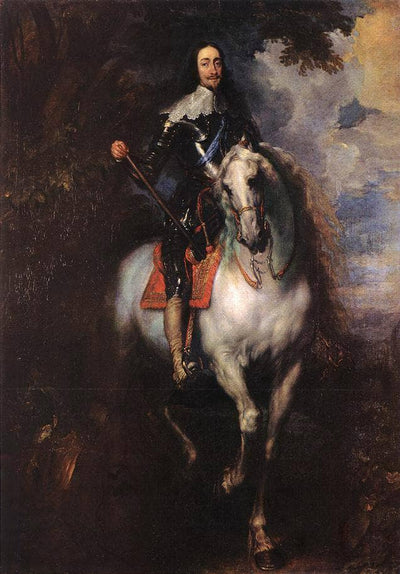 Vendor:Anthony van Dyck
Equestrian Portrait of Charles I, King of England
- Regular price
- From $350.00
- Sale price
- From $350.00
- Regular price
-
-
Equestrian portrait of Colonel Clary, commanding the 1st Hussard Regiment from 1813 to 1815


 Vendor:Horace Vernet
Equestrian portrait of Colonel Clary, commanding the 1st Hussard Regiment from 1813 to 1815
- Regular price
- From $350.00
- Sale price
- From $350.00
- Regular price
-
-
Equestrian Portrait of Stanislas Kostka Potocki


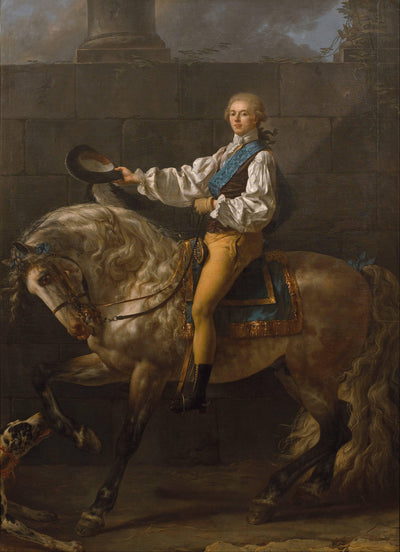 Vendor:Jacques-Louis David
Equestrian Portrait of Stanislas Kostka Potocki
- Regular price
- From $350.00
- Sale price
- From $350.00
- Regular price
-
-
Equestrian Portrait of Philip III

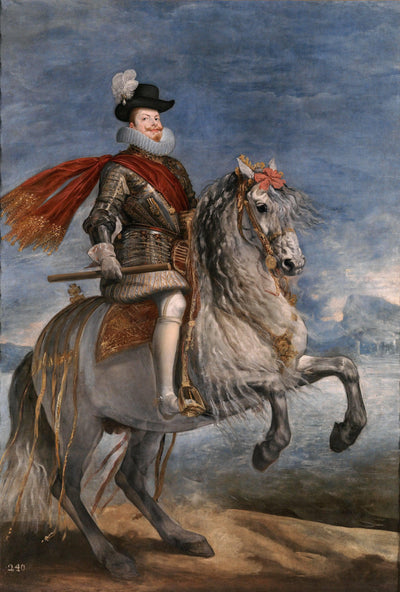 Vendor:Diego Velazquez
Equestrian Portrait of Philip III
- Regular price
- From $350.00
- Sale price
- From $350.00
- Regular price
-
-
The Blue Rider

 Vendor:Wassily Kandinsky
The Blue Rider
- Regular price
- From $350.00
- Sale price
- From $350.00
- Regular price
-
-
Portrait of Josias, Comte de Rantzau, Marechal de France, on horseback

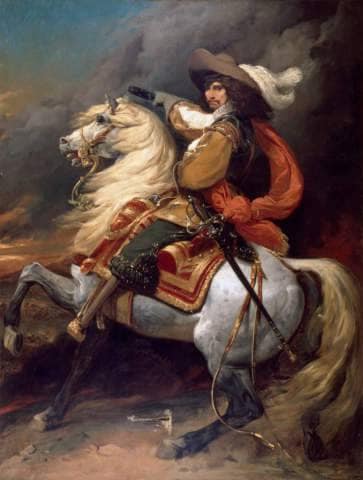 Vendor:Peder Severin Kroyer
Portrait of Josias, Comte de Rantzau, Marechal de France, on horseback
- Regular price
- From $350.00
- Sale price
- From $350.00
- Regular price
-
-
Zapatista's Marching

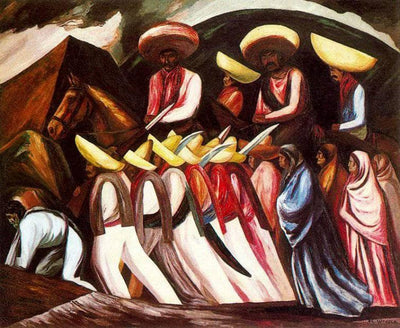 Vendor:Jose Clemente Orozco
Zapatista's Marching
- Regular price
- From $350.00
- Sale price
- From $350.00
- Regular price
-
-
Officer of the Chasseurs Charging on Horseback (Charging Hussar)

 Vendor:Théodore Géricault
Officer of the Chasseurs Charging on Horseback (Charging Hussar)
- Regular price
- From $350.00
- Sale price
- From $350.00
- Regular price
-
-
The Black Horse


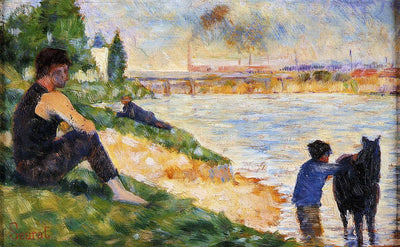 Vendor:Georges Seurat
The Black Horse
- Regular price
- From $350.00
- Sale price
- From $350.00
- Regular price
-
-
The Large Blue Horses

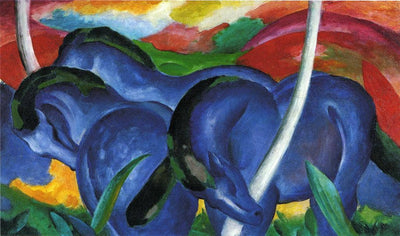 Vendor:Franz Marc
The Large Blue Horses
- Regular price
- From $350.00
- Sale price
- From $350.00
- Regular price
-
-
Cart with Black Ox

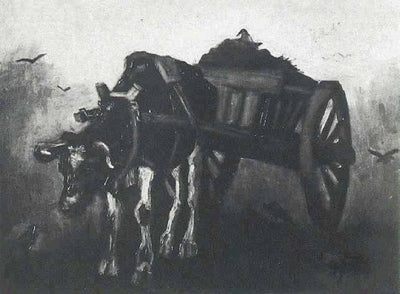 Vendor:Vincent van Gogh
Cart with Black Ox
- Regular price
- From $350.00
- Sale price
- From $350.00
- Regular price
-
-
St. George and the Dragon

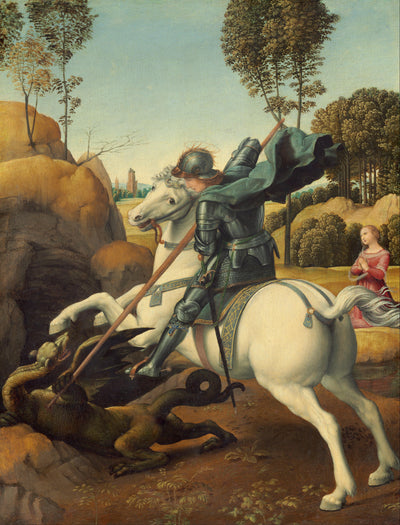 Vendor:Raphael
St. George and the Dragon
- Regular price
- From $350.00
- Sale price
- From $350.00
- Regular price
-
-
Arbiter of Peace

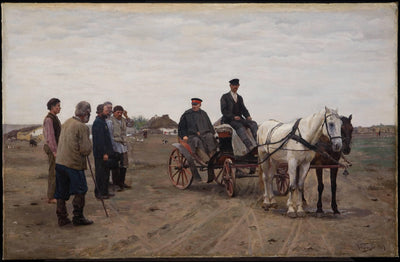 Vendor:Nikolai Kuznetsov
Arbiter of Peace
- Regular price
- From $350.00
- Sale price
- From $350.00
- Regular price
-
-
Great rider. Rigden Jyepo - Messenger of Shambhala

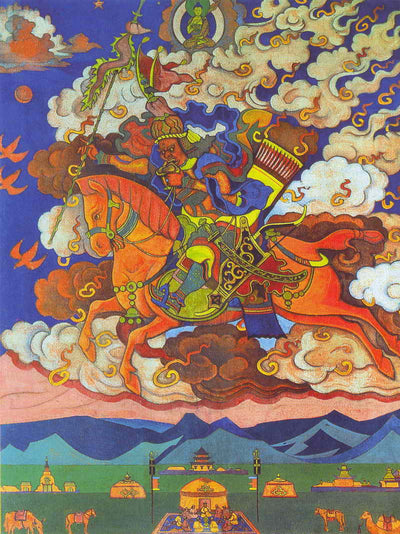 Vendor:Nicholas Roerich
Great rider. Rigden Jyepo - Messenger of Shambhala
- Regular price
- From $350.00
- Sale price
- From $350.00
- Regular price
-
-
Washing the Horse

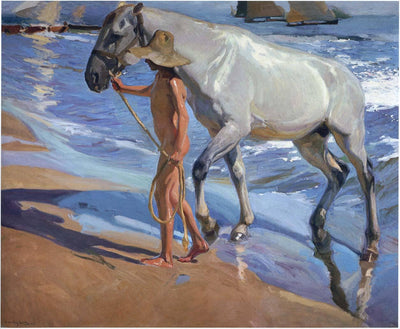 Vendor:Joaquín Sorolla
Washing the Horse
- Regular price
- From $350.00
- Sale price
- From $350.00
- Regular price
-
-
Rocky Mountain Goats

 Vendor:Albert Bierstadt
Rocky Mountain Goats
- Regular price
- From $350.00
- Sale price
- From $350.00
- Regular price
-
-
Houses at the Foot of a Cliff (Saint-Valery-sur-Somme)

 Vendor:Edgar Degas
Houses at the Foot of a Cliff (Saint-Valery-sur-Somme)
- Regular price
- From $350.00
- Sale price
- From $350.00
- Regular price
-
-
A Rocky Mountain Sheep, Ovis, Montana

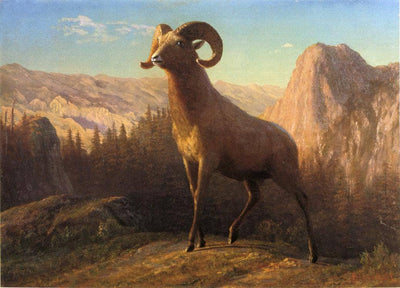 Vendor:Albert Bierstadt
A Rocky Mountain Sheep, Ovis, Montana
- Regular price
- From $299.95
- Sale price
- From $299.95
- Regular price
-
$350.95
-
Flatford Mill

 Vendor:John Constable
Flatford Mill
- Regular price
- From $350.00
- Sale price
- From $350.00
- Regular price
-
-
Charitable Samaritan (also known as The Good Samaritan)

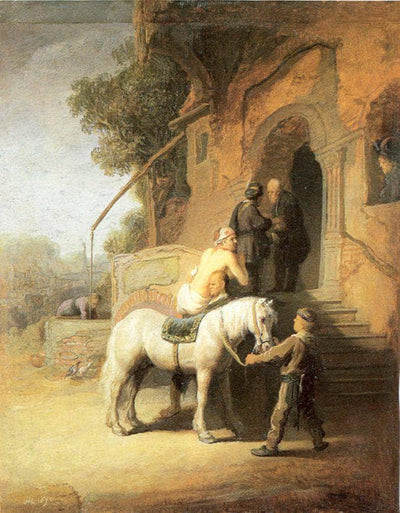 Vendor:Rembrandt
Charitable Samaritan (also known as The Good Samaritan)
- Regular price
- From $350.00
- Sale price
- From $350.00
- Regular price
-
-
Conversion on the Way to Damascus

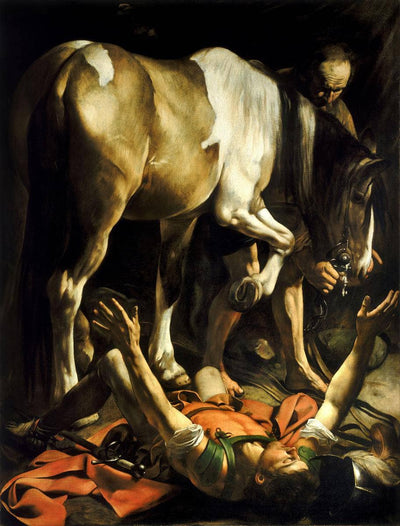 Vendor:Caravaggio
Conversion on the Way to Damascus
- Regular price
- From $350.00
- Sale price
- From $350.00
- Regular price
-
-
Dama a Caballo

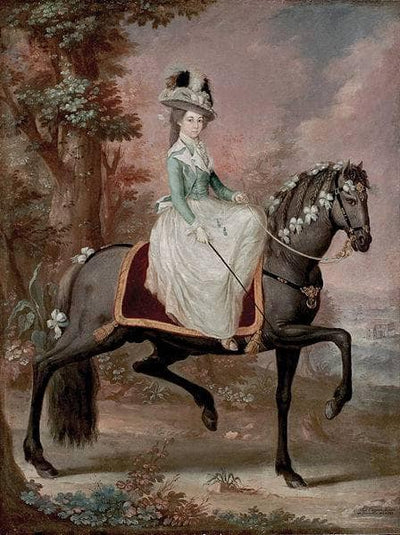 Vendor:José Campeche
Dama a Caballo
- Regular price
- From $350.00
- Sale price
- From $350.00
- Regular price
-
-
Evening of Kyiv bogatyrs

 Vendor:Nicholas Roerich
Evening of Kyiv bogatyrs
- Regular price
- From $350.00
- Sale price
- From $350.00
- Regular price
-
-
The White Horse

 Vendor:John Constable
The White Horse
- Regular price
- From $350.00
- Sale price
- From $350.00
- Regular price
-
-
Follow the Stream (central part)

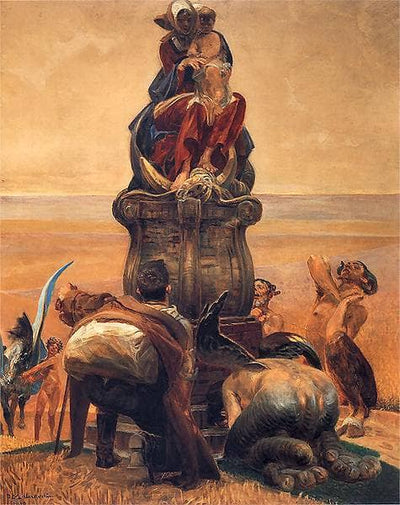 Vendor:Jacek Malczewski
Follow the Stream (central part)
- Regular price
- From $350.00
- Sale price
- From $350.00
- Regular price
-
-
At Nightfall

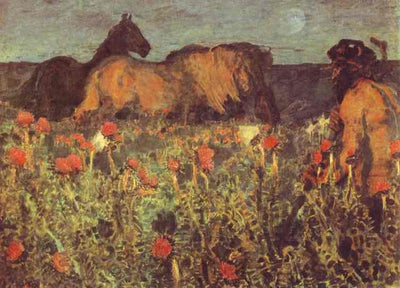 Vendor:Mikhail Vrubel
At Nightfall
- Regular price
- From $350.00
- Sale price
- From $350.00
- Regular price
-
-
Fireplace (Night)

 Vendor:Boris Kustodiev
Fireplace (Night)
- Regular price
- From $350.00
- Sale price
- From $350.00
- Regular price
-




Frequently Asked Questions
How much do Horse oil painting reproductions cost?
Our Horse oil painting reproductions start at $350.00. Prices vary by size: larger canvases and custom dimensions cost more. Every painting includes free worldwide shipping, and you approve photos of it before it ships.
What Horse paintings are available?
We carry 664+ Horse oil painting reproductions. Highlights include Napoleon crossing the Alps, Portrait of Georges Anthony, Thoroughbred with Jockey up, Napoleon Crossing the Alps at the St Bernard Pass, 20th May 1800, Deer. Every piece is hand-painted by professional artists on premium canvas.
Are these Horse prints or hand-painted reproductions?
Every Horse reproduction is 100% hand-painted by professional artists using premium oil paints on gallery-grade canvas. These are not prints, giclées, or digital reproductions. Each piece captures the original brushwork, texture, and color depth of the masterpiece.
What sizes are available for Horse painting reproductions?
Each Horse painting is available in multiple standard sizes, from small (16" × 20") to large museum-scale formats. Custom dimensions are available upon request. Contact us with your preferred size for a quote.
How long does it take to receive my painting?
Each painting is made to order. Production takes 2–3 weeks, plus 5–10 business days for worldwide shipping. Total delivery time is typically 3–5 weeks depending on your location. Shipping is free worldwide.
What is your return policy?
You approve photos of your finished painting before it ships, and revisions are free until you're happy. After delivery, our refund policy applies.
The horse as a subject in art
Specialist artists have always existed for this kind of work, and for most of European painting the horse was the specialty inside the specialty. There are two reasons. One is anatomy: the animal has a long neck, a deep chest and four legs that move in a sequence no artist could freeze before photography, so getting one right was a public demonstration of skill. The other is status. A horse was transport, war, agriculture and money, so the man who owned one wanted it in the picture, and it became the way a picture said rich without saying it.
That double role runs through this collection. Some of these works are equestrian portraits, where the rider is the subject and the horse is the throne. Others are equine studies, where the horse is the subject and the rider is furniture. The rest are battle and story scenes, where the horse supplies all the movement in the composition.
Famous horse paintings
These are the horse paintings people ask for by name, and each can be ordered as a hand-painted reproduction in oil.
- The Polish Rider by Rembrandt. Rembrandt was a Dutch Golden Age painter, printmaker and draughtsman, generally considered one of the greatest visual artists in the history of Western art, and his surviving output is estimated at about three hundred paintings, three hundred etchings and several hundred drawings.
- Officer of the Chasseurs Charging on Horseback, also known as the Charging Hussar, by Theodore Gericault, who made The Raft of the Medusa and pushed the subject harder than anyone in his French Romantic generation.
- St. George and the Dragon by Paolo Uccello, an early Renaissance picture in which the horse is drawn as a geometry problem.
- The Tower of Blue Horses and Blue Horse I by Franz Marc, the two most quoted pictures of the Blaue Reiter circle.
- The Blue Rider by Wassily Kandinsky, the early canvas that gave the circle its name. Kandinsky was associated during his life with Der Blaue Reiter, Expressionism and abstract painting, and he is generally credited as the pioneer of abstract art.
- A Knight At the Crossroads by Viktor Vasnetsov and Great Rider, Rigden Jyepo by Nicholas Roerich, two Russian riders at rest.
- Thoroughbred with Jockey up by Edmund Charles Tarbell, the one racing subject on this page.
- The Return of the Crusader by Karl Lessing and The Vision of Saint Hubert by Peter Paul Rubens.
- The Bridal Path, White Mountains and Rainy Day in Camp by Winslow Homer, two American subjects out in the weather.
- Dama a Caballo by Jose Campeche and Portrait of Georges Anthony by Pierre-Paul Prud'hon, two equestrian portraits.
- The Ploughman's Rest by William Shayer and Arbiter of Peace by Nikolai Kuznetsov, the working horse rather than the ceremonial one.
- Arion on a Sea Horse and Bacchante on a Panther by William-Adolphe Bouguereau, a mythological pair.
Horse painters in the store, by name
If you would rather browse by artist, these are the groups to open. The counts come from the store catalog.
- George Stubbs, 52 pieces. George Stubbs is the name most often searched alongside equine painting, and the Stubbs group here is the deepest one in the catalog for the subject.
- Rosa Bonheur, 6 pieces. Rosa Bonheur is the other name the subject is built on, and this group is small.
- Jean-Baptiste Oudry, 49 pieces, and Frans Snyders, 38 pieces, for the hunt and the stable.
- Franz Marc, 70 pieces, for color rather than anatomy.
- Thomas Gainsborough, 156 pieces, for English sitters who arrived on horseback.
Equestrian portraits and the ceremonial horse
The equestrian likeness is the oldest political image in Western art, and it survives because it works. Put a man on a horse, raise the viewpoint slightly, and he becomes a monument. Every ceremonial picture in this collection is doing that job, whether the sitter is a Polish rider, a French officer, a Puerto Rican lady on horseback or a Polish marshal on a mare called Kasztanka.
The convention has rules. The horse rears or walks; it never stands still, because a still horse makes the rider look posed. The head turns toward the viewer while the body turns away, which gives the picture depth. The light comes from the front and slightly above, so the chest and the near foreleg carry the highlight. Once you know the formula you can see it in a picture from 1450 and in one from 1900, and the pleasure of the genre is watching different hands solve the same problem, which is most of what art history consists of.
The horse in battle and story painting
History painting is a genre defined by its subject matter rather than by style or period. Pictures of that kind depict a moment in a narrative story, most often Greek and Roman mythology or Bible stories, as opposed to a specific and static subject like a portrait, a still life or a landscape. The term comes from the wider senses of historia in Latin and histoire in French, meaning story or narrative, so the term essentially means story painting, and most of these works are not scenes from history at all, especially those made before about 1850.
Horses are what make those stories move. In a battle scene the horse provides the diagonal, the movement and the noise; the men are vertical and static by comparison. Gericault's charging officer is the clearest case on this page, and The Return of the Crusader does the same job at walking pace. St. George and the Dragon belongs to the same family, since the rider, the lance and the animal form a single line pointing at the monster.
This is also where structure stops being decorative and becomes the whole difference between a good picture and a bad one. At full gallop a horse has all four feet off the ground at one point in the stride, which painters did not know for certain until photography proved it, and pre-photographic battle scenes show the legs in positions no horse ever adopts. That is not a mistake to correct in a reproduction. It is part of the record of the image, and the studio copies what the painter painted.
The modern horse: color over anatomy
By the twentieth century the argument had changed. Franz Marc kept the shape and threw away the natural color, and his tower of blue horses is not a study from life at all; it is an attempt at what a horse feels like. Kandinsky went further in The Blue Rider, where the beast is a few strokes and the whole picture is movement.
Edgar Degas belongs in this story too. Degas was a French Impressionist artist famous for his pastel drawings and oil paintings, and his racing and stable subjects sit exactly between the old anatomical tradition and the new interest in a body caught mid-action. If you want the horse as a modern image rather than a Georgian trophy, that is the line to follow.
Gericault, Delacroix and the Romantic horse
The French Romantics used the horse harder than anyone. Theodore Gericault, who lived from 1791 to 1824, was a French Romantic painter and lithographer, and his Raft of the Medusa of 1818 and 1819, completed when he was 27, has become an icon of French Romanticism. At 491 by 716 cm it is an over life-size painting, and he chose that large-scale uncommissioned work to launch his career, using a subject that had already generated widespread public interest. The same appetite for scale and drama drives the Charging Hussar: the horse is doing the shouting.
Eugene Delacroix belongs beside him. Delacroix was a French Romantic artist regarded as the leader of the French Romantic school, and between the two of them the animal stopped being a piece of furniture in a portrait and became the engine of the picture. That shift happened in France, in the first thirty years of the nineteenth century, and everything painted after it in this collection is downstream of it.
It is worth knowing how large those originals were, because the size of a reproduction is a decision you make and the size of the original was a decision the painter made. A canvas built at 491 by 716 cm was meant to overwhelm a room at the Salon. Nobody is asking you to hang that, but the composition was designed for distance, which is why the same picture at a small scale feels cramped and at a large scale feels correct.
Working horses, ploughs and the stable
Not every horse in art is a hero. Much of this page is ordinary labor: a plough team at rest, a cart in a lane, a stable in the morning. William Shayer's The Ploughman's Rest is the clearest example, and it is a useful corrective to the equestrian tradition, since for most of the last thousand years this was a machine that ate hay.
Those pictures behave differently on a wall. A ceremonial subject is vertical, frontal and formal; a working one is horizontal, seen from the side, and it sits comfortably in a kitchen or a hallway where a rearing officer would look absurd. The English artists were especially good at this, and Thomas Gainsborough's generation put the working beast into the landscape without turning it into a monument.
Horse racing arrived late as a subject and it is the one modern strand here: Thoroughbred with Jockey up is the single race subject on the page, and the race itself, with its jockeys, its silks and its crowds, is a nineteenth and twentieth century interest rather than an old one.
Scale, sculpture and the horse in three dimensions
The horse is the most sculpted creature in the world as well as the most painted, and the two traditions feed each other. Artists borrowed poses from equestrian bronzes, and sculptors borrowed the light and the modeling back, so the two sets of sculptures and canvases grew together. That is why a good horse painting often carries real weight, and it is why a flat or poorly modeled copy fails so obviously: the eye knows what half a ton of muscle looks like even when it has never met any.
Michelangelo, a sculptor, painter, architect and poet of the High Renaissance whose work was inspired by models from classical antiquity, is the connection most often drawn between the two disciplines, and the classical models he used included this animal. Amedeo Modigliani, who exhibited highly stylized sculptures before he settled into painting, is a much later example of the same crossing.
Periods and where to look
- Early Renaissance, where the animal is still being worked out as a geometric problem. Uccello's St. George is the example on this page.
- Baroque, where the hunt and the vision put horses into crowded, diagonal compositions. Rubens is the name, and the Snyders and Oudry groups in the catalog are full of it.
- Romanticism, which originated in Europe towards the end of the 18th century to advocate for subjectivity, imagination and the appreciation of nature in response to the Age of Enlightenment and the Industrial Revolution. This is the great age of the horse in painting, in France above all.
- Realism and the 19th century, where the working animal and the racehorse both arrive, and where the anatomy finally gets settled by photography.
- Post-Impressionism and the 20th century, where color replaces structure. Franz Marc is the clearest case, and the Blaue Reiter years in Germany are where the horse becomes a color problem rather than a life study.
Anatomy, George Stubbs and the science of the subject
George Stubbs is the name that comes up first in almost every search for this subject, and the reason is that he treated the subject as a scientific problem rather than a decorative one. The Stubbs group in this catalog runs to 52 pieces, which makes it the largest single body of work here for the subject, and it is the right place to start if what you want is structure rather than drama.
What changed with that generation was method. Before it, a painter learned the animal from other paintings, which is how errors were copied forward for three hundred years. After it, artists studied the skeleton and the muscle directly, and the difference shows up at once in the shoulder and the hindquarters. Many buyers who think they prefer a particular period are actually responding to this: they are responding to pictures made after the structure was understood.
The other consequence is that the subject became a specialism with a market. An artist who could do horses well could make a living entirely from owners, trainers and the military, in England, in France and later in the United States, and the race for commissions produced a great deal of very good painting and a great deal of repetition. A page like this contains both, and the names worth following are the ones who kept looking at the world instead of at their own earlier work.
Riders, knights and the horse in myth
A third of this page is not about horses at all, strictly speaking. It is about riders. The knight at the crossroads, the crusader coming home, the messenger on the road, Saint George with his lance: in each of those the horse is the vehicle for a story that would not work on foot. Viktor Vasnetsov and Nicholas Roerich both built whole careers on that idea in Russia, and the pictures have a stillness the Western battle scenes never manage, because the rider has stopped rather than charged.
Mythology adds the rest. Arion on a sea horse, Bacchante on a panther, centaurs, winged horses: the classical world is full of hybrid creatures and European painting inherited all of them. Bouguereau's pair is the clearest case in this catalog, and it is a reminder that this was never purely observational work. Half of it was invented from the start.
If you want the story rather than the anatomy, look for a single rider in a landscape. Those pictures hang more easily than crowds, they read from any distance, and they do not date the way a military uniform does.
Choosing a horse painting for a room
Three questions settle it most of the time. Is the picture vertical or horizontal? A rearing ceremonial subject needs height and looks wrong over a sofa; a plough team or a stable scene wants width and looks right there. Is the ground dark or light? Nineteenth century military scenes are often built on a dark smoky ground, the color of a world lit by powder, and they need a warm lamp; the English landscape subjects are pale and want daylight.
And how close will people stand? A head study or a single figure rewards being seen from a meter away, where you can read the coat. A battle scene or a hunt needs three or four meters, because the whole point is the mass of movement, and at close range it becomes a puzzle of limbs. Many people get this wrong and buy the busiest picture on the page for the smallest wall in the house.
Once you have an answer to those three, the period takes care of itself, and you can spend your time on the thing that actually matters, which is whether the horse in question is one you want to look at every day.
What to look for in a horse painting reproduction
Three places give away a weak copy. Start with the head: the distance from eye to muzzle and the angle of the jaw are what make a horse look like a horse, and a copyist who gets the color right and the head wrong has failed. Then the legs and their joints, because a hock and a knee bend in opposite directions and an error there is visible from across a room. Then the coat, which in a good painting is not brown but a dozen colors laid wet into wet, with the light broken along the barrel of the body.
When the approval photo arrives, look at the eye and the near foreleg at full zoom. If those two are right, the rest will be right. That single check has saved more orders on this subject than any other.
How a horse reproduction is made
A studio artist works from the museum image in oil, building the shape in the order the original was built: the mass first, then the modeling of the muscle, then the coat and the highlights. Nothing is printed and nothing is transferred. Seven sizes are available with an optional frame, and you approve a photo of the finished canvas before it ships. Free worldwide shipping and 90-day returns apply. Equestrian works and battle scenes are the two subjects where buyers most often go up a size, because a horse at a small scale reads as a pony.
Where the horse sits among the other creatures
It is worth putting the subject in proportion. Within the wider field the horse takes roughly the same place the portrait takes in figure painting: it is the prestige format, the one with the most conventions and the most money attached, and the one everything else is measured against. Dogs come second, usually inside a portrait. Cattle, sheep, birds and game come third, usually inside a landscape or a still life, and that ranking held for centuries.
That hierarchy held across Europe for centuries and it explains the shape of this catalog. There are 700 pieces on this page and 1,819 in the wider group, which means this one subject accounts for more than a third of that whole group. No other creature comes close, in this catalog or in the world of nineteenth century painting that produced most of it.
A last point on provenance and versions, since it affects what you order. Several of the most requested pictures on this page exist in more than one version by the same hand, because a successful commission was often repeated for a second client. That is ordinary practice in this trade and it means a title alone does not always identify a single object. If the exact version matters to you, send the museum with your order and it can be matched before any paint is mixed.
Browse related collections
The horse sits inside the wider animal and history groups.
- Equine art by tag for the narrower group.
- Beasts and birds in oil for every other creature in the catalog.
- Battle scenes for the military subject.
- Mythological subjects for Arion, centaurs and winged horses.
- Romantic reproductions for Gericault's generation.
Frequently asked questions
What is an equestrian portrait? A likeness in which the sitter is shown on horseback. The rider is the subject, the animal carries the status, and the convention has been in continuous use in European painting for more than five hundred years.
What is the difference between an equine study and a horse portrait? An equine study treats the horse itself as the subject, often with no rider and sometimes with no background. A horse portrait shows a named individual, which was common among racing owners and a real trade in its own time. A specialist in this field works on the portrayal of horses and other beasts, and many of these names worked in both modes.
Are these prints? No. Every piece is an original oil on canvas painted by hand by a studio artist, in seven sizes, with an optional frame and a photo of the finished work for your approval before it ships.
If you are choosing a horse picture for a particular room, read what to check before buying one online. It covers sizing and framing questions that are easier to settle before an order than after the paint is dry. For a closer look at the craft itself, the techniques painters use on horses are explained with examples you can compare against the works on this page.
Horses turn up across every period in this catalog, from Uccello's knight and dragon to Gericault's charging officer. If you would like a picture that guests recognize the moment they walk in, compare these with our list of the hundred paintings everyone knows and see which of them put a horse at the center of the canvas.
We’ll Paint Any Image You Want
Just send us a photo or the painting name and our artists will hand-paint it for you.