4.9/5
4.9/5






SAMPLES OF QUALITY
Recent Hand-Painted Reproductions
Discover some of our latest oil paintings, each one carefully hand-painted on canvas.

AS SEEN IN






by Claude Monet
Handmade Oil Painting on Canvas Art Reproduction, Museum-quality

The six dominant colors measured from the painting, with the share of canvas each one covers. Click a swatch to copy its hex code.
Processing & Shipping Time
Your delivery time includes two parts:
Shipping Methods
We ship with trusted couriers like FedEx, UPS, and DHL. Every shipment includes a tracking code.
Our goal is to deliver your order safely and quickly.
Shipment Safety Measures
We handle your products with care so they arrive in perfect condition:
Every product is insured and delivered right to your door, so you can feel confident buying from us.
Every Art & See painting is created by artists with 15+ years of experience using professional-grade oil paints and premium linen canvas with UV-resistant protective coating, the same museum-grade materials used in galleries worldwide. Each piece goes through quality review before your approval photos are taken. If after delivery you have any concerns about your painting, contact us at [email protected] and our team will work with you on the best path forward.
Full Warranty
Every painting is protected against physical damage during shipping. If your painting arrives damaged, we repair or replace it, free of charge.
Coverage Details
Transit damage (crushed, torn, water damage): we repair or replace at no cost. Please note that damages resulting from accidents or inappropriate use are not covered under this warranty.
Repair or Replace
Depending on the extent of damage, the affected painting will either be repaired or replaced at no additional cost to you.
Free Service
All warranty services are provided absolutely free of charge.
We want you to absolutely love your handmade artwork. Here's how it works:
In the rare case you approve the photos and the artwork has been shipped and delivered to you, and you still want additional modification requests, we can handle it as a courtesy at our discretion. If accepted, you cover the return shipping cost.
| Type | Hand-Painted Oil Painting Reproduction |
| Original Artist | Claude Monet |
| Price Range | $350 to $1,150 |
| Shipping | Free Worldwide |
| Returns | 90-Day Returns |
| Medium | Oil on Canvas |
| Canvas | Museum-Grade Linen Canvas |
| Technique | Hand-painted brushstroke-by-brushstroke |
| Art Style | Impressionism |
| Period | 19th Century |
| Artist Nationality | French |
| Orientation | Horizontal |
| Subject | Landscapes, Landscapes rock, Landscapes rock subject, Landscapes sea, Nautical, Seascapes |
| Available Sizes | 7 (20'' W × 16'' H to 66'' W × 53'' H, including the original size), plus custom sizes |
| Framing Options | Unframed, Stretched Canvas, Classic & Modern Frames |
| Delivery | 14–28 business days |
| Size | 81 × 65 cm (32 × 25.5 in) |
| Year | 1886 |
| Collection | Kreeger Museum, Washington, D.C. |
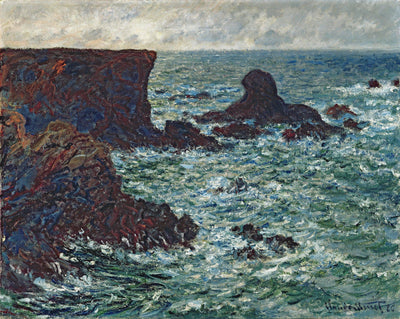
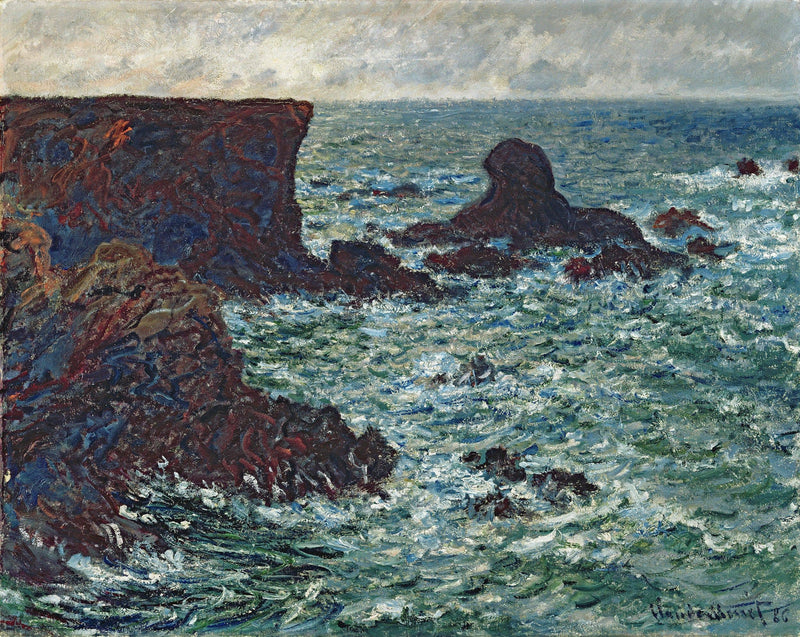
Rocks at Port Coton captures the breathtaking scenery of Belle-Île-en-Mer, a stunning island off the coast of Brittany, France. The painting showcases the dramatic cliffs that rise sharply from the turbulent Atlantic Ocean. Monet's brushstrokes convey the raw power of nature, as waves crash against the rocky formations, creating a sense of movement and energy. This coastal wonderland is not just a visual feast; it invites viewers to experience the wild beauty of the sea.
Belle-Île-en-Mer is renowned for its unique geological features, including its rugged cliffs and striking rock formations. The island's landscape is shaped by centuries of erosion, resulting in dramatic coastal vistas. Monet's depiction of these geological wonders highlights the interplay between land and sea, emphasizing the natural beauty that inspired many artists of his time.
Claude Monet, a leading figure in the Impressionist movement, was born in Paris in 1840. His passion for painting blossomed during his travels, particularly in the picturesque landscapes of France. Monet's artistic journey was marked by a desire to capture the fleeting effects of light and color in nature. His time spent in Belle-Île-en-Mer profoundly influenced his work, leading to the creation of iconic pieces like Rocks at Port Coton.
Monet's innovative techniques set him apart from his contemporaries. He used loose brushwork and a vibrant color palette to convey the essence of a moment. In Rocks at Port Coton, he expertly captures the shimmering blues and greens of the ocean, reflecting the changing light and atmosphere. This approach allows viewers to feel the energy of the scene, making it a hallmark of Impressionism.
The color palette of Rocks at Port Coton is a striking blend of vibrant blues, deep greens, and soft whites. These colors evoke the essence of the sea and sky, creating a harmonious balance. Monet's use of color not only captures the beauty of the landscape but also conveys the emotional depth of the scene, inviting viewers to immerse themselves in the coastal experience.
Monet's dynamic brushwork is a defining feature of Rocks at Port Coton. He employed short, quick strokes to depict the movement of the waves and the texture of the rocks. This technique creates a sense of immediacy and vitality, making the viewer feel as if they are witnessing the scene in real-time. The energy of the brushwork mirrors the tumultuous nature of the ocean.
The composition of Rocks at Port Coton is masterfully balanced. Monet places the towering rocks prominently in the foreground, drawing the viewer's eye. The expansive sky and crashing waves create a sense of depth and perspective. This thoughtful arrangement highlights the majesty of nature while showcasing Monet's artistic intent to capture its beauty.
Monet visited Belle-Île-en-Mer in the late 1880s, drawn by its stunning landscapes and vibrant light. His time on the island inspired a series of paintings that reflect his fascination with the coastal environment. Rocks at Port Coton is one of the most celebrated works from this period, showcasing the profound impact of his travels on his artistic vision.
Impressionism emerged in the late 19th century as a revolutionary movement that challenged traditional artistic conventions. Artists like Monet sought to capture the fleeting moments of everyday life, emphasizing light, color, and movement. Rocks at Port Coton exemplifies this approach, as it invites viewers to experience the beauty of nature in a new and dynamic way.
Rocks at Port Coton explores the relationship between man and nature. The powerful cliffs and crashing waves symbolize the strength of the natural world, while the absence of human figures suggests a sense of solitude and introspection. This theme resonates with viewers, prompting reflection on humanity's place within the vastness of nature.
The ever-changing seascape depicted in Rocks at Port Coton reflects the theme of transience. Monet captures a moment in time, yet the scene is alive with movement and change. This idea of impermanence is central to Impressionism, reminding viewers that nature is in constant flux, much like our own experiences.
To experience the beauty of Rocks at Port Coton in person, visit renowned museums such as the Musée d'Orsay in Paris. This museum houses an impressive collection of Monet's works, allowing art lovers to appreciate the intricacies of his brushwork and color choices up close. Viewing the original painting offers a unique opportunity to connect with Monet's artistic vision.
Standing before Rocks at Port Coton evokes a powerful emotional response. The vibrant colors and dynamic brushwork create a sense of awe and wonder. Viewers often feel transported to the coastal landscape, experiencing the energy of the waves and the beauty of the cliffs. This emotional impact is a testament to Monet's ability to connect with his audience through art.
Monet was inspired by the breathtaking landscapes of Belle-Île-en-Mer, particularly the dramatic cliffs and turbulent seas. His desire to capture the beauty of nature in its raw form motivated him to create this masterpiece.
Monet employed loose brushwork and a vibrant color palette to convey the effects of light and movement. His technique allowed him to capture the dynamic nature of the ocean and the rugged cliffs.
This painting exemplifies Impressionism through its focus on light, color, and the fleeting moments of nature. Monet's innovative approach to capturing the essence of a scene is a hallmark of the movement.
The vibrant blues and greens in Rocks at Port Coton evoke the beauty of the ocean and sky. These colors create a sense of harmony and reflect the emotional depth of the scene, inviting viewers to connect with nature.
For more information about Rocks at Port Coton, visit art history websites, museum collections, or books dedicated to Monet's work. These resources provide valuable insights into the painting's history and significance.
To ensure a high-quality reproduction, choose a reputable art reproduction company that specializes in oil paintings. Look for reproductions that use premium materials and techniques to closely mimic the original's texture and color.
When displaying a reproduction of Rocks at Port Coton, consider the lighting and placement. Natural light can enhance the colors, while a well-chosen frame can complement the artwork. Position it in a space where it can be appreciated and admired.

Discover some of our latest oil paintings, each one carefully hand-painted on canvas.
At Art & See, we're committed to delivering the highest quality art reproductions. Our team of expert artists and state-of-the-art processes ensure that each piece is a masterpiece in its own right.

Experience your masterpiece's creation through daily photos from our expert artists, each with 15+ years of experience.

Your artwork travels first class via UPS, FedEx, or DHL, protected by museum-grade packaging for safe delivery.

Review unedited photos of your finished painting and request unlimited free revisions before it ships. We only ship when you say it's perfect.

Every piece is crafted with archival materials, UV-resistant finishes, and premium British paints to last generations.
Yes, 100% hand-painted with oil on canvas by artists with 15+ years of experience. No prints, no digital shortcuts. You'll see and feel real brushstrokes, just like the original Claude Monet masterpiece.
Your Rocks at Port Coton, the Lion Rock reproduction takes 2–5 weeks to hand-paint depending on size and detail. Once approved, shipping takes 5–8 days via FedEx, UPS, or DHL with full tracking. Free worldwide shipping included.
Absolutely. Once your Rocks at Port Coton, the Lion Rock is complete, we send you unedited photos, a full view and close-up details. Request unlimited free revisions until you're 100% satisfied. We don't ship until you say "yes."
Every painting goes through our Preview & Approve process: you receive unedited photos of your finished Claude Monet reproduction and can request unlimited free revisions before it ships. We only ship when you say it's perfect. If after delivery you have any concerns, contact us at [email protected] and our team will work with you on the best path forward.
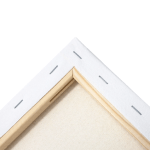
Professional-grade oil paints (Windsor & Newton) on premium linen canvas with UV-resistant protective coating. Museum-grade materials built to last generations, the same quality used in galleries worldwide.
Our artists specialize in Claude Monet's technique: color accuracy, brushwork, and composition are matched to the original. Every reproduction goes through quality review before your approval photos are taken.
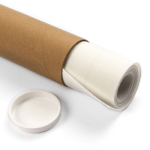
Every painting is insured and delivered door-to-door. Unframed paintings ship in protective hard tubes. Framed paintings are bubble-wrapped in sturdy boxes. If anything arrives damaged, we repair or replace it free.
Dive into the vibrant world of Historic Art. Discover your next painting today.