4.9/5
4.9/5



SAMPLES OF QUALITY
Recent Hand-Painted Reproductions
Discover some of our latest oil paintings, each one carefully hand-painted on canvas.

AS SEEN IN






by Paul Cezanne
Handmade Oil Painting on Canvas Art Reproduction, Museum-quality

The six dominant colors measured from the painting, with the share of canvas each one covers. Click a swatch to copy its hex code.
Processing & Shipping Time
Your delivery time includes two parts:
Shipping Methods
We ship with trusted couriers like FedEx, UPS, and DHL. Every shipment includes a tracking code.
Our goal is to deliver your order safely and quickly.
Shipment Safety Measures
We handle your products with care so they arrive in perfect condition:
Every product is insured and delivered right to your door, so you can feel confident buying from us.
Every Art & See painting is created by artists with 15+ years of experience using professional-grade oil paints and premium linen canvas with UV-resistant protective coating, the same museum-grade materials used in galleries worldwide. Each piece goes through quality review before your approval photos are taken. If after delivery you have any concerns about your painting, contact us at [email protected] and our team will work with you on the best path forward.
Full Warranty
Every painting is protected against physical damage during shipping. If your painting arrives damaged, we repair or replace it, free of charge.
Coverage Details
Transit damage (crushed, torn, water damage): we repair or replace at no cost. Please note that damages resulting from accidents or inappropriate use are not covered under this warranty.
Repair or Replace
Depending on the extent of damage, the affected painting will either be repaired or replaced at no additional cost to you.
Free Service
All warranty services are provided absolutely free of charge.
We want you to absolutely love your handmade artwork. Here's how it works:
In the rare case you approve the photos and the artwork has been shipped and delivered to you, and you still want additional modification requests, we can handle it as a courtesy at our discretion. If accepted, you cover the return shipping cost.
| Type | Hand-Painted Oil Painting Reproduction |
| Original Artist | Paul Cezanne |
| Price Range | $350 to $1,150 |
| Shipping | Free Worldwide |
| Returns | 90-Day Returns |
| Medium | Oil on Canvas |
| Canvas | Museum-Grade Linen Canvas |
| Technique | Hand-painted brushstroke-by-brushstroke |
| Art Style | Post Impressionism |
| Period | 19th Century |
| Artist Nationality | French |
| Orientation | Vertical |
| Subject | Botanicals, Botanicals flower, Photography, Still life, Still life flower |
| Available Sizes | 7 (14'' W × 24'' H to 45'' W × 77'' H, including the original size), plus custom sizes |
| Framing Options | Unframed, Stretched Canvas, Classic & Modern Frames |
| Delivery | 14–28 business days |
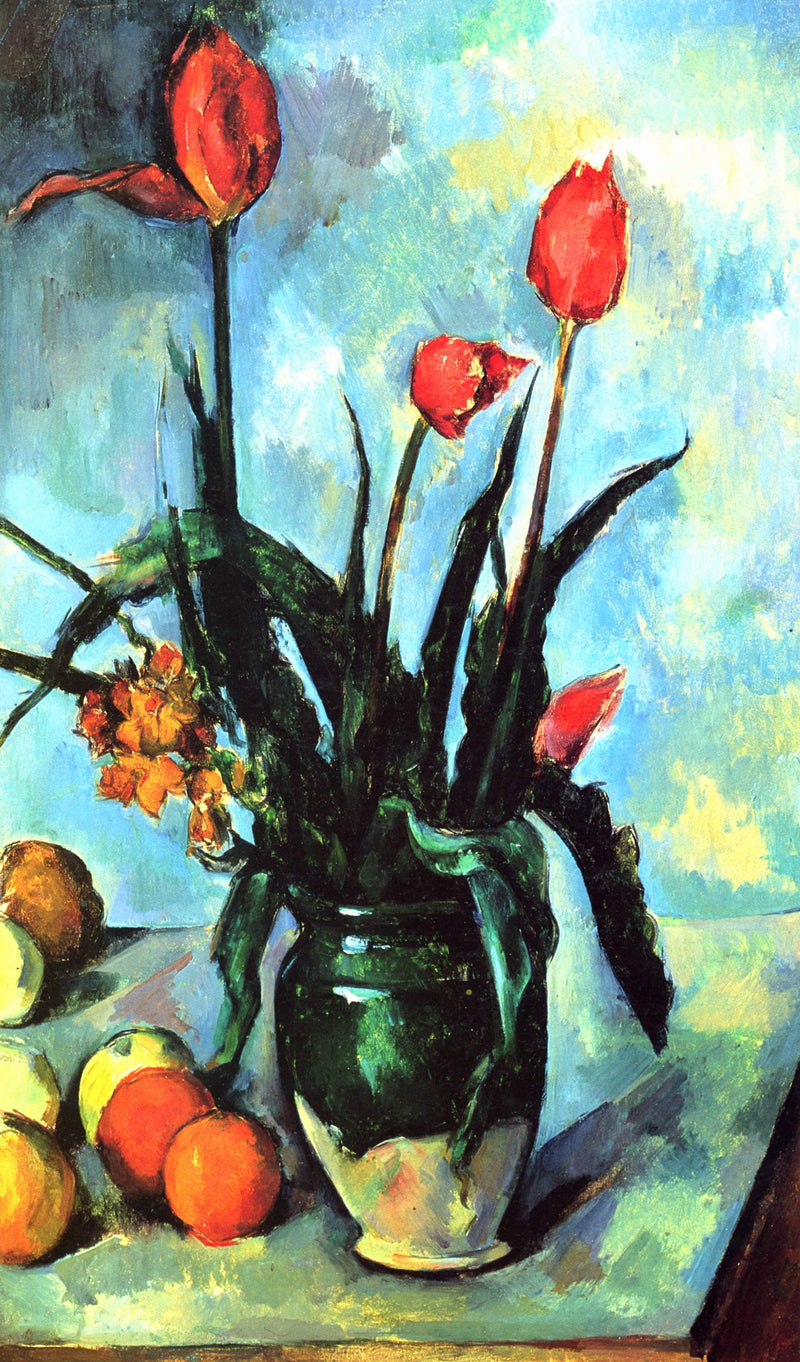
Paul Cézanne's "Tulips in a Vase" stands as a remarkable example of still life painting, showcasing the artist's innovative approach to color and form. This artwork not only highlights the beauty of tulips but also reflects the evolution of floral art in the late 19th century. The painting captures a moment in time, inviting viewers to appreciate the delicate balance between nature and artistic expression.
Often hailed as the father of modern art, Paul Cézanne played a crucial role in bridging Impressionism and the emerging Post-Impressionist movement. His unique vision transformed traditional painting techniques, allowing him to explore new dimensions of color and perspective. "Tulips in a Vase" exemplifies his mastery, as he skillfully blends realism with abstraction, creating a timeless piece that continues to inspire artists today.
The color palette of "Tulips in a Vase" is a vibrant symphony of reds, yellows, and greens, showcasing Cézanne's ability to evoke emotion through color. The bold reds of the tulips contrast beautifully with the soft greens of the leaves, creating a dynamic visual experience. This interplay of colors not only captures the essence of the flowers but also reflects the artist's deep understanding of color theory.
Cézanne's composition in "Tulips in a Vase" is both balanced and dynamic. The flowers are arranged in a way that draws the viewer's eye across the canvas, creating a sense of movement. The vase, positioned slightly off-center, adds an element of intrigue, inviting viewers to explore the surrounding space. This thoughtful arrangement highlights Cézanne's innovative approach to still life, where every element plays a vital role in the overall harmony of the piece.
One of the standout features of "Tulips in a Vase" is Cézanne's distinctive brushwork. He employed impasto techniques, applying thick layers of paint to create texture and depth. This method not only adds a tactile quality to the painting but also enhances the vibrancy of the colors. The layering of paint allows light to interact with the surface, giving the flowers a lifelike presence that captivates viewers.
Tulips have long been associated with love and beauty, making them a powerful symbol in art. In "Tulips in a Vase," Cézanne captures the essence of these flowers, inviting viewers to reflect on their deeper meanings. The vibrant colors of the tulips may represent passion and vitality, while their delicate nature serves as a reminder of life's fleeting beauty.
Still life paintings often explore themes of mortality and the passage of time. "Tulips in a Vase" is no exception, as the vibrant flowers remind us of the beauty of life, while also hinting at its transience. Cézanne's choice of subject matter encourages viewers to contemplate the relationship between nature and human existence, making this piece a profound reflection on life and death.
Cézanne's deep appreciation for nature is evident in "Tulips in a Vase." The painting serves as a celebration of the natural world, showcasing the beauty and complexity of flowers. Through his careful observation and artistic interpretation, Cézanne invites viewers to connect with nature on a deeper level, fostering a sense of appreciation for the simple yet profound elements of life.
Cézanne's work in "Tulips in a Vase" reflects his departure from traditional painting techniques. He moved away from the precise details of earlier styles, embracing a more expressive approach. This shift allowed him to capture the essence of his subjects, focusing on the interplay of light, color, and form rather than mere representation.
In "Tulips in a Vase," Cézanne masterfully captures light and shadow, creating a sense of depth and dimension. His innovative use of color to depict light sources adds a new layer of realism to the painting. This technique not only enhances the visual appeal but also reflects the changing nature of light in the natural world.
The influence of Impressionism is evident in Cézanne's floral compositions, including "Tulips in a Vase." He adopted the Impressionist focus on capturing fleeting moments, using loose brushwork and vibrant colors to convey the beauty of the flowers. This approach allowed him to create a sense of immediacy, inviting viewers to experience the painting as if they were witnessing the flowers in real time.
Cézanne's technique of layering colors in "Tulips in a Vase" creates a rich depth that draws viewers in. By applying multiple layers of paint, he achieves a luminosity that makes the flowers appear almost three-dimensional. This innovative approach sets Cézanne apart from his contemporaries, showcasing his unique artistic vision.
The use of perspective in "Tulips in a Vase" adds a sense of dimension to the composition. Cézanne skillfully manipulates the viewer's perception, creating an illusion of space that enhances the overall impact of the painting. This technique not only showcases his mastery of form but also invites viewers to engage with the artwork on a deeper level.
The physicality of "Tulips in a Vase" is evident in its texture and form. Cézanne's bold brushstrokes create a tactile quality that invites viewers to explore the surface of the painting. This emphasis on texture adds a layer of complexity, allowing the viewer to experience the artwork in a more visceral way.
When compared to other floral still lifes of the late 19th century, "Tulips in a Vase" stands out for its innovative approach. While many artists focused on realism, Cézanne's work embraces abstraction, allowing for a more expressive interpretation of the subject. This contrast highlights his unique position in the art world and his influence on future generations of artists.
"Tulips in a Vase" shares similarities with Cézanne's other still life paintings, particularly in its use of color and composition. His signature style, characterized by bold colors and dynamic arrangements, is evident in this work. This consistency across his oeuvre reinforces Cézanne's identity as a master of still life, showcasing his ability to transform ordinary subjects into extraordinary art.
Cézanne's "Tulips in a Vase" has left a lasting impact on the world of art, influencing countless artists who followed. His innovative techniques and unique perspective on floral compositions paved the way for future movements, including Fauvism and Cubism. The legacy of this painting continues to inspire artists to explore the beauty of nature through their own creative lenses.
Viewing "Tulips in a Vase" evokes a sense of tranquility and appreciation for the beauty of nature. The vibrant colors and dynamic composition create an emotional connection, inviting viewers to reflect on their own experiences with flowers and the natural world. This emotional resonance is a testament to Cézanne's ability to capture the essence of life through art.
To fully appreciate "Tulips in a Vase," take the time to observe the intricate details of the painting. Notice the variations in color and texture, and consider how Cézanne's brushwork contributes to the overall composition. Allow yourself to be drawn into the painting, experiencing the beauty of the flowers as if they were in front of you.
"Tulips in a Vase" serves as a powerful reminder of the connection between art and nature. By immersing yourself in this painting, you can foster a deeper appreciation for the beauty of flowers and the natural world. Cézanne's work encourages viewers to find joy in the simple pleasures of life, making it a timeless piece that resonates with audiences across generations.
"Tulips in a Vase" was created during a time of artistic revolution in the late 19th century. Cézanne was at the forefront of this movement, challenging traditional artistic conventions and paving the way for modern art.
Cézanne employed techniques such as impasto, layering, and innovative brushwork to create texture and depth in "Tulips in a Vase." His unique approach to color and composition sets this painting apart from others of its time.
The main themes in "Tulips in a Vase" include the beauty of nature, the passage of time, and the symbolism of flowers. Cézanne's work invites viewers to reflect on the deeper meanings behind the vibrant tulips.
Compared to other still life paintings, "Tulips in a Vase" stands out for its expressive use of color and innovative composition. Cézanne's departure from realism allows for a more abstract interpretation of the subject, making it a unique contribution to the genre.
Viewers often experience feelings of tranquility, joy, and appreciation for nature when viewing "Tulips in a Vase." The vibrant colors and dynamic composition create an emotional connection that resonates deeply.
When reproducing Cézanne's work, it's important to focus on capturing the texture, color, and brushwork that define his style. High-quality painting reproductions offer a more authentic experience than prints, allowing you to appreciate the depth and vibrancy of the original artwork.
To display a reproduction of "Tulips in a Vase," consider framing it in a way that complements your decor. Hang it in a well-lit area to highlight the colors and details, creating a focal point that invites conversation and admiration.

Discover some of our latest oil paintings, each one carefully hand-painted on canvas.
At Art & See, we're committed to delivering the highest quality art reproductions. Our team of expert artists and state-of-the-art processes ensure that each piece is a masterpiece in its own right.

Experience your masterpiece's creation through daily photos from our expert artists, each with 15+ years of experience.

Your artwork travels first class via UPS, FedEx, or DHL, protected by museum-grade packaging for safe delivery.

Review unedited photos of your finished painting and request unlimited free revisions before it ships. We only ship when you say it's perfect.

Every piece is crafted with archival materials, UV-resistant finishes, and premium British paints to last generations.

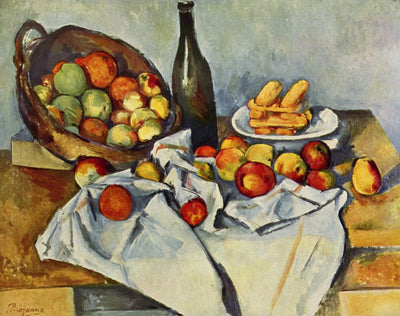
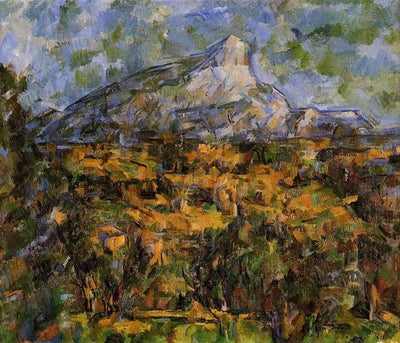

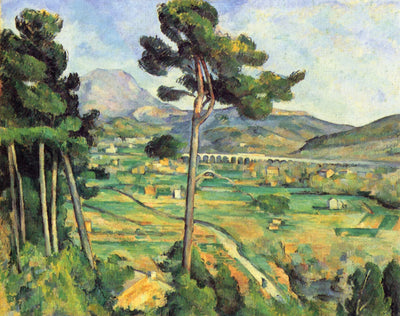
Yes, 100% hand-painted with oil on canvas by artists with 15+ years of experience. No prints, no digital shortcuts. You'll see and feel real brushstrokes, just like the original Paul Cezanne masterpiece.
Your Tulips in a Vase reproduction takes 2–5 weeks to hand-paint depending on size and detail. Once approved, shipping takes 5–8 days via FedEx, UPS, or DHL with full tracking. Free worldwide shipping included.
Absolutely. Once your Tulips in a Vase is complete, we send you unedited photos, a full view and close-up details. Request unlimited free revisions until you're 100% satisfied. We don't ship until you say "yes."
Every painting goes through our Preview & Approve process: you receive unedited photos of your finished Paul Cezanne reproduction and can request unlimited free revisions before it ships. We only ship when you say it's perfect. If after delivery you have any concerns, contact us at [email protected] and our team will work with you on the best path forward.
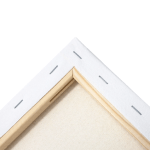
Professional-grade oil paints (Windsor & Newton) on premium linen canvas with UV-resistant protective coating. Museum-grade materials built to last generations, the same quality used in galleries worldwide.
Our artists specialize in Paul Cezanne's technique: color accuracy, brushwork, and composition are matched to the original. Every reproduction goes through quality review before your approval photos are taken.
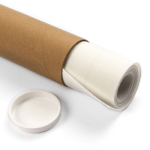
Every painting is insured and delivered door-to-door. Unframed paintings ship in protective hard tubes. Framed paintings are bubble-wrapped in sturdy boxes. If anything arrives damaged, we repair or replace it free.
Dive into the vibrant world of Historic Art. Discover your next painting today.