4.9/5




SAMPLES OF QUALITY
Recent Hand-Painted Reproductions
Discover some of our latest oil paintings, each one carefully hand-painted on canvas.


AS SEEN IN


Handmade Oil Painting on Canvas Art Reproduction, Museum-quality

The six dominant colors measured from the painting, with the share of canvas each one covers. Click a swatch to copy its hex code.
Processing & Shipping Time
Your delivery time includes two parts:
Shipping Methods
We ship with trusted couriers like FedEx, UPS, and DHL. Every shipment includes a tracking code.
Our goal is to deliver your order safely and quickly.
Shipment Safety Measures
We handle your products with care so they arrive in perfect condition:
Every product is insured and delivered right to your door, so you can feel confident buying from us.
Every Art & See painting is created by artists with 15+ years of experience using professional-grade oil paints and premium linen canvas with UV-resistant protective coating, the same museum-grade materials used in galleries worldwide. Each piece goes through quality review before your approval photos are taken. If after delivery you have any concerns about your painting, contact us at [email protected] and our team will work with you on the best path forward.
Full Warranty
Every painting is protected against physical damage during shipping. If your painting arrives damaged, we repair or replace it, free of charge.
Coverage Details
Transit damage (crushed, torn, water damage): we repair or replace at no cost. Please note that damages resulting from accidents or inappropriate use are not covered under this warranty.
Repair or Replace
Depending on the extent of damage, the affected painting will either be repaired or replaced at no additional cost to you.
Free Service
All warranty services are provided absolutely free of charge.
We want you to absolutely love your handmade artwork. Here's how it works:
In the rare case you approve the photos and the artwork has been shipped and delivered to you, and you still want additional modification requests, we can handle it as a courtesy at our discretion. If accepted, you cover the return shipping cost.
| Type | Hand-Painted Oil Painting Reproduction |
| Original Artist | Jean-Leon Gerome |
| Price Range | $350 to $1,150 |
| Shipping | Free Worldwide |
| Quality | Preview & Approve Before Shipping |
| Medium | Oil on Canvas |
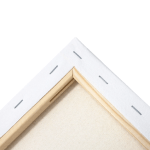
| Canvas | Museum-Grade Linen Canvas |
| Technique | Hand-painted brushstroke-by-brushstroke |
| Art Style | Academicism |
| Period | 19th Century |
| Artist Nationality | French |
| Orientation | Horizontal |
| Subject | Animal art, Animal art horse, Landscapes rural |
| Available Sizes | 7 (24'' W × 14'' H to 78'' W × 45'' H, including the original size), plus custom sizes |
| Framing Options | Unframed, Stretched Canvas, Classic & Modern Frames |
| Delivery | 14–28 business days |
Bullfighting, a dramatic spectacle, held a prominent place in 19th century French culture. It symbolized bravery, tradition, and the complex relationship between man and beast. The End of the Corrida captures this essence, showcasing the emotional intensity of the event. During this period, bullfighting was not just a sport; it was a cultural phenomenon that drew large crowds and sparked passionate debates about ethics and artistry.
Jean-Leon Gerome was a leading figure in the art movements of Orientalism and Realism. His works often depicted exotic scenes and historical events with meticulous detail. Gerome's ability to blend realism with dramatic narratives set him apart from his contemporaries. He was known for his vibrant compositions and deep understanding of human emotion, which he masterfully applied in The End of the Corrida.
The color palette of The End of the Corrida is rich and dynamic. Gerome used bold reds, deep blacks, and bright whites to evoke strong emotions. The red symbolizes the bloodshed and passion of the bullfight, while the contrasting colors highlight the tension between life and death. This vibrant use of color draws viewers into the scene, making them feel the drama unfold.
Gerome expertly balanced action and emotion in his composition. The arrangement of figures creates a sense of movement, guiding the viewer's eye across the canvas. The placement of the matador and the bull at the center emphasizes the climax of the fight. This dynamic composition invites viewers to experience the thrill and danger of the corrida.
The figures in The End of the Corrida are meticulously rendered, showcasing Gerome's skill in capturing human expression. The matador's fierce determination contrasts with the bull's raw power. Each character's facial expression tells a story, reflecting the tension and excitement of the moment. This attention to detail enhances the painting's emotional impact.
The End of the Corrida explores the duality of life and death inherent in bullfighting. The matador's bravery is juxtaposed with the bull's struggle for survival. This theme resonates deeply, prompting viewers to reflect on the nature of courage and mortality. Gerome's portrayal invites contemplation of the ethical implications of such spectacles.
The matador embodies both heroism and tragedy in this artwork. He is celebrated for his skill and bravery, yet he also faces the tragic reality of the bull's death. Gerome captures this complex relationship, highlighting the matador's role as both a performer and a participant in a deadly dance. This duality adds depth to the narrative of the painting.
The audience plays a crucial role in The End of the Corrida. Their expressions of excitement and horror reflect the societal fascination with bullfighting. Gerome's depiction of the crowd enhances the painting's dramatic tension, illustrating how public spectacles can evoke a range of emotions. This engagement with the audience adds another layer to the artwork's narrative.
Gerome's mastery of oil painting is evident in The End of the Corrida. He employed layering techniques to create depth and richness in the colors. The texture of the bull's hide and the intricate details of the matador's costume showcase his skill. This technique adds a tactile quality to the painting, making it feel alive.
Lighting plays a vital role in Gerome's composition. He skillfully used light and shadow to create a dramatic atmosphere. The interplay of light highlights the matador's figure while casting shadows that enhance the sense of movement. This technique adds a three-dimensional quality to the painting, drawing viewers into the scene.
Gerome's attention to detail is remarkable. The costumes of the matador and the spectators are rendered with precision, reflecting the fashion of the time. The background elements, such as the arena and the crowd, are equally detailed, grounding the scene in reality. This commitment to realism enhances the viewer's connection to the artwork.
The End of the Corrida has left a lasting legacy in the art world. Gerome's unique approach to realism and dramatic storytelling influenced many future artists. His ability to capture the human experience in such a visceral way paved the path for later movements, including Impressionism and Expressionism. Artists continue to draw inspiration from his work.
Art enthusiasts can experience The End of the Corrida in various prestigious museums. Notable collections include the Metropolitan Museum of Art in New York and the Musée d'Orsay in Paris. These institutions preserve Gerome's legacy, allowing visitors to appreciate his artistry firsthand. Exhibitions often highlight his contributions to 19th-century art.
Gerome created several notable bullfighting paintings, each exploring different themes. In contrast to The End of the Corrida, other works may focus more on the spectacle or the cultural implications of bullfighting. This variety showcases Gerome's versatility as an artist and his ability to convey complex narratives through his art.
Contemporary artists often revisit the themes of bullfighting, echoing Gerome's exploration of life, death, and spectacle. Many modern interpretations draw on his dramatic style and emotional depth. This connection highlights the enduring relevance of Gerome's work in today's artistic landscape, as artists continue to grapple with the ethical dimensions of bullfighting.
Gerome was inspired by the cultural significance of bullfighting in 19th century France. He sought to capture the emotional intensity and drama of the event, reflecting both its beauty and brutality.
The main themes include the duality of life and death, the heroism and tragedy of the matador, and the public spectacle of bullfighting. These themes invite viewers to reflect on the complexities of the human experience.
The painting reflects the fascination with bullfighting as a cultural spectacle in 19th century France. It captures the societal attitudes towards bravery, tradition, and the ethical debates surrounding animal rights.
Gerome employed oil painting techniques, including layering and meticulous attention to detail. His use of light and shadow created depth, while his realistic portrayal of figures and costumes enhanced the authenticity of the scene.
You can view The End of the Corrida at the Metropolitan Museum of Art in New York or the Musée d'Orsay in Paris. These institutions house Gerome's work, allowing art lovers to appreciate his mastery firsthand.
When purchasing a reproduction, consider the quality of materials used, the level of detail, and the artist's technique. Look for reproductions that capture the vibrancy and texture of the original oil painting.
To ensure quality, choose a reputable seller who specializes in art reproductions. Look for reproductions that are hand-painted rather than printed, as they offer a superior representation of the original artwork.

Discover some of our latest oil paintings, each one carefully hand-painted on canvas.
At Art & See, we're committed to delivering the highest quality art reproductions. Our team of expert artists and state-of-the-art processes ensure that each piece is a masterpiece in its own right.

Experience your masterpiece's creation through daily photos from our expert artists, each with 15+ years of experience.

Your artwork travels first class via UPS, FedEx, or DHL, protected by museum-grade packaging for safe delivery.

Review unedited photos of your finished painting and request unlimited free revisions before it ships. We only ship when you say it's perfect.

Every piece is crafted with archival materials, UV-resistant finishes, and premium British paints to last generations.
Yes, 100% hand-painted with oil on canvas by artists with 15+ years of experience. No prints, no digital shortcuts. You'll see and feel real brushstrokes, just like the original Jean-Leon Gerome masterpiece.
Your The End of the Corrida reproduction takes 2–5 weeks to hand-paint depending on size and detail. Once approved, shipping takes 5–8 days via FedEx, UPS, or DHL with full tracking. Free worldwide shipping included.
Absolutely. Once your The End of the Corrida is complete, we send you unedited photos, a full view and close-up details. Request unlimited free revisions until you're 100% satisfied. We don't ship until you say "yes."
Every painting goes through our Preview & Approve process: you receive unedited photos of your finished Jean-Leon Gerome reproduction and can request unlimited free revisions before it ships. We only ship when you say it's perfect. If after delivery you have any concerns, contact us at [email protected] and our team will work with you on the best path forward.
Professional-grade oil paints (Windsor & Newton) on premium linen canvas with UV-resistant protective coating. Museum-grade materials built to last generations, the same quality used in galleries worldwide.
Our artists specialize in Jean-Leon Gerome's technique: color accuracy, brushwork, and composition are matched to the original. Every reproduction goes through quality review before your approval photos are taken.
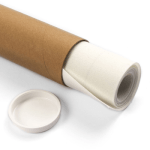
Every painting is insured and delivered door-to-door. Unframed paintings ship in protective hard tubes. Framed paintings are bubble-wrapped in sturdy boxes. If anything arrives damaged, we repair or replace it free.
Dive into the vibrant world of Historic Art. Discover your next painting today.