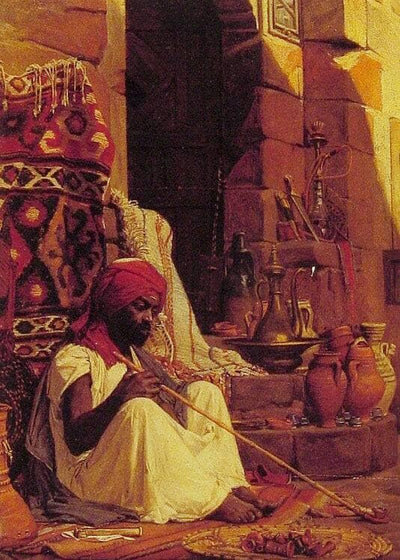



The Opium Smoker: A Captivating Exploration of Jean Lecomte du Nou‚àö√∏'s Masterpiece
Understanding the Historical Context of The Opium Smoker
The Opium Trade in 19th Century France
The 19th century marked a significant period for the opium trade, particularly in France. Opium, derived from the poppy plant, became a controversial substance, influencing both culture and society. The trade flourished due to colonial expansion, with opium being imported from Asia. This era saw a rise in opium consumption among various social classes, leading to a complex relationship between pleasure and addiction. The Opium Smoker captures this duality, reflecting the societal fascination and moral dilemmas surrounding opium use.
Artistic Movements Influencing Jean Lecomte du Nou‚àö√∏
Jean Lecomte du Nou‚àö√∏ was influenced by several artistic movements, including
Romanticism and
Realism. Romanticism emphasized emotion and individual experience, while Realism focused on depicting everyday life with accuracy. Du Nou‚àö√∏ skillfully blended these styles, creating a vivid portrayal of the opium smoker that resonates with viewers. His work reflects the tension between the idealized and the real, showcasing the struggles of addiction through a lens of empathy and understanding.
Social Commentary Through Art: The Role of Opium in Society
Art has long served as a mirror to society, and The Opium Smoker is no exception. This painting offers a poignant commentary on the impact of opium on individuals and communities. It invites viewers to consider the broader implications of addiction, including its effects on health, relationships, and societal norms. By depicting the opium smoker in a moment of introspection, du Nou‚àö√∏ encourages a deeper understanding of the human condition and the allure of escapism.
Visual Analysis of The Opium Smoker: Composition and Color Palette
Examining the Use of Light and Shadow in the Painting
Du Nou‚àö√∏'s masterful use of light and shadow creates a dramatic atmosphere in The Opium Smoker. The interplay of light highlights the figure of the smoker, drawing attention to his contemplative expression. Shadows envelop the background, suggesting a sense of isolation and introspection. This technique enhances the emotional weight of the painting, inviting viewers to engage with the subject's inner turmoil.
Color Symbolism: The Meaning Behind the Palette Choices
The color palette in The Opium Smoker is rich and evocative. Warm tones of amber and gold dominate the scene, symbolizing both the allure and danger of opium. These colors evoke feelings of warmth and comfort, contrasting with the underlying themes of addiction and despair. The careful selection of hues adds depth to the narrative, allowing viewers to experience the complexities of the smoker's journey.
Figures and Forms: The Representation of the Smoker
The central figure in The Opium Smoker is portrayed with remarkable detail. Du Nou‚àö√∏ captures the nuances of the smoker's posture and expression, conveying a sense of vulnerability. The figure's relaxed demeanor suggests a moment of escape, yet the furrowed brow hints at an underlying struggle. This duality in representation invites viewers to reflect on the broader implications of addiction and the human desire for solace.
Thematic Elements in The Opium Smoker: Addiction and Escapism
Exploring the Duality of Pleasure and Pain in Opium Use
The Opium Smoker delves into the complex relationship between pleasure and pain. Opium offers a temporary escape from reality, yet it also brings profound consequences. Du Nou‚àö√∏'s portrayal captures this duality, illustrating the seductive
nature of addiction while acknowledging its darker side. This theme resonates with audiences, prompting reflection on their own experiences with escapism.
Escapism in Art: How The Opium Smoker Reflects Human Desire
Art often serves as a refuge from the challenges of life, and The Opium Smoker embodies this concept. The painting reflects a universal human desire for escape, whether through substances, art, or imagination. Du Nou‚àö√∏'s work invites viewers to consider their own methods of coping with life's difficulties, making it a timeless exploration of the human experience.
Interpreting the Emotional Depth of the Smoker's Expression
The expression of the smoker in du Nou‚àö√∏'s painting is a focal point of emotional depth. His gaze, filled with contemplation, evokes a sense of longing and introspection. This portrayal encourages viewers to empathize with the smoker's plight, fostering a connection that transcends time and place. The emotional resonance of the painting enhances its impact, making it a powerful commentary on addiction.
Jean Lecomte du Nou‚àö√∏: The Artist Behind The Opium Smoker
A Brief Biography of Jean Lecomte du Nou‚àö√∏
Jean Lecomte du Nou‚àö√∏ was a prominent French painter born in 1830. He studied at the École des Beaux-Arts in Paris, where he honed his skills in painting and drawing. Du Nou‚àö√∏ became known for his ability to capture the human experience with sensitivity and depth. His works often explore themes of addiction, solitude, and the complexities of life, making him a significant figure in 19th-century art.
Influences and Inspirations in du Nou‚àö√∏'s Artistic Journey
Du Nou‚àö√∏ drew inspiration from various sources, including literature, philosophy, and the social issues of his time. The writings of authors like Charles Baudelaire and the philosophical ideas of existentialism influenced his artistic vision. His exposure to the opium trade and its societal implications further shaped his work, leading to the creation of The Opium Smoker as a reflection of his observations and experiences.
Legacy of Jean Lecomte du Nou‚àö√∏ in Contemporary Art
The legacy of Jean Lecomte du Nou‚àö√∏ continues to resonate in
contemporary art. His exploration of addiction and the human condition remains relevant today. Artists and critics alike recognize his contributions to the dialogue surrounding addiction, mental health, and societal norms. The Opium Smoker stands as a testament to his enduring impact on the art world.
Comparative Analysis: The Opium Smoker and Other Works of Art
Similarities with Other 19th Century Opium-Themed Art
The Opium Smoker shares thematic similarities with other 19th-century artworks that address addiction. Artists like Thomas de Quincey and
Gustave Courbet also explored the complexities of opium use. However, du Nou‚àö√∏'s unique approach, characterized by emotional depth and realism, sets his work apart. His ability to evoke empathy distinguishes The Opium Smoker within the broader context of opium-themed art.
Contrasting The Opium Smoker with Contemporary Representations of Addiction
In contrast to contemporary representations of addiction, which often focus on the harsh realities of substance abuse, The Opium Smoker offers a more nuanced perspective. Du Nou‚àö√∏'s portrayal emphasizes the emotional and psychological aspects of addiction, inviting viewers to engage with the subject on a deeper level. This contrast highlights the evolution of artistic interpretations of addiction over time.
How The Opium Smoker Stands Out in du Nou‚àö√∏'s Portfolio
Among du Nou‚àö√∏'s body of work, The Opium Smoker stands out for its emotional resonance and thematic depth. While many of his paintings explore similar subjects, this particular piece captures the essence of addiction with unparalleled sensitivity. The combination of technical skill and emotional insight makes The Opium Smoker a defining work in du Nou‚àö√∏'s portfolio.
Artistic Techniques and Styles in The Opium Smoker
Brushwork and Texture: Techniques Employed by du Nou‚àö√∏
Du Nou‚àö√∏'s brushwork in The Opium Smoker is both delicate and expressive. He employs a variety of techniques to create texture and depth, enhancing the overall visual impact. The careful layering of paint adds richness to the composition, inviting viewers to explore the details of the smoker's environment. This attention to texture contributes to the painting's immersive quality.
Realism vs. Romanticism: The Balance in The Opium Smoker
The Opium Smoker exemplifies the balance between Realism and Romanticism. Du Nou‚àö√∏ captures the reality of addiction while infusing the scene with emotional depth. This duality allows the painting to resonate with viewers on multiple levels, making it a compelling exploration of the human experience. The interplay of these styles enriches the narrative, inviting contemplation and reflection.
Symbolic Elements: Objects and Their Meanings in the Painting
Symbolism plays a crucial role in The Opium Smoker. The opium pipe, a central object in the painting, represents both escape and entrapment. Other elements, such as the dimly lit surroundings, evoke a sense of isolation. Each object in the composition contributes to the overall narrative, enhancing the viewer's understanding of the themes of addiction and desire.
FAQs About The Opium Smoker
What is the significance of the opium pipe in the painting?
The opium pipe symbolizes the allure of escape and the dangers of addiction. It serves as a focal point, drawing attention to the complexities of the smoker's experience.
How does The Opium Smoker reflect the societal views on addiction?
The painting captures the ambivalence surrounding addiction in 19th-century society. It highlights both the fascination with opium and the moral dilemmas it presents.
What emotions does the painting evoke in viewers?
The Opium Smoker evokes a range of emotions, including empathy, sadness, and contemplation. Viewers may reflect on their own experiences with addiction and escapism.
What are the key features that define Jean Lecomte du Nou‚àö√∏'s style?
Du Nou‚àö√∏'s style is characterized by emotional depth, attention to detail, and a blend of Realism and Romanticism. His ability to capture the human experience sets him apart as an artist.
How has The Opium Smoker been received by art critics over the years?
Art critics have praised The Opium Smoker for its emotional resonance and technical skill. It is often regarded as one of du Nou‚àö√∏'s most significant works, contributing to discussions on addiction and society.
What is the story behind the creation of The Opium Smoker?
The Opium Smoker was created during a time of growing awareness about the effects of opium on society. Du Nou‚àö√∏ sought to explore the emotional and psychological aspects of addiction through this poignant portrayal.
Are there any notable reproductions of The Opium Smoker available?
Yes, there are high-quality oil painting reproductions of The Opium Smoker available. These reproductions capture the intricate details and vibrant colors of the original artwork, offering a superior alternative to standard prints. Investing in a reproduction allows art lovers to appreciate du Nou‚àö√∏'s masterpiece in their own space.