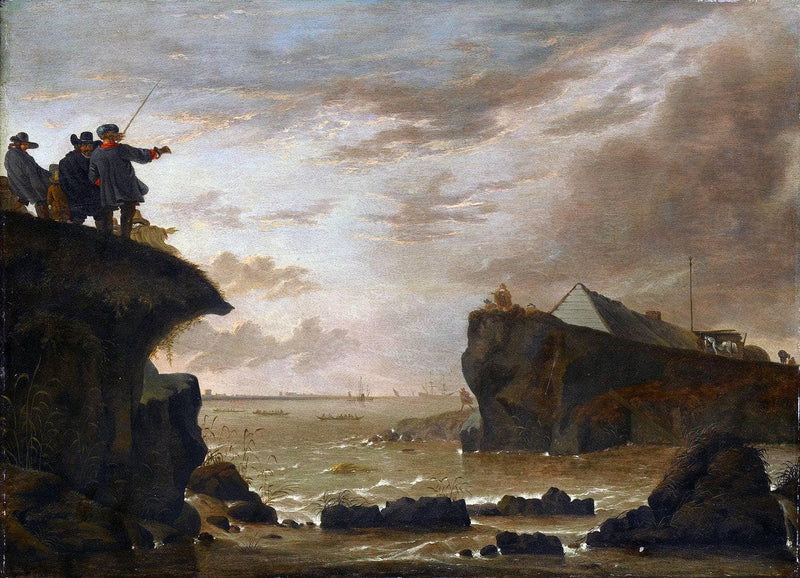

The Collapse of the St Anthonis Dyke in 1651 by Jan Asselijn | Oil Painting Reproduction

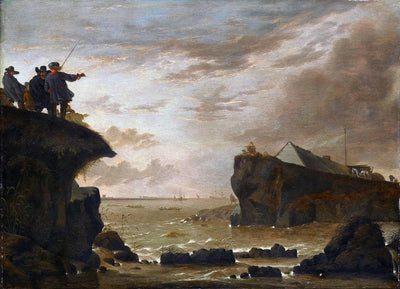
The Collapse of the St Anthonis Dyke in 1651 by Jan Asselijn — hand-painted landscape oil painting reproduction on canvas
Frame Specifications
Frame details Unframed
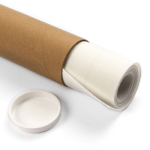
Information The canvas arrives unframed and rolled up in a sturdy tube, so you can have it framed locally exactly how you like.

AS SEEN IN

Royal Heritage Badge
4.7
4.7 out of 5

64 global ratings

5 star
78%
4 star
17%
3 star
3%
2 star
1%
1 star
1%
64 ratings

by Jan Asselijn

Handmade Oil Painting on Canvas Art Reproduction —— Museum-quality

100% HAND-PAINTED
  • Real brushstrokes you can see & feel
  • Painting approval before shipping
  • Unlimited revisions
Select Size *
How should it arrive?
Select a Frame (optional)
Hand-Painted Oil Painting $299.95
Unframed — Shipped rolled in a protective tube Included
Shipping Free
Total
$299.95
$350.95Save 14%
Preview & Approve Free Shipping Secure Checkout
We accept
Visa Mastercard American Express Discover PayPal Apple Pay Google Pay Venmo
Support
Need help? Talk with Joey!

Processing & Shipping Time

Your delivery time includes two parts:

  1. Processing Time — From painting and drying to packaging and dispatch, usually 2–5 weeks depending on the painting complexity.
  2. Shipping Time — From when your order leaves the workshop to when it arrives at your address. You'll be able to track it with the tracking number we email you.

Shipping Methods

We ship with trusted couriers like FedEx, UPS, and DHL. Every shipment includes a tracking code.

  • Standard orders: Arrive in 5–8 days once shipped.
  • Framed, stretched, and oversized paintings: May take a few extra days.

Our goal is to deliver your order safely and quickly.

Shipment Safety Measures

We handle your products with care so they arrive in perfect condition:

  • Framed paintings — Bubble-wrapped and packed in a sturdy box.
  • Unframed paintings — Shipped in a protective hard plastic tube.

Every product is insured and delivered right to your door, so you can feel confident buying from us.

Every Art & See painting is created by artists with 15+ years of experience using professional-grade oil paints and premium linen canvas with UV-resistant protective coating — the same museum-grade materials used in galleries worldwide. Each piece goes through quality review before your approval photos are taken. If after delivery you have any concerns about your painting, contact us at [email protected] — our team will work with you on the best path forward.

Full Warranty

Every painting is protected against physical damage during shipping. If your painting arrives damaged, we repair or replace it — free.

Coverage Details

Transit damage (crushed, torn, water damage) — We repair or replace at no cost. Please note that damages resulting from accidents or inappropriate use are not covered under this warranty.

Repair or Replace

Depending on the extent of damage, the affected painting will either be repaired or replaced at no additional cost to you.

Free Service

All warranty services are provided absolutely free of charge.

We want you to absolutely love your handmade artwork. Here's how it works:

  1. Once your oil painting is complete, we'll send you unedited photos — a full view and close-up details.
  2. Review the photos and let us know if any changes are needed. We'll happily revise the painting for free.
  3. If you approve the painting, we'll ship it right away.

In the rare case you approve the photos and the artwork has been shipped and delivered to you, and you still want additional modification requests — we can handle it as a courtesy at our discretion. If accepted, you cover the return shipping cost.

Product Specifications
TypeHand-Painted Oil Painting Reproduction
Original ArtistJan Asselijn
Price Range$299.95 — $1,299.95
ShippingFree Worldwide
QualityPreview & Approve Before Shipping
MediumOil on Canvas
CanvasMuseum-Grade Linen Canvas
TechniqueHand-painted brushstroke-by-brushstroke
Art StyleBaroque
Period17th Century
Artist NationalityDutch
OrientationHorizontal
SubjectLandscapes mountain, Landscapes rock
Available Sizes7 (20'' W × 16'' H to 72'' W × 48'' H)
Framing OptionsUnframed, Stretched Canvas, Classic & Modern Frames
Delivery14–28 business days
About This Painting
The Collapse of the St Anthonis Dyke: A Masterpiece of 17th Century Dutch Art Historical Context of the St Anthonis Dyke Disaster Understanding the 1651 Flooding Event in the Netherlands The Collap...

The Collapse of the St Anthonis Dyke: A Masterpiece of 17th Century Dutch Art

Historical Context of the St Anthonis Dyke Disaster

Understanding the 1651 Flooding Event in the Netherlands

The Collapse of the St Anthonis Dyke in 1651 marked a significant disaster in Dutch history. This catastrophic event occurred in the province of North Brabant, where heavy rains and melting snow overwhelmed the dykes. The flooding devastated local communities, leading to loss of life and property. The St Anthonis Dyke was crucial for protecting the low-lying areas from the encroaching waters of the Meuse River. This disaster not only caused immediate destruction but also highlighted the vulnerability of the Dutch landscape. The relentless battle against water shaped the Dutch psyche and influenced their art. Artists like Jan Asselijn captured these themes, reflecting society's struggle against nature's might.

Impact of Natural Disasters on Dutch Society and Art

Natural disasters, such as the St Anthonis Dyke collapse, profoundly impacted Dutch society. They instilled a sense of urgency in the need for better water management and engineering. This urgency found its way into the art of the time, as painters depicted the struggle against nature. The emotional weight of these events inspired artists to create works that resonated with the public's fears and hopes. The art from this period often served as a reminder of the fragility of human existence. It also celebrated resilience, showcasing how communities came together in the face of adversity.

Jan Asselijn: The Visionary Behind the Canvas

Biographical Insights into Jan Asselijn's Life and Career

Jan Asselijn was born in 1610 in Amsterdam and became a prominent figure in the Dutch Golden Age of painting. His career flourished as he developed a unique style that combined realism with dramatic themes. Asselijn's works often featured landscapes and historical events, reflecting the turbulent times in which he lived. He was influenced by the works of earlier masters, yet he carved out his own niche. His ability to capture emotion and movement set him apart from his contemporaries. Asselijn's dedication to his craft is evident in the meticulous details of his paintings, including The Collapse of the St Anthonis Dyke.

Artistic Influences and Techniques of the Dutch Golden Age

The Dutch Golden Age was characterized by a flourishing of the arts, driven by economic prosperity and cultural exchange. Asselijn was influenced by the naturalism of artists like Rembrandt and the dramatic compositions of Caravaggio. He employed techniques such as chiaroscuro to create depth and emotion in his works. His paintings often featured rich colors and intricate details, drawing viewers into the scene. Asselijn's ability to depict the interplay of light and shadow enhanced the dramatic effect of The Collapse of the St Anthonis Dyke, making it a captivating piece.

Symbolism and Themes in The Collapse of the St Anthonis Dyke

Exploring the Representation of Nature's Fury

In The Collapse of the St Anthonis Dyke, Asselijn vividly portrays nature's fury. The tumultuous waters and dark skies symbolize the overwhelming power of the natural world. This painting serves as a reminder of humanity's vulnerability in the face of such forces. The chaotic scene captures the moment of disaster, with figures struggling against the rising tide. Asselijn's use of dramatic imagery evokes a sense of urgency and despair, inviting viewers to reflect on their own relationship with nature.

Human Struggle and Resilience Depicted in the Painting

The painting also highlights human struggle and resilience. Amidst the chaos, figures are depicted fighting against the floodwaters, showcasing their determination to survive. This theme resonates deeply with viewers, as it reflects the universal human experience of facing adversity. Asselijn's portrayal of these struggles serves as a testament to the strength of the human spirit. The painting captures not just a moment of disaster but also the hope and courage that emerge in times of crisis.

Artistic Techniques and Composition in Asselijn's Work

Use of Color and Light to Convey Emotion

Asselijn's masterful use of color and light in The Collapse of the St Anthonis Dyke enhances the emotional impact of the scene. He employs a palette of dark, moody colors to convey the seriousness of the flooding. The contrast between light and shadow creates a dramatic atmosphere, drawing the viewer's eye to the central figures battling the flood. This technique not only adds depth to the painting but also evokes feelings of tension and urgency. The interplay of light and dark serves to heighten the emotional stakes of the scene, making it a powerful visual narrative.

Dynamic Composition: The Movement of Water and Figures

The composition of The Collapse of the St Anthonis Dyke is dynamic and engaging. Asselijn skillfully arranges the figures and water to create a sense of movement. The swirling waters and struggling figures lead the viewer's eye through the painting, immersing them in the chaos of the moment. This dynamic arrangement reflects the tumultuous nature of the event. Asselijn's ability to capture movement adds a layer of realism to the painting, making it feel alive and urgent.

Comparative Analysis: The Collapse of the St Anthonis Dyke and Other Dutch Masterpieces

Contrasting with Contemporary Works: A Study of Similar Themes

When compared to other Dutch masterpieces, The Collapse of the St Anthonis Dyke stands out for its dramatic portrayal of disaster. While many artists of the time focused on serene landscapes or still life, Asselijn chose to depict a moment of crisis. This choice reflects a deeper engagement with the realities of life in the Netherlands during the 17th century. Other artists, such as Aelbert Cuyp and Jacob van Ruisdael, also explored themes of nature and human interaction. However, Asselijn's focus on the struggle against overwhelming forces sets his work apart.

Influence on Future Generations of Artists

Asselijn's work has influenced many artists who followed him. His dramatic compositions and emotional depth inspired later painters to explore similar themes. The way he captured the human experience in the face of nature's fury resonates through art history. Artists in the Romantic period and beyond drew on Asselijn's techniques, using them to convey their own interpretations of nature and humanity. His legacy continues to inspire artists today.

Preservation and Legacy of The Collapse of the St Anthonis Dyke

Current Location and Condition of the Original Painting

The original painting, The Collapse of the St Anthonis Dyke, is housed in a prominent museum in the Netherlands. It remains in excellent condition, thanks to careful preservation efforts. Art historians and conservators work diligently to maintain its vibrancy and detail, ensuring that future generations can appreciate Asselijn's masterpiece. The painting is a vital part of Dutch cultural heritage, representing both the artistic achievements of the time and the historical events that shaped the nation.

Impact on Art History and Cultural Heritage

The Collapse of the St Anthonis Dyke has had a lasting impact on art history. It serves as a powerful reminder of the relationship between humanity and nature. The themes of struggle and resilience resonate with audiences, making it a timeless piece. Asselijn's work contributes to our understanding of the Dutch Golden Age and its artistic innovations. It reflects the values and challenges of the time, making it an essential part of cultural heritage.

FAQs About The Collapse of the St Anthonis Dyke

What is the significance of the St Anthonis Dyke in Dutch history?

The St Anthonis Dyke was crucial for protecting low-lying areas from flooding. Its collapse in 1651 highlighted the challenges of water management in the Netherlands and the impact of natural disasters on communities.

How did Jan Asselijn's background influence his artwork?

Asselijn's upbringing in Amsterdam during the Dutch Golden Age exposed him to a rich artistic environment. His experiences shaped his understanding of nature and human struggle, which he vividly depicted in his paintings.

What techniques did Asselijn use to depict the flood?

Asselijn used chiaroscuro to create depth and emotion in The Collapse of the St Anthonis Dyke. His dynamic composition and use of color convey the chaos and urgency of the flooding event.

What emotions does the painting evoke in viewers?

The painting evokes feelings of tension, urgency, and resilience. Viewers are drawn into the struggle against nature, experiencing the emotional weight of the disaster.

How does this painting reflect the values of the Dutch Golden Age?

The painting reflects the values of the Dutch Golden Age by showcasing the relationship between humanity and nature. It emphasizes resilience in the face of adversity, a theme that resonated deeply with Dutch society at the time.

FAQs About the Painting Reproduction

What should I consider when purchasing a reproduction of this painting?

When purchasing a reproduction of The Collapse of the St Anthonis Dyke, consider the quality of the materials and the attention to detail. A high-quality painting reproduction captures the vibrancy and texture of the original artwork, making it a superior choice over prints.

How can I display The Collapse of the St Anthonis Dyke reproduction in my home?

To display your reproduction, choose a prominent location where it can be appreciated. Consider framing it with a style that complements your decor. Proper lighting can enhance the colors and details, making it a stunning focal point in your space.
The Collapse of the St Anthonis Dyke in 1651 by Jan Asselijn — hand-painted landscape oil painting reproduction on canvas
The Collapse of the St Anthonis Dyke in 1651 by Jan Asselijn Hand-Painted Oil Painting Reproduction 20'' W × 16'' H · Unframed
20” x 16” in Unframed - Arrives Rolled on a Tube
$299.95 $350.95
30% Off Today Ends soon!
OUR GUARANTEES

Why Choose Our Art Reproductions

At Art & See, we're committed to delivering the highest quality art reproductions. Our team of expert artists and state-of-the-art processes ensure that each piece is a masterpiece in its own right.

Artist working on canvas

Real Artists Only

Experience your masterpiece's creation through daily photos from our expert artists, each with 15+ years of experience.

We'll send you photos before shipping
Secure packaging

Worry-Free Shipping

Your artwork travels first class via UPS, FedEx, or DHL, protected by museum-grade packaging for safe delivery.

Safe protective packaging
Preview and approve

Preview & Approve

Review unedited photos of your finished painting and request unlimited free revisions before it ships. We only ship when you say it's perfect.

You approve before we ship
Art materials

Built to Last

Every piece is crafted with archival materials, UV-resistant finishes, and premium British paints to last generations.

Museum-grade quality

You May Also Like

Frequently Asked Questions About Jan Asselijn Oil Painting Reproductions

Everything you need to know before ordering your hand-painted The Collapse of the St Anthonis Dyke in 1651 reproduction.
Is "The Collapse of the St Anthonis Dyke in 1651" by Jan Asselijn a real hand-painted oil painting?

Yes — 100% hand-painted with oil on canvas by artists with 15+ years of experience. No prints, no digital shortcuts. You'll see and feel real brushstrokes, just like the original Jan Asselijn masterpiece.

How long does it take to receive my Jan Asselijn painting?

Your The Collapse of the St Anthonis Dyke in 1651 reproduction takes 2–5 weeks to hand-paint depending on size and detail. Once approved, shipping takes 5–8 days via FedEx, UPS, or DHL with full tracking. Free worldwide shipping included.

Can I see my painting before it ships?

Absolutely. Once your The Collapse of the St Anthonis Dyke in 1651 is complete, we send you unedited photos — a full view and close-up details. Request unlimited free revisions until you're 100% satisfied. We don't ship until you say "yes."

How do I know I'll love it?

Every painting goes through our Preview & Approve process — you receive unedited photos of your finished Jan Asselijn reproduction and can request unlimited free revisions before it ships. We only ship when you say it's perfect. If after delivery you have any concerns, contact us at [email protected] and our team will work with you on the best path forward.

What materials do you use?

Professional-grade oil paints (Windsor & Newton) on premium linen canvas with UV-resistant protective coating. Museum-grade materials built to last generations — the same quality used in galleries worldwide.

Will my painting look exactly like the original The Collapse of the St Anthonis Dyke in 1651?

Our artists specialize in Jan Asselijn's technique — color accuracy, brushwork, and composition are matched to the original. Every reproduction goes through quality review before your approval photos are taken.

Is my painting shipped safely?

Every painting is insured and delivered door-to-door. Unframed paintings ship in protective hard tubes. Framed paintings are bubble-wrapped in sturdy boxes. If anything arrives damaged, we repair or replace it free.

Bring a Masterpiece to Your Décor Today

Dive into the vibrant world of Historic Art. Discover your next painting today.

Custom oil painting