Discovering Algeron Moses Marsden: A Masterpiece by James Tissot
The Artistic Journey of James Tissot
Early Life and Influences on Tissot's Work
James Tissot, born in 1836 in Nantes, France, grew up in a family that valued art and culture. His early exposure to the vibrant art scene in Paris shaped his artistic vision. Influenced by the works of renowned artists like
Gustave Courbet and Édouard Manet, Tissot developed a keen eye for detail and a passion for capturing the human experience. His travels across Europe further enriched his understanding of diverse artistic styles, which he later infused into his own work.
Transition to Oil Painting: Techniques and Styles
Tissot transitioned to oil painting in the 1860s, mastering the medium's rich textures and vibrant colors. He employed techniques such as glazing and layering, which allowed him to create depth and luminosity in his
portraits. His meticulous approach to oil painting set him apart from his contemporaries, as he strived for
realism while incorporating elements of
impressionism. This unique blend of styles is evident in his portrayal of Algeron Moses Marsden.
Exploring Tissot's Unique Approach to Portraiture
Tissot's portraits are celebrated for their psychological depth and emotional resonance. He had a remarkable ability to capture the essence of his subjects, often revealing their inner thoughts and feelings through subtle expressions and gestures. His attention to detail extended to clothing and accessories, reflecting the social status and personality of each individual. This distinctive approach is particularly evident in the portrayal of Algeron Moses Marsden.
Algeron Moses Marsden: A Closer Look at the Subject
Who Was Algeron Moses Marsden? A Historical Perspective
Algeron Moses Marsden was a prominent figure in Victorian society, known for his contributions to the arts and philanthropy. Born in 1834, he was a close associate of Tissot and played a significant role in the artist's life. Marsden's background as a successful businessman and his connections within the artistic community made him a notable subject for Tissot's portraiture.
The Significance of Marsden in Tissot's Artistic Narrative
Marsden's portrayal by Tissot is not just a representation of a man; it symbolizes the intersection of art and society during the Victorian era. Tissot's choice to depict Marsden highlights the importance of individual identity and social status in a rapidly changing world. This painting serves as a testament to their friendship and mutual respect, showcasing Marsden's influence on Tissot's artistic journey.
Symbolism and Themes in Marsden's Portrayal
In the painting, Tissot employs rich
symbolism to convey themes of ambition, intellect, and social responsibility. The carefully chosen colors and composition reflect Marsden's character and the values of the time. The inclusion of specific objects, such as books or art supplies, hints at Marsden's intellectual pursuits and his commitment to the arts. This layered symbolism invites viewers to explore deeper meanings within the artwork.
Visual Elements of Algeron Moses Marsden
Color Palette: The Emotional Impact of Tissot's Choices
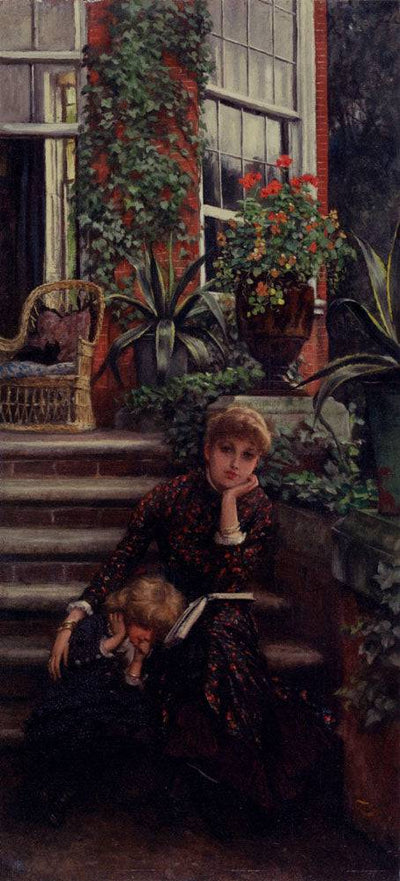
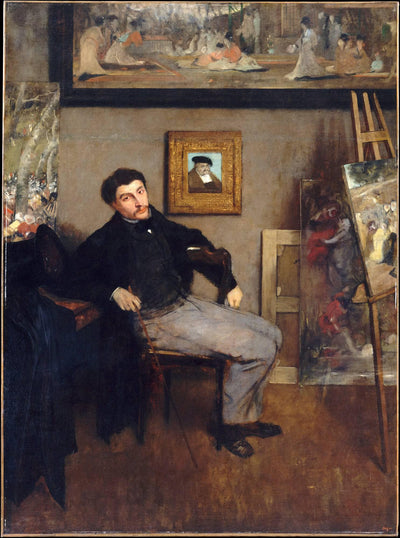
Tissot's color palette in Algeron Moses Marsden is both striking and evocative. He uses deep blues and warm earth tones to create a sense of depth and intimacy. The contrast between light and shadow enhances the emotional impact of the portrait, drawing the viewer's eye to Marsden's thoughtful expression. This careful selection of colors reflects Tissot's mastery of oil painting and his understanding of color theory.
Composition and Perspective: How Tissot Captures Attention
The composition of the painting is meticulously crafted, with Marsden positioned slightly off-center to create a dynamic balance. Tissot's use of perspective guides the viewer's gaze, inviting them to engage with the subject. The background, subtly blurred, emphasizes Marsden's presence and adds to the overall sense of realism. This thoughtful arrangement showcases Tissot's skill in creating compelling visual narratives.
Textural Details: The Brushwork and Techniques Employed
Tissot's brushwork in Algeron Moses Marsden is both precise and expressive. He employs a variety of techniques, from fine detailing in Marsden's clothing to broader strokes in the background. This contrast adds texture and depth to the painting, making it a feast for the eyes. The tactile quality of the oil paint enhances the viewer's experience, allowing them to appreciate the craftsmanship involved in the artwork.
The Cultural Context of Algeron Moses Marsden
Victorian Society and Its Influence on Portraiture
The Victorian era was marked by strict social hierarchies and a fascination with individual identity. Portraiture became a means of self-expression and social commentary. Tissot's work reflects these cultural dynamics, as he captures the essence of his subjects while also addressing broader societal themes. Algeron Moses Marsden's portrait serves as a window into the values and aspirations of Victorian society.
Art Movements of the Time: Realism vs. Impressionism
During Tissot's career, the art world was divided between realism and impressionism. Tissot skillfully navigated these movements, blending elements of both in his work. His commitment to realism is evident in the detailed representation of Marsden, while the use of light and color hints at impressionistic influences. This duality enriches the painting, making it a significant contribution to the art movements of the time.
How Tissot's Work Reflects the Era's Values and Norms
Tissot's portrayal of Algeron Moses Marsden encapsulates the values of the Victorian era, including the importance of education, social responsibility, and individual achievement. The painting invites viewers to reflect on the aspirations of the time, as well as the complexities of identity and status. Tissot's ability to weave these themes into his work demonstrates his deep understanding of the cultural landscape.
Comparative Analysis: Tissot's Other Portraits
Similarities and Differences with Other Notable Works
When comparing Algeron Moses Marsden to Tissot's other portraits, one can see both similarities and unique characteristics. Like his other works, this painting showcases Tissot's attention to detail and emotional depth. However, Marsden's portrayal stands out due to its rich symbolism and the personal connection between the artist and subject. This adds a layer of intimacy that is less pronounced in some of Tissot's other portraits.
Influence of Algeron Moses Marsden on Tissot's Later Works
The experience of painting Algeron Moses Marsden had a lasting impact on Tissot's artistic development. The techniques and themes explored in this portrait can be seen in his subsequent works. Tissot continued to delve into the complexities of human emotion and social identity, building on the foundation laid by this significant piece. Marsden's influence is evident in Tissot's evolving style and subject matter.
Legacy of Tissot's Portraits in Modern Art
Tissot's portraits, including Algeron Moses Marsden, have left a lasting legacy in the art world. His innovative approach to portraiture has inspired countless artists and continues to resonate with contemporary audiences. The emotional depth and technical mastery found in Tissot's work set a standard for future generations, ensuring that his contributions to art remain relevant and celebrated.
Understanding the Reproduction of Algeron Moses Marsden
What Makes a Quality Art Reproduction?
A quality art reproduction captures the essence of the original painting while maintaining fidelity to the artist's techniques. Look for reproductions that use high-quality materials, such as archival-grade canvas and premium oil paints. These elements ensure that the reproduction reflects the vibrancy and texture of Tissot's original work, providing a superior alternative to standard prints.
How to Choose the Right Reproduction for Your Space
When selecting a reproduction of Algeron Moses Marsden, consider the size and style of your space. A larger reproduction can serve as a stunning focal point, while smaller pieces can complement existing decor. Pay attention to the color palette and overall aesthetic to ensure that the reproduction harmonizes with your environment. This thoughtful selection process enhances the visual impact of the artwork in your home.
Preserving the Essence of Tissot's Original Work
To preserve the essence of Tissot's original work in a reproduction, choose a piece that reflects the intricate details and emotional depth of the painting. Look for reproductions that emphasize the brushwork and color variations found in the original. This attention to detail ensures that the reproduction not only honors Tissot's artistry but also brings the spirit of Algeron Moses Marsden into your living space.
FAQs About Algeron Moses Marsden by James Tissot
Common Questions About the Painting
What is the historical significance of Algeron Moses Marsden?
Algeron Moses Marsden is significant as a representation of Victorian society's values and the personal connection between the artist and subject. His portrayal reflects the era's emphasis on individual identity and social status.
What techniques did James Tissot use in this painting?
Tissot employed oil painting techniques such as glazing and layering to create depth and luminosity. His meticulous brushwork captures intricate details, enhancing the emotional impact of the portrait.
How does this painting reflect Victorian values?
The painting reflects Victorian values through its focus on education, social responsibility, and individual achievement. Marsden's portrayal embodies the aspirations and complexities of identity during this era.
What are the main themes depicted in Algeron Moses Marsden?
Main themes include ambition, intellect, and social responsibility. Tissot's use of symbolism invites viewers to explore deeper meanings within the artwork, highlighting Marsden's character and contributions.
How has the perception of Tissot's work changed over time?
Tissot's work has evolved in perception, transitioning from being overshadowed by his contemporaries to being recognized for its emotional depth and technical mastery. Today, his portraits are celebrated for their relevance and influence in
modern art.
Questions About the Painting Reproduction
What should I look for in a high-quality reproduction of this painting?
Look for reproductions that use archival-grade materials and premium oil paints. Ensure that the reproduction captures the vibrancy, texture, and emotional depth of Tissot's original work.
How can I ensure the reproduction captures Tissot's original style?
Choose a reproduction that emphasizes the intricate details and brushwork found in the original painting. This attention to detail will help preserve the essence of Tissot's artistry in your reproduction.
 4.7/5
4.7/5