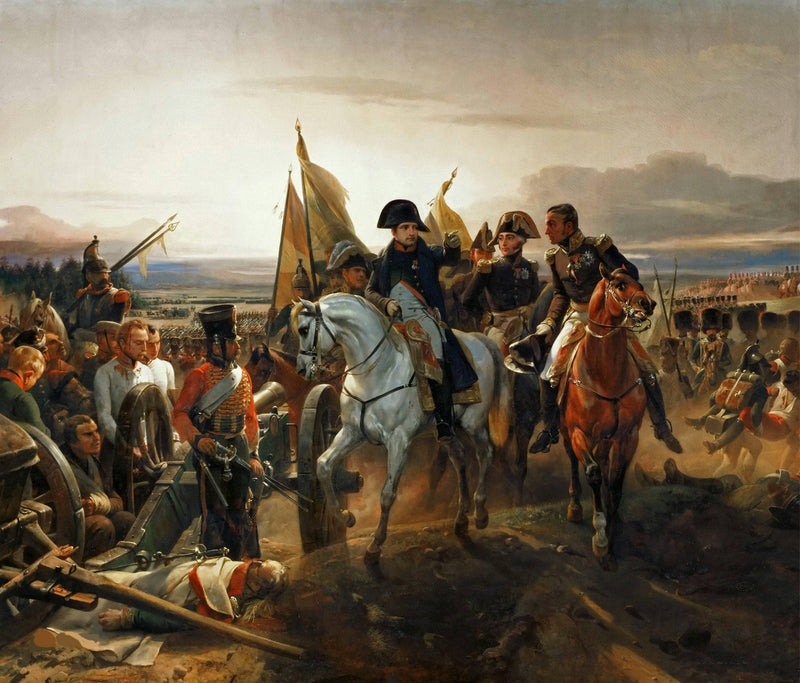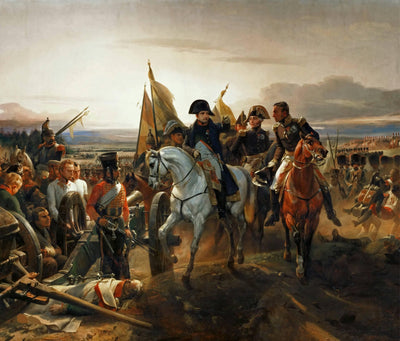
Napoleon at the battle of Friedland, War of the Fourth Coalition, 14 June 1807 by Horace Vernet | Oil Painting Reproduction

Napoleon at the battle of Friedland, War of the Fourth Coalition, 14 June 1807 by Horace Vernet — hand-painted cultural oil painting reproduction on canvas
Frame Specifications
Frame details Unframed
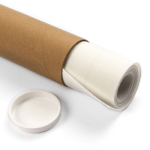
Information The canvas arrives unframed and rolled up in a sturdy tube, so you can have it framed locally exactly how you like.

AS SEEN IN

Royal Heritage Badge
4.6
4.6 out of 5

152 global ratings

5 star
72%
4 star
19%
3 star
6%
2 star
2%
1 star
1%
152 ratings

by Horace Vernet

Handmade Oil Painting on Canvas Art Reproduction —— Museum-quality

100% HAND-PAINTED
  • Real brushstrokes you can see & feel
  • Painting approval before shipping
  • Unlimited revisions
Select Size *
How should it arrive?
Select a Frame (optional)
Hand-Painted Oil Painting $249.95
Unframed — Shipped rolled in a protective tube Included
Shipping Free
Total
$249.95
$292.45Save 14%
Preview & Approve Free Shipping Secure Checkout
We accept
Visa Mastercard American Express Discover PayPal Apple Pay Google Pay Venmo
Support
Need help? Talk with Joey!

Processing & Shipping Time

Your delivery time includes two parts:

  1. Processing Time — From painting and drying to packaging and dispatch, usually 2–5 weeks depending on the painting complexity.
  2. Shipping Time — From when your order leaves the workshop to when it arrives at your address. You'll be able to track it with the tracking number we email you.

Shipping Methods

We ship with trusted couriers like FedEx, UPS, and DHL. Every shipment includes a tracking code.

  • Standard orders: Arrive in 5–8 days once shipped.
  • Framed, stretched, and oversized paintings: May take a few extra days.

Our goal is to deliver your order safely and quickly.

Shipment Safety Measures

We handle your products with care so they arrive in perfect condition:

  • Framed paintings — Bubble-wrapped and packed in a sturdy box.
  • Unframed paintings — Shipped in a protective hard plastic tube.

Every product is insured and delivered right to your door, so you can feel confident buying from us.

Every Art & See painting is created by artists with 15+ years of experience using professional-grade oil paints and premium linen canvas with UV-resistant protective coating — the same museum-grade materials used in galleries worldwide. Each piece goes through quality review before your approval photos are taken. If after delivery you have any concerns about your painting, contact us at [email protected] — our team will work with you on the best path forward.

Full Warranty

Every painting is protected against physical damage during shipping. If your painting arrives damaged, we repair or replace it — free.

Coverage Details

Transit damage (crushed, torn, water damage) — We repair or replace at no cost. Please note that damages resulting from accidents or inappropriate use are not covered under this warranty.

Repair or Replace

Depending on the extent of damage, the affected painting will either be repaired or replaced at no additional cost to you.

Free Service

All warranty services are provided absolutely free of charge.

We want you to absolutely love your handmade artwork. Here's how it works:

  1. Once your oil painting is complete, we'll send you unedited photos — a full view and close-up details.
  2. Review the photos and let us know if any changes are needed. We'll happily revise the painting for free.
  3. If you approve the painting, we'll ship it right away.

In the rare case you approve the photos and the artwork has been shipped and delivered to you, and you still want additional modification requests — we can handle it as a courtesy at our discretion. If accepted, you cover the return shipping cost.

Product Specifications
TypeHand-Painted Oil Painting Reproduction
Original ArtistHorace Vernet
Price Range$249.95 — $1,249.95
ShippingFree Worldwide
QualityPreview & Approve Before Shipping
MediumOil on Canvas
CanvasMuseum-Grade Linen Canvas
TechniqueHand-painted brushstroke-by-brushstroke
Art StyleRomanticism
Period19th Century
Artist NationalityFrench
OrientationSquare
SubjectCultural heritage, Portraits group
Available Sizes7 (16'' W × 16'' H to 60'' W × 60'' H)
Framing OptionsUnframed, Stretched Canvas, Classic & Modern Frames
Delivery14–28 business days
About This Painting
Unveiling the Historical Significance of Napoleon at the Battle of Friedland Contextualizing the War of the Fourth Coalition The Prelude to the Battle: Tensions in Europe The War of the Fourth Coal...

Unveiling the Historical Significance of Napoleon at the Battle of Friedland

Contextualizing the War of the Fourth Coalition

The Prelude to the Battle: Tensions in Europe

The War of the Fourth Coalition marked a pivotal moment in European history. Tensions escalated as Napoleon Bonaparte sought to expand his empire, clashing with a coalition that included Prussia, Russia, and Britain. The battle at Friedland on June 14, 1807, was a culmination of these rising conflicts. It showcased the struggle for dominance in Europe, as nations grappled with the consequences of Napoleon's ambitious campaigns.

Key Players: Napoleon Bonaparte and Tsar Alexander I

At the heart of this conflict were two formidable leaders: Napoleon Bonaparte and Tsar Alexander I of Russia. Napoleon, known for his military genius and strategic prowess, aimed to solidify his control over Europe. Tsar Alexander I, a complex figure, sought to protect Russian interests and assert his power. Their rivalry not only shaped the battle but also influenced the course of European history.

The Strategic Importance of the Friedland Encounter

Geographical Insights: The Landscape of Friedland

Friedland, located near the Pregel River in East Prussia, provided a unique battlefield. The terrain, with its rolling hills and dense forests, played a crucial role in military tactics. Napoleon's forces utilized the landscape to their advantage, executing maneuvers that would lead to a decisive victory. Understanding the geography of Friedland enhances our appreciation of the strategic brilliance displayed during the battle.

Military Tactics: Innovations in Warfare

The Battle of Friedland was not just a clash of armies; it was a showcase of innovative military tactics. Napoleon employed rapid troop movements and coordinated attacks, demonstrating the effectiveness of his Grande Armée. This battle highlighted the shift towards modern warfare, where speed and strategy became paramount. The lessons learned at Friedland would influence military leaders for generations to come.

Horace Vernet: The Master Behind the Canvas

Artistic Background of Horace Vernet

Horace Vernet, a prominent French painter, was renowned for his depictions of military scenes. Born in 1789, he grew up during a time of great political upheaval. His experiences shaped his artistic vision, leading him to focus on the drama of battle. Vernet's works often reflect the Romantic style, characterized by emotional intensity and vivid imagery.

Influences and Style: Romanticism in Vernet's Work

Vernet's artistic style was deeply influenced by the Romantic movement. He captured the heroism and chaos of war, using bold colors and dynamic compositions. His ability to convey emotion through art made him a leading figure in military painting. Vernet's works, including "Napoleon at the Battle of Friedland," exemplify the Romantic ideal of portraying the sublime in human experience.

Vernet's Role in Depicting Military History

As a chronicler of military history, Vernet played a vital role in shaping public perception of warfare. His paintings served as both documentation and glorification of battles. By immortalizing key moments like the Battle of Friedland, Vernet contributed to the collective memory of the Napoleonic Wars. His art not only entertained but also educated viewers about the realities of conflict.

Analyzing Vernet's Technique in Napoleon at Friedland

Color Palette and Brushwork: Capturing Emotion and Movement

In "Napoleon at the Battle of Friedland," Vernet's use of color is striking. He employed a rich palette of reds, blues, and earthy tones to evoke the intensity of battle. His brushwork, characterized by energetic strokes, creates a sense of movement. This technique draws viewers into the scene, allowing them to feel the urgency and chaos of the moment.

Composition and Perspective: Drawing the Viewer In

Vernet's composition in this painting is masterful. He places Napoleon at the forefront, commanding attention and symbolizing leadership. The perspective guides the viewer's eye through the battlefield, creating a dynamic narrative. This thoughtful arrangement enhances the emotional impact of the artwork, making it a compelling representation of military might.

The Dramatic Scene: A Closer Look at the Painting

Key Elements of the Artwork

Napoleon's Portrayal: Leadership and Valor

Napoleon is depicted with a commanding presence, embodying the qualities of a great leader. His posture and expression convey determination and valor. This portrayal not only highlights his role in the battle but also reflects the broader narrative of his reign. Vernet captures the essence of Napoleon as a military icon, forever etched in history.

Symbolism in the Details: Flags, Soldiers, and the Battlefield

The painting is rich with symbolism. The fluttering flags represent national pride and the chaos of war. Soldiers, depicted in various poses, illustrate the human experience of battle—fear, bravery, and sacrifice. Each detail contributes to the overall narrative, inviting viewers to explore the complexities of warfare and its impact on individuals.

Emotional Resonance: The Atmosphere of the Battle

Conveying Chaos: The Energy of Combat

Vernet masterfully conveys the chaos of battle through dynamic compositions and vivid colors. The swirling smoke and frantic movements of soldiers create an atmosphere of urgency. This energy immerses viewers in the scene, allowing them to experience the tumult of the battlefield. The painting captures the essence of conflict, making it a powerful representation of war.

Heroism and Sacrifice: The Human Element in Warfare

At its core, "Napoleon at the Battle of Friedland" reflects the themes of heroism and sacrifice. Vernet emphasizes the human cost of war, portraying soldiers in moments of bravery and despair. This focus on the individual experience adds depth to the painting, reminding viewers of the personal stories behind historical events.

Art Historical Context: Reception and Legacy

Initial Reception of the Painting

Upon its unveiling, "Napoleon at the Battle of Friedland" received mixed reviews. Critics praised Vernet's technical skill but debated the glorification of war. The public response was more enthusiastic, as many admired the dramatic portrayal of Napoleon. This initial reception set the stage for the painting's enduring legacy in art history.

Critics and Public Response in the 19th Century

In the 19th century, the painting sparked discussions about the role of art in depicting war. Some critics viewed it as a celebration of violence, while others appreciated its historical significance. The public's fascination with Napoleon and military exploits contributed to the painting's popularity, solidifying Vernet's reputation as a master of military art.

Long-term Influence on Art and Culture

How the Painting Shaped Perceptions of Napoleon

"Napoleon at the Battle of Friedland" played a crucial role in shaping perceptions of Napoleon as a military leader. The painting contributed to the mythos surrounding his figure, influencing how future generations viewed his legacy. Vernet's portrayal helped cement Napoleon's status as a symbol of ambition and power in European history.

Modern Interpretations and Exhibitions

Today, the painting continues to captivate audiences. It has been featured in numerous exhibitions, allowing contemporary viewers to engage with its historical context. Modern interpretations often explore themes of heroism, sacrifice, and the complexities of war, ensuring that Vernet's work remains relevant in discussions about military history and art.

Frequently Asked Questions about Napoleon at the Battle of Friedland

What is the historical significance of the Battle of Friedland?

The Battle of Friedland was a decisive victory for Napoleon, leading to the Treaty of Tilsit and reshaping the balance of power in Europe.

How did Horace Vernet's style influence military paintings?

Vernet's dynamic compositions and emotional depth set a new standard for military art, influencing future artists to capture the human experience of war.

What emotions does the painting evoke in viewers?

The painting evokes a range of emotions, including awe, tension, and reflection on the costs of war, drawing viewers into the chaos of battle.

What are the key symbols depicted in the artwork?

Key symbols include the flags representing national pride, soldiers embodying bravery and sacrifice, and the chaotic battlefield illustrating the realities of war.

How has the painting been received over the years?

The painting has received both praise and criticism, with its dramatic portrayal of Napoleon sparking discussions about the glorification of war and its historical significance.

What makes this painting a notable piece of art history?

Its combination of historical importance, artistic mastery, and emotional resonance makes "Napoleon at the Battle of Friedland" a significant work in the canon of military art.

How can I appreciate the details in the painting reproduction?

To appreciate the details in a reproduction, focus on the color palette, brushwork, and composition. Observe how these elements convey emotion and narrative.

What should I look for when viewing a reproduction of this artwork?

When viewing a reproduction, look for the vibrancy of colors, the energy of movement, and the intricate details that reflect the chaos and heroism of the battle.
Napoleon at the battle of Friedland, War of the Fourth Coalition, 14 June 1807 by Horace Vernet — hand-painted cultural oil painting reproduction on canvas
Napoleon at the battle of Friedland, War of the Fourth Coalition, 14 June 1807 by Horace Vernet Hand-Painted Oil Painting Reproduction 16'' W × 16'' H · Unframed
20” x 16” in Unframed - Arrives Rolled on a Tube
$249.95 $292.45
30% Off Today Ends soon!
OUR GUARANTEES

Why Choose Our Art Reproductions

At Art & See, we're committed to delivering the highest quality art reproductions. Our team of expert artists and state-of-the-art processes ensure that each piece is a masterpiece in its own right.

Artist working on canvas

Real Artists Only

Experience your masterpiece's creation through daily photos from our expert artists, each with 15+ years of experience.

We'll send you photos before shipping
Secure packaging

Worry-Free Shipping

Your artwork travels first class via UPS, FedEx, or DHL, protected by museum-grade packaging for safe delivery.

Safe protective packaging
Preview and approve

Preview & Approve

Review unedited photos of your finished painting and request unlimited free revisions before it ships. We only ship when you say it's perfect.

You approve before we ship
Art materials

Built to Last

Every piece is crafted with archival materials, UV-resistant finishes, and premium British paints to last generations.

Museum-grade quality

You May Also Like

Frequently Asked Questions About Horace Vernet Oil Painting Reproductions

Everything you need to know before ordering your hand-painted Napoleon at the battle of Friedland, War of the Fourth Coalition, 14 June 1807 reproduction.
Is "Napoleon at the battle of Friedland, War of the Fourth Coalition, 14 June 1807" by Horace Vernet a real hand-painted oil painting?

Yes — 100% hand-painted with oil on canvas by artists with 15+ years of experience. No prints, no digital shortcuts. You'll see and feel real brushstrokes, just like the original Horace Vernet masterpiece.

How long does it take to receive my Horace Vernet painting?

Your Napoleon at the battle of Friedland, War of the Fourth Coalition, 14 June 1807 reproduction takes 2–5 weeks to hand-paint depending on size and detail. Once approved, shipping takes 5–8 days via FedEx, UPS, or DHL with full tracking. Free worldwide shipping included.

Can I see my painting before it ships?

Absolutely. Once your Napoleon at the battle of Friedland, War of the Fourth Coalition, 14 June 1807 is complete, we send you unedited photos — a full view and close-up details. Request unlimited free revisions until you're 100% satisfied. We don't ship until you say "yes."

How do I know I'll love it?

Every painting goes through our Preview & Approve process — you receive unedited photos of your finished Horace Vernet reproduction and can request unlimited free revisions before it ships. We only ship when you say it's perfect. If after delivery you have any concerns, contact us at [email protected] and our team will work with you on the best path forward.

What materials do you use?

Professional-grade oil paints (Windsor & Newton) on premium linen canvas with UV-resistant protective coating. Museum-grade materials built to last generations — the same quality used in galleries worldwide.

Will my painting look exactly like the original Napoleon at the battle of Friedland, War of the Fourth Coalition, 14 June 1807?

Our artists specialize in Horace Vernet's technique — color accuracy, brushwork, and composition are matched to the original. Every reproduction goes through quality review before your approval photos are taken.

Is my painting shipped safely?

Every painting is insured and delivered door-to-door. Unframed paintings ship in protective hard tubes. Framed paintings are bubble-wrapped in sturdy boxes. If anything arrives damaged, we repair or replace it free.

Bring a Masterpiece to Your Décor Today

Dive into the vibrant world of Historic Art. Discover your next painting today.

Custom oil painting