Exploring the Masterpiece: Pietà by Giovanni Battista Gaulli
Historical Context of the Baroque Era
The Influence of Baroque Art on Pietà
The
Baroque era, spanning the 17th century, was marked by dramatic expression and grandeur. Artists like
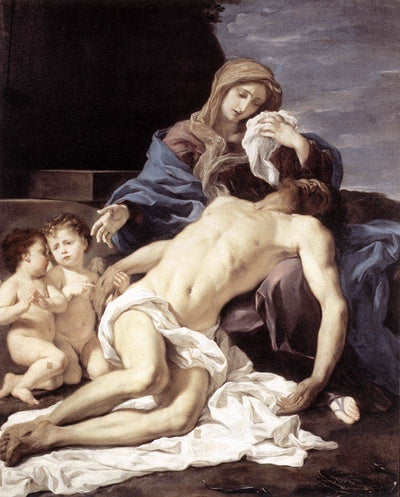
Giovanni Battista Gaulli, also known as Baciccio, embraced these characteristics in their works. Gaulli's Pietà reflects the emotional intensity and spiritual depth typical of Baroque art, showcasing the tension between suffering and divine grace. This painting captures the viewer's attention with its vivid storytelling and intricate details, making it a quintessential example of Baroque artistry.
Giovanni Battista Gaulli: A Luminary of the 17th Century
Giovanni Battista Gaulli was born in 1639 in Genoa, Italy. He became a prominent figure in the Baroque movement, known for his ability to blend architecture and painting seamlessly. Gaulli's work often featured
religious themes, and his Pietà stands out as a testament to his skill. He was influenced by the works of
Caravaggio and Bernini, which is evident in his dramatic use of light and shadow. Gaulli's legacy continues to inspire artists and art lovers alike.
Symbolism and Themes in Pietà
The Representation of Suffering and Redemption
In Gaulli's Pietà, the themes of suffering and redemption are powerfully intertwined. The painting depicts the moment after
Christ's crucifixion, emphasizing the pain of loss and the hope of salvation. This duality resonates deeply with viewers, inviting them to reflect on their own experiences of grief and healing. The emotional weight of the scene is palpable, making it a profound exploration of human experience.
Mary and Jesus: A Profound Maternal Bond
The bond between Mary and Jesus is central to the Pietà. Gaulli captures the deep sorrow of a mother mourning her son, highlighting the universal theme of maternal love. Mary's expression conveys both anguish and acceptance, embodying the strength of a mother's heart. This intimate portrayal invites viewers to connect with the emotional narrative, making it a timeless representation of love and loss.
Divine Light and Shadow: The Use of Chiaroscuro
Gaulli masterfully employs chiaroscuro, the contrast of light and shadow, to enhance the emotional impact of the Pietà. The divine light illuminating Mary and Jesus creates a sense of ethereal beauty, while the surrounding darkness symbolizes despair. This technique not only adds depth to the composition but also guides the viewer's eye to the focal point of the painting, emphasizing the sacred moment.
Artistic Techniques and Materials Used
Oil Painting Techniques: Layering and Glazing
Gaulli utilized traditional oil painting techniques, including layering and glazing, to achieve a rich, luminous quality in the Pietà. By applying multiple layers of paint, he created depth and texture, allowing the colors to interact beautifully. This meticulous process showcases Gaulli's dedication to craftsmanship and his understanding of how light affects color.
Color Palette: The Emotional Impact of Gaulli's Choices
The color palette in Gaulli's Pietà is carefully chosen to evoke emotion. Soft blues and warm earth tones dominate the scene, creating a sense of calm amidst the turmoil. The use of reds symbolizes sacrifice and love, while the contrasting darks heighten the drama. This thoughtful selection of colors enhances the overall narrative, drawing viewers into the emotional landscape of the painting.
Brushwork and Texture: Capturing Human Emotion
Gaulli's brushwork in the Pietà is both delicate and expressive. He skillfully captures the textures of skin, fabric, and hair, bringing the figures to life. The subtle variations in brushstroke convey the nuances of human emotion, allowing viewers to feel the weight of the moment. This attention to detail is a hallmark of Gaulli's style, making his work resonate with authenticity.
Iconography and Visual Elements in Pietà
Detailed Analysis of Figures: Mary and Christ
In the Pietà, Mary and Christ are depicted with remarkable
realism. Mary's face reflects profound sorrow, while Christ's lifeless body embodies the ultimate sacrifice. The positioning of their bodies creates a powerful diagonal line, drawing the viewer's eye across the canvas. This dynamic composition enhances the emotional intensity of the scene, making it unforgettable.
Background Elements: The Role of Architecture and Nature
The background of Gaulli's Pietà features
architectural elements that frame the figures, adding depth to the composition. The use of classical columns and arches evokes a sense of grandeur, while the natural elements symbolize the cycle of life and death. This interplay between architecture and
nature enriches the narrative, grounding the divine moment in a tangible reality.
Facial Expressions: Conveying Grief and Compassion
The facial expressions in the Pietà are masterfully rendered, conveying a spectrum of emotions. Mary's grief is palpable, while Christ's serene expression suggests peace in death. Gaulli's ability to capture these subtle nuances invites viewers to empathize with the figures, creating a powerful emotional connection that transcends time.
Comparative Analysis with Other Pietà Representations
Contrasting Gaulli's Pietà with Michelangelo's Version
When comparing Gaulli's Pietà to
Michelangelo's famous sculpture, distinct differences emerge. Michelangelo's work emphasizes the beauty of the human form, while Gaulli's painting focuses on emotional depth. Both artists convey the themes of loss and love, but their mediums and styles create unique interpretations of the same subject.
Influences from Other Artists: A Broader Perspective
Gaulli was influenced by various artists, including Caravaggio and Rubens. These influences are evident in his dramatic use of light and rich color palette. By blending these styles, Gaulli created a unique interpretation of the Pietà that resonates with viewers, showcasing the evolution of Baroque art.
Impact and Legacy of Pietà in Art History
Reception of Gaulli's Work in His Time
Upon its completion, Gaulli's Pietà received acclaim for its emotional depth and technical skill. Art critics praised his ability to convey complex themes through visual storytelling. This positive reception solidified Gaulli's reputation as a leading artist of the Baroque period, influencing his contemporaries and future generations.
Influence on Future Generations of Artists
Gaulli's Pietà has left a lasting impact on artists throughout history. Its emotional resonance and technical mastery continue to inspire painters, sculptors, and filmmakers. The themes of suffering, love, and redemption remain relevant, making Gaulli's work a timeless reference point in the art world.
Pietà in Contemporary Culture: References and Homages
Today, Gaulli's Pietà is referenced in various forms of contemporary culture, from literature to film. Artists pay homage to its themes and visual elements, demonstrating its enduring relevance. This continued recognition highlights the painting's significance in the broader context of art history.
Visiting the Original: Where to Experience Pietà
Location and Accessibility of the Original Painting
The original Pietà by Giovanni Battista Gaulli is housed in the Church of the Gesù in Rome, Italy. This stunning Baroque church is easily accessible to visitors, making it a must-see for art enthusiasts. The painting's location adds to its historical significance, allowing viewers to experience it in its intended context.
Guided Tours and Educational Resources Available
Visitors to the Church of the Gesù can take advantage of guided tours that provide insights into Gaulli's life and work. Educational resources, including pamphlets and audio guides, enhance the experience, allowing guests to appreciate the intricacies of the Pietà. Engaging with these resources deepens the understanding of this masterpiece.
Frequently Asked Questions about Pietà
What is the story behind the creation of Pietà?
Gaulli's Pietà was created during a time of religious fervor in the Baroque era. It reflects the deep emotional connection between Mary and Jesus, capturing the essence of grief and hope. The painting was commissioned for the Church of the Gesù, emphasizing its spiritual significance.
What are the main themes depicted in Gaulli's Pietà?
The main themes in Gaulli's Pietà include suffering, redemption, and the profound bond between mother and son. These themes resonate with viewers, inviting them to reflect on their own experiences of love and loss.
How does Gaulli's interpretation of Pietà differ from others?
Gaulli's interpretation of the Pietà emphasizes emotional depth and realism. Unlike other representations, his painting captures the raw grief of Mary and the serene acceptance of Christ, creating a powerful narrative that engages viewers on a personal level.
What techniques did Gaulli use to create emotional depth?
Gaulli employed techniques such as chiaroscuro, layering, and a carefully chosen color palette to create emotional depth in the Pietà. These methods enhance the painting's dramatic impact, drawing viewers into the scene.
Why is Pietà considered a significant work in Baroque art?
Pietà is significant in Baroque art due to its emotional intensity, technical mastery, and exploration of universal themes. Gaulli's ability to convey complex feelings through visual storytelling makes this painting a landmark in art history.
How can I appreciate the details in the painting when viewing it?
To appreciate the details in Gaulli's Pietà, take your time to observe the expressions, colors, and textures. Consider the emotional narrative and the techniques used to create depth. Engaging with the painting on a personal level will enhance your experience.
FAQs about the Painting Reproduction
What should I look for in a quality reproduction of Pietà?
When seeking a quality reproduction of Gaulli's Pietà, look for fine details, accurate colors, and a faithful representation of the original's emotional depth. A well-crafted reproduction should capture the essence of the masterpiece.
How can I ensure the reproduction captures the essence of the original?
To ensure a reproduction captures the essence of the original, choose a reputable artist or company specializing in oil painting reproductions. These reproductions offer superior quality compared to prints, preserving the texture and vibrancy of the original artwork.
Are there different styles of reproductions available for Pietà?
Yes, various styles of reproductions are available for Gaulli's Pietà. You can find traditional oil painting reproductions that closely mimic the original, as well as modern interpretations that may incorporate different artistic techniques. Each style offers a unique way to appreciate this timeless masterpiece.
 4.9/5
4.9/5