4.9/5
4.9/5







SAMPLES OF QUALITY
Recent Hand-Painted Reproductions
Discover some of our latest oil paintings, each one carefully hand-painted on canvas.

AS SEEN IN





Handmade Oil Painting on Canvas Art Reproduction, Museum-quality

The six dominant colors measured from the painting, with the share of canvas each one covers. Click a swatch to copy its hex code.
Processing & Shipping Time
Your delivery time includes two parts:
Shipping Methods
We ship with trusted couriers like FedEx, UPS, and DHL. Every shipment includes a tracking code.
Our goal is to deliver your order safely and quickly.
Shipment Safety Measures
We handle your products with care so they arrive in perfect condition:
Every product is insured and delivered right to your door, so you can feel confident buying from us.
Every Art & See painting is created by artists with 15+ years of experience using professional-grade oil paints and premium linen canvas with UV-resistant protective coating, the same museum-grade materials used in galleries worldwide. Each piece goes through quality review before your approval photos are taken. If after delivery you have any concerns about your painting, contact us at [email protected] and our team will work with you on the best path forward.
Full Warranty
Every painting is protected against physical damage during shipping. If your painting arrives damaged, we repair or replace it, free of charge.
Coverage Details
Transit damage (crushed, torn, water damage): we repair or replace at no cost. Please note that damages resulting from accidents or inappropriate use are not covered under this warranty.
Repair or Replace
Depending on the extent of damage, the affected painting will either be repaired or replaced at no additional cost to you.
Free Service
All warranty services are provided absolutely free of charge.
We want you to absolutely love your handmade artwork. Here's how it works:
In the rare case you approve the photos and the artwork has been shipped and delivered to you, and you still want additional modification requests, we can handle it as a courtesy at our discretion. If accepted, you cover the return shipping cost.
| Type | Hand-Painted Oil Painting Reproduction |
| Original Artist | Giovanni Battista Gaulli |
| Price Range | $350 to $1,150 |
| Shipping | Free Worldwide |
| Quality | Preview & Approve Before Shipping |
| Medium | Oil on Canvas |
| Canvas | Museum-Grade Linen Canvas |
| Technique | Hand-painted brushstroke-by-brushstroke |
| Art Style | Tenebrism |
| Period | 17th Century |
| Artist Nationality | Italian |
| Orientation | Vertical |
| Subject | Portraits male |
| Available Sizes | 7 (16'' W × 20'' H to 53'' W × 64'' H, including the original size), plus custom sizes |
| Framing Options | Unframed, Stretched Canvas, Classic & Modern Frames |
| Delivery | 14–28 business days |
| Size | 60 × 73 cm (23.5 × 28.5 in) |
| Year | 1667 |
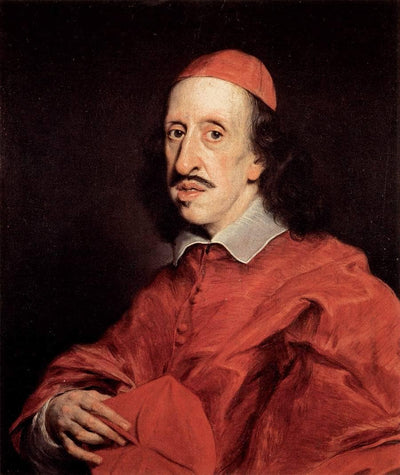
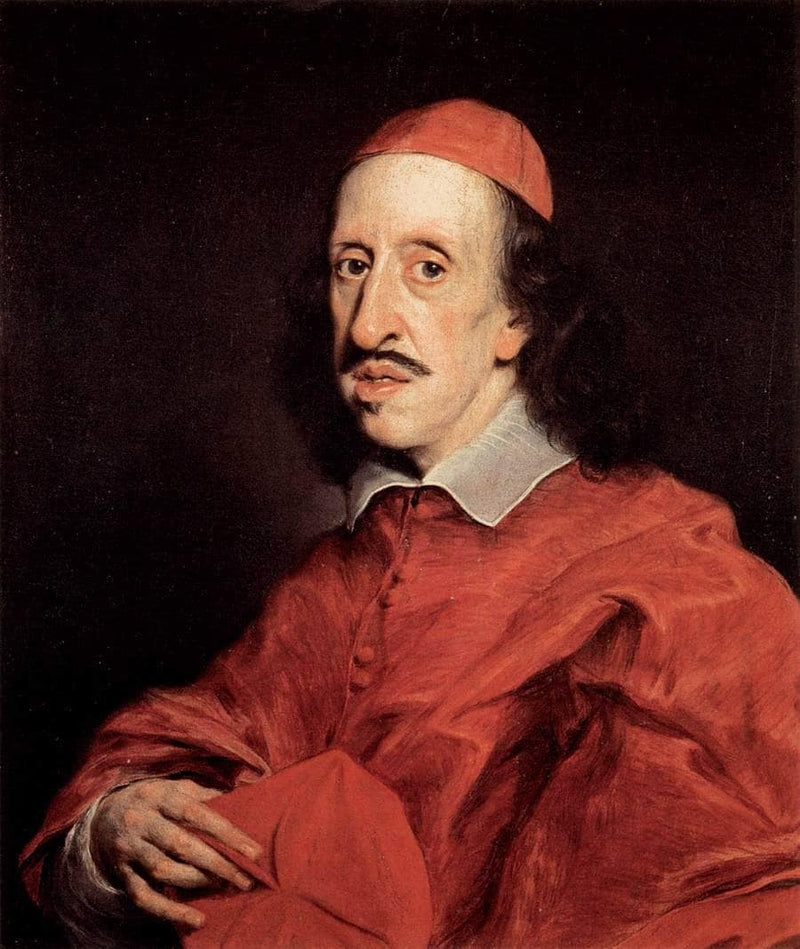
The Medici family, a powerful dynasty in Florence, played a crucial role in the Renaissance and Baroque periods. They were known for their immense wealth, political influence, and patronage of the arts. Cardinal Leopoldo De' Medici, born in 1617, was a significant figure in this illustrious family. He was not only a cardinal but also a key player in the cultural and religious landscape of 17th-century Italy. His support for artists and intellectuals helped shape the artistic heritage of the time.
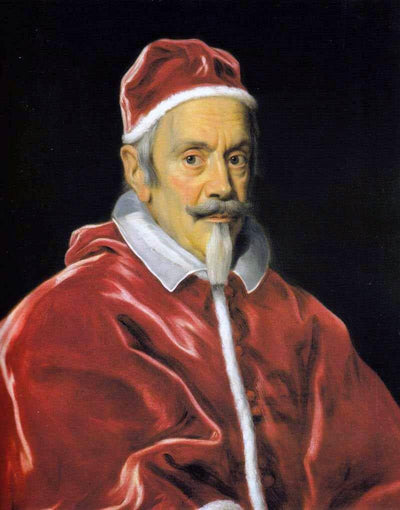
As a cardinal, Leopoldo held a prominent position within the Catholic Church. He was known for his dedication to the Counter-Reformation, which aimed to reform the Church and combat Protestantism. His influence extended beyond religious duties; he was a patron of the arts, commissioning works that reflected the Church's power and glory. This painting by Giovanni Battista Gaulli captures his dignified presence and the spiritual authority he wielded.
The Baroque era was marked by dramatic expressions and emotional depth in art. Cardinal Leopoldo's patronage was vital in promoting this style. He supported artists who created grandiose works that conveyed religious themes and showcased the Church's magnificence. This painting exemplifies the Baroque style, with its rich colors and dynamic composition, reflecting the era's artistic innovations.
Giovanni Battista Gaulli, also known as Baciccio, was a prominent Baroque painter. Born in 1639 in Genoa, he trained under the influence of the great artist Pietro da Cortona. Gaulli's work is characterized by its vibrant colors and dramatic lighting, which he mastered throughout his career. His connection to the Medici family, particularly Cardinal Leopoldo, allowed him to create significant works that are celebrated today.
Gaulli's style embodies the essence of the Baroque period. He employed techniques such as chiaroscuro, which uses strong contrasts between light and dark to create depth. His ability to capture movement and emotion in his subjects set him apart from his contemporaries. This painting of Cardinal Leopoldo showcases these techniques, making it a stunning example of Baroque artistry.
In addition to Cardinal Leopoldo De' Medici, Gaulli created numerous masterpieces, including ceiling frescoes in the Church of the Ges√π in Rome. His contributions to religious art helped define the visual language of the Baroque era. Gaulli's works continue to inspire artists and art lovers alike, highlighting his lasting impact on the art world.
The composition of Cardinal Leopoldo De' Medici is striking. Gaulli arranged the elements to draw the viewer's eye to the cardinal's face, which is illuminated against a darker background. The rich color palette, featuring deep reds and golds, enhances the sense of opulence and authority. This careful arrangement reflects the power and prestige of the subject.
Symbolism plays a crucial role in this artwork. The cardinal's attire, adorned with intricate details, signifies his high rank within the Church. The use of religious iconography, such as the cross and the cardinal's hat, reinforces his spiritual authority. Gaulli's attention to these details invites viewers to explore the deeper meanings behind the painting.
Gaulli masterfully captures Cardinal Leopoldo's expression, conveying a sense of wisdom and contemplation. The slight tilt of his head and the gentle positioning of his hands suggest a moment of reflection. This emotional depth adds a layer of intimacy to the painting, allowing viewers to connect with the cardinal on a personal level.
The cardinal's robes are rich in symbolism. The deep crimson color represents the blood of Christ, a powerful reminder of sacrifice and redemption. The luxurious fabric and intricate details reflect the wealth and status of the Church during the Baroque period. Gaulli's depiction of these robes emphasizes the importance of attire in conveying authority and piety.
Colors in religious art often carry significant meanings. In this painting, the use of gold symbolizes divine light and glory, while the red of the robes signifies love and sacrifice. Gaulli's thoughtful use of color enhances the spiritual message of the artwork, inviting viewers to reflect on its deeper meanings.
Gaulli's attention to detail is evident in the depiction of fabric and texture. The way the light interacts with the cardinal's robes creates a sense of realism that draws viewers in. The intricate patterns and folds of the fabric showcase Gaulli's skill in oil painting, making the artwork a true masterpiece of realism.
Upon its completion, Cardinal Leopoldo De' Medici received acclaim from critics and art enthusiasts alike. Viewers praised Gaulli's ability to capture the essence of his subject. The painting was celebrated for its emotional depth and technical mastery, solidifying Gaulli's reputation as a leading artist of the Baroque period.
This painting has influenced numerous artists and movements over the centuries. Its dramatic use of light and color inspired later Baroque painters and even modern artists. The emotional resonance and technical brilliance of Gaulli's work continue to be studied and admired in art schools and galleries worldwide.
Today, Cardinal Leopoldo De' Medici is housed in prestigious collections and is often featured in exhibitions celebrating Baroque art. Art lovers can view this masterpiece in various museums, where it remains a highlight due to its historical significance and artistic excellence.
Gaulli's use of oil painting techniques, such as layering and glazing, adds depth to the artwork. These methods allow for rich color saturation and subtle transitions between tones. The result is a luminous quality that enhances the overall impact of the painting.
The chiaroscuro technique is prominent in this painting. Gaulli skillfully contrasts light and shadow to create a three-dimensional effect. This technique not only highlights the cardinal's features but also adds drama and intensity to the composition.
Gaulli's meticulous brushwork showcases his dedication to realism. Each stroke contributes to the lifelike quality of the painting. The attention to detail in the cardinal's expression and attire reflects Gaulli's commitment to capturing the essence of his subject.
Cardinal Leopoldo De' Medici has appeared in various literary and cinematic works, often symbolizing the intersection of power and spirituality. His character is frequently explored in narratives that delve into the complexities of the Church during the Baroque era.
The themes and techniques found in Gaulli's painting continue to influence modern art and design. Artists draw inspiration from the emotional depth and dramatic compositions of Baroque works, integrating these elements into contemporary practices.
Public perception of Cardinal Leopoldo De' Medici remains strong. Art enthusiasts and historians recognize its significance in the Baroque canon. The painting's legacy endures as a testament to Gaulli's skill and the cultural richness of the Medici era.
Cardinal Leopoldo De' Medici represents the intersection of art, religion, and power during the Baroque period. His role in the Catholic Church and his patronage of the arts significantly influenced the cultural landscape of 17th-century Italy.
Giovanni Battista Gaulli, through his innovative techniques and emotional depth, became a leading figure in Baroque art. His works, including Cardinal Leopoldo De' Medici, exemplify the dramatic style and rich symbolism characteristic of the era.
The composition features a strong focus on Cardinal Leopoldo's face, enhanced by a rich color palette and dramatic lighting. The arrangement of elements draws the viewer's eye and emphasizes the cardinal's authority and presence.
The cardinal's attire symbolizes his high rank within the Church, with colors like crimson representing sacrifice and gold signifying divine glory. These elements reflect the power and prestige of the Catholic Church during the Baroque period.
Cardinal Leopoldo De' Medici has been well-received since its creation, praised for its emotional depth and technical mastery. It continues to be celebrated in art exhibitions and collections, highlighting its enduring significance.
Yes, there are many high-quality oil painting reproductions of Cardinal Leopoldo De' Medici available. These reproductions capture the essence of the original artwork, offering art lovers a chance to own a piece of Baroque history.
When purchasing a reproduction, consider the quality of the materials used and the artist's technique. Oil painting reproductions are superior to prints, as they replicate the texture and depth of the original artwork, providing a more authentic experience.

Discover some of our latest oil paintings, each one carefully hand-painted on canvas.
At Art & See, we're committed to delivering the highest quality art reproductions. Our team of expert artists and state-of-the-art processes ensure that each piece is a masterpiece in its own right.

Experience your masterpiece's creation through daily photos from our expert artists, each with 15+ years of experience.

Your artwork travels first class via UPS, FedEx, or DHL, protected by museum-grade packaging for safe delivery.

Review unedited photos of your finished painting and request unlimited free revisions before it ships. We only ship when you say it's perfect.

Every piece is crafted with archival materials, UV-resistant finishes, and premium British paints to last generations.
Yes, 100% hand-painted with oil on canvas by artists with 15+ years of experience. No prints, no digital shortcuts. You'll see and feel real brushstrokes, just like the original Giovanni Battista Gaulli masterpiece.
Your Cardinal Leopoldo De' Medici reproduction takes 2–5 weeks to hand-paint depending on size and detail. Once approved, shipping takes 5–8 days via FedEx, UPS, or DHL with full tracking. Free worldwide shipping included.
Absolutely. Once your Cardinal Leopoldo De' Medici is complete, we send you unedited photos, a full view and close-up details. Request unlimited free revisions until you're 100% satisfied. We don't ship until you say "yes."
Every painting goes through our Preview & Approve process: you receive unedited photos of your finished Giovanni Battista Gaulli reproduction and can request unlimited free revisions before it ships. We only ship when you say it's perfect. If after delivery you have any concerns, contact us at [email protected] and our team will work with you on the best path forward.
Professional-grade oil paints (Windsor & Newton) on premium linen canvas with UV-resistant protective coating. Museum-grade materials built to last generations, the same quality used in galleries worldwide.
Our artists specialize in Giovanni Battista Gaulli's technique: color accuracy, brushwork, and composition are matched to the original. Every reproduction goes through quality review before your approval photos are taken.
Every painting is insured and delivered door-to-door. Unframed paintings ship in protective hard tubes. Framed paintings are bubble-wrapped in sturdy boxes. If anything arrives damaged, we repair or replace it free.
Dive into the vibrant world of Historic Art. Discover your next painting today.