The Historical Significance of The Battle of Poitiers in Art
Understanding the Context: The Umayyad Invasion of Europe
The
Battle of Poitiers, fought on October 25, 732, marked a pivotal moment in European history. This clash occurred during the Umayyad invasion, which sought to expand Islamic rule into Western Europe. The Umayyad Caliphate, known for its vast empire and cultural advancements, faced fierce resistance from the Franks. This battle not only halted the Muslim advance but also shaped the future of Christendom.
Lesser-known facts reveal that the battle was not just a military confrontation but also a cultural turning point. The Franks, under Charles Martel, united various tribes to defend their homeland. This unity laid the groundwork for the future Carolingian Empire. The battle's outcome influenced the
religious landscape of Europe, reinforcing the power of the Catholic Church against external threats.
Charles Martel: The Hero of the Franks
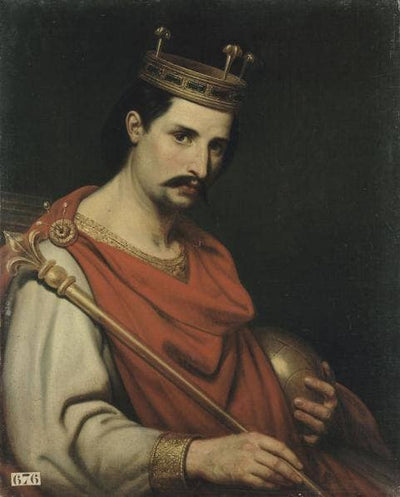
Charles Martel, often referred to as "The Hammer," emerged as a legendary figure in this conflict. His strategic brilliance and leadership were crucial in rallying the Frankish forces. Martel's victory at Poitiers solidified his reputation and established him as a protector of Christendom. His legacy continued through his grandson, Charlemagne, who would later expand the Frankish Empire.
Martel's role in the battle is often romanticized, but his military tactics were innovative for the time. He utilized heavy cavalry and infantry formations, which proved effective against the Umayyad forces. This battle showcased Martel's ability to adapt and respond to the challenges of warfare, making him a key figure in European history.
The Impact of the Battle on European History
The Battle of Poitiers had far-reaching consequences for Europe. It marked the beginning of a series of conflicts between Christian and Muslim forces, shaping the political landscape for centuries. The victory not only preserved the Frankish territories but also inspired future generations to defend their faith and homeland.
This battle is often seen as a turning point that led to the eventual rise of the Carolingian Empire. It fostered a sense of identity among the Franks, uniting them against a common enemy. The legacy of Poitiers resonates in the historical narratives of Europe, emphasizing the importance of this event in the broader context of medieval history.
Artistic Elements of Charles de Steuben's Masterpiece
Composition and Color Palette: A Study in Contrast
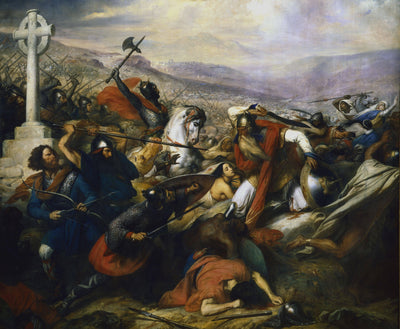
Charles de Steuben's painting, "The Battle of Poitiers," captures the intensity of the conflict through its dynamic composition. The artist employs a rich color palette, contrasting dark, ominous hues with vibrant highlights. This technique draws the viewer's eye to the central figures, emphasizing the drama of the battle.
The arrangement of elements within the painting creates a sense of movement. The swirling
clouds and dynamic poses of the warriors convey the chaos of battle. Steuben's use of light and shadow enhances the emotional impact, making the viewer feel the urgency of the moment.
Figures and Symbolism: The Representation of Valor
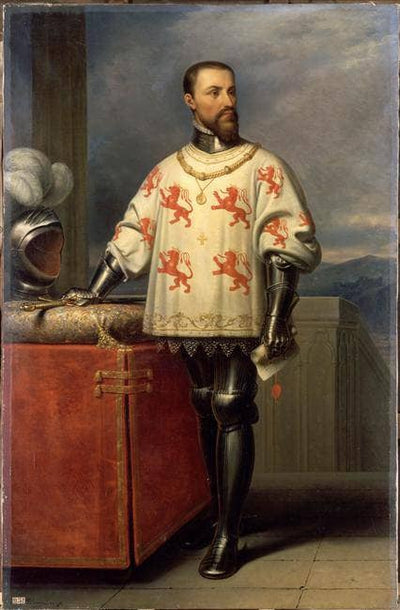
The figures in Steuben's painting are not just soldiers; they symbolize the valor and determination of the Franks. Charles Martel stands prominently, embodying leadership and courage. His posture and expression reflect the weight of his responsibility as a defender of his people.
The warriors surrounding Martel represent the diverse tribes united under his command. Each figure is meticulously detailed, showcasing their unique armor and weapons. This attention to detail highlights the individuality of the soldiers while reinforcing the theme of unity in the face of adversity.
Brushwork Techniques: Capturing Movement and Emotion
Steuben's brushwork is a testament to his skill as an artist. He employs a combination of loose and precise strokes to convey both movement and emotion. The fluidity of the brushwork captures the chaos of battle, while the detailed rendering of faces and armor adds depth to the characters.
The emotional intensity of the scene is palpable. You can almost feel the tension and fear of the soldiers as they engage in combat. Steuben's ability to evoke such feelings through his art sets this painting apart from others of its time.
Exploring the Iconography of The Battle of Poitiers
Key Figures Depicted: Martel and His Warriors
In "The Battle of Poitiers," Charles Martel is the focal point, surrounded by his loyal warriors. Each figure is carefully crafted to represent the diverse backgrounds of the Frankish forces. This diversity highlights the unity that was essential for their victory.
The painting also includes notable figures from the Umayyad side, illustrating the clash of cultures. This representation serves to emphasize the significance of the battle as a cultural and religious confrontation, not just a military one.
Imagery of Conflict: The Clash of Cultures
The imagery in Steuben's painting vividly depicts the clash between the Christian Franks and the Muslim Umayyads. The contrasting colors and styles of armor symbolize the cultural differences between the two forces. This visual representation enhances the narrative of the battle as a struggle for dominance.
The chaotic scenes of combat reflect the broader historical context of the time. The painting serves as a reminder of the ongoing conflicts that shaped Europe and the Mediterranean region.
Religious Undertones: The Role of Faith in Warfare
Religion plays a significant role in the narrative of "The Battle of Poitiers." The Franks viewed their struggle as a holy war, defending Christianity against the advancing Muslim forces. This theme is subtly woven into the artwork, with symbols of faith present in the imagery.
The painting captures the fervor and conviction of the soldiers, who believed they were fighting for a divine cause. This religious undertone adds depth to the historical significance of the battle, illustrating how faith influenced the motivations of the warriors.
The Legacy of The Battle of Poitiers in Art History
Influence on Later Artists and Movements
The Battle of Poitiers has inspired countless artists throughout history. Steuben's interpretation of this event set a precedent for how battles were depicted in art. His focus on emotion and movement influenced later
Romantic artists who sought to capture the drama of historical events.
The themes of heroism and sacrifice found in Steuben's work resonate in many subsequent artistic movements. Artists have continued to explore the intersection of history and emotion, drawing inspiration from the legacy of Poitiers.
Comparative Analysis: Other Historical Paintings of Battles
When compared to other historical battle paintings, Steuben's work stands out for its emotional depth. While many artists focused solely on the grandeur of warfare, Steuben captured the human experience within the chaos. This unique perspective allows viewers to connect with the figures on a personal level.
Other notable battle paintings, such as Delacroix's "Liberty Leading the People," share thematic similarities but differ in execution. Steuben's attention to detail and emotional resonance sets his work apart in the realm of historical art.
Preservation and Restoration: Maintaining Artistic Integrity
Preserving and restoring "The Battle of Poitiers" is essential for maintaining its artistic integrity. Art conservators work diligently to protect the painting from environmental damage and deterioration. This process ensures that future generations can appreciate Steuben's masterpiece in its original form.
The techniques used in restoration are crucial for preserving the colors and details that make the painting so impactful. Ongoing efforts to maintain this artwork reflect its significance in art history and
cultural heritage.
First-Hand Experience: Viewing The Battle of Poitiers
Visiting Museums: Where to See the Original Work
To truly appreciate "The Battle of Poitiers," visiting museums that house the original work is essential. Art enthusiasts can experience the grandeur of Steuben's painting up close. Museums often provide context and information about the historical significance of the artwork.
Engaging with the original piece allows viewers to connect with the emotions and stories captured in the painting. The scale and detail are best appreciated in person, making museum visits a rewarding experience.
Art Exhibitions: Engaging with Historical Art
Art exhibitions featuring "The Battle of Poitiers" offer a unique opportunity to explore the painting in a curated setting. These exhibitions often include related works and historical artifacts, providing a comprehensive understanding of the context surrounding the battle.
Attending exhibitions allows for deeper engagement with the themes and techniques used by Steuben. Visitors can participate in discussions and workshops that enhance their appreciation of historical art.
Personal Reflections: The Emotional Impact of the Painting
Viewing "The Battle of Poitiers" evokes a range of emotions. The intensity of the scene, combined with the historical significance, creates a powerful experience. Many viewers find themselves reflecting on the themes of courage, sacrifice, and the complexities of war.
The painting serves as a reminder of the human stories behind historical events. Each figure represents not just a soldier but a person with hopes, fears, and dreams. This emotional connection makes Steuben's work resonate with audiences today.
Frequently Asked Questions About The Battle of Poitiers
What is the historical significance of The Battle of Poitiers?
The Battle of Poitiers is significant as it halted the Umayyad expansion into Europe, preserving Christian territories and shaping the future of the continent.
Who was Charles de Steuben and what is his contribution to art?
Charles de Steuben was a prominent artist known for his historical paintings. His work on "The Battle of Poitiers" is celebrated for its emotional depth and historical accuracy.
What techniques did Charles de Steuben use in this painting?
Steuben employed a combination of dynamic composition, a rich color palette, and expressive brushwork to convey movement and emotion in "The Battle of Poitiers."
How does The Battle of Poitiers compare to other battle paintings?
Unlike many battle paintings that focus on grandeur, Steuben's work emphasizes the human experience and emotional intensity of warfare, setting it apart in art history.
What themes are explored in The Battle of Poitiers?
The painting explores themes of heroism, sacrifice, cultural conflict, and the role of faith in warfare, reflecting the complexities of the historical moment.
Can I find reproductions of The Battle of Poitiers?
Yes, high-quality painting reproductions of "The Battle of Poitiers" are available. These reproductions capture the detail and emotion of the original artwork, making them a superior choice to prints.
What should I consider when purchasing a reproduction of this painting?
When purchasing a reproduction, consider the quality of materials, the accuracy of colors, and the craftsmanship involved. A well-made reproduction can bring the beauty of Steuben's work into your home.
 4.9/5
4.9/5