4.9/5
4.9/5


Famous Tree Paintings
Famous tree paintings run through the whole story of European landscape, and this page holds 4,858 hand-painted oil reproductions in which trees carry the picture. You can order The Starry Night, Olive Trees with Yellow Sky and Sun, Branches with Almond Blossom, Large Plane Trees and Two Poplars on a Hill by Vincent van Gogh, The Hay Wain by John Constable, The Japanese Bridge by Claude Monet, Apple Gathering, Quimperle by Walter Osborne and The Hammock by William James Glackens. Every piece here is hand-painted in oil on canvas by a studio artist, never printed.
-
The Ford


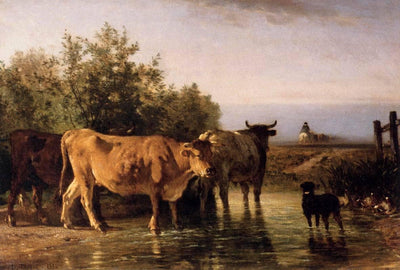 Vendor:Constant Troyon
The Ford
- Regular price
- From $299.95
- Sale price
- From $299.95
- Regular price
-
$350.95
-
The Angler


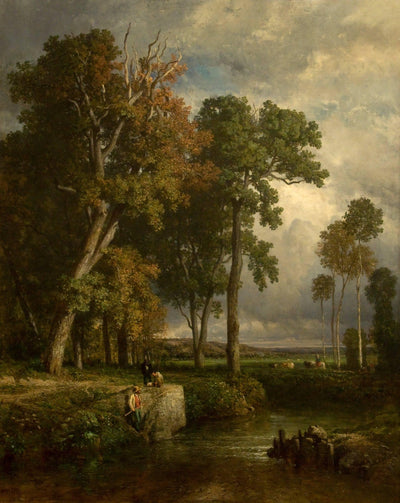 Vendor:Constant Troyon
The Angler
- Regular price
- From $299.95
- Sale price
- From $299.95
- Regular price
-
$350.95
-
Goose Girl


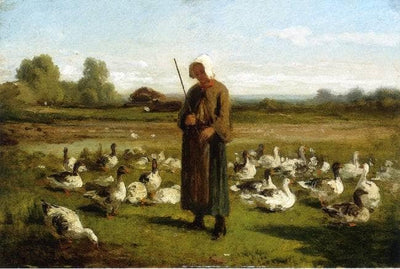 Vendor:Constant Troyon
Goose Girl
- Regular price
- From $299.95
- Sale price
- From $299.95
- Regular price
-
$350.95
-
Returning From Pasture


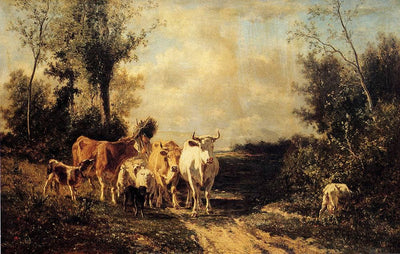 Vendor:Constant Troyon
Returning From Pasture
- Regular price
- From $299.95
- Sale price
- From $299.95
- Regular price
-
$350.95
-
La Vallee


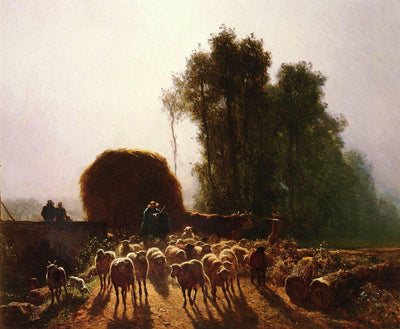 Vendor:Constant Troyon
La Vallee
- Regular price
- From $299.95
- Sale price
- From $299.95
- Regular price
-
$350.95
-
On the Way to the Market


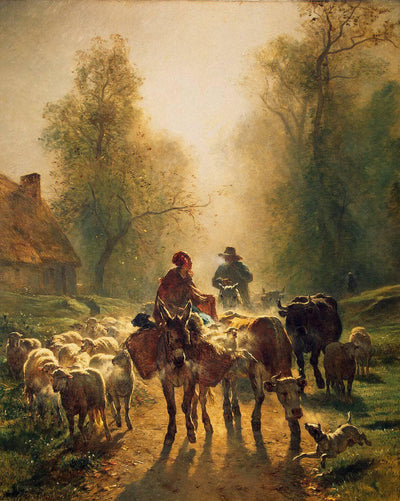 Vendor:Constant Troyon
On the Way to the Market
- Regular price
- From $299.95
- Sale price
- From $299.95
- Regular price
-
$350.95
-
Cows at the Watering


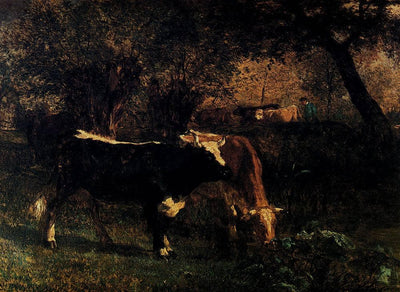 Vendor:Constant Troyon
Cows at the Watering
- Regular price
- From $299.95
- Sale price
- From $299.95
- Regular price
-
$350.95
-
Cows in the Field

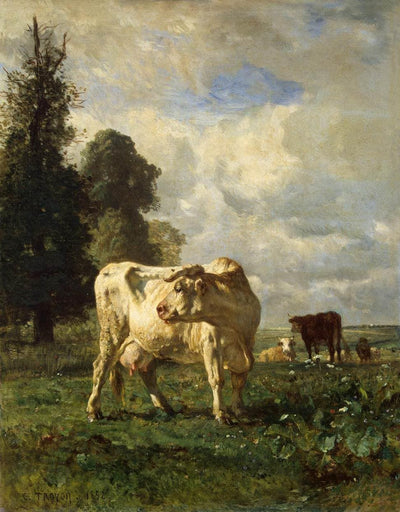 Vendor:Constant Troyon
Cows in the Field
- Regular price
- From $299.95
- Sale price
- From $299.95
- Regular price
-
$350.95
-
Watercourse in the woods


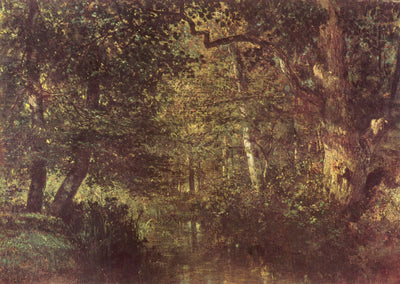 Vendor:Constant Troyon
Watercourse in the woods
- Regular price
- From $299.95
- Sale price
- From $299.95
- Regular price
-
$350.95
-
Cows in a Landscape

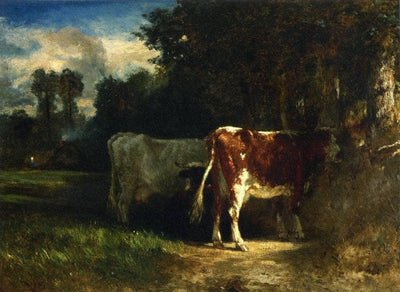 Vendor:Constant Troyon
Cows in a Landscape
- Regular price
- From $299.95
- Sale price
- From $299.95
- Regular price
-
$350.95
-
Water Carriers


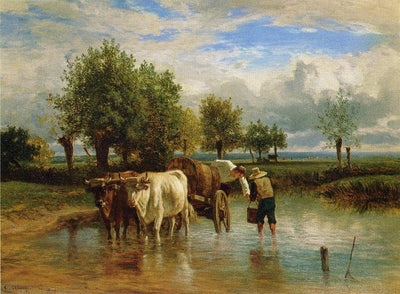 Vendor:Constant Troyon
Water Carriers
- Regular price
- From $299.95
- Sale price
- From $299.95
- Regular price
-
$350.95
-
Approaching Storm

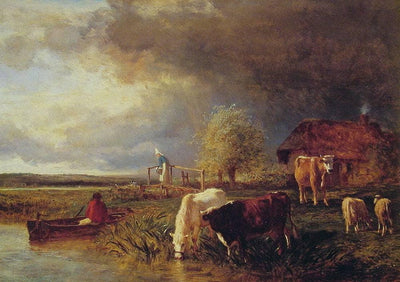 Vendor:Constant Troyon
Approaching Storm
- Regular price
- From $299.95
- Sale price
- From $299.95
- Regular price
-
$350.95
-
On The Farm

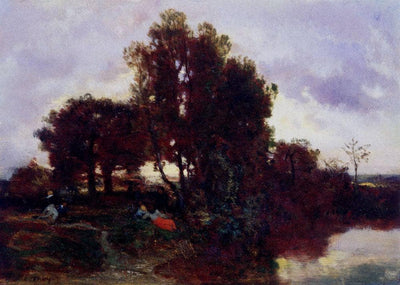 Vendor:Constant Troyon
On The Farm
- Regular price
- From $299.95
- Sale price
- From $299.95
- Regular price
-
$350.95
-
A View Towards The Seine From Suresnes

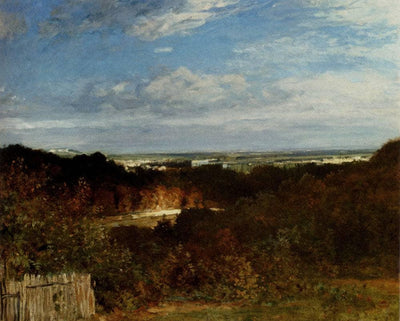 Vendor:Constant Troyon
A View Towards The Seine From Suresnes
- Regular price
- From $299.95
- Sale price
- From $299.95
- Regular price
-
$350.95
-
Apple Harvest in Normandy

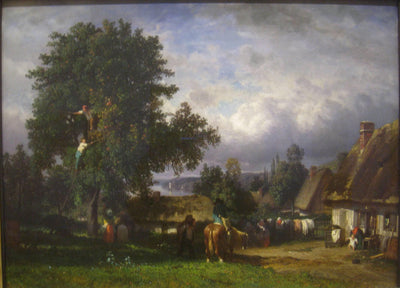 Vendor:Constant Troyon
Apple Harvest in Normandy
- Regular price
- From $299.95
- Sale price
- From $299.95
- Regular price
-
$350.95
-
Path in a Small Wood


 Vendor:Constant Troyon
Path in a Small Wood
- Regular price
- From $299.95
- Sale price
- From $299.95
- Regular price
-
$350.95
-
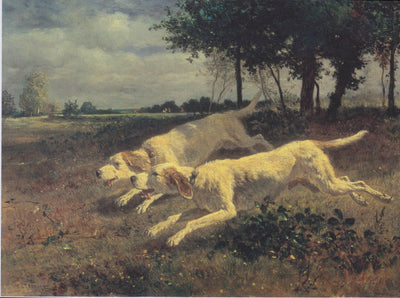
Running dogs

 Vendor:Constant Troyon
Running dogs
- Regular price
- From $299.95
- Sale price
- From $299.95
- Regular price
-
$350.95
-
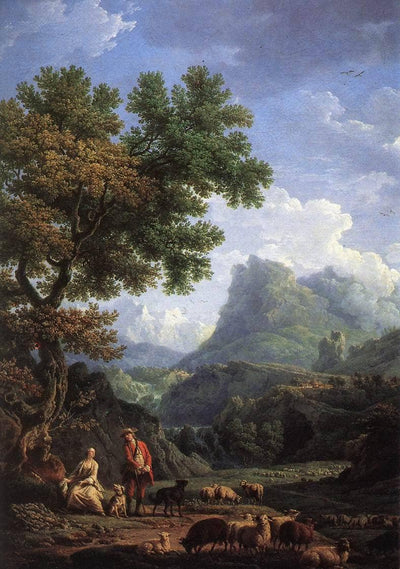
Shepherd in the Alps

 Vendor:Claude-Joseph Vernet
Shepherd in the Alps
- Regular price
- From $299.95
- Sale price
- From $299.95
- Regular price
-
$350.95
-
La Pêche En Rivière

 Vendor:Claude-Joseph Vernet
La Pêche En Rivière
- Regular price
- From $299.95
- Sale price
- From $299.95
- Regular price
-
$350.95
-
Soldiers in a Mountain Gorge, with a Storm

 Vendor:Claude-Joseph Vernet
Soldiers in a Mountain Gorge, with a Storm
- Regular price
- From $299.95
- Sale price
- From $299.95
- Regular price
-
$350.95
-
Landscape with Waterfall and Figures

 Vendor:Claude-Joseph Vernet
Landscape with Waterfall and Figures
- Regular price
- From $299.95
- Sale price
- From $299.95
- Regular price
-
$350.95
-
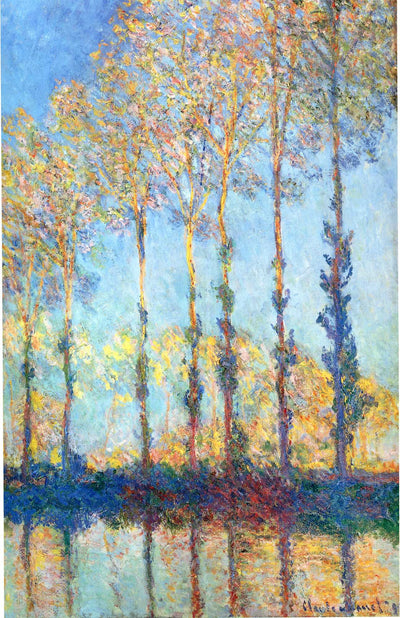
Poplars on the Banks of the Epte

 Vendor:Claude Monet
Poplars on the Banks of the Epte
- Regular price
- From $299.95
- Sale price
- From $299.95
- Regular price
-
$350.95
-
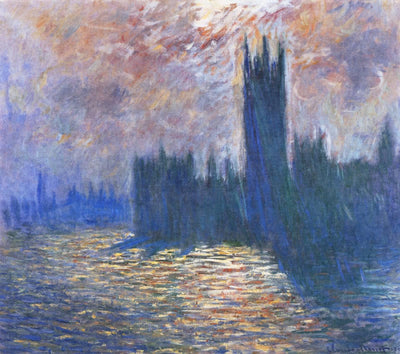
Parliament, Reflections on the Thames

 Vendor:Claude Monet
Parliament, Reflections on the Thames
- Regular price
- From $249.95
- Sale price
- From $249.95
- Regular price
-
$292.45
-
Poplars on the Banks of the Epte, Autumn

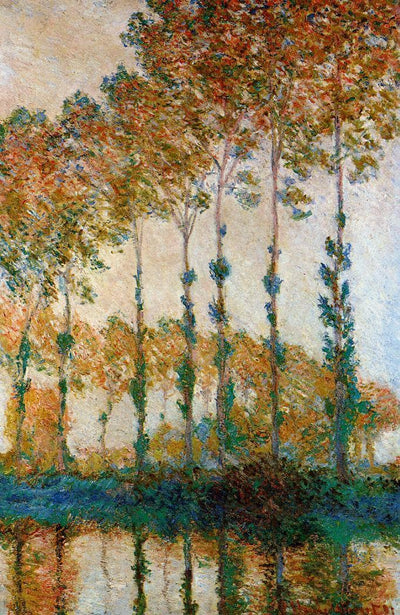 Vendor:Claude Monet
Poplars on the Banks of the Epte, Autumn
- Regular price
- From $299.95
- Sale price
- From $299.95
- Regular price
-
$350.95
-
The Flowered Garden

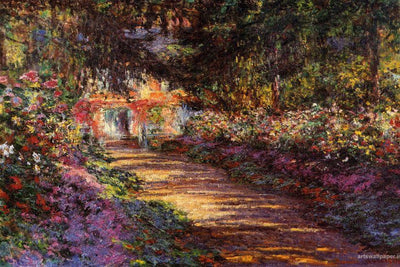 Vendor:Claude Monet
The Flowered Garden
- Regular price
- From $299.95
- Sale price
- From $299.95
- Regular price
-
$350.95
-
The Three Trees, Autumn


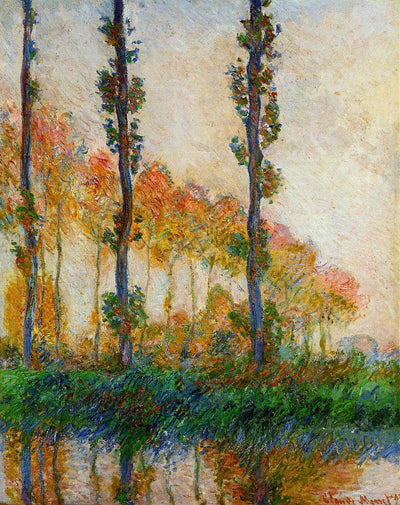 Vendor:Claude Monet
The Three Trees, Autumn
- Regular price
- From $299.95
- Sale price
- From $299.95
- Regular price
-
$350.95
-
Weeping Willow

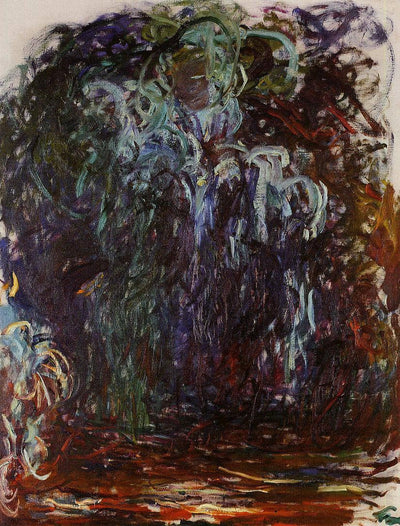 Vendor:Claude Monet
Weeping Willow
- Regular price
- From $249.95
- Sale price
- From $249.95
- Regular price
-
$292.45
-
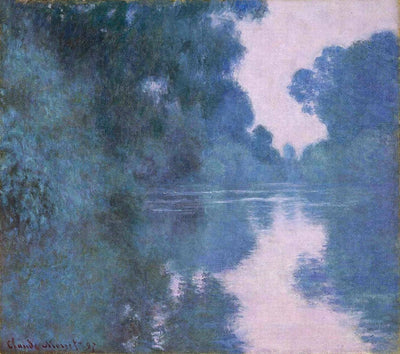
Morning on the Seine near Giverny 02

 Vendor:Claude Monet
Morning on the Seine near Giverny 02
- Regular price
- From $249.95
- Sale price
- From $249.95
- Regular price
-
$292.45
-
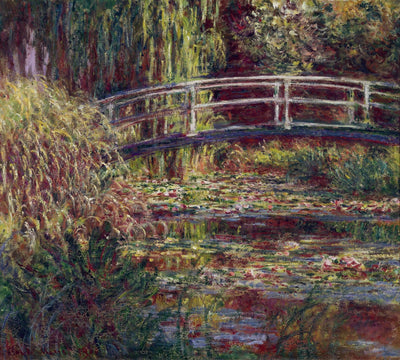
The Japanese Bridge (The Water-Lily Pond, Symphony in Rose)

 Vendor:Claude Monet
The Japanese Bridge (The Water-Lily Pond, Symphony in Rose)
- Regular price
- From $249.95
- Sale price
- From $249.95
- Regular price
-
$292.45
-
Springtime

 Vendor:Claude Monet
Springtime
- Regular price
- From $299.95
- Sale price
- From $299.95
- Regular price
-
$350.95
-
Meadows in Giverny

 Vendor:Claude Monet
Meadows in Giverny
- Regular price
- From $249.95
- Sale price
- From $249.95
- Regular price
-
$292.45
-
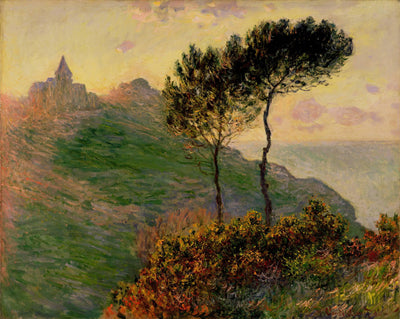
The Church at Varengeville

 Vendor:Claude Monet
The Church at Varengeville
- Regular price
- From $299.95
- Sale price
- From $299.95
- Regular price
-
$350.95
-
Vetheuil

 Vendor:Claude Monet
Vetheuil
- Regular price
- From $249.95
- Sale price
- From $249.95
- Regular price
-
$292.45
-
Storm, off the Coast of Belle-Ile

 Vendor:Claude Monet
Storm, off the Coast of Belle-Ile
- Regular price
- From $299.95
- Sale price
- From $299.95
- Regular price
-
$350.95
-
Gennevilliers Plain

 Vendor:Claude Monet
Gennevilliers Plain
- Regular price
- From $299.95
- Sale price
- From $299.95
- Regular price
-
$350.95
-
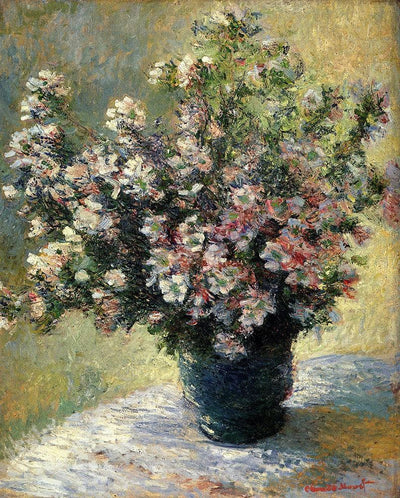
Vase of Flowers

 Vendor:Claude Monet
Vase of Flowers
- Regular price
- From $299.95
- Sale price
- From $299.95
- Regular price
-
$350.95
-
Villas at Bordighera

 Vendor:Claude Monet
Villas at Bordighera
- Regular price
- From $249.95
- Sale price
- From $249.95
- Regular price
-
$292.45
-
Palm Tree at Bordighera

 Vendor:Claude Monet
Palm Tree at Bordighera
- Regular price
- From $299.95
- Sale price
- From $299.95
- Regular price
-
$350.95
-
Landscape with Thunderstorm, Vetheuil, 1880

 Vendor:Claude Monet
Landscape with Thunderstorm, Vetheuil, 1880
- Regular price
- From $299.95
- Sale price
- From $299.95
- Regular price
-
$350.95
-
Garden in Bordighera, Impression of Morning

 Vendor:Claude Monet
Garden in Bordighera, Impression of Morning
- Regular price
- From $299.95
- Sale price
- From $299.95
- Regular price
-
$350.95
-
Sunset on the Seine at Lavacourt, Winter Effect

 Vendor:Claude Monet
Sunset on the Seine at Lavacourt, Winter Effect
- Regular price
- From $299.95
- Sale price
- From $299.95
- Regular price
-
$350.95
-
The Church at Vetheuil under Snow

 Vendor:Claude Monet
The Church at Vetheuil under Snow
- Regular price
- From $299.95
- Sale price
- From $299.95
- Regular price
-
$350.95
-
The Garden at Vetheuil

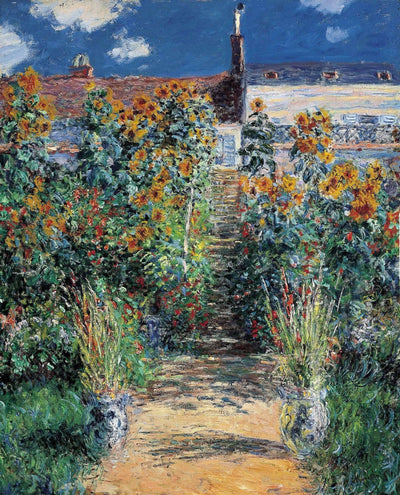 Vendor:Claude Monet
The Garden at Vetheuil
- Regular price
- From $299.95
- Sale price
- From $299.95
- Regular price
-
$350.95
-
Promenade near Argenteuil

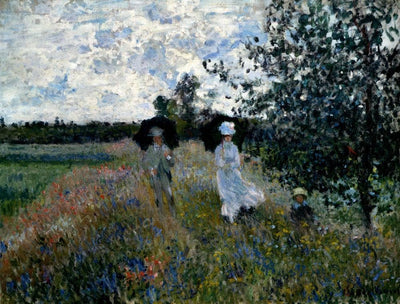 Vendor:Claude Monet
Promenade near Argenteuil
- Regular price
- From $299.95
- Sale price
- From $299.95
- Regular price
-
$350.95
-
Landscape With Thunderstorm

 Vendor:Claude Monet
Landscape With Thunderstorm
- Regular price
- From $299.95
- Sale price
- From $299.95
- Regular price
-
$350.95


Frequently Asked Questions
How much do Botanicals Tree oil painting reproductions cost?
Our Botanicals Tree oil painting reproductions start at $299.95. Prices vary by size: larger canvases and custom dimensions cost more. Every painting includes free worldwide shipping and a 90-day satisfaction guarantee.
What Botanicals Tree paintings are available?
We carry 4671+ Botanicals Tree oil painting reproductions. Highlights include The Ford, The Angler, Goose Girl, Returning From Pasture, La Vallee. Every piece is hand-painted by professional artists on premium canvas.
Are these Botanicals Tree prints or hand-painted reproductions?
Every Botanicals Tree reproduction is 100% hand-painted by professional artists using premium oil paints on gallery-grade canvas. These are not prints, giclées, or digital reproductions. Each piece captures the original brushwork, texture, and color depth of the masterpiece.
What sizes are available for Botanicals Tree painting reproductions?
Each Botanicals Tree painting is available in multiple standard sizes, from small (16" × 20") to large museum-scale formats. Custom dimensions are available upon request. Contact us with your preferred size for a quote.
How long does it take to receive my painting?
Each painting is made to order. Production takes 2–3 weeks, plus 5–10 business days for worldwide shipping. Total delivery time is typically 3–5 weeks depending on your location. Shipping is free worldwide.
What is your return policy?
We offer a 90-day satisfaction guarantee. If you're not completely happy with your painting, contact us for a full refund or replacement, no questions asked.
Trees in the landscape tradition
Painting of this kind depicts natural scenery such as mountains, valleys, rivers, trees and forests, especially where the main view is wide and its elements are arranged into a coherent composition. Sky is almost always included in the view, and weather is often an element of the composition. In that list, trees do a job nothing else can do: they give the picture scale, they carry the weather, and they mark the season.
That is why so many wide views are really tree paintings. Take the trunks out of The Hay Wain and the scene collapses. The same is true of an avenue, an orchard or a single oak in a field. A tree is the only element in a natural view that is both vertical and alive, so the painter used it to hold everything else in place, and images of that arrangement repeat for four hundred years.
Famous tree paintings
These are the pictures people ask for by name, and each can be ordered as a hand-painted reproduction in oil.
- The Starry Night, an oil painted in June 1889, showing the view from the east-facing window of van Gogh's asylum room at Saint-Remy-de-Provence just before sunrise, with an imaginary village added. It has been in the permanent collection of the Museum of Modern Art in New York since 1941, and the cypress in the foreground is the most famous tree in Western art.
- Olive Trees with Yellow Sky and Sun. Vincent van Gogh produced at least 15 canvases of the olive groves, mostly at Saint-Remy-de-Provence in 1889. At his own request he lived at an asylum there from May 1889 through May 1890, painting the asylum grounds and, when he had permission to venture outside the walls, the nearby olive trees, cypresses and wheat fields.
- Branches with Almond Blossom. Almond Blossoms is a group of several works made in 1888 and 1890 in Arles and Saint-Remy of blossoming almond trees. Flowering trees were special to van Gogh: they represented awakening and hope, he enjoyed them aesthetically, and he found joy in painting them. The set reflects the influence of Impressionism, Divisionism and Japanese woodcuts, and Almond Blossom was made to celebrate the birth of his nephew and namesake.
- Trees in the Asylum Garden and Large Plane Trees, from the same years and the same hand.
- The Hay Wain, originally titled Landscape: Noon, completed in 1821. It shows a rural scene on the River Stour between Suffolk and Essex, hangs in the National Gallery in London, and is regarded as Constable's most famous image and one of the quintessential paintings of the Romantic movement.
- The Japanese Bridge by Claude Monet, the water lily pond at Giverny with its willows.
- Cafe Terrace at Night, the Place du Forum in Arles, where a plane tree holds the right side of the composition.
- Two Poplars on a Hill and Wheat Field with Cypresses.
- Apple Gathering, Quimperle by Walter Osborne and The Hammock by William James Glackens, two orchard and garden scenes with figures under the branches.
- Horse between Birches by Nikolay Bogdanov-Belsky, birch trunks as vertical stripes.
- Prospect Park, Brooklyn by William Merritt Chase and Camp Fire by Winslow Homer.
Van Gogh and the tree as a living thing
No artist is more identified with these things. Vincent van Gogh painted at least 15 canvases of olives alone, most of them in 1889, from inside and around the asylum at Saint-Remy-de-Provence where he lived at his own request from May 1889 through May 1890. When he had permission to leave the walls he went out to the groves, the cypresses and the wheat fields, and those three subjects account for a large part of his last year.
The flowering ones meant something different to him. Trees in blossom represented awakening and hope, he enjoyed them aesthetically, and he found joy in painting them; the almond blossom pictures reflect the influence of Impressionism, Divisionism and Japanese woodcuts, and one of them was made to celebrate the birth of his nephew and namesake. That is why a van Gogh blossom picture reads as a happy object even to somebody who knows nothing about him.
What makes his trunks different from everyone else's is that they move. The branches are painted as a series of separate strokes, each one a decision, so the whole thing behaves like something growing rather than something standing. Nobody before him did that, and almost everybody after him has tried.
Kinds of tree picture here
It is a big group, 4,858 works, so it helps to know what you are looking for.
The single specimen. One oak, one cypress, one pine, standing alone in a field or on a hill, with the whole composition built around it. These are the strongest tree paintings and the easiest to hang.
The avenue and the grove. Two poplars on a hill, a row of plane trees, birch stems repeating across a picture. These work as pattern and they suit a narrow wall or a hall, since the rhythm carries along the length of the picture.
The orchard and the blossom. Apple gathering, almond branches, spring in a walled plot. This is the seasonal family, and every time spring comes round it is the one people buy.
The tree inside a scene. The Hay Wain, The Japanese Bridge, a cafe terrace at night, a hammock under a canopy. Here the trunk is the frame rather than the point, and these are the most useful pictures of the four kinds, because they carry a story as well as a season.
Forest, orchard and the nature behind the picture
Trees sit between two larger subjects. On one side there is the forest, where individual trunks disappear into a mass and the picture becomes about light in a dark place. On the other there is the planted plot, where nature is arranged and a tree is furniture.
Caspar David Friedrich is the artist who makes the most of the first. He was a German Romantic painter of scenery, generally considered the most important German artist of his generation, whose often symbolic and anti-classical work conveys a subjective, emotional response to the natural world; his pictures set contemplative human figures against dark skies, morning mists, barren trees or Gothic ruins, and life is always somewhere behind them. A barren tree in Friedrich is never just a tree.
Claude Monet is the artist of the second kind. He was a French painter and founder of Impressionism, the most consistent and prolific practitioner of the movement's philosophy of expressing one's perceptions of nature, especially as applied to working outdoors in front of the motif, and his willows at Giverny are the cultivated version of the same idea. Between the two of them you have the whole range of what a tree can mean in a picture.
Gustav Klimt belongs here too, as the outlier. He was an Austrian symbolist whose work helped define the Art Nouveau style in Europe, and among his figurative pieces, which include allegories and portraits, he also took on scenery. His trees are pattern rather than nature, and they are the bridge between this subject and abstract art.
The artists to know for this kind of picture
A short list, and a useful one. Vincent van Gogh is the obvious name and the deepest group in the catalog, and one of his studies of a single trunk repays more attention than most finished pictures by anyone else. John Constable is the English counterweight: his trees are observed rather than felt, and The Hay Wain hangs in the National Gallery in London for good reason.
Then the Americans. Thomas Cole, an Anglo-American artist, founded the Hudson River School movement, made romantic landscapes and history paintings, was inspired by European artists but had a strong American sensibility, and worked primarily with oil on canvas. Albert Bierstadt, a German-American artist, is best known for his monumental views that glorified the American West, and Albert Bierstadt's trees are giant, theatrical things that give the mountains their scale. Both used the tree the way a stage designer uses a wing.
Two more. J.M.W. Turner, known in his time as William Turner, was an English Romantic painter who raised the standing of the genre and is considered a precursor of Impressionism; at this subject he gives you weather more than botany. And Paul Cezanne, the French Post-Impressionist whose work introduced new modes of representation and formed the bridge between late 19th-century Impressionism and early 20th-century Cubism, used pines as flat shapes and by the time he was finished he had changed what a tree could be.
Where these paintings hang, and why it matters
The Hay Wain is in the National Gallery in London. The Starry Night has been in the permanent collection of the Museum of Modern Art in New York since 1941, acquired through the Lillie P. Bliss Bequest. Van Gogh's Irises, from the same asylum year, has been at The Getty in Los Angeles since 1990. The Artist's Garden at Giverny of 1900 is in the Musee d'Orsay.
Knowing the address is useful in a practical way. A picture that has hung in a national museum for a century has been photographed under controlled light many times, so the reference images are good and the reproduction can be accurate. A picture that has sat in a private collection has usually been photographed once, badly. That is one reason the well known titles on this page are also the safest ones to order, and it is a better reason than fame.
Species, seasons and what to look for
You can often name the species in a good tree painting, and that is a good test of the picture. An oak is a mass with a heavy horizontal spread. A poplar is a vertical line, beautiful and almost abstract. A cypress is a dark flame. A birch is a pale stem with black marks, and an oak tree in leaf is a heavy dome. An olive is a low, twisted thing with silver leaves. A painter who has looked properly gives you enough to identify what you are seeing, and a copyist who has not will give you a green shape.
Season matters as much as species. A bare winter trunk is a drawing in paint and needs a light wall. Full summer foliage is a mass of greens and can go dark in a dim room. Blossom is the easiest to live with and autumn is the most dramatic. When the studio sends the approval photo, look at where the light enters the canvas through the leaves: that is the passage that separates a real tree painting from a decorative one.
One more thing worth knowing before you order. Old oak trees, and in fact all the long-lived species, were often painted as portraits of individual specimens rather than as generic scenery. A named tree in a park or on an estate was a landmark, and a picture of it was commissioned the way a picture of a horse was. That habit is why some of these canvases feel so specific: you are looking at a particular living thing that somebody knew, in a place they could walk to. It changes how the picture reads once you know it.
How each reproduction is made
One studio artist works from the museum reference in oil, building the mass of the foliage first and the individual branches last, which is the order the originals were made in. Nothing is printed and nothing is transferred. Seven sizes are available with an optional frame, and you approve a photo of the finished work before it ships. Free worldwide shipping and 90-day returns apply. Trees are among the few subjects that hold at every size in the range, since a single trunk holds a small picture as well as a large one.
A last note on study pieces. A good number of the canvases in this group are studies rather than finished exhibition works: a trunk, a branch, a stand of trees worked out on the spot before a larger picture. They are usually smaller and looser, they fit more walls, and many people prefer them. A study leaves the artist thinking on the surface, and after a year on a wall that is often more interesting than a resolved composition.
Browse related collections
The subject sits inside the wider landscape family.
- Woodland and forest scenes for trees in a mass.
- The wider scenery group for every natural view.
- Planted and arranged nature for beds, paths and hedges.
- Botanical studies for blossom and plant detail.
- Winter scenes for bare branches and snow.
Frequently asked questions
What counts as a tree painting? Any view in which trees are the point of the picture or carry the composition. A view of that kind depicts natural scenery such as mountains, valleys, rivers, trees and forests, so a work where the trunks hold the design belongs here even if the title mentions something else.
How many olive tree paintings did van Gogh make? At least 15, mostly at Saint-Remy-de-Provence in 1889, painted around the asylum where he lived at his own request from May 1889 through May 1890, along with cypresses and wheat fields.
Are these prints? No. Each is an original oil painting made by hand by a studio artist, in seven sizes, with an optional frame and a photo of the finished work for your approval before it ships.
We’ll Paint Any Image You Want
Just send us a photo or the painting name and our artists will hand-paint it for you.