4.9/5
4.9/5


Realism Paintings
Realism paintings, the art movement that set out to represent subject matter truthfully and without idealization, gathered here as 6,984 hand-painted oil reproductions: The Gleaners, The Angelus, Olympia, The Gross Clinic, Ivan the Terrible and His Son Ivan, The Floor Scrapers, The Life Line, Hunters at rest. A studio artist paints each work in oil on canvas, in seven sizes, framed or unframed, and you approve a photograph before it ships.
-
Family meeting


 Vendor:Jules Trayer
Family meeting
- Regular price
- From $299.95
- Sale price
- From $299.95
- Regular price
-
$350.95
-
Door open to the garden


 Vendor:Jules Trayer
Door open to the garden
- Regular price
- From $299.95
- Sale price
- From $299.95
- Regular price
-
$350.95
-
The coast of France


 Vendor:Jules Trayer
The coast of France
- Regular price
- From $299.95
- Sale price
- From $299.95
- Regular price
-
$350.95
-
The embroidery lesson


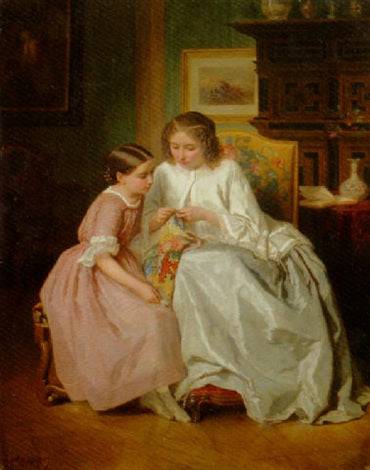 Vendor:Jules Trayer
The embroidery lesson
- Regular price
- From $299.95
- Sale price
- From $299.95
- Regular price
-
$350.95
-
Forest Landscape


 Vendor:Jules Dupre
Forest Landscape
- Regular price
- From $299.95
- Sale price
- From $299.95
- Regular price
-
$350.95
-
Young Boy at the Foot of a Tree


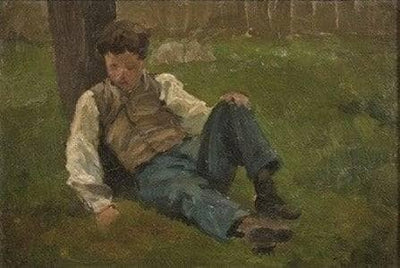 Vendor:Jules Breton
Young Boy at the Foot of a Tree
- Regular price
- From $299.95
- Sale price
- From $299.95
- Regular price
-
$350.95
-
Julianita


 Vendor:Robert Henri
Julianita
- Regular price
- From $299.95
- Sale price
- From $299.95
- Regular price
-
$350.95
-
Under the pine tree

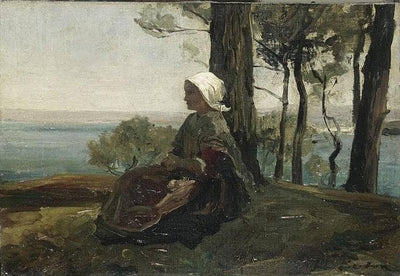 Vendor:Jules Breton
Under the pine tree
- Regular price
- From $299.95
- Sale price
- From $299.95
- Regular price
-
$350.95
-
Cowheard

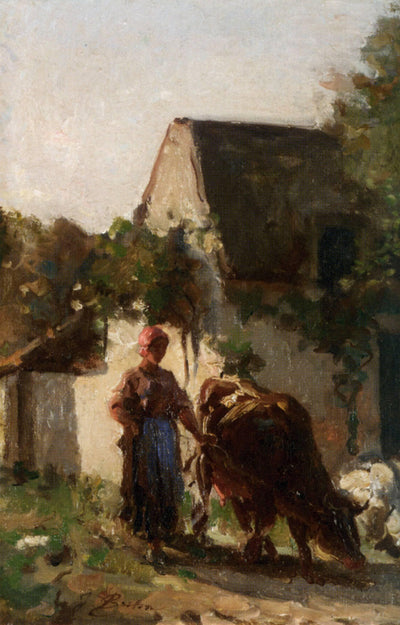 Vendor:Jules Breton
Cowheard
- Regular price
- From $299.95
- Sale price
- From $299.95
- Regular price
-
$350.95
-
Stacking Carnations


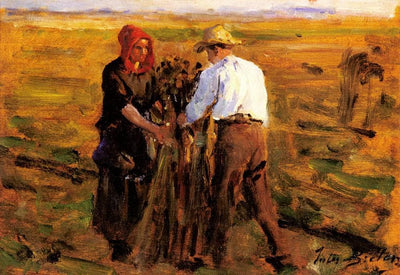 Vendor:Jules Breton
Stacking Carnations
- Regular price
- From $299.95
- Sale price
- From $299.95
- Regular price
-
$350.95
-
The Seamstress

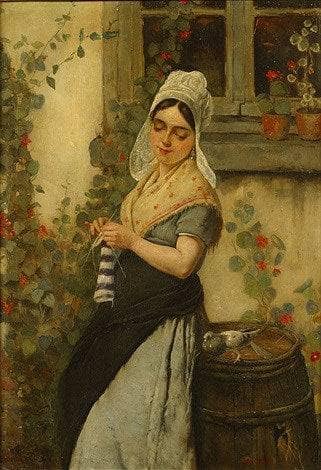 Vendor:Jules Breton
The Seamstress
- Regular price
- From $299.95
- Sale price
- From $299.95
- Regular price
-
$350.95
-
Little breton girl

 Vendor:Jules Breton
Little breton girl
- Regular price
- From $299.95
- Sale price
- From $299.95
- Regular price
-
$350.95
-
Young Girl Thinking


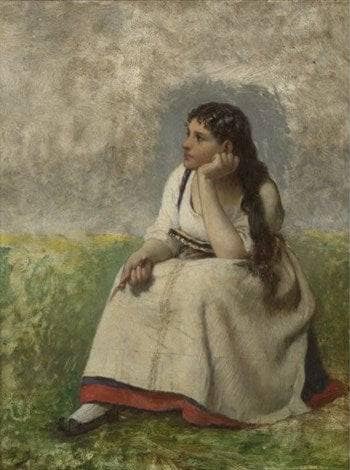 Vendor:Jules Breton
Young Girl Thinking
- Regular price
- From $299.95
- Sale price
- From $299.95
- Regular price
-
$350.95
-
Landscape with Figures (Two peasant women)

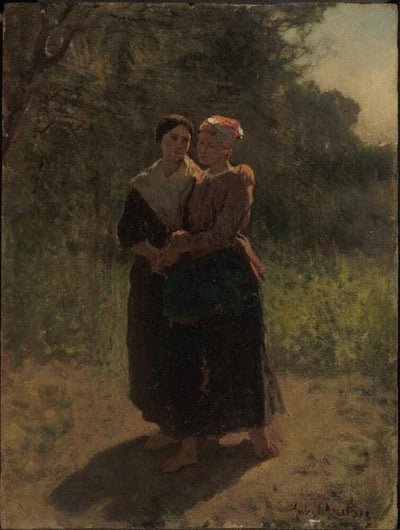 Vendor:Jules Breton
Landscape with Figures (Two peasant women)
- Regular price
- From $299.95
- Sale price
- From $299.95
- Regular price
-
$350.95
-
Woman sitting in a meadow


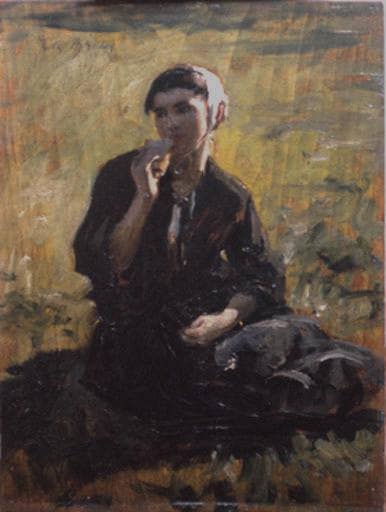 Vendor:Jules Breton
Woman sitting in a meadow
- Regular price
- From $299.95
- Sale price
- From $299.95
- Regular price
-
$350.95
-
At the Douarnenez Fountain

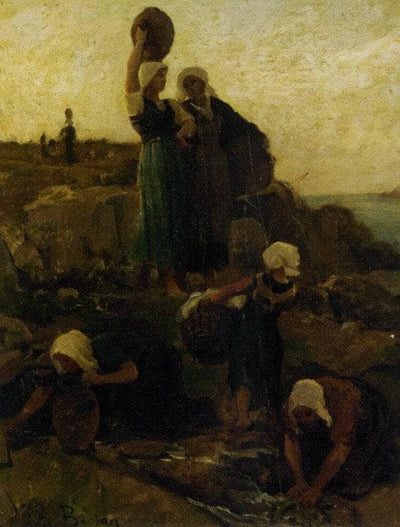 Vendor:Jules Breton
At the Douarnenez Fountain
- Regular price
- From $299.95
- Sale price
- From $299.95
- Regular price
-
$350.95
-
Seascape

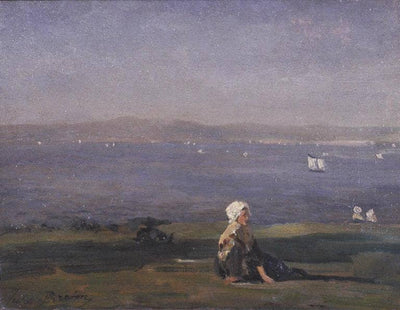 Vendor:Jules Breton
Seascape
- Regular price
- From $299.95
- Sale price
- From $299.95
- Regular price
-
$350.95
-
Asleep In The Woods


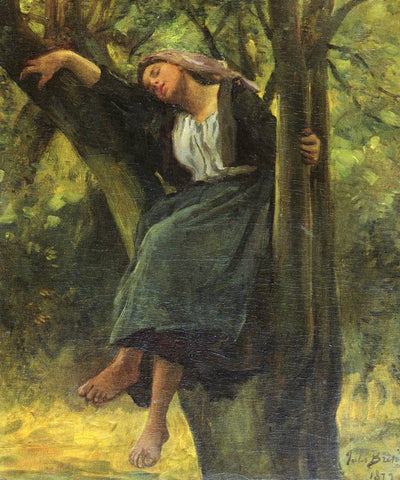 Vendor:Jules Breton
Asleep In The Woods
- Regular price
- From $249.95
- Sale price
- From $249.95
- Regular price
-
$292.45
-
Study for The Washerwoman from 1890

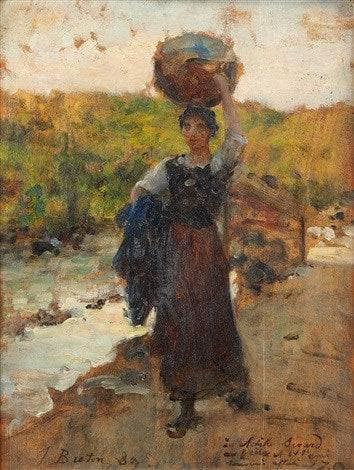 Vendor:Jules Breton
Study for The Washerwoman from 1890
- Regular price
- From $299.95
- Sale price
- From $299.95
- Regular price
-
$350.95
-
Study for ''The Tea Break'' (August 10, 1885)

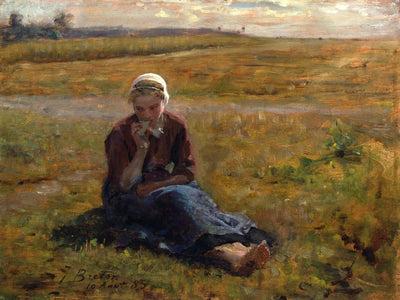 Vendor:Jules Breton
Study for ''The Tea Break'' (August 10, 1885)
- Regular price
- From $299.95
- Sale price
- From $299.95
- Regular price
-
$350.95
-
Women spinning near a shrine on the edge of a field

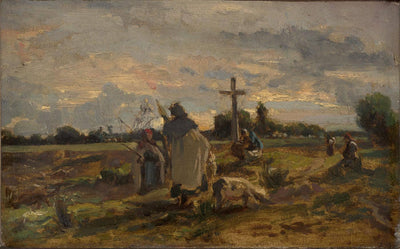 Vendor:Jules Breton
Women spinning near a shrine on the edge of a field
- Regular price
- From $299.95
- Sale price
- From $299.95
- Regular price
-
$350.95
-
Young musician

 Vendor:Jules Breton
Young musician
- Regular price
- From $299.95
- Sale price
- From $299.95
- Regular price
-
$350.95
-
Shepherdess of Douarnenez

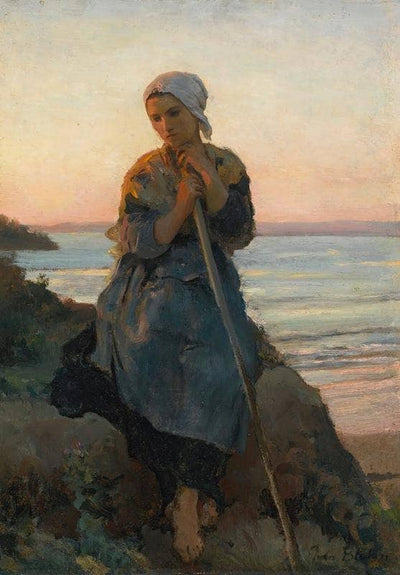 Vendor:Jules Breton
Shepherdess of Douarnenez
- Regular price
- From $299.95
- Sale price
- From $299.95
- Regular price
-
$350.95
-
Summer

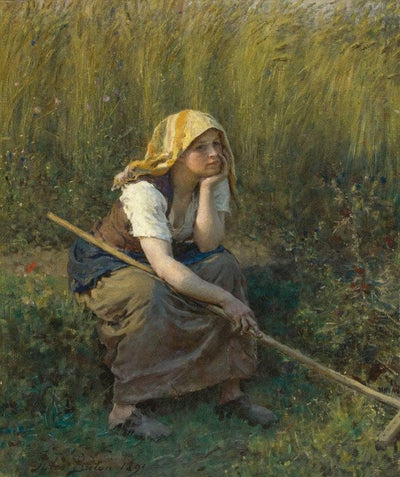 Vendor:Jules Breton
Summer
- Regular price
- From $249.95
- Sale price
- From $249.95
- Regular price
-
$292.45
-
The End of the Working Day

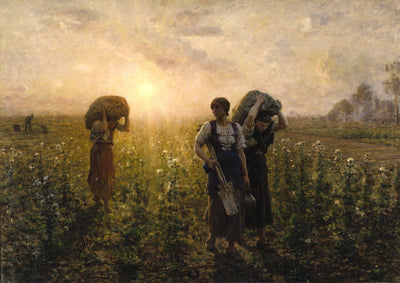 Vendor:Jules Breton
The End of the Working Day
- Regular price
- From $299.95
- Sale price
- From $299.95
- Regular price
-
$350.95
-
Contentment

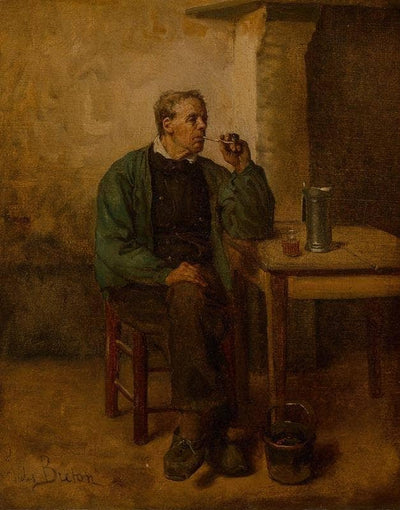 Vendor:Jules Breton
Contentment
- Regular price
- From $299.95
- Sale price
- From $299.95
- Regular price
-
$350.95
-
Portrait of a Young Bordeaux Peasant Woman

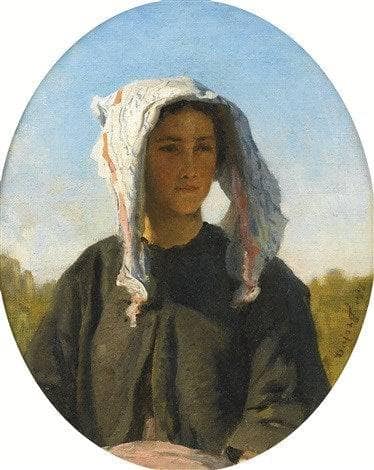 Vendor:Jules Breton
Portrait of a Young Bordeaux Peasant Woman
- Regular price
- From $299.95
- Sale price
- From $299.95
- Regular price
-
$350.95
-
The Weeders

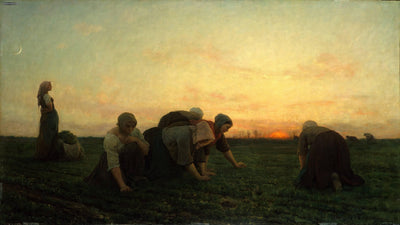 Vendor:Jules Breton
The Weeders
- Regular price
- From $299.95
- Sale price
- From $299.95
- Regular price
-
$350.95
-
Peasants Resting (June 1882)

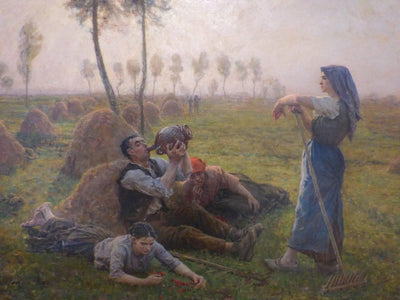 Vendor:Jules Breton
Peasants Resting (June 1882)
- Regular price
- From $299.95
- Sale price
- From $299.95
- Regular price
-
$350.95
-
Grandpa's Day

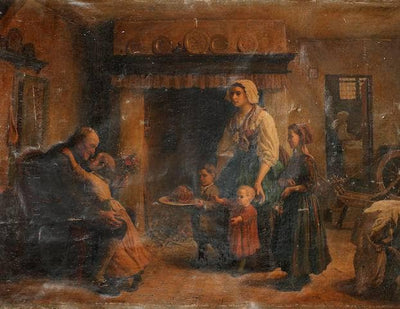 Vendor:Jules Breton
Grandpa's Day
- Regular price
- From $299.95
- Sale price
- From $299.95
- Regular price
-
$350.95
-
A Weeder

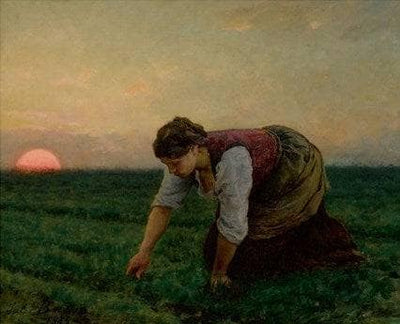 Vendor:Jules Breton
A Weeder
- Regular price
- From $299.95
- Sale price
- From $299.95
- Regular price
-
$350.95
-
The Potato Harvest

 Vendor:Jules Breton
The Potato Harvest
- Regular price
- From $299.95
- Sale price
- From $299.95
- Regular price
-
$350.95
-
End of work

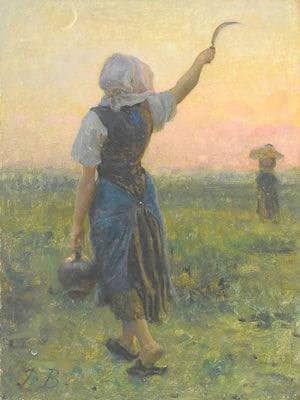 Vendor:Jules Breton
End of work
- Regular price
- From $299.95
- Sale price
- From $299.95
- Regular price
-
$350.95
-
Setting out for the Fields

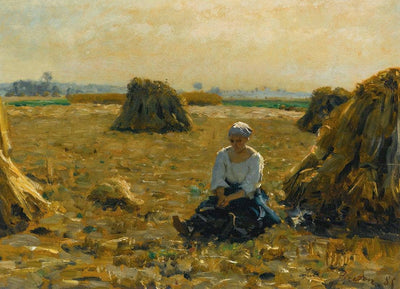 Vendor:Jules Breton
Setting out for the Fields
- Regular price
- From $299.95
- Sale price
- From $299.95
- Regular price
-
$350.95
-
The friends

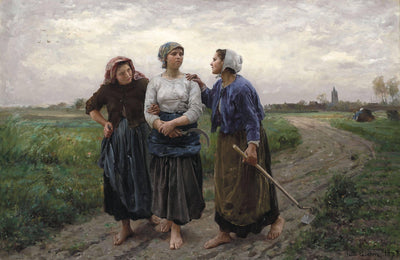 Vendor:Jules Breton
The friends
- Regular price
- From $299.95
- Sale price
- From $299.95
- Regular price
-
$350.95
-
The end of the harvest

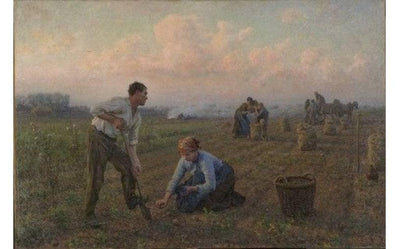 Vendor:Jules Breton
The end of the harvest
- Regular price
- From $299.95
- Sale price
- From $299.95
- Regular price
-
$350.95
-
The Song of the Lark

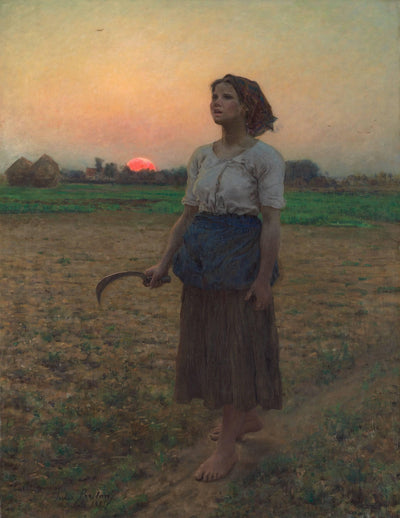 Vendor:Jules Breton
The Song of the Lark
- Regular price
- From $299.95
- Sale price
- From $299.95
- Regular price
-
$350.95
-
Tedder Seated at the Edge of a Wood

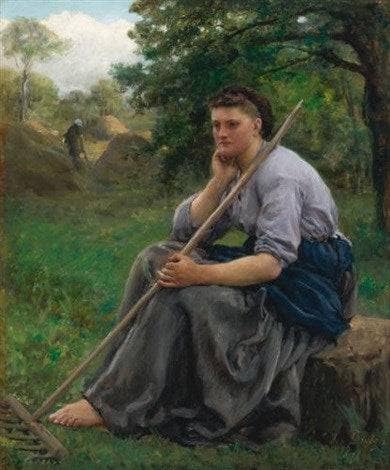 Vendor:Jules Breton
Tedder Seated at the Edge of a Wood
- Regular price
- From $299.95
- Sale price
- From $299.95
- Regular price
-
$350.95
-
A Peasant Girl Knitting
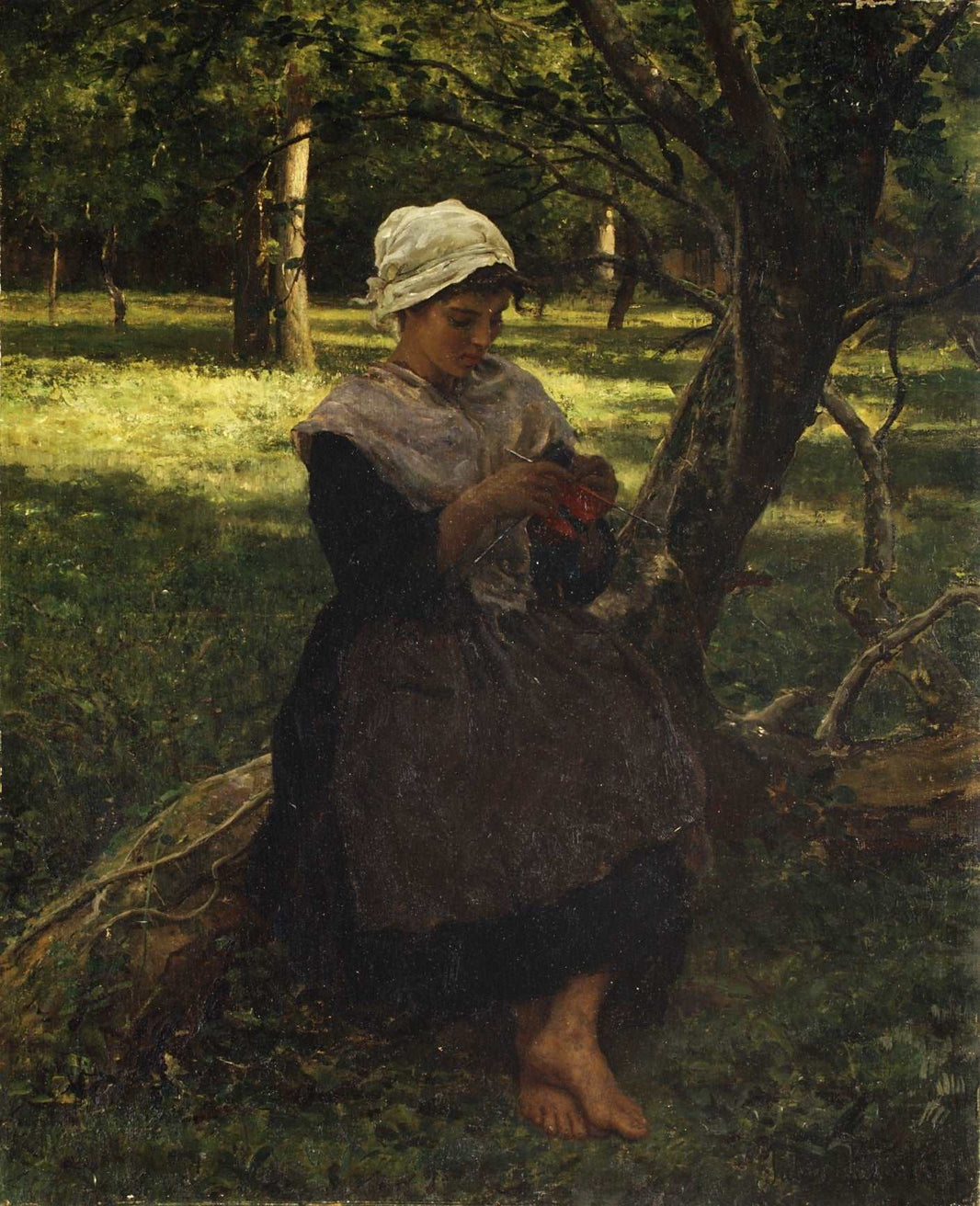
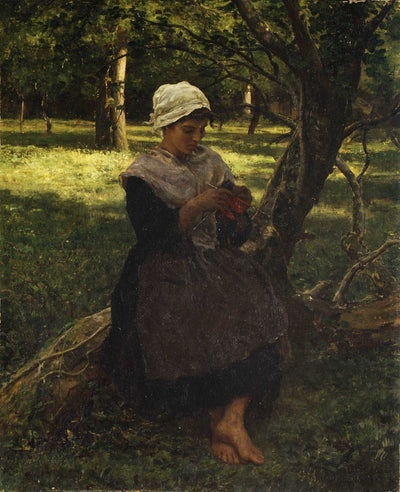 Vendor:Jules Breton
A Peasant Girl Knitting
- Regular price
- From $299.95
- Sale price
- From $299.95
- Regular price
-
$350.95
-
The cliff

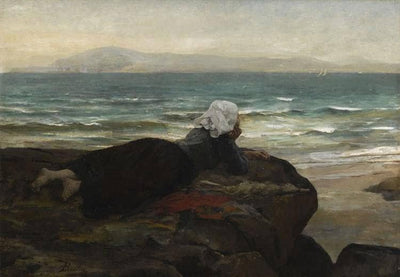 Vendor:Jules Breton
The cliff
- Regular price
- From $299.95
- Sale price
- From $299.95
- Regular price
-
$350.95
-
Young peasant girl with a hoe

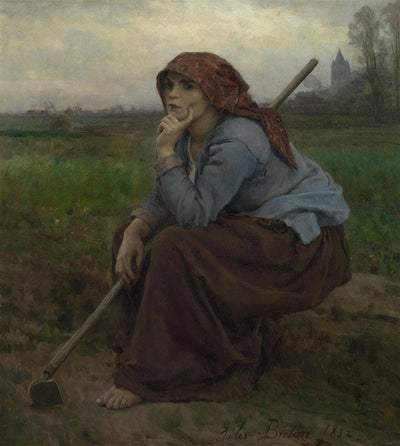 Vendor:Jules Breton
Young peasant girl with a hoe
- Regular price
- From $249.95
- Sale price
- From $249.95
- Regular price
-
$292.45
-
The Departure for the Fields

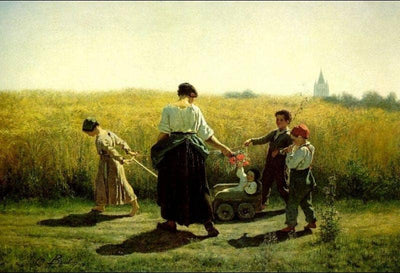 Vendor:Jules Breton
The Departure for the Fields
- Regular price
- From $299.95
- Sale price
- From $299.95
- Regular price
-
$350.95
-
Spinner

 Vendor:Jules Breton
Spinner
- Regular price
- From $299.95
- Sale price
- From $299.95
- Regular price
-
$350.95
-
Little girl eating cherries

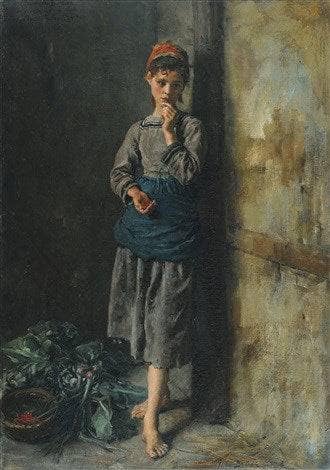 Vendor:Jules Breton
Little girl eating cherries
- Regular price
- From $299.95
- Sale price
- From $299.95
- Regular price
-
$350.95
-
Young Peasant Girl with a Jug on a Sea Background

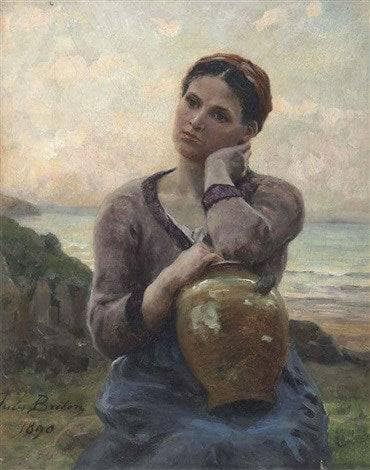 Vendor:Jules Breton
Young Peasant Girl with a Jug on a Sea Background
- Regular price
- From $299.95
- Sale price
- From $299.95
- Regular price
-
$350.95


Frequently Asked Questions
How much do Realism oil painting reproductions cost?
Our Realism oil painting reproductions start at $299.95. Prices vary by size: larger canvases and custom dimensions cost more. Every painting includes free worldwide shipping and a 90-day satisfaction guarantee.
What Realism paintings can I buy?
Browse 6482+ Realism oil painting reproductions from masters of the movement. Popular choices include Family meeting, Door open to the garden, The coast of France, The embroidery lesson, Forest Landscape. All hand-painted on canvas.
Are these Realism prints or hand-painted reproductions?
Every Realism reproduction is 100% hand-painted by professional artists using premium oil paints on gallery-grade canvas. These are not prints, giclées, or digital reproductions. Each piece captures the original brushwork, texture, and color depth of the masterpiece.
What sizes are available for Realism painting reproductions?
Each Realism painting is available in multiple standard sizes, from small (16" × 20") to large museum-scale formats. Custom dimensions are available upon request. Contact us with your preferred size for a quote.
How long does it take to receive my painting?
Each painting is made to order. Production takes 2–3 weeks, plus 5–10 business days for worldwide shipping. Total delivery time is typically 3–5 weeks depending on your location. Shipping is free worldwide.
What is your return policy?
We offer a 90-day satisfaction guarantee. If you're not completely happy with your painting, contact us for a full refund or replacement, no questions asked.
What is Realism?
In art, realism is generally the attempt to represent subject matter truthfully, without artificiality, exaggeration, or speculative and supernatural elements. The term is often used interchangeably with naturalism, though the two are not necessarily synonymous: naturalism, as an idea about visual representation in Western art, seeks to depict objects with the least possible distortion and is tied to the development of linear perspective and illusionism in Renaissance Europe.
Realism also names a specific art historical movement that originated in France in the aftermath of the French Revolution of 1848. With artists like Gustave Courbet capitalizing on the mundane, the ugly or the sordid, realism art was motivated by a renewed interest in the commoner and the rise of leftist politics. The realist painters rejected Romanticism, which had come to dominate French literature and art, and departed from the idealization of earlier academic art. What replaced it was everyday life given the scale and seriousness that history painting had reserved for kings and saints: a peasant gleaning a field, a working class interior, a surgeon operating in front of a lecture theater, a woman at a shop counter.
Jean-François Millet, one of the founders of the Barbizon school in rural France, is categorized as part of the Realism art movement for his paintings of peasant farmers. The 19th century carried the same interest well beyond France, which is why this is the largest style collection in the catalogue: 228 works by Ilya Repin, 189 by Gustave Courbet, 198 by Edouard Manet, 122 by Vladimir Makovsky, 104 by Thomas Eakins and 34 by Winslow Homer, among roughly seven thousand canvases in total.
What does a realist painting actually look like? Ordinary people at their own scale, in the light that was there. No idealized bodies, no heroic gesture, no artificial color. The detail is observed rather than invented: the weight of a sack, the wear on a boot, the particular grey of a wet street. The light is whatever the scene had, usually high and even, and the color stays within what the eye reports. A realism painting often has no focus at all in the old sense, because nobody in it is more important than anybody else, and that flatness of attention was the political point. The social argument and the artistic argument were one argument: if a field hand is worth a two-metre canvas, the old hierarchy of subjects is finished. That is the social claim the movement made, and it is why realist artwork was political before anybody painted a barricade. Art history usually dates the movement from 1848 and treats the 1870s as the moment Impressionism takes the audience away, but in Russia, Scandinavia and the United States realist artists went on working in this style into the 20th century. Art history also tends to separate French 19th century realism from the rest of the world, and the rest of the world is where most of the good unclaimed canvases are. Every country that industrialized produced its own realist generation, and many of them are in this collection.
The themes repeat across every country. Labour, first of all: a field, a forge, a floor, a boat. Then the family and the interior, painted without sentiment. Then society seen from below, which is where the movement earned its reputation for being difficult. Then landscape, treated as a place people live in rather than as a view. And the nude, painted as somebody in a room rather than as Venus, which is the single change that caused the most trouble at the time. Nature appears in almost all of it, but as weather and ground rather than as scenery. In a realist landscape nature is a place of work: the picture has a road in it, and somebody using the road.
Two practical notes for anyone buying an artwork from this collection. The best known realist artworks are large: The Gross Clinic is two and a half metres wide, and a realism painting loses more than most styles when it is reproduced small, because the detail is the content. Our seven sizes run from a study to something close to the original. And the movement is deep rather than famous here. Everybody recognizes The Gleaners; almost nobody knows the Russian and Scandinavian canvases in this collection, and they are the same price. If you want a new picture rather than a familiar one, this is the style with the most left in it.
Famous Realism painters
The realist artists with the deepest holdings here, each linked to their own collection. Five names, five countries, and one method: paint what is in front of you, at the size history painting used to have. Every line says how many works of that artist we hold, because in a style this large the depth of the collection is the whole point.
- Jean-François Millet: a French painter and one of the founders of the Barbizon school in rural France, noted for his paintings of peasant farmers and categorized as part of the Realism art movement. 56 works here, including The Gleaners and The Angelus
- Gustave Courbet: the painter whose interest in the mundane, the ugly or the sordid defined the French movement after 1848. 189 works in this collection
- Edouard Manet: 198 works by the painter of Olympia, the 1863 canvas the French government acquired in 1890 after a public subscription organized by Claude Monet, now in the Musee d'Orsay in Paris
- Ilya Repin: 228 works, the largest holding of Russian realism here, from history painting to portraits
- Winslow Homer: 34 works, mostly the sea, alongside 104 by Thomas Eakins and 122 by Vladimir Makovsky
Famous Realism paintings
Famous realism paintings in the collection, grouped by the subjects the movement claimed for itself. Every title is a painting you can order in oil on canvas, painted by hand in seven sizes, framed or unframed, with a photograph sent for your approval before it ships. Roughly seven thousand works sit behind these seven lists, so treat them as a way in rather than as the whole.
Rural work and peasant life
The founding subject of the movement, and still the most requested. Jean-François Millet made it respectable, the Barbizon school made it a school, and by the 1870s every country in Europe had its own version. These scenes were painted from life, on the spot or from studies made there, and the figures in them are usually people the artist knew. Nothing about the work is stylized: a scene of a harvest is a scene of a harvest.
- The Gleaners, Jean-François Millet, completed 1857, held in the Musee d'Orsay in Paris
- The Angelus, Jean-François Millet, completed between 1857 and 1859
- The Sower, Jean-François Millet
- The pardon, Jules Breton
- Farmer with a Pitchfork, Winslow Homer
- Hunters at rest, Vasily Perov
- At the Morskie Oko Lake, Walery Eljasz Radzikowski
The working class in the city
Once the railways filled the cities, the realist painters followed. A parquet floor being planed, a shop counter, a stepmother at a table, a fisherman on a quay. Nothing in this group was considered a proper subject for a large oil painting before about 1860, and that is exactly why these artists painted them large. The social content is not a reading, it is the subject; many of these canvases were refused by juries for that reason.
- The Floor Scrapers, Gustave Caillebotte, three men planing a parquet floor, by a painter who was a member and patron of the Impressionists but worked in a more realistic manner than the rest of the group
- The Shoppers, William James Glackens
- Two Mothers, Vladimir Makovsky, a custody scene in a peasant house
- Comrades, Semyon Nikolaevich Zenkow
- Laughter, Semyon Nikolaevich Zenkow
- Head of fisherman, Vincenzo Caprile, the most viewed painting in this collection
History, medicine and the modern nude
The pictures that caused the arguments. A surgeon operating in a lecture theater, a Tsar holding his dying son, a model who looks straight back at you. Each one took a category that had rules, history painting or the academic nude, and broke the rules by being literal about it. The first time these were shown, critics wrote about them as offenses rather than as paintings. Every one of them is now in a museum, which is the usual fate of a 19th century scandal.
- The Gross Clinic, Thomas Eakins, an 1875 oil on canvas measuring 8 feet by 6.5 feet, about 240 by 200 centimetres
- Ivan the Terrible and His Son Ivan, Ilya Repin, 1885
- Olympia, Edouard Manet, 1863, a nude woman on a bed attended by a maid, now in the Musee d'Orsay
- Female Nude, Study, Albert Edelfelt
- Portrait of the Artist's Sister, James Taylor Harwood
- Anskar Converting the Vikings, Wenzel Tornoe
The sea and the American landscape
Realism arrived in the United States as a way of painting weather and work at the same time, and Winslow Homer is where it lands. In Russia the equivalent is the river: Isaac Levitan painted the Volga the way Homer painted the Atlantic, as a place where people make a living. The light in this group is the most natural in the whole collection, and these are the canvases that hang best in a room with daylight. A high horizon, a lot of sky, and a color range that will not fight your walls.
- The Life Line, Winslow Homer
- Eight Bells, Winslow Homer
- Gloucester Harbor, Winslow Homer
- West Point, Prout's Neck, Winslow Homer
- Camp Fire, Winslow Homer
- At the seashore, Volodymyr Orlovsky
- At Moscow-river, Isaac Levitan
- Evening on the Loire, Felix Vallotton
Still life and the close look
The smallest and most technical group: a table, a few objects, and nothing else to look at. American trompe l'oeil still life takes the realist method to its limit, where the paint is meant to disappear entirely and the artwork is judged on whether you reach for the object.
- Still Life with Raisin Cake, Fruit and Wine, William Michael Harnett
- The Silver Tureen, Jean-Baptiste-Simeon Chardin, the 18th-century precedent for the realist still life
- Just Dessert, William Michael Harnett, painted so the objects read as real from two paces
- Bundle of Asparagus, Manet, one bundle of asparagus, and one of the most admired small canvases of the century
- Roses in a Champagne Glass, Manet, from the last year of his life
- Lilac in a Glass, Manet
- Pinks and Clematis in a Crystal Vase, Manet
Manet, and the argument about modern life
Edouard Manet is the hinge of the whole story and the hardest artist here to file. Too realist for the academy, too classical for the Impressionists, and the painter both sides claimed afterwards. 198 works here, and the range inside them, from a masked ball to a bundle of asparagus, is the best short course in what changed in French painting between 1860 and 1880.
- The Masked Ball at the Opera, a crowd of black coats and a few faces
- Study for Bar at the Folies-Bergere, the study for the last great picture of modern life he painted
- The Spanish Singer, the canvas that first got him noticed
- The Road-Menders, Rue de Berne, men digging a street outside his window
- Berthe Morisot with a Bouquet of Violets, a portrait of the painter who married his brother
- Monet in his Studio Boat, one artist painting another at work
- Portrait of Zacharie Astruc, a critic who defended him
- Young Woman in a Round Hat, a hat, painted in about four strokes
- Woman Before a Mirror, a back, a mirror, and nothing explained
- The Banks of the Seine at Argenteuil, painted beside Monet, in his manner
Interiors, nudes and the figure at home
The quietest group, and the one people actually buy. A couple in a room, a woman feeding a cat, a nude on a sofa with no mythology attached. Felix Vallotton and William James Glackens are the two artists to know here: both took the realist eye indoors, and both are completely unknown to most buyers, which keeps this the best value in the collection. A contemporary room takes one of these more easily than it takes a famous history painting.
- Intimate Couple in Interior, Felix Vallotton, a room with the temperature of a novel
- Squatting Woman Offering Milk to a Cat, Vallotton, an ordinary action painted with total attention
- Solitaire, or Nude Playing Cards, Vallotton
- Nude on a Red Sofa, William James Glackens, the American answer to Olympia
- Nude with Apple, Glackens
- A Stroll in the Park, Glackens, New York on a Sunday
- The Painter's Atelier, Vincenzo Caprile, a studio painted from inside it
- The Square in Positano, Caprile, an Italian town at work
- Fox Hunt, Winslow Homer, crows over a fox in snow, and his largest canvas
- Landscape on the Volga, Boats by the Riverbank, Isaac Levitan
- Boat on the Coast, Levitan, one boat and a great deal of water
- View of Amalfi with Boats, Caprile, the Italian coast as a working harbor
- Study of a Fisherman, Caprile, a head painted from a man who sat for it
- Rainy Day in Camp, Winslow Homer, the American Civil War as mud and waiting
- The Bridal Path, White Mountains, Homer, high summer in New Hampshire
- Nude with Hat, Glackens again
- The Italian Woman, Manet, a single figure and a flat ground
- Flowers in a Crystal Vase, Manet, glass, water and about twenty minutes of work
- Bouquet of Flowers, Manet
Related styles
Impressionist paintings for sale come next, and several painters here exhibited with that group as well. Romanticism art reproductions are the idealizing tradition of scenes and subjects the realist painters set out to reject. academic art paintings are the salon painting whose idealization realism departed from.
Frequently asked questions
What is realism in art?
The attempt to represent subject matter truthfully, without artificiality, exaggeration, or speculative and supernatural elements. As a movement it originated in France after the revolution of 1848 and made ordinary work and ordinary people the main subject of serious painting. In practice you can recognize a 19th century realist canvas by three things: figures at their own scale, light that was actually in the room, and no idealized anatomy anywhere.
How is realism different from naturalism?
The terms are often used interchangeably but they are not necessarily synonymous. Naturalism seeks to depict objects with the least possible distortion and is tied to linear perspective and illusionism in Renaissance Europe; realism is also the name of the 19th century movement, with its social and political motivation. In this catalogue both words lead to the same collection, and the naturalism of a Dutch interior two centuries earlier is filed under the Baroque instead.
Who are the best known realist artists here?
Many people arrive knowing two names. Gustave Courbet and Jean-François Millet in France, Edouard Manet at the edge of Impressionism, Ilya Repin and Vasily Perov in Russia, Felix Vallotton in Switzerland, and Thomas Eakins, Winslow Homer and William James Glackens in the United States. The first time most people look at this collection they recognize two names out of ten, and that is the opportunity: the unknown canvases were painted by artists with exactly the same training.
We’ll Paint Any Image You Want
Just send us a photo or the painting name and our artists will hand-paint it for you.