4.9/5
4.9/5


Famous Portrait Paintings
Famous portraits are the oldest money in Western art, and this page holds 8,463 hand-painted oil reproductions of them, from Renaissance panels to Impressionist heads. You can order The Laughing Cavalier by Frans Hals, The Skating Minister attributed to Henry Raeburn, Girl with the red hat by Johannes Vermeer, Head of fisherman by Vincenzo Caprile, Prince Carlos de Viana by Jose Moreno Carbonero, Sebastiano Venier by Tintoretto, Yvonette by William-Adolphe Bouguereau, King Erekle II of Georgia by Niko Pirosmani, Portrait of Count Feliks Feliksovich Sumarokov-Yelstov by Valentin Serov and The Blue Kimono by William Merritt Chase. Every portrait here is hand-painted in oil on canvas by a studio artist, never printed.
-
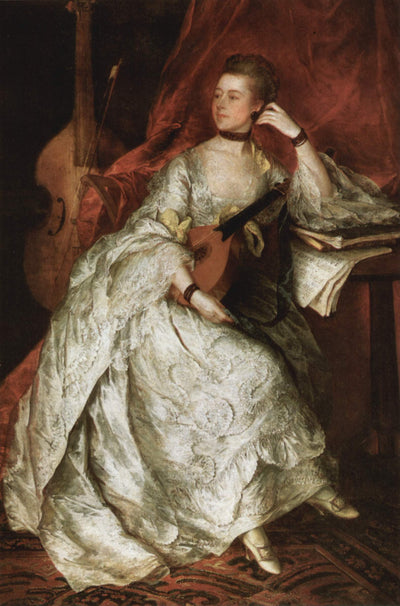
Portrait of Ann Ford (later Mrs. Philip Thicknesse)


 Vendor:Thomas Gainsborough
Portrait of Ann Ford (later Mrs. Philip Thicknesse)
- Regular price
- From $299.95
- Sale price
- From $299.95
- Regular price
-
$350.95
-
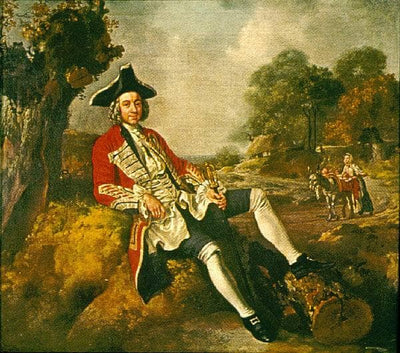
Portrait of a Gentleman


 Vendor:Thomas Gainsborough
Portrait of a Gentleman
- Regular price
- From $249.95
- Sale price
- From $249.95
- Regular price
-
$292.45
-
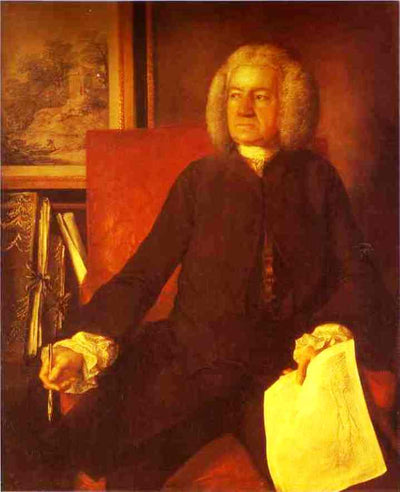
Robert Price


 Vendor:Thomas Gainsborough
Robert Price
- Regular price
- From $299.95
- Sale price
- From $299.95
- Regular price
-
$350.95
-
Portrait of Sarah Kirby (née Bull) and John Joshua Kirby


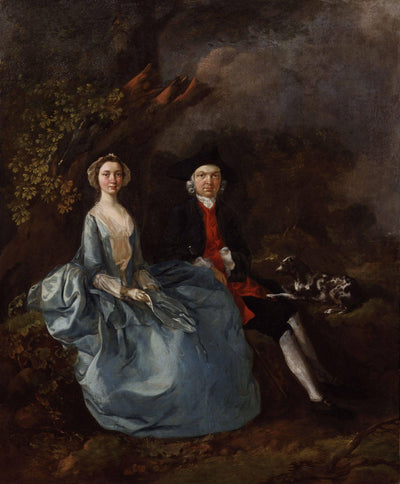 Vendor:Thomas Gainsborough
Portrait of Sarah Kirby (née Bull) and John Joshua Kirby
- Regular price
- From $299.95
- Sale price
- From $299.95
- Regular price
-
$350.95
-
Portrait of the artist's daughter with a cat


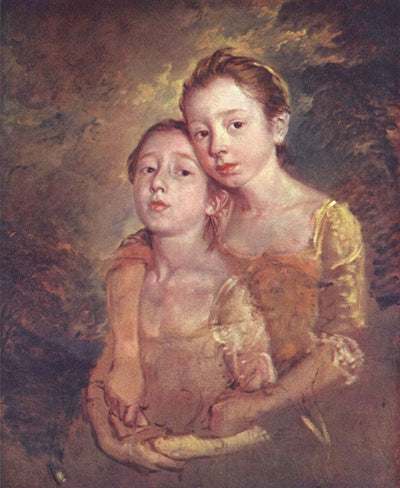 Vendor:Thomas Gainsborough
Portrait of the artist's daughter with a cat
- Regular price
- From $299.95
- Sale price
- From $299.95
- Regular price
-
$350.95
-
Mr. and Mrs. John Gravenor and their Daughters, Elizabeth and Ann


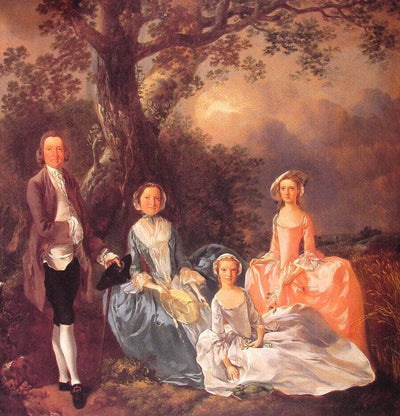 Vendor:Thomas Gainsborough
Mr. and Mrs. John Gravenor and their Daughters, Elizabeth and Ann
- Regular price
- From $249.95
- Sale price
- From $249.95
- Regular price
-
$292.45
-
Portrait of Mary Countess Howe

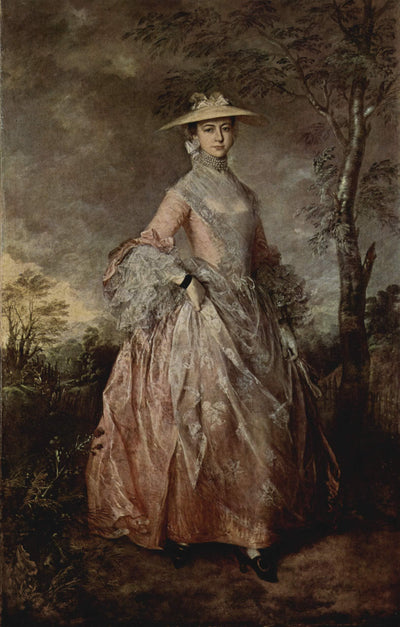 Vendor:Thomas Gainsborough
Portrait of Mary Countess Howe
- Regular price
- From $299.95
- Sale price
- From $299.95
- Regular price
-
$350.95
-
William Wollaston


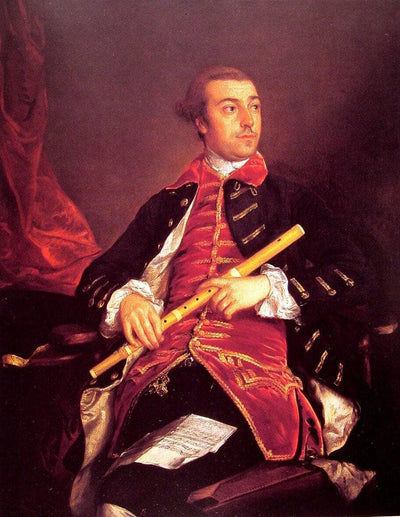 Vendor:Thomas Gainsborough
William Wollaston
- Regular price
- From $299.95
- Sale price
- From $299.95
- Regular price
-
$350.95
-
The Painter's Daughters chasing a Butterfly


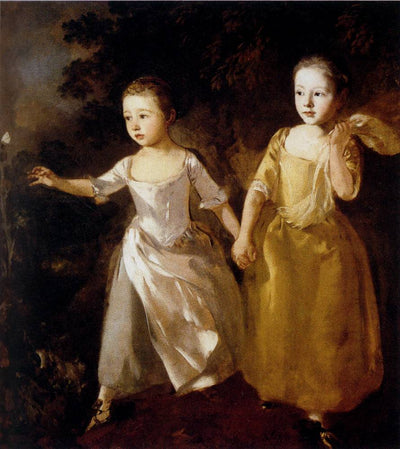 Vendor:Thomas Gainsborough
The Painter's Daughters chasing a Butterfly
- Regular price
- From $249.95
- Sale price
- From $249.95
- Regular price
-
$292.45
-
Mrs. Christopher Horton, later Anne, Duchess of Cumberland

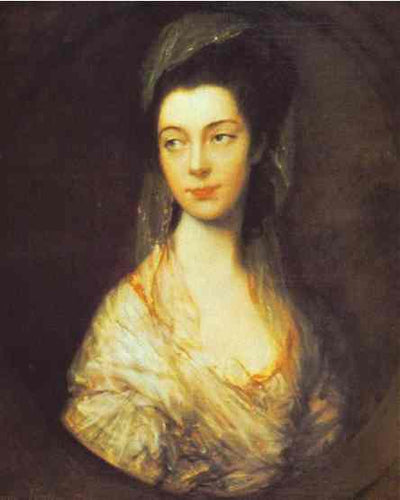 Vendor:Thomas Gainsborough
Mrs. Christopher Horton, later Anne, Duchess of Cumberland
- Regular price
- From $299.95
- Sale price
- From $299.95
- Regular price
-
$350.95
-
Portrait of a Woman (possibly of the Lloyd Family)

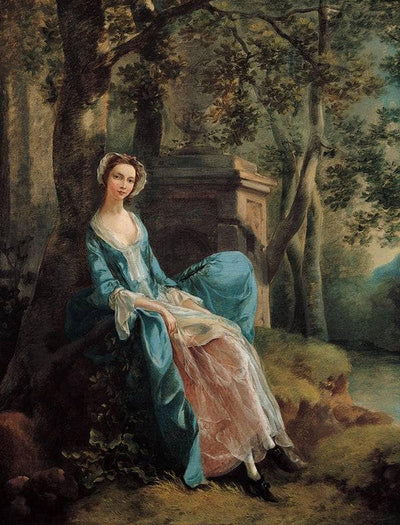 Vendor:Thomas Gainsborough
Portrait of a Woman (possibly of the Lloyd Family)
- Regular price
- From $299.95
- Sale price
- From $299.95
- Regular price
-
$350.95
-
The Artist with his Wife and Daughter

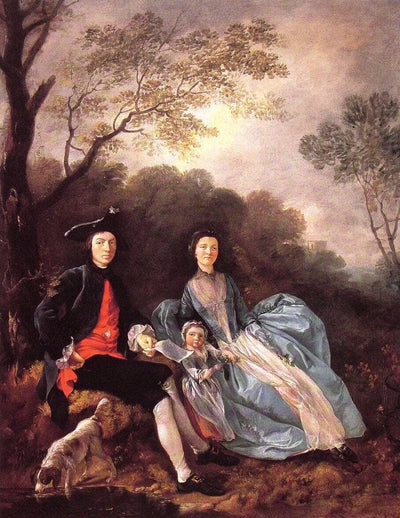 Vendor:Thomas Gainsborough
The Artist with his Wife and Daughter
- Regular price
- From $299.95
- Sale price
- From $299.95
- Regular price
-
$350.95
-
Conversation in a Park


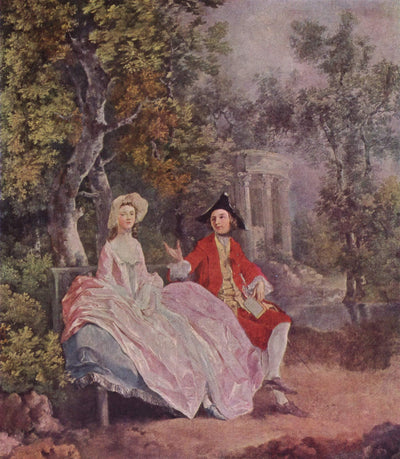 Vendor:Thomas Gainsborough
Conversation in a Park
- Regular price
- From $249.95
- Sale price
- From $249.95
- Regular price
-
$292.45
-
John Plampin

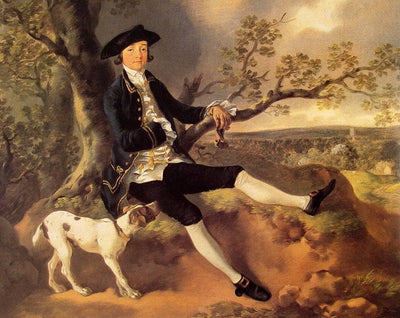 Vendor:Thomas Gainsborough
John Plampin
- Regular price
- From $299.95
- Sale price
- From $299.95
- Regular price
-
$350.95
-
John Kirby

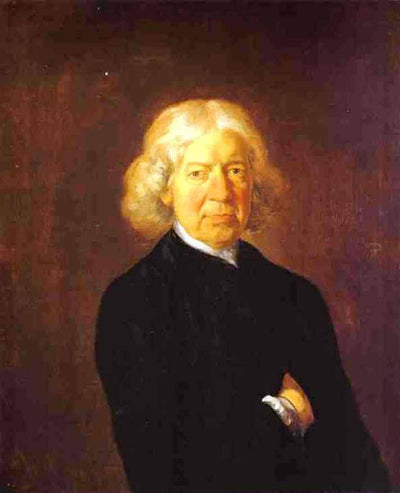 Vendor:Thomas Gainsborough
John Kirby
- Regular price
- From $299.95
- Sale price
- From $299.95
- Regular price
-
$350.95
-
Self Portrait

 Vendor:Thomas Gainsborough
Self Portrait
- Regular price
- From $299.95
- Sale price
- From $299.95
- Regular price
-
$350.95
-
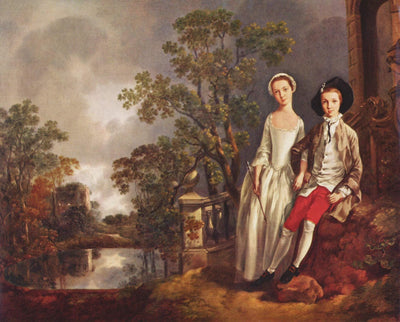
Portrait of Heneage Lloyd and his Sister, Lucy

 Vendor:Thomas Gainsborough
Portrait of Heneage Lloyd and his Sister, Lucy
- Regular price
- From $299.95
- Sale price
- From $299.95
- Regular price
-
$350.95
-
The Agnew Clinic


 Vendor:Thomas Eakins
The Agnew Clinic
- Regular price
- From $299.95
- Sale price
- From $299.95
- Regular price
-
$350.95
-
Portrait of Mrs. Hubbard (sketch)


 Vendor:Thomas Eakins
Portrait of Mrs. Hubbard (sketch)
- Regular price
- From $299.95
- Sale price
- From $299.95
- Regular price
-
$350.95
-
Study of a Girl's Head

 Vendor:Thomas Eakins
Study of a Girl's Head
- Regular price
- From $299.95
- Sale price
- From $299.95
- Regular price
-
$350.95
-
Clara (Clara J. Mather)

 Vendor:Thomas Eakins
Clara (Clara J. Mather)
- Regular price
- From $249.95
- Sale price
- From $249.95
- Regular price
-
$292.45
-
Music

 Vendor:Thomas Eakins
Music
- Regular price
- From $299.95
- Sale price
- From $299.95
- Regular price
-
$350.95
-
Portrait of Lucy Langdon Williams Wilson

 Vendor:Thomas Eakins
Portrait of Lucy Langdon Williams Wilson
- Regular price
- From $299.95
- Sale price
- From $299.95
- Regular price
-
$350.95
-
Portrait of Francesco Romano

 Vendor:Thomas Eakins
Portrait of Francesco Romano
- Regular price
- From $299.95
- Sale price
- From $299.95
- Regular price
-
$350.95
-
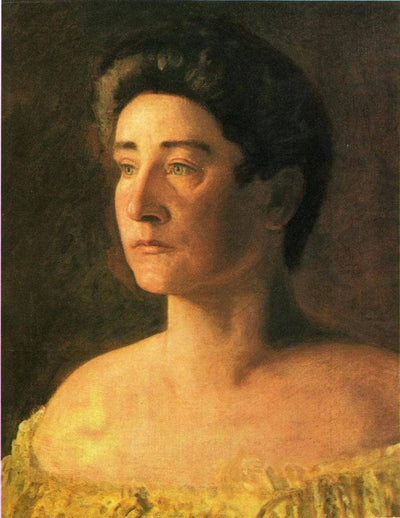
Portrait of Mrs. Leigo

 Vendor:Thomas Eakins
Portrait of Mrs. Leigo
- Regular price
- From $299.95
- Sale price
- From $299.95
- Regular price
-
$350.95
-
Portrait of Benjamin Sharp

 Vendor:Thomas Eakins
Portrait of Benjamin Sharp
- Regular price
- From $299.95
- Sale price
- From $299.95
- Regular price
-
$350.95
-
Portrait of Sarah Sagehorn Frishmuth

 Vendor:Thomas Eakins
Portrait of Sarah Sagehorn Frishmuth
- Regular price
- From $299.95
- Sale price
- From $299.95
- Regular price
-
$350.95
-
Mother (Portrait of Annie Williams Gandy)

 Vendor:Thomas Eakins
Mother (Portrait of Annie Williams Gandy)
- Regular price
- From $249.95
- Sale price
- From $249.95
- Regular price
-
$292.45
-
Portrait of Mrs. Kern Dodge (Helen Peterson Greene)

 Vendor:Thomas Eakins
Portrait of Mrs. Kern Dodge (Helen Peterson Greene)
- Regular price
- From $299.95
- Sale price
- From $299.95
- Regular price
-
$350.95
-
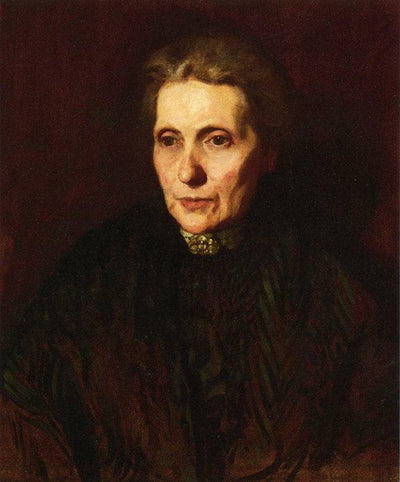
Portrait of a Woman

 Vendor:Thomas Eakins
Portrait of a Woman
- Regular price
- From $299.95
- Sale price
- From $299.95
- Regular price
-
$350.95
-
The Veteran (Portrait of Geo. Reynolds)

 Vendor:Thomas Eakins
The Veteran (Portrait of Geo. Reynolds)
- Regular price
- From $299.95
- Sale price
- From $299.95
- Regular price
-
$350.95
-
Portrait of Charles Percival Buck

 Vendor:Thomas Eakins
Portrait of Charles Percival Buck
- Regular price
- From $299.95
- Sale price
- From $299.95
- Regular price
-
$350.95
-
Portrait of Dr. Edward Anthony Spitzka

 Vendor:Thomas Eakins
Portrait of Dr. Edward Anthony Spitzka
- Regular price
- From $299.95
- Sale price
- From $299.95
- Regular price
-
$350.95
-
Taking the Count

 Vendor:Thomas Eakins
Taking the Count
- Regular price
- From $249.95
- Sale price
- From $249.95
- Regular price
-
$292.45
-
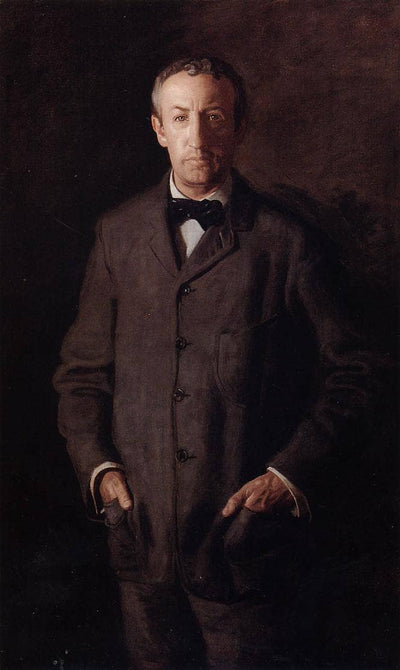
Portrait of William B. Kurtz

 Vendor:Thomas Eakins
Portrait of William B. Kurtz
- Regular price
- From $299.95
- Sale price
- From $299.95
- Regular price
-
$350.95
-
Portrait of Frank B. A. Linton

 Vendor:Thomas Eakins
Portrait of Frank B. A. Linton
- Regular price
- From $249.95
- Sale price
- From $249.95
- Regular price
-
$292.45
-
Self-portrait

 Vendor:Thomas Eakins
Self-portrait
- Regular price
- From $249.95
- Sale price
- From $249.95
- Regular price
-
$292.45
-
Young Girl Meditating (study)

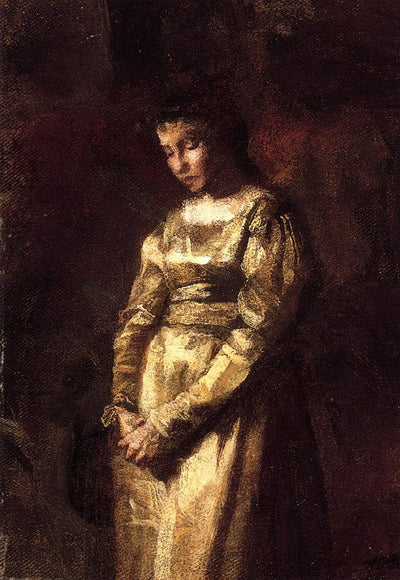 Vendor:Thomas Eakins
Young Girl Meditating (study)
- Regular price
- From $299.95
- Sale price
- From $299.95
- Regular price
-
$350.95
-
Maud Cook

 Vendor:Thomas Eakins
Maud Cook
- Regular price
- From $299.95
- Sale price
- From $299.95
- Regular price
-
$350.95
-
Portrait of Jennie Dean Kershaw

 Vendor:Thomas Eakins
Portrait of Jennie Dean Kershaw
- Regular price
- From $299.95
- Sale price
- From $299.95
- Regular price
-
$350.95
-
Portrait of Amelia Van Buren

 Vendor:Thomas Eakins
Portrait of Amelia Van Buren
- Regular price
- From $299.95
- Sale price
- From $299.95
- Regular price
-
$350.95
-
Billy Smith

 Vendor:Thomas Eakins
Billy Smith
- Regular price
- From $299.95
- Sale price
- From $299.95
- Regular price
-
$350.95
-
Frank Jay St. John

 Vendor:Thomas Eakins
Frank Jay St. John
- Regular price
- From $249.95
- Sale price
- From $249.95
- Regular price
-
$292.45
-
Portrait of Charles Linford, the Artist

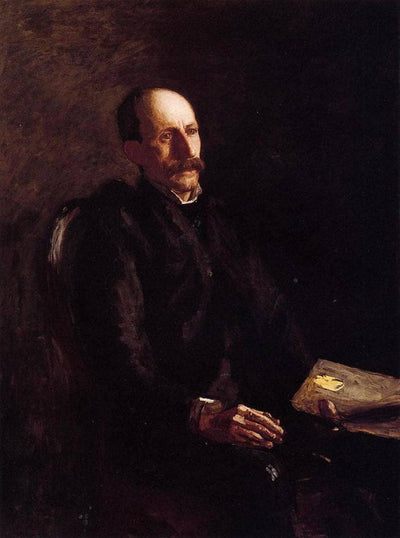 Vendor:Thomas Eakins
Portrait of Charles Linford, the Artist
- Regular price
- From $299.95
- Sale price
- From $299.95
- Regular price
-
$350.95
-
Portrait of Dr. William Thompson

 Vendor:Thomas Eakins
Portrait of Dr. William Thompson
- Regular price
- From $299.95
- Sale price
- From $299.95
- Regular price
-
$350.95


Frequently Asked Questions
How much do Portraits oil painting reproductions cost?
Our Portraits oil painting reproductions start at $299.95. Prices vary by size: larger canvases and custom dimensions cost more. Every painting includes free worldwide shipping and a 90-day satisfaction guarantee.
What Portraits paintings are available?
We carry 8040+ Portraits oil painting reproductions. Highlights include Portrait of Ann Ford (later Mrs. Philip Thicknesse), Portrait of a Gentleman, Robert Price, Portrait of Sarah Kirby (née Bull) and John Joshua Kirby, Portrait of the artist's daughter with a cat. Every piece is hand-painted by professional artists on premium canvas.
Are these Portraits prints or hand-painted reproductions?
Every Portraits reproduction is 100% hand-painted by professional artists using premium oil paints on gallery-grade canvas. These are not prints, giclées, or digital reproductions. Each piece captures the original brushwork, texture, and color depth of the masterpiece.
What sizes are available for Portraits painting reproductions?
Each Portraits painting is available in multiple standard sizes, from small (16" × 20") to large museum-scale formats. Custom dimensions are available upon request. Contact us with your preferred size for a quote.
How long does it take to receive my painting?
Each painting is made to order. Production takes 2–3 weeks, plus 5–10 business days for worldwide shipping. Total delivery time is typically 3–5 weeks depending on your location. Shipping is free worldwide.
What is your return policy?
We offer a 90-day satisfaction guarantee. If you're not completely happy with your painting, contact us for a full refund or replacement, no questions asked.
What a portrait painting is
Portrait painting is a genre in painting where the intent is to represent a specific human sitter, and the term can also describe the painted picture itself. Portraitists may create their work by commission, for public and private persons, or they may be inspired by admiration or affection for the person in front of them. Portraits serve as important state and family records, as well as remembrances. That double job, likeness and record, is why portraiture sits at the center of art history in a way no other genre does. A landscape can be anywhere. A portrait is one person, at one time, looked at hard. That is also why the genre carries so much of what we know about how people dressed, sat, worked and wanted to be seen across six hundred years of European art.
Famous portraits
These are the portrait pictures people name first, and each one can be ordered as a hand-painted oil reproduction.
- Mona Lisa by Leonardo da Vinci. Leonardo was one of the founding figures of the High Renaissance and had an enormous influence on subsequent artists, and the Mona Lisa is among the eight major works universally attributed to him.
- The Lady with an Ermine, dated to about 1489 to 1491, in oils on a panel of walnut wood. The sitter is Cecilia Gallerani, a mistress of Ludovico Sforza, Duke of Milan, and it is the second of only four surviving portraits of women by Leonardo.
- The Girl with a Pearl Earring by Johannes Vermeer, dated about 1665. It went by various names over the centuries and acquired its present title towards the end of the 20th century; it has been in the Mauritshuis in The Hague since 1902.
- The Laughing Cavalier of 1624, by the Dutch Golden Age painter Frans Hals, in the Wallace Collection in London. The art historian Seymour Slive described it as one of the most brilliant of all Baroque likenesses. The title is an invention of the Victorian public and press, dating from its display at the Bethnal Green Museum in 1872 to 1875, and the unknown sitter is not laughing at all but wears an enigmatic smile amplified by his upturned moustache.
- The Skating Minister, a late 18th-century oil painting attributed to Henry Raeburn and now in the Scottish National Gallery in Edinburgh. Because it passed down through the sitter's family it was practically unknown until 1949, and it is now considered an icon of Scottish culture, made during the Scottish Enlightenment.
- The Arnolfini Portrait by Jan van Eyck, an oil on oak panel dated 1434, now in the National Gallery, London. It is a full-length double portrait believed to show the Italian merchant Giovanni di Nicolao Arnolfini and his wife in their residence in Bruges.
- The Ambassadors by Hans Holbein the Younger, a German painter and printmaker active in Switzerland and England who worked in a Northern Renaissance style and is considered one of the greatest portraitists of the 16th century.
- The Anatomy Lesson of Dr. Nicolaes Tulp, a 1632 oil on canvas by Rembrandt in the Mauritshuis. It was created to hang in the meeting room of the Surgeons Guild, and it is regarded as one of Rembrandt's early masterpieces.
- Arrangement in Grey and Black No.1, better known as Whistler's Mother, an oil on canvas by the American-born painter James McNeill Whistler in 1871. The sitter is his mother, Anna McNeill Whistler; the picture is 56.81 by 63.94 inches in a frame of Whistler's own design, and it has been called an icon of its country and a Victorian Mona Lisa.
- American Gothic, a 1930 oil on beaverboard by the American Regionalist artist Grant Wood, showing a Midwestern farmer and his daughter in front of their Carpenter Gothic home. It is one of the most famous American paintings of the 20th century.
- Las Meninas by Diego Velazquez, the group portrait that put its maker inside the room.
- Girl with the red hat, a small signed Vermeer. It is seen as one of his tronies, depictions of models fancifully dressed that were not intended as likenesses of specific, identifiable subjects, and its attribution was long argued because it sits on a recycled wood panel rather than canvas.
- Olympia by Edouard Manet, an 1863 oil painting acquired by the French government in 1890 after a public subscription organized by Claude Monet, now in the Musee d'Orsay.
The self portrait
No form in the genre has a longer run than the self portrait. The dozens of self portraits by Rembrandt were an important part of his oeuvre: he created approaching one hundred, including over forty paintings, thirty-one etchings and about seven drawings, and some remain uncertain as to the identity of either the sitter or the artist, or even the definition of a portrait. Rembrandt Harmenszoon van Rijn was a Dutch Golden Age painter, printmaker and draughtsman, generally considered one of the greatest visual artists in the history of Western art, and his surviving works are estimated at about three hundred paintings, three hundred etchings and several hundred drawings. A self portrait is the only picture in which the artist controls the sitter completely, which is why the honest ones hit so hard.
Portraits by period
Nine centuries sit side by side here, so it helps to know which room you are standing in.
- Renaissance art emerged as a distinct style in Italy in about 1400 and took the art of classical antiquity as its foundation, transformed by contemporary scientific knowledge. For art historians it marks the transition of Europe from the medieval period to the Early Modern age. The Arnolfini Portrait and The Lady with an Ermine belong to this world.
- Baroque painting is the painting associated with the Baroque cultural movement, often identified with Absolutism, the Counter Reformation and the Catholic Revival, though important Baroque art also appeared in Protestant states across Western Europe. Caravaggio's work has been characterized as combining a realistic observation of the human state, physical and emotional, with a dramatic use of lighting that had a formative influence on Baroque painting.
- Rococo emerged in France in the 1730s as a reaction against the Louis XIV style, with fluid curves, asymmetry and a smaller scale designed to foster intimacy, blending white and pastel colors with gilding. Aristocratic leisure and the pastoral are its prevalent themes.
- Neoclassicism drew inspiration from the art and culture of classical antiquity, was born in Rome, and reached its peak in the early to mid 19th century, eventually competing with Romanticism.
- Romanticism originated in Europe towards the end of the 18th century to advocate for subjectivity, imagination and the appreciation of nature, in response to the Age of Enlightenment and the Industrial Revolution. Francisco Goya, a Spanish romantic painter and printmaker, is often called the last of the Old Masters and the first of the moderns.
- Realism is the attempt to represent subject matter truthfully, without artificiality or exaggeration. As a movement it began in France after the revolution of 1848, motivated by renewed interest in the commoner, and the realist painters rejected Romanticism.
- Post-Impressionism developed roughly between 1886 and 1905, from the last Impressionist exhibition to the birth of Fauvism, as a reaction against the Impressionists' concern for the naturalistic depiction of light and color. Its emphasis on abstract qualities or symbolic content takes in Les Nabis, Neo-Impressionism, Symbolism and Synthetism.
- Art Nouveau was an international style of art, architecture and applied art, often inspired by natural forms such as the sinuous curves of plants and flowers, popular between 1890 and 1910 during the Belle Epoque. It was a reaction against the academicism, eclecticism and historicism of 19th-century decorative art.
- Expressionism is a modernist movement, initially in poetry and painting, that began in Northern Europe around the start of the 20th century. Its typical trait is to present the world solely from a subjective perspective, distorting it radically for emotional effect, and its artists sought to express the meaning of emotional experience rather than physical reality.
- Medieval art covers over a thousand years of art in Europe, and at certain periods in Western Asia and Northern Africa, taking in national and regional traditions, genres, revivals and the artists' crafts themselves. It is where the painted human head in the West begins.
- Impressionism was a 19th-century art movement characterized by visible brush strokes, open composition and an emphasis on the accurate depiction of light in its changing qualities, with ordinary subject matter and unusual visual angles. It originated with a group of Paris-based artists whose independent exhibitions brought them to prominence during the 1870s and 1880s. Edgar Degas, famous for his pastel drawings and oil paintings, was one of them.
Portrait painters to know
A short guide to the names that come up most often on this page, with the facts that explain why.
- Rembrandt was a Dutch Golden Age artist, printmaker and draughtsman, generally considered one of the greatest visual artists in the history of Western art. His surviving works are estimated at about three hundred paintings, three hundred etchings and several hundred drawings.
- Johannes Vermeer was a Dutch master who specialized in domestic interior scenes of middle-class life and is considered one of the greatest painters of the Dutch Golden Age. In his own years he was a moderately successful provincial genre artist, recognized in Delft and The Hague, who produced relatively few paintings and earned his living mainly as an art dealer. He was not wealthy, and at his death his wife was left in debt.
- Hans Holbein the Younger was a German portraitist and printmaker active in Switzerland and England, working in a Northern Renaissance style, considered one of the greatest portraitists of the 16th century. He also produced religious art, satire and Reformation propaganda, and he made a significant contribution to the history of book design.
- El Greco, born Domenikos Theotokopoulos, was a Greek artist, sculptor and architect of the Spanish Renaissance, regarded as one of the greatest artists of all time. El Greco was a nickname; he normally signed his work with his full birth name in Greek letters, often adding the word that means Cretan in Ancient Greek.
- Francisco Goya was a Spanish romantic artist and printmaker, considered the most important Spanish artist of the late 18th and early 19th centuries. His canvases, drawings and engravings reflected contemporary historical upheavals and influenced important 19th and 20th century artists. He is called the last of the Old Masters and the first of the moderns.
- Caravaggio was an Italian master active in Rome for a significant portion of his artistic life. He began his apprenticeship in Milan in 1584, and in his final four years moved between Naples, Malta and Sicily. Critics describe his canvases as combining a realistic observation of the human state, physical and emotional, with a dramatic use of lighting.
- Sandro Botticelli, born Alessandro di Mariano di Vanni Filipepi, was an Italian artist of the Early Renaissance. His posthumous reputation suffered until the late 19th century, when the Pre-Raphaelites rediscovered him and stimulated a reappraisal of his work, which has since been seen to represent the linear grace of late Italian Gothic and some Early Renaissance work.
- Gustav Klimt was an Austrian symbolist whose work helped define the Art Nouveau style in Europe, and a founding member of the Vienna Secession. His primary subject was the female body, and among his figurative work, which includes allegories and likenesses, he also handled landscape. He is best known for The Kiss and the Portrait of Adele Bloch-Bauer I, and of the Secession artists he was the most influenced by Japanese art and its methods.
- Michelangelo was an Italian sculptor, architect and poet of the High Renaissance, born in the Republic of Florence and mostly active in Rome from his 30s onwards. His work was inspired by models from classical antiquity and had a lasting influence on Western art, and the sheer volume of surviving correspondence and sketches makes him one of the best-documented artists of the 16th century.
- William-Adolphe Bouguereau was a French academic painter who used mythological themes in his realistic genre pictures, with an emphasis on the female human body. He enjoyed significant popularity in France and the United States, received top prices for his work, and as the quintessential salon painter of his generation he was reviled by the Impressionist avant-garde. His reputation fell away in the early twentieth century and a revival of interest in figure painting in the 1980s brought it back.
- Amedeo Modigliani was an Italian artist and sculptor of the Ecole de Paris who worked mainly in France. He is known for portraits and nudes in a modern style characterized by a surreal elongation of faces, necks and figures, works that were not received well in his own life but later became much sought after. He was born and spent his youth in Italy, where he studied the art of antiquity and the Renaissance, and moved to Paris in 1906.
- Raja Ravi Varma was an Indian artist whose canvases are one of the best examples of the fusion of European academic art with a purely Indian sensibility and iconography. He enhanced his reach by making affordable lithographs of his canvases available to the public, which increased the involvement of common people with fine art and defined artistic tastes.
- James McNeill Whistler was American-born, and the portrait of his mother became one of the most famous works by an American artist outside the United States.
- Edgar Degas was a French Impressionist artist famous for his pastel drawings and oil paintings, and the faces in his interiors are portraits in everything but name.
Portraiture before the camera
For most of the years covered by this collection there was no photograph to fall back on, and photography did not exist at all. If a family wanted a lasting image of a face that would outlive the face, the only way to get one was to hire an artist, sit still, and come back next week. That is why so many of these pictures double as documents: a king, a merchant, a minister, a mother. Photography changed the economics of the likeness, not the appetite for it, and images of a face now cost nothing to make. A photographer catches a fraction of a second. A painted portrait is the sum of many hours of looking, with every decision about light, pose and background made on purpose, which is why a hand-built likeness survives the arrival of a cheaper tool. Photographs are everywhere, so a painted face on a wall reads as an event rather than a record, and a photographer will tell you the same thing about a good print.
Narrative figures and true likenesses
Not every single figure on a canvas is a portrait, and the difference is worth knowing before you buy. A portrait is about a person who existed. A narrative figure is about a story, and the model is only the vehicle. Two of the best known examples in the store are by artists called John. Ophelia by John Everett Millais, made in 1851 and 1852 and held by Tate Britain in London, shows the Danish noblewoman from Shakespeare's Hamlet who loses her sanity and drowns. The Lady of Shalott Looking at Lancelot by John William Waterhouse represents the ending of Alfred, Lord Tennyson's 1832 poem; Waterhouse made three versions of the character, in 1888, 1894 and 1915, adopting much of the manner of the Pre-Raphaelite Brotherhood. Both look like portraits of a woman and neither is one. Buy them for the story and the light, and buy a true likeness when you want a person in the room.
How a portrait becomes iconic
Very few of these pictures were famous when the paint dried. The Skating Minister was practically unknown until 1949 because it stayed in the sitter's family, and it then became an icon of Scottish culture. The Laughing Cavalier got its title from the Victorian public and press, not from Hals, and after it arrived in England it was regularly reproduced as a print and became one of the best known old master pictures in Britain. Whistler's Mother was bought by the French state in 1891 and has since been described as an American icon and a Victorian Mona Lisa. American Gothic became one of the most famous American paintings of the 20th century and is referenced in popular culture year after year. Girl with the red hat spent decades in an attribution argument before curators at the National Gallery of Art settled it. The pattern repeats: a new owner, a new title, a good reproduction, and suddenly a face that nobody could name is the one image everyone knows. That is worth keeping in mind when you choose. A famous portrait is famous because enough people gave it their attention, and the same rule applies to the wall in your house: the picture you look at every day is the one that matters, whether or not a museum agrees.
Kings, merchants, workers and children
Look through the grid and the cast is broader than the word portrait suggests. There are rulers and nobles: King Erekle II of Georgia, Sebastiano Venier, Prince Carlos de Viana and Portrait of Count Feliks Feliksovich Sumarokov-Yelstov. There are people who work for a living: Head of fisherman, Farmer with a Pitchfork and Young Worker. There are studio figures and stage figures, such as Keying Up, The Court Jester. There are sitters with their dogs, as in William Poyntz of Midgham and his Dog Amber. There are group scenes that function as many portraits at once, like Hunters at rest. And there is the head study, the smallest and often the most direct form: Sketch of a Young Woman of an unnamed model and The First Mourning. William-Adolphe Bouguereau, a French academic painter, finished 822 known paintings, and a good number of the faces in this collection are his.
Group portraits and double portraits
Some of the most well known pictures in this collection contain more than one person, and they work differently from a single head. A double portrait has to balance two sitters without letting either win. The Arnolfini Portrait is the founding example: a full-length double portrait, dated 1434, believed to show the Italian merchant Giovanni di Nicolao Arnolfini and his wife in their residence in the Flemish city of Bruges, and every object in that room was chosen to say something about the pair.
A group portrait has a harder job again, because it has to be a record and a composition at the same time. The Anatomy Lesson of Dr. Nicolaes Tulp was created to be displayed by the Surgeons Guild in their meeting room, so it is a group of professional men arranged around one demonstration; the Surgeons' Widow Fund planned to sell it in 1828, that sale was blocked by royal decree of King William I, and the Dutch state bought it for the Mauritshuis instead. Las Meninas takes the idea further by putting the maker inside the scene. Hunters at rest by Vasily Perov does the same thing with three men and a story in the middle of a field, and William Poyntz of Midgham and his Dog Amber gives one man and one animal equal weight in the frame.
If you are choosing between a single head and a group, think about what the room needs. One face asks for attention. A group invites you to work out who is who, which is a different and slower kind of pleasure, and it holds up better in a hallway where people pass rather than sit. In either case the studio sends you a photograph of the finished canvas, and in a group picture that photograph matters twice as much, because there are simply more faces that have to be right before it leaves the world of the studio and reaches yours.
How a portrait reproduction is made
One studio artist takes one canvas and works in oil from the museum image, building the likeness the way the original was built, in layers. No print, no transfer, no digital shortcut. You pick the size from seven options, decide on the optional frame, and then see a photograph of the finished work for approval before anything leaves the studio. Free worldwide shipping and 90-day returns apply. Because a likeness is the hardest thing to get right, the approval step matters more on this page than on any other: if the mouth is wrong, you say so before it ships. The studio also keeps the proportions of the original, so a tall state likeness stays tall and a small head stays square, and the frame option is cut to the size you choose rather than trimmed from a stock moulding. Nothing here is printed, pressed or transferred, and nothing is finished by a machine at any stage of the job.
Reading a portrait before you buy it
A few habits make the choice easier, and they are the same habits curators use. Start with the eyes and the mouth, because that is where the whole picture either holds together or falls apart. Then look at the hands: they are the second most expressive part of a body and the first thing a weak copy loses. Then check the background, which tells you what the sitter wanted the world to believe about him, whether that is a marble column, a ledger, a dog, or nothing at all. Finally look at the light. Caravaggio's dramatic use of lighting is the loudest example, but every good likeness in this collection makes one clear decision about where the light comes from.
Scale is the other half of the decision. Self portraits and head studies are usually small pictures and they survive being hung small; a full-length state portrait needs room to breathe. Many buyers browse images of these subjects for weeks, save a photograph of the wall, and then order the size one step up from what they first had in mind. That is almost always the right call. A head at the smallest size is a keepsake. The same head at the largest size is the most iconic thing in the room, and an iconic picture is worth the wall it takes. Measure the space first, allow a hand width of clear wall on each side, and order one size up if the number falls between two options.
Browse related collections
Portraiture branches by sitter and by subject.
- Female portrait reproductions for women as the subject.
- Portraits of men for the other half of the genre.
- Portraits of children for the youngest sitters.
- Self portrait reproductions for artists who painted themselves.
- Group portrait reproductions for more than one face on a canvas.
Frequently asked questions
Are these prints or real paintings? Each is an original oil on canvas, brushed by hand by a studio artist working from the museum image. Nothing here is a print, so the surface carries real texture and real brush marks.
What makes a painting a portrait? The intent to represent a specific human subject. Portraits are commissioned, for public or private persons, and they frequently serve as state and family records. A head of an unnamed model, like a Vermeer tronie, sits at the edge of the definition rather than squarely inside it, and the store lists both kinds together.
Which sizes and frames are available? Seven sizes, with an optional frame, and you approve a photo of the finished canvas before it ships. Free worldwide shipping and 90-day returns apply to every order, and the photo approval step happens before the canvas is packed.
We’ll Paint Any Image You Want
Just send us a photo or the painting name and our artists will hand-paint it for you.