 4.9/5
4.9/5


Nude Oil Painting Reproductions
Nude paintings are one of the oldest traditions in Western art, and this page holds 299 hand-painted oil reproductions of the unclothed figure. You can order Olympia and Woman Before a Mirror by Edouard Manet, Venus of Urbino by Titian, The Grande Odalisque by Jean Auguste Dominique Ingres, Seated Nude by William-Adolphe Bouguereau, Woman's Nude Torso by Pierre-Auguste Renoir, Female Nude, Study by Albert Edelfelt, Back Of A Nude by William Merritt Chase and Male nude by Vasily Surikov. Every piece here is hand-painted in oil by a studio artist, never printed.
-
Female Nude, Study


 Vendor:Albert Edelfelt
Female Nude, Study
- Regular price
- From $350.00
- Sale price
- From $350.00
- Regular price
-
-
Plaster Statuette of a Male Torso


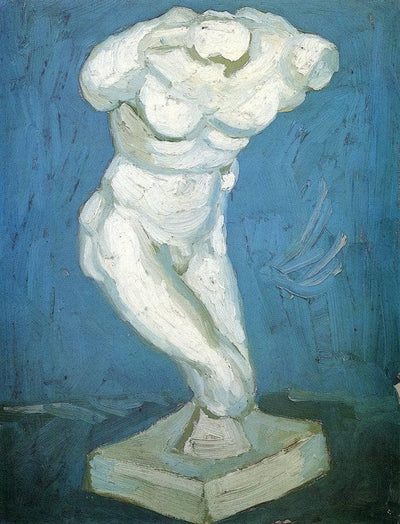 Vendor:Vincent van Gogh
Plaster Statuette of a Male Torso
- Regular price
- From $350.00
- Sale price
- From $350.00
- Regular price
-
-
Plaster Statuette of a Female Torso


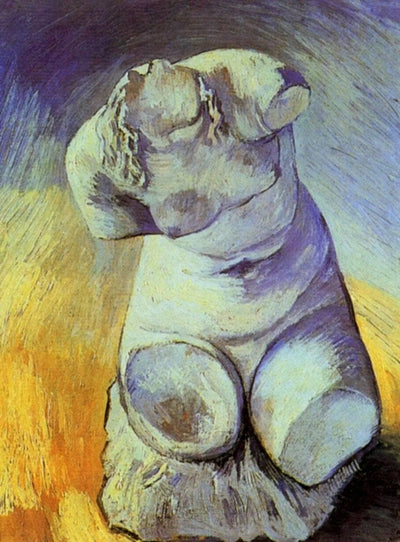 Vendor:Vincent van Gogh
Plaster Statuette of a Female Torso
- Regular price
- From $350.00
- Sale price
- From $350.00
- Regular price
-
-
Gypsum Torso


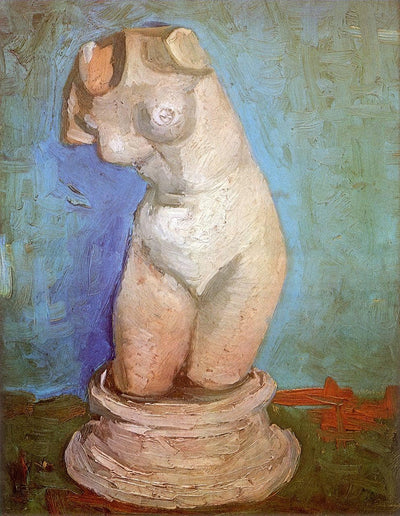 Vendor:Vincent van Gogh
Gypsum Torso
- Regular price
- From $350.00
- Sale price
- From $350.00
- Regular price
-
-
Portrait of a Woman Revealing Her Breasts


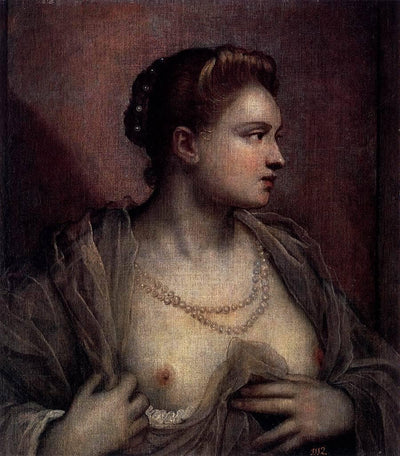 Vendor:Tintoretto
Portrait of a Woman Revealing Her Breasts
- Regular price
- From $350.00
- Sale price
- From $350.00
- Regular price
-
-
Allegory of Sensuality


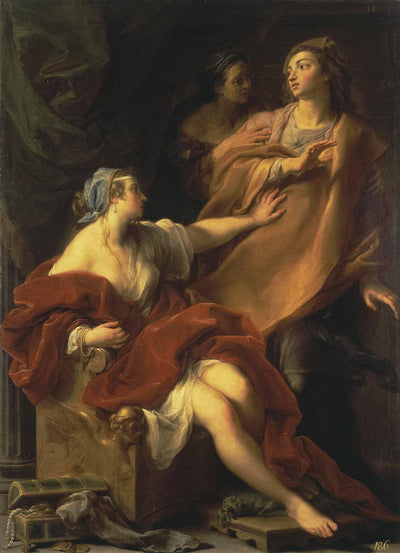 Vendor:Pompeo Batoni
Allegory of Sensuality
- Regular price
- From $350.00
- Sale price
- From $350.00
- Regular price
-
-
Study Torso Sunlight Effect

 Vendor:Pierre-Auguste Renoir
Study Torso Sunlight Effect
- Regular price
- From $350.00
- Sale price
- From $350.00
- Regular price
-
-
Female Torso


 Vendor:Kazimir Malevich
Female Torso
- Regular price
- From $350.00
- Sale price
- From $350.00
- Regular price
-
-
Woman Torso


 Vendor:Kazimir Malevich
Woman Torso
- Regular price
- From $350.00
- Sale price
- From $350.00
- Regular price
-
-
Male Torso

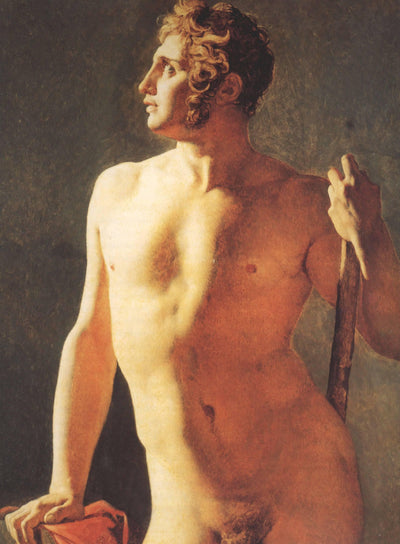 Vendor:Jean Auguste Dominique Ingres
Male Torso
- Regular price
- From $350.00
- Sale price
- From $350.00
- Regular price
-
-
Still Life Before Torso by Ben

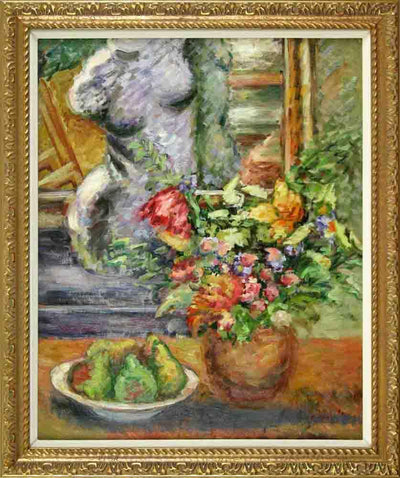 Vendor:Jacob Mącznik
Still Life Before Torso by Ben
- Regular price
- From $350.00
- Sale price
- From $350.00
- Regular price
-
-
Sonia Seated before Torso by Ben

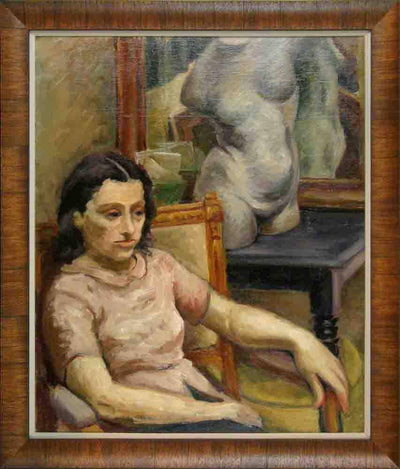 Vendor:Jacob Mącznik
Sonia Seated before Torso by Ben
- Regular price
- From $350.00
- Sale price
- From $350.00
- Regular price
-
-
Study of two female heads and torso of a warrior

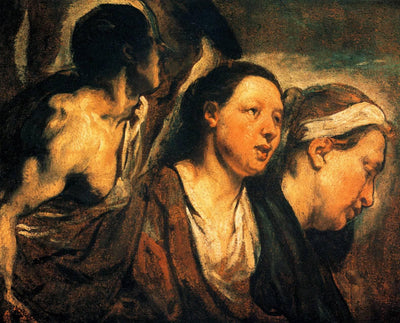 Vendor:Jacob Jordaens
Study of two female heads and torso of a warrior
- Regular price
- From $350.00
- Sale price
- From $350.00
- Regular price
-
-
Still Life with Torso and Flowers

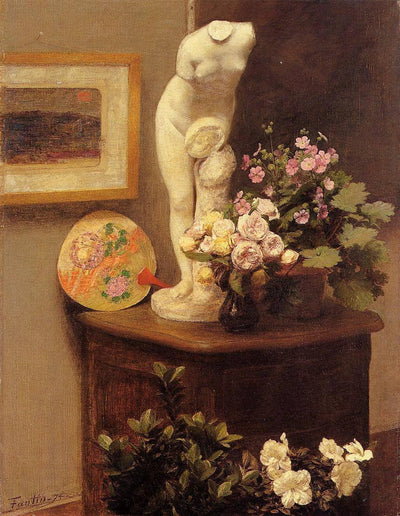 Vendor:Henri Fantin-Latour
Still Life with Torso and Flowers
- Regular price
- From $350.00
- Sale price
- From $350.00
- Regular price
-
-
Intimate Couple in Interior


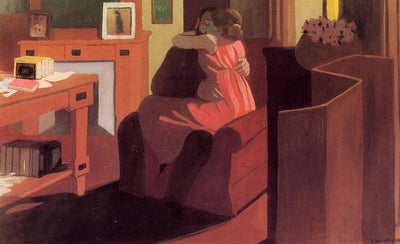 Vendor:Felix Vallotton
Intimate Couple in Interior
- Regular price
- From $350.00
- Sale price
- From $350.00
- Regular price
-
-
The Blonde with Bare Breasts

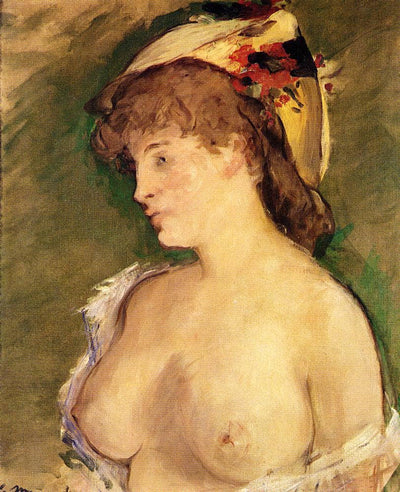 Vendor:Edouard Manet
The Blonde with Bare Breasts
- Regular price
- From $350.00
- Sale price
- From $350.00
- Regular price
-
-
Woman in a Blue Dressing Gown, Torso Exposed

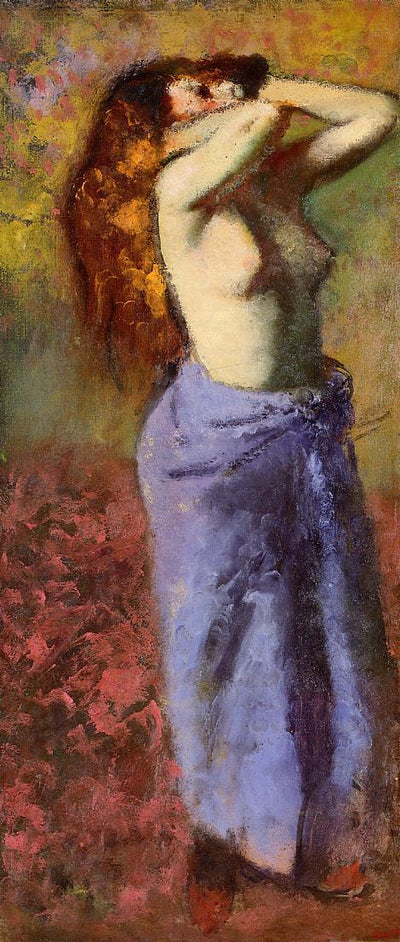 Vendor:Edgar Degas
Woman in a Blue Dressing Gown, Torso Exposed
- Regular price
- From $350.00
- Sale price
- From $350.00
- Regular price
-
-
Standing Female Figure with Bared Torso


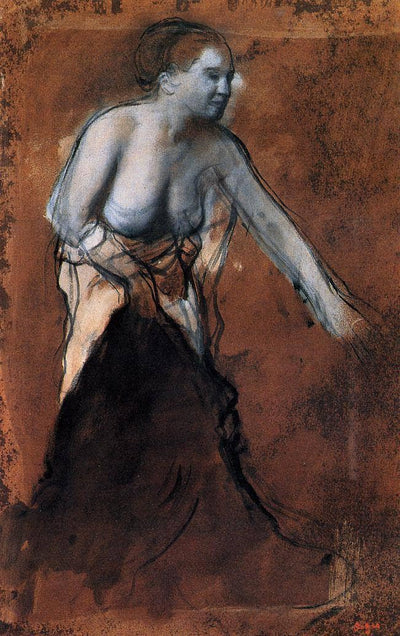 Vendor:Edgar Degas
Standing Female Figure with Bared Torso
- Regular price
- From $350.00
- Sale price
- From $350.00
- Regular price
-
-
Intimate portraits

 Vendor:Alfred Dehodencq
Intimate portraits
- Regular price
- From $350.00
- Sale price
- From $350.00
- Regular price
-
-
Seated Nude

 Vendor:William-Adolphe Bouguereau
Seated Nude
- Regular price
- From $350.00
- Sale price
- From $350.00
- Regular price
-
-
Back Of A Nude

 Vendor:William Merritt Chase
Back Of A Nude
- Regular price
- From $350.00
- Sale price
- From $350.00
- Regular price
-
-
Nude with Hat

 Vendor:William James Glackens
Nude with Hat
- Regular price
- From $350.00
- Sale price
- From $350.00
- Regular price
-
-
Nude with Apple

 Vendor:William James Glackens
Nude with Apple
- Regular price
- From $350.00
- Sale price
- From $350.00
- Regular price
-
-
Nude on a Red Sofa

 Vendor:William James Glackens
Nude on a Red Sofa
- Regular price
- From $350.00
- Sale price
- From $350.00
- Regular price
-
-
Semi Nude Woman

 Vendor:Wassily Kandinsky
Semi Nude Woman
- Regular price
- From $350.00
- Sale price
- From $350.00
- Regular price
-
-
Mornington Crescent nude, contre-jour

 Vendor:Walter Sickert
Mornington Crescent nude, contre-jour
- Regular price
- From $350.00
- Sale price
- From $350.00
- Regular price
-
-
Nude Woman on a Bed

 Vendor:Vincent van Gogh
Nude Woman on a Bed
- Regular price
- From $350.00
- Sale price
- From $350.00
- Regular price
-
-
Nude Woman Reclining, Seen from the Back

 Vendor:Vincent van Gogh
Nude Woman Reclining, Seen from the Back
- Regular price
- From $360.00
- Sale price
- From $360.00
- Regular price
-
-
Male nude seen from the back standing


 Vendor:Umberto Veruda
Male nude seen from the back standing
- Regular price
- From $350.00
- Sale price
- From $350.00
- Regular price
-
-
Three Women

 Vendor:Umberto Boccioni
Three Women
- Regular price
- From $350.00
- Sale price
- From $350.00
- Regular price
-
-
Standing Female Nude

 Vendor:Thomas Eakins
Standing Female Nude
- Regular price
- From $360.00
- Sale price
- From $360.00
- Regular price
-
-
Reclining nude

 Vendor:Théodore Ralli
Reclining nude
- Regular price
- From $350.00
- Sale price
- From $350.00
- Regular price
-
-
Study of a Male Nude

 Vendor:Théodore Géricault
Study of a Male Nude
- Regular price
- From $350.00
- Sale price
- From $350.00
- Regular price
-
-
Nude from Behind, Fixing Her Hair

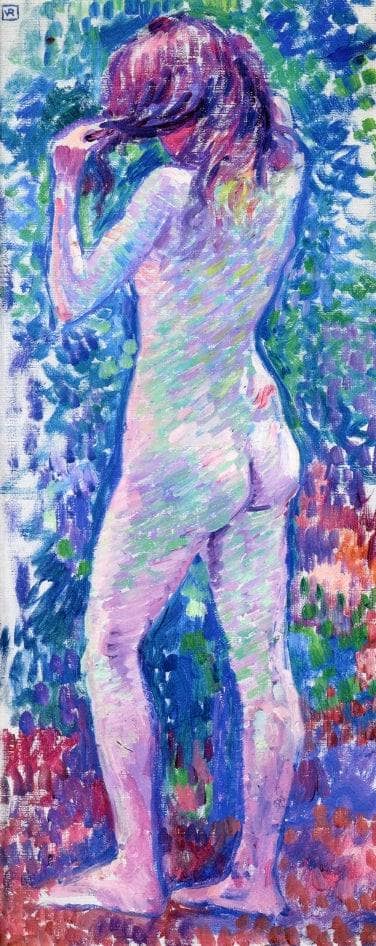 Vendor:Theo van Rysselberghe
Nude from Behind, Fixing Her Hair
- Regular price
- From $350.00
- Sale price
- From $350.00
- Regular price
-
-
Nude Woman

 Vendor:Theo van Rysselberghe
Nude Woman
- Regular price
- From $350.00
- Sale price
- From $350.00
- Regular price
-
-
Standing Nude

 Vendor:Theo van Rysselberghe
Standing Nude
- Regular price
- From $350.00
- Sale price
- From $350.00
- Regular price
-
-
Seated nude

 Vendor:Theo van Rysselberghe
Seated nude
- Regular price
- From $350.00
- Sale price
- From $350.00
- Regular price
-
-
Reclining nude

 Vendor:Suzanne Valadon
Reclining nude
- Regular price
- From $350.00
- Sale price
- From $350.00
- Regular price
-


Frequently Asked Questions
How much do 🖼️ Nude oil painting reproductions cost?
Our 🖼️ Nude oil painting reproductions start at $350.00. Prices vary by size: larger canvases and custom dimensions cost more. Every painting includes free worldwide shipping, and you approve photos of it before it ships.
What 🖼️ Nude paintings are available?
We carry 299+ 🖼️ Nude oil painting reproductions. Highlights include Female Nude, Study, Olympia, Plaster Statuette of a Male Torso, Plaster Statuette of a Female Torso, Gypsum Torso. Every piece is hand-painted by professional artists on premium canvas.
Are these 🖼️ Nude prints or hand-painted reproductions?
Every 🖼️ Nude reproduction is 100% hand-painted by professional artists using premium oil paints on gallery-grade canvas. These are not prints, giclées, or digital reproductions. Each piece captures the original brushwork, texture, and color depth of the masterpiece.
What sizes are available for 🖼️ Nude painting reproductions?
Each 🖼️ Nude painting is available in multiple standard sizes, from small (16" × 20") to large museum-scale formats. Custom dimensions are available upon request. Contact us with your preferred size for a quote.
How long does it take to receive my painting?
Each painting is made to order. Production takes 2–3 weeks, plus 5–10 business days for worldwide shipping. Total delivery time is typically 3–5 weeks depending on your location. Shipping is free worldwide.
What is your return policy?
You approve photos of your finished painting before it ships, and revisions are free until you're happy. After delivery, our refund policy applies.
The nude in art history
The nude, as a form of visual art that focuses on the unclothed human figure, is an enduring tradition in Western art. It was a preoccupation of Ancient Greek art, and after a semi-dormant period in the Middle Ages it returned to a central position with the Renaissance, a return that art history treats as one of the defining moments of the period. Unclothed figures often also play a part in other types of art, such as history painting, including allegorical and religious art, portraiture, or the decorative arts. From prehistory to the earliest civilizations, nude female figures were generally understood to be symbols of fertility or well-being.
That is the whole arc in one paragraph, and it explains the shape of this collection. The ancient world treated nudity as normal. The medieval centuries mostly did not, and nudity nearly disappeared from painting for a thousand years. The Renaissance brought it back by way of classical sculpture, and from that point on it was the central discipline of every art academy in Europe, which is why so many of these are academy work rather than finished exhibition pieces.
Famous nude paintings
These are the works people ask for by name, and each can be ordered as a hand-painted reproduction in oil.
- Olympia by Edouard Manet, an 1863 oil painting depicting a nude white woman lying on a bed being attended to by a black maid. The French government acquired it in 1890 after a public subscription organized by Claude Monet, and the painting is now in the Musee d'Orsay in Paris.
- Venus of Urbino by Titian, the reclining nude that set the pattern for the next four hundred years, Manet included.
- The Grande Odalisque by Jean Auguste Dominique Ingres, the most famous distortion of the female form in academic painting.
- Seated Nude by William-Adolphe Bouguereau, a French academic painter who used mythological themes in his realistic genre pictures, making modern interpretations of classical subjects with an emphasis on the female human body. He finished 822 known paintings.
- Woman's Nude Torso by Pierre-Auguste Renoir, and Woman Before a Mirror by Manet.
- Female Nude, Study by Albert Edelfelt and Half-Nude by Wojciech Weiss, two academy exercises.
- Back Of A Nude by William Merritt Chase, Nude with Hat, Nude with Apple and Nude on a Red Sofa by William James Glackens, four American pictures.
- Male nude by Vasily Surikov, Young Nude Male by Magnus Enckell and Plaster Statuette of a Male Torso by Vincent van Gogh.
- Nude I by Edvard Munch and Mornington Crescent nude, contre-jour by Walter Sickert.
- Allegory of Sensuality by Pompeo Batoni and Portrait of a Woman Revealing Her Breasts by Tintoretto.
- Intimate Couple in Interior and Solitaire, also known as Nude Playing Cards by Felix Vallotton.
- Seated Female Nude by Lyubov Popova and Semi Nude Woman by Wassily Kandinsky.
Venus, the classical body and the Renaissance revival
The unclothed body returned to a central position in Western art with the Renaissance, and it came back wearing a classical name. A woman on a bed was a scandal; Venus on a bed was a tribute to antiquity. That device, borrowed from Greek and Roman sculpture, gave artists four hundred years of permission.
Renaissance art emerged as a distinct style in Italy in about 1400 and took the art of classical antiquity as its foundation, which it transformed by absorbing recent developments in the art of Northern Europe and by applying contemporary scientific knowledge. In practice that meant anatomy. The human form became a scientific matter as well as a religious and mythological one, and drawing from a live model became the foundation of an artistic education.
Titian fixed the reclining nude as a format, and everything that follows argues with that view. Ingres stretches the body into an impossible curve. Manet strips the mythology out entirely, which is why Olympia caused the trouble it did: the same pose, the same bed, but a real woman with a name and a maid, and no Venus anywhere in it.
The academy and the life class
A large part of this group is not finished painting at all. They are exercises: a torso, a back, a seated figure, a plaster cast copied in oil. For three centuries the drawing and painting of the unclothed model was the core of every academic training in Europe, and the sheets and canvases survive in enormous numbers.
Van Gogh's Plaster Statuette of a Male Torso is the clearest example on this page. It is not a picture of a person. It is a picture of a cast of an ancient sculpture, copied as practice, which is exactly what a student did before being allowed near a model.
These exercises are among the most interesting things in the store. They are usually smaller, looser and more direct than finished works, the artist had nothing to prove and nobody to please, and the paint handling is often better than in the exhibition pieces by the same hand. Edelfelt, Weiss and Surikov all come from that world, and their nudes have aged better than most.
Male and female nudes
The tradition is not evenly divided, and the reasons are historical rather than aesthetic. In the ancient world and in the Renaissance the male form came first, because it was the heroic one and because anatomy was taught from it. From the eighteenth century onward the female figure took over, and by the nineteenth century the academic figure was female almost by default.
These nudes reflect that, with more female than male figures, but the male pictures here are worth seeking out. Surikov and Enckell both produced academy nudes of real quality, and van Gogh's plaster torso belongs to the same lineage.
From prehistory to the earliest civilizations, nude female figures were generally understood to be symbols of fertility or well-being, and that association never entirely disappeared. It is part of why the female figure carried so much allegorical weight in later European art: Truth, Justice, Liberty and Spring were all painted as unclothed women, and the allegory did a great deal of work in getting the picture past its audience.
Manet, Klimt and the modern nude
The modern version of the subject begins in 1863 with Olympia. The French government acquired the painting in 1890, after a public subscription organized by Claude Monet, and it is now in the Musee d'Orsay. What made it modern was not the body but the refusal of the excuse: no goddess, no myth, no classical title.
Gustav Klimt took the opposite route. He was an Austrian symbolist painter and a founding member of the Vienna Secession movement, his work helped define the Art Nouveau style in Europe, his primary subject was the female body, and his works are marked by a frank eroticism. His Danae of 1907 is an example of Symbolism; the canvas measures 77 x 83 cm and was in the Galerie Wurthle in Vienna until it closed in 1995. Klimt kept the mythological title and dropped the classical restraint, which is the exact reverse of what Manet did.
Amedeo Modigliani, an Italian painter and sculptor of the Ecole de Paris who worked mainly in France, is known for portraits and nudes in a modern style characterized by a surreal elongation of faces, necks and figures, works that were not received well during his lifetime but later became much sought after. Between those three artists you have the whole modern argument about the subject.
Museums, galleries and the public argument
No other theme in art has spent as much time in court, in the newspapers and on museum walls at the same time. That history is worth knowing, because a great deal of what makes these pictures interesting happened after they were painted.
The pattern repeats. A picture is shown, a museum or a gallery is criticized for showing it, and thirty years later the same museum is proud of it. Olympia went from public scandal in 1863 to a national museum by 1890, bought after a subscription organized by Claude Monet. A national gallery that would not hang a picture in one decade would build a room around it in the next, and the works on this page have all been through some version of that.
The modern museum has settled into a straightforward position: the unclothed figure is a core subject of the Western tradition and a museum that excluded it would have almost no Renaissance collection left. Any large gallery in Europe or America has rooms full of nudity, clearly labeled, with no fuss at all, and the visitors who come to see the Venus and the ones who come to see the landscape walk past each other without noticing.
For anyone buying, the practical point is that a picture from a major public gallery has reliable color and a reliable reference. A work that has stayed in private hands, like Klimt's Danae after 1995, is harder to reproduce faithfully, and it is worth asking about before you order.
Museums and galleries that hold the originals
A short list, because it helps to know where to look. The Musee d'Orsay in Paris holds Olympia, bought by the French government in 1890 after a public subscription organized by Claude Monet; the same museum is the single best place in the world for the nineteenth century version of this subject. The Uffizi and the great Italian collections hold the Renaissance material, including Titian. The Louvre holds Ingres. Klimt's Danae sat in the Galerie Wurthle in Vienna until that gallery closed in 1995, after which it entered a private collection.
Beyond those, almost every national museum and every major municipal gallery in Europe and North America has a room of this material, much of it academy work by artists whose names are known only to specialists. A gallery in a provincial French city will often hold better studies than a famous museum, because the famous museum bought finished pictures and the provincial gallery inherited the contents of a local academy.
That distribution is why the artists on this page are a mix of household names and names you have never encountered. Both kinds are reproduced here the same way, and in a gallery the two hang side by side without any fuss, which is a reasonable model for a house as well.
Contemporary taste and the modern room
It is worth being honest about how buyers use these pictures today, because it is not how they were bought in 1880. A nineteenth century collector bought a nude as a demonstration of taste and classical learning. A buyer today nearly always chooses one for a bedroom, a dressing room or a private study, and chooses a quiet figure over a grand mythological composition nine times out of ten.
Even that shift has consequences for what works now. A modern room is smaller and lighter than a salon, so the enormous academic pieces lose their setting, while a single torso or a back at a modest size looks completely at home. The loose, unfinished ones suit contemporary furniture better than the polished exhibition pieces do, which is the opposite of what people expect.
The other contemporary habit is pairing. Two canvases of the same size, one male and one female, or two views of the same figure, read as a considered decision rather than as a single indulgence. If you want one of these pictures in a shared room, that is the arrangement that works.
Allegory, myth and the excuse
For most of the history of this subject, a painter needed a reason. Truth, Justice, Liberty, Spring, Charity, Sensuality: all of these were painted as unclothed figures, and the allegory gave the canvas a respectable excuse. Pompeo Batoni's Allegory of Sensuality is exactly that transaction, announced in the title.
Mythology did the same job better. A Venus, a Danae, a Diana or a Bathsheba could be shown in any state, because the source was ancient literature rather than a person in a room. Titian, Klimt and a hundred painters in between used that door, and the pictures are not less serious for it: the myth is a frame, not a lie.
The interesting moment is when artists stopped bothering. Manet did it in 1863 and the reaction told everyone exactly how much work the myth had been doing. From that point the tradition splits in two: those that keep the classical apparatus and those that drop it, and you can sort almost everything on this page into one pile or the other in about a second.
How to look at one of these
Three things separate a good one from a weak one, and they hold whether the canvas is from 1540 or 1910.
Drawing comes first. The human form is the hardest thing in art precisely because everyone knows what it should look like; an error in a shoulder or a knee is visible to anyone. Look at the joints and the transitions, not the face.
Then the flesh itself. Skin is a translucent surface over a solid, so light goes into it and comes back warmer, and a painter who treats it as an opaque color produces something that looks like plaster. In a good picture the shadow on a body is warm, never gray.
Then the setting. A figure in an empty studio is an exercise. The same figure on a bed in a furnished room is a statement, and the furniture tells you what kind. It is the fastest way to read the intent of anything on this page.
Museum context and where these works hang
A great deal of the argument about this subject happens inside museums rather than in the art itself. Olympia went from public scandal to the Musee d'Orsay in under thirty years, bought for the nation after a subscription organized by a fellow painter. Klimt's Danae stayed in a private gallery in Vienna until 1995 and then passed into a private collection. The history of where a picture has been is part of what it means.
For a buyer that history is also practical information. A work in a major public museum has been photographed carefully many times, so the reference for a reproduction is good and the color is reliable. A picture that has spent its life in private hands has usually been photographed once, and the reproduction is harder to get right. Most of the well known pictures on this page are in the first category.
The gaze, and what the picture asks of you
Modern art history spends a great deal of time on the gaze, which is a useful idea even if the term is off-putting. It means simply this: every canvas of this kind decides who is looking, and at what. Once you notice the decision you cannot stop noticing it.
Three arrangements cover almost everything here. The figure looks away, absorbed in something else, and the viewer is a spectator: this covers most of the academy pieces and most of the bathing scenes. The figure looks out at you, which changes the transaction completely and is why Olympia caused a scandal that Venus of Urbino never did, even though the pose is almost identical. Or the figure is seen from behind, as in Chase's Back Of A Nude, where the gaze is refused altogether and the canvas becomes about paint and light.
That third arrangement is the one modern buyers choose most often, and it is easy to see why. A body seen from behind carries no confrontation, it works in a room where people gather, and it lets the painting be about the beauty of a surface rather than a look exchanged across four hundred years.
The 20th century and what is not here
The theme continued into the 20th century and became one of the founding concerns of modern art, but this page stops earlier, for a straightforward reason: the store reproduces work that is out of copyright. Modigliani, who died in 1920, is the latest of the great names in this field whose position is clear, and his nudes in that modern style characterized by a surreal elongation of faces, necks and figures were not received well during his lifetime but later became much sought after.
What that means in practice is that this collection covers the tradition from the Renaissance revival through the academies to the first years of the modern period, and then stops. The famous 20th century treatments of the subject are not available and will not be, and it is better to say so here than to let anyone search for them.
The upside is that the part of the tradition you can buy is the part that invented everything. Every 20th century argument about this subject is a response to Titian, to Ingres and to Manet, and all three are on this page.
How each reproduction is made
One studio artist works from the museum reference in oil, building the figure the way the original was built, with the flesh tones in layers and the highlights last. Nothing is printed and nothing is transferred. Seven sizes are available with an optional frame, and you approve a photo of the finished work before it ships. Free worldwide shipping and 90-day returns apply. On this subject the approval step matters more than on any other: ask for a close view of the shadow side of the body, because that is where a weak copy shows.
Browse related collections
The subject overlaps several others in the catalog.
- Women as the subject for clothed figures.
- Men on canvas for the male figure in portraiture.
- Myth and allegory for Venus, the graces and the gods.
- Academic painting for the salon tradition these studies come from.
- High Renaissance works for the classical revival.
Frequently asked questions
Why is the nude such a central subject in Western art? Because it was a preoccupation of Ancient Greek art, and after a semi-dormant period in the Middle Ages it returned to a central position with the Renaissance. Unclothed figures also appear across history painting, allegory, religious art, portraiture and the decorative arts.
What is the difference between an academy study and a finished work? An exercise was made as part of a training or as preparation, usually of a single figure against a plain ground. Even a great artist produced dozens of them. A finished picture places the figure in a setting and carries a subject, a title and often a myth. This collection holds a great many of the first kind.
Are these prints? No. Each is an original in oil, made by hand by a studio artist, in seven sizes, with an optional frame and a photo of the finished work for your approval before it ships.
We’ll Paint Any Image You Want
Just send us a photo or the painting name and our artists will hand-paint it for you.
