4.9/5
4.9/5


Famous Flower Oil Painting Reproductions
Famous flower paintings are the most requested still life subject in the store, and this page holds 1,325 hand-painted oil reproductions in the floral genre. You can order Still Life, Vase with Twelve Sunflowers and Vase with Fifteen Sunflowers by Vincent van Gogh, Irises and Still Life with Irises, Branches with Almond Blossom, Roses, Tulips and Other Flowers in a Glass Vase on a Marble Ledge by Rachel Ruysch, Roses by Berthe Morisot, The Flower Seller by William-Adolphe Bouguereau, Lilacs in Vase by Valentin Serov and Still Life, Pink Roses. Everything here is hand-painted in oil on canvas by a studio artist, never printed.
-
In the Greenhouse


 Vendor:John Henry Twachtman
In the Greenhouse
- Regular price
- From $350.00
- Sale price
- From $350.00
- Regular price
-
-
Flower Garden


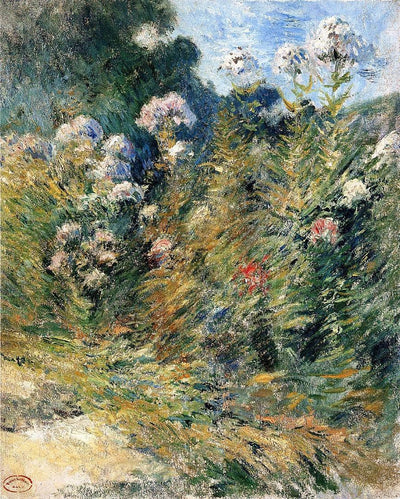 Vendor:John Henry Twachtman
Flower Garden
- Regular price
- From $350.00
- Sale price
- From $350.00
- Regular price
-
-
Il Penseroso


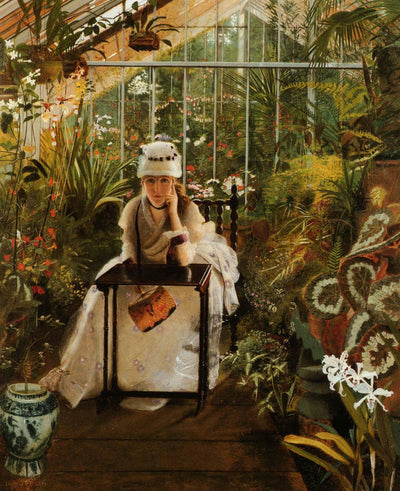 Vendor:John Atkinson Grimshaw
Il Penseroso
- Regular price
- From $350.00
- Sale price
- From $350.00
- Regular price
-
-
Louis Comfort Tiffany

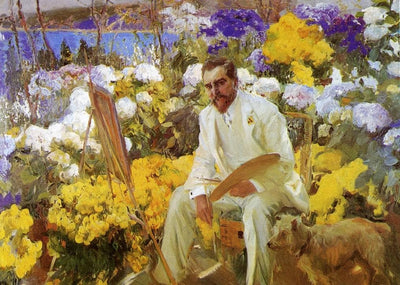 Vendor:Joaquín Sorolla
Louis Comfort Tiffany
- Regular price
- From $350.00
- Sale price
- From $350.00
- Regular price
-
-
Portrait of Clothilde


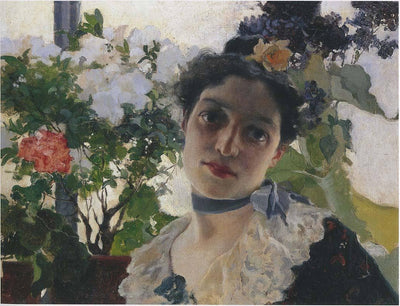 Vendor:Joaquín Sorolla
Portrait of Clothilde
- Regular price
- From $350.00
- Sale price
- From $350.00
- Regular price
-
-
A Trieste Flowergirl


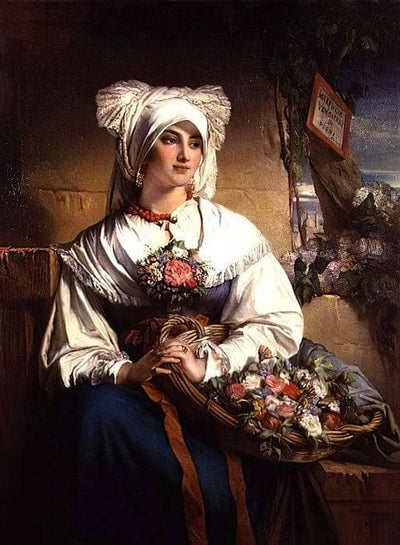 Vendor:Jean-François Portaels
A Trieste Flowergirl
- Regular price
- From $350.00
- Sale price
- From $350.00
- Regular price
-
-
Dead Crane


 Vendor:Jean-Baptiste Oudry
Dead Crane
- Regular price
- From $350.00
- Sale price
- From $350.00
- Regular price
-
-
Abundance


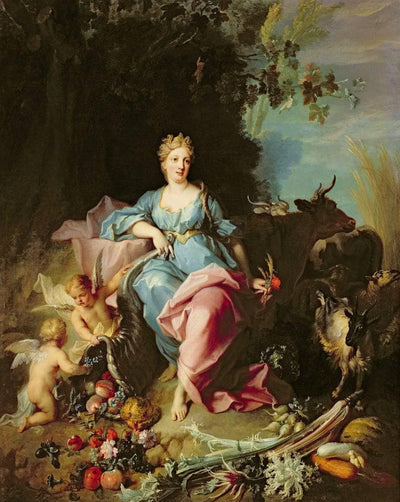 Vendor:Jean-Baptiste Oudry
Abundance
- Regular price
- From $350.00
- Sale price
- From $350.00
- Regular price
-
-
The Virgin and Child, in a Sculpted Cartouche, Surrounded by Garlands of Roses, Tulips, Carnations,Lillies and Other Flowers


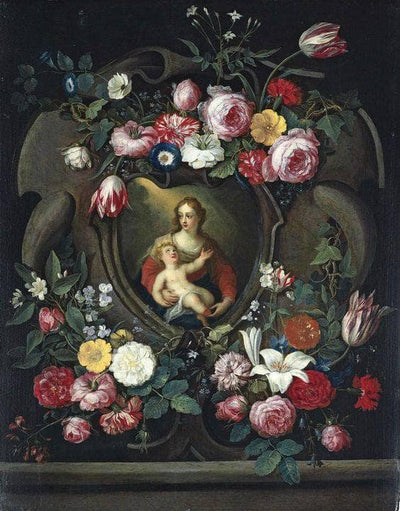 Vendor:Jan van Kessel the Elder
The Virgin and Child, in a Sculpted Cartouche, Surrounded by Garlands of Roses, Tulips, Carnations,Lillies and Other Flowers
- Regular price
- From $360.00
- Sale price
- From $360.00
- Regular price
-
-
he Virgin and Child, in a Sculpted Cartouche, Surrounded by Garlands of Roses, Tulips, Carnations, Lillies and Other Flowers

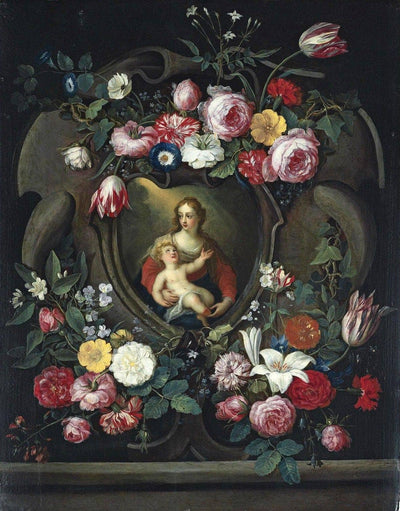 Vendor:Jan van Kessel the Elder
he Virgin and Child, in a Sculpted Cartouche, Surrounded by Garlands of Roses, Tulips, Carnations, Lillies and Other Flowers
- Regular price
- From $350.00
- Sale price
- From $350.00
- Regular price
-
-
Fruit still life with flower tazza, squirrel, and jar


 Vendor:Jan van Kessel the Elder
Fruit still life with flower tazza, squirrel, and jar
- Regular price
- From $350.00
- Sale price
- From $350.00
- Regular price
-
-
Festoon, masks and rosettes made of shells

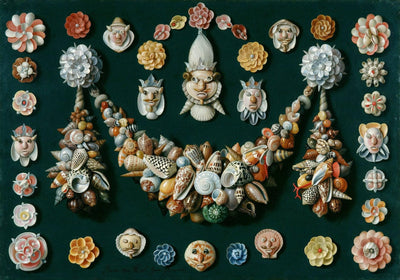 Vendor:Jan van Kessel the Elder
Festoon, masks and rosettes made of shells
- Regular price
- From $360.00
- Sale price
- From $360.00
- Regular price
-
-
The Oyster Eater

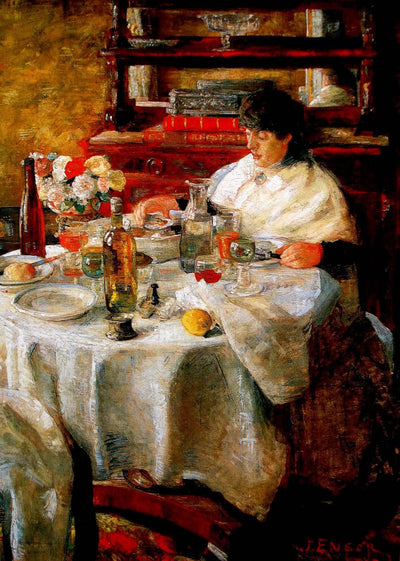 Vendor:James Ensor
The Oyster Eater
- Regular price
- From $350.00
- Sale price
- From $350.00
- Regular price
-
-
Self-Portrait with Flowered Hat

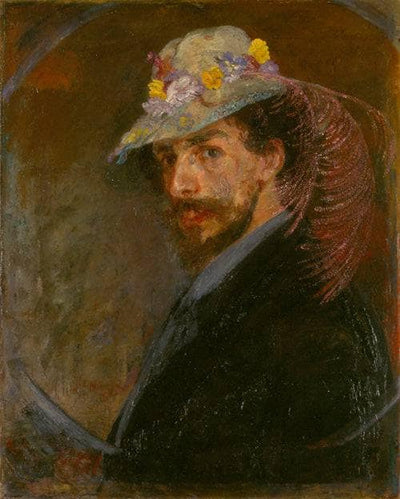 Vendor:James Ensor
Self-Portrait with Flowered Hat
- Regular price
- From $350.00
- Sale price
- From $350.00
- Regular price
-
-
Portrait of a young, pretty woman with a large flower-trimmed hat and red-brown jacket

 Vendor:Isaac Israels
Portrait of a young, pretty woman with a large flower-trimmed hat and red-brown jacket
- Regular price
- From $350.00
- Sale price
- From $350.00
- Regular price
-
-
The Flower Pickers

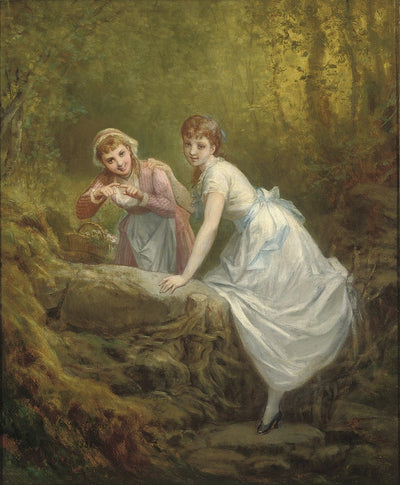 Vendor:Henri-Pierre Picou
The Flower Pickers
- Regular price
- From $350.00
- Sale price
- From $350.00
- Regular price
-
-
Landscape with Monkeys


 Vendor:Henri Rousseau
Landscape with Monkeys
- Regular price
- From $350.00
- Sale price
- From $350.00
- Regular price
-
-
Four Vases of Chrysanthemums

 Vendor:Gustave Caillebotte
Four Vases of Chrysanthemums
- Regular price
- From $350.00
- Sale price
- From $350.00
- Regular price
-
-
White and Yellow Chrysanthemums

 Vendor:Gustave Caillebotte
White and Yellow Chrysanthemums
- Regular price
- From $350.00
- Sale price
- From $350.00
- Regular price
-
-
Rose Bush in Flower

 Vendor:Gustave Caillebotte
Rose Bush in Flower
- Regular price
- From $350.00
- Sale price
- From $350.00
- Regular price
-
-
Vase of Gladiolas

 Vendor:Gustave Caillebotte
Vase of Gladiolas
- Regular price
- From $350.00
- Sale price
- From $350.00
- Regular price
-
-
Clump of Chrysanthemums, Garden at Petit Gennevilliers

 Vendor:Gustave Caillebotte
Clump of Chrysanthemums, Garden at Petit Gennevilliers
- Regular price
- From $350.00
- Sale price
- From $350.00
- Regular price
-
-
Woman Sitting on a Red Flowered Sofa

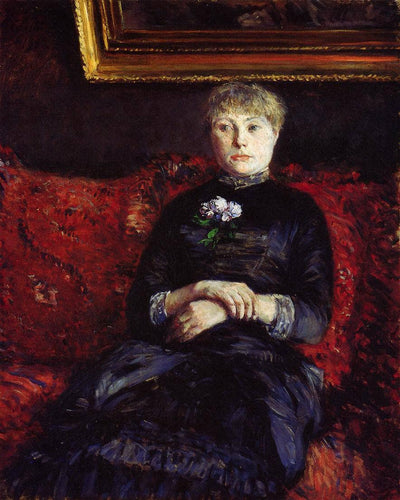 Vendor:Gustave Caillebotte
Woman Sitting on a Red Flowered Sofa
- Regular price
- From $350.00
- Sale price
- From $350.00
- Regular price
-
-
Garden Rose and Blue Forget Me Nots in a Vase

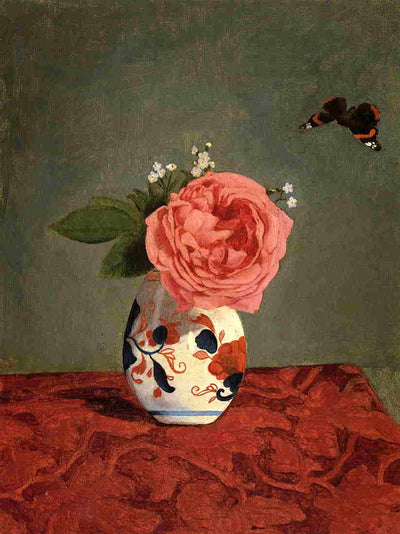 Vendor:Gustave Caillebotte
Garden Rose and Blue Forget Me Nots in a Vase
- Regular price
- From $350.00
- Sale price
- From $350.00
- Regular price
-
-
Aloe Vera

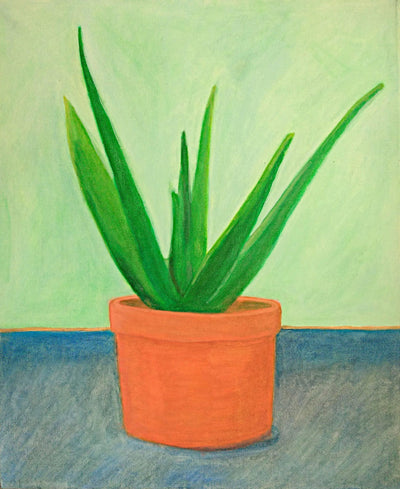 Vendor:Gregorio Undurraga
Aloe Vera
- Regular price
- From $350.00
- Sale price
- From $350.00
- Regular price
-
-
The Reading

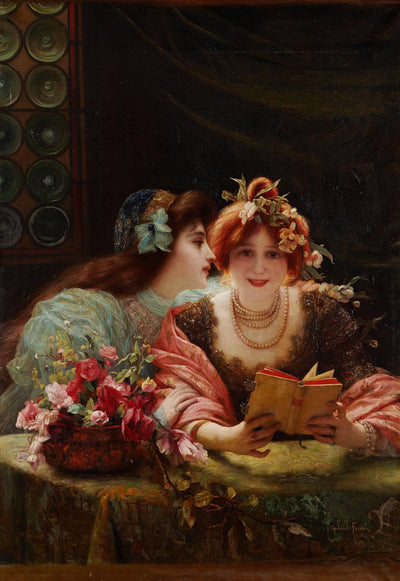 Vendor:Gabriel Ferrier
The Reading
- Regular price
- From $350.00
- Sale price
- From $350.00
- Regular price
-
-
Grapes, Peaches and Quinces in a Niche

 Vendor:Frans Snyders
Grapes, Peaches and Quinces in a Niche
- Regular price
- From $350.00
- Sale price
- From $350.00
- Regular price
-
-
A Monkey Among Fruit

 Vendor:Frans Snyders
A Monkey Among Fruit
- Regular price
- From $350.00
- Sale price
- From $350.00
- Regular price
-
-
Still Life With A Basket Of Fruit

 Vendor:Frans Snyders
Still Life With A Basket Of Fruit
- Regular price
- From $350.00
- Sale price
- From $350.00
- Regular price
-
-
Still Life with Grapes and Game

 Vendor:Frans Snyders
Still Life with Grapes and Game
- Regular price
- From $350.00
- Sale price
- From $350.00
- Regular price
-
-
Still Life of Fruit in a Wicker Basket


 Vendor:Frans Snyders
Still Life of Fruit in a Wicker Basket
- Regular price
- From $350.00
- Sale price
- From $350.00
- Regular price
-
-
Flore and a follower

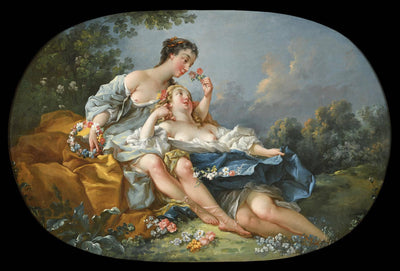 Vendor:Francois Boucher
Flore and a follower
- Regular price
- From $350.00
- Sale price
- From $350.00
- Regular price
-
-
Cauliflower

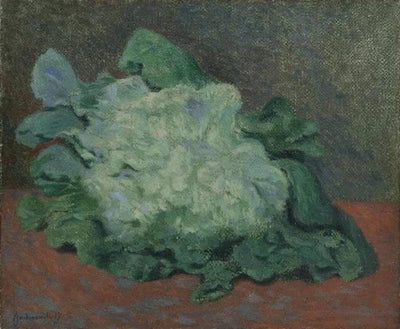 Vendor:Federico Zandomeneghi
Cauliflower
- Regular price
- From $350.00
- Sale price
- From $350.00
- Regular price
-
-
Portrait of girl with flower

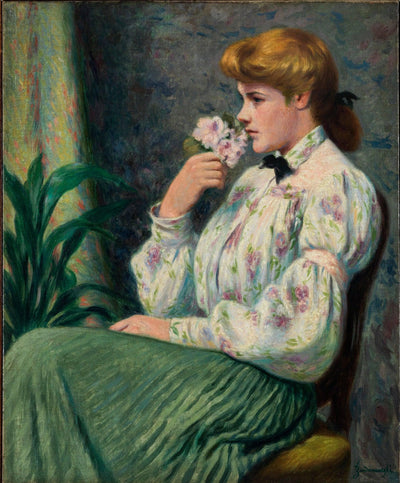 Vendor:Federico Zandomeneghi
Portrait of girl with flower
- Regular price
- From $350.00
- Sale price
- From $350.00
- Regular price
-
-
A Box at the Theatre des Italiens

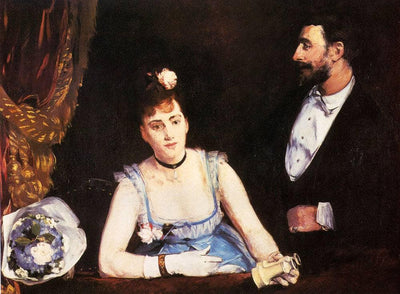 Vendor:Eva Gonzales
A Box at the Theatre des Italiens
- Regular price
- From $350.00
- Sale price
- From $350.00
- Regular price
-
-
Woman Awakening

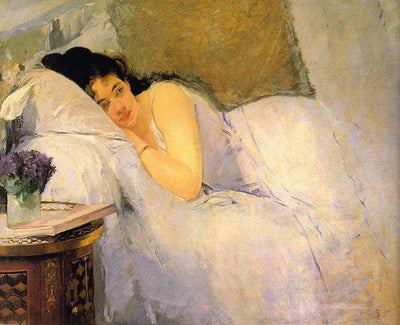 Vendor:Eva Gonzales
Woman Awakening
- Regular price
- From $350.00
- Sale price
- From $350.00
- Regular price
-
-
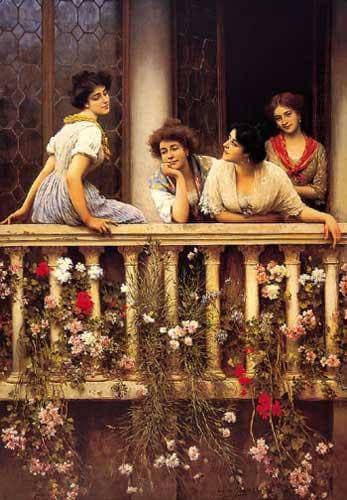
Ladies on a Balcony

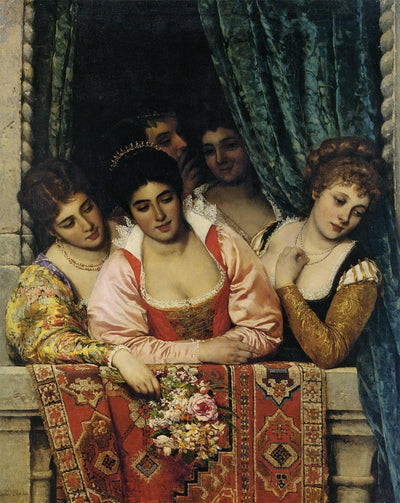 Vendor:Eugene de Blaas
Ladies on a Balcony
- Regular price
- From $350.00
- Sale price
- From $350.00
- Regular price
-













Frequently Asked Questions
How much do Flower Paintings For Sale: Discover Floral oil painting reproductions cost?
Our Flower Paintings For Sale: Discover Floral oil painting reproductions start at $350.00. Prices vary by size: larger canvases and custom dimensions cost more. Every painting includes free worldwide shipping and a 90-day satisfaction guarantee.
What Flower Paintings For Sale: Discover Floral paintings are available?
We carry 1269+ Flower Paintings For Sale: Discover Floral oil painting reproductions. Highlights include In the Greenhouse, Flower Garden, Il Penseroso, Louis Comfort Tiffany, Portrait of Clothilde. Every piece is hand-painted by professional artists on premium canvas.
Are these Flower Paintings For Sale: Discover Floral prints or hand-painted reproductions?
Every Flower Paintings For Sale: Discover Floral reproduction is 100% hand-painted by professional artists using premium oil paints on gallery-grade canvas. These are not prints, giclées, or digital reproductions. Each piece captures the original brushwork, texture, and color depth of the masterpiece.
What sizes are available for Flower Paintings For Sale: Discover Floral painting reproductions?
Each Flower Paintings For Sale: Discover Floral painting is available in multiple standard sizes, from small (16" × 20") to large museum-scale formats. Custom dimensions are available upon request. Contact us with your preferred size for a quote.
How long does it take to receive my painting?
Each painting is made to order. Production takes 2–3 weeks, plus 5–10 business days for worldwide shipping. Total delivery time is typically 3–5 weeks depending on your location. Shipping is free worldwide.
What is your return policy?
We offer a 90-day satisfaction guarantee. If you're not completely happy with your painting, contact us for a full refund or replacement, no questions asked.
Flowers in art, and the still life tradition
A still life is a work of art depicting mostly inanimate subject matter, typically commonplace objects which are either natural or human-made. Cut blooms in a glass are the purest case: natural, commonplace, and dead within a week, which is exactly why painters keep returning to them. A floral picture of this kind is a record of something that cannot last, made in a medium that lasts for centuries. That is the history of the genre in one line.
That tension is the whole history of flower painting in one sentence. The Dutch Golden Age turned it into an industry of arrangements that could never have existed, since the blooms in a single picture often flowered in different months. The Impressionists carried the subject outdoors and painted the garden instead. Van Gogh did both, and then made the flowers carry a feeling rather than a season.
Famous flower paintings
These are the paintings of flowers people search for by name, and each is known well enough to be asked for by title.
- Still Life, Twelve Sunflowers. The series title is of two series of still life paintings by Vincent van Gogh. One, executed in Paris in 1887, shows the flowers lying on the ground; the other, made a year later in Arles, shows bouquets of them in a jar. In the artist's mind both sets were linked by the name of his friend Paul Gauguin, who acquired two of the Paris versions.
- Vase with Fifteen Sunflowers, from the same Arles group. About eight months after the Paris pictures, van Gogh hoped to welcome and impress Gauguin again with them, which became part of the painted Decoration for the Yellow House in Arles that he prepared for the guestroom of his home in Arles, where Gauguin was supposed to stay.
- Irises, an oil picture made in 1889. It is a landscape with a cropped composition and one of several hundred paintings van Gogh made at the Saint Paul-de-Mausole asylum in Saint-Remy-de-Provence, in the Alpilles de Provence, in the last year before his death in 1890. It has been in the permanent collection of The Getty in Los Angeles since 1990.
- Still Life with Irises, the same blooms brought indoors and set on a table.
- Branches with Almond Blossom. Almond Blossoms is a set of several paintings made in 1888 and 1890 in Arles and Saint-Remy of blossoming almond trees. Flowering trees were special to van Gogh: they represented awakening and hope, he enjoyed them aesthetically, and he found joy in painting flowers on a branch. They reflect the influence of Impressionism, Divisionism and Japanese woodcuts, and Almond Blossom was made to celebrate the birth of his nephew and namesake, the son of his brother Theo and his sister-in-law Jo.
- Roses, Tulips and Other Flowers in a Glass Vase on a Marble Ledge, Flowers in a Glass Vase, with a Cricket in a Niche, Posy of Flowers, with a Red Admiral Butterfly, on a Marble Ledge and Spray of Flowers with Insects and Butterflies on a Marble Slab by Rachel Ruysch, four arrangements with insects in them.
- Roses by Berthe Morisot, an Impressionist handling of the same subject.
- Still Life, Pink Roses and Vase with Red and White Carnations on a Yellow Background, two of the quieter pictures of the group.
- Still Life with Cornflowers and Poppies and Poppies by Wojciech Weiss.
- Lilacs in Vase by Valentin Serov and Flowers by Wojciech Weiss.
- The Flower Seller by William-Adolphe Bouguereau and The Flower Merchant by Rudolf Ernst, flowers as a trade rather than a bouquet.
- Lady in a Garden by Frederick Carl Frieseke and Girl with azalea flowers by Wladyslaw Czachorski, flowers with a figure.
The Dutch arrangement and the marble ledge
The floral still lifes that set the pattern came out of the Low Countries. Look at the four Ruysch pictures on this page and the grammar is clear at once: a glass container, a dark ground, a marble ledge, and insects. The ledge gives the flowers a stage and a hard edge to sit on. The dark ground makes a pale pink petal glow without any other trick. The insects, a cricket in a niche, a red admiral butterfly on a ledge, do two jobs at once, showing off the painter's eye and reminding you that everything on the table is being eaten.
Those pictures are also assemblies that never existed. Tulips and roses together in one container is a composite of different months, assembled from studies, which is why the flowers in one of these arrangements are always at their absolute peak. The habit tells you something about the trade: a flower painting was a luxury object about luxury objects, painted for people who could afford the rarest bulbs, and the picture outlasted the bulb.
Impressionism moves the subject outdoors
The Impressionists did not abandon the cut flower, they moved it. Claude Monet was a French painter and founder of Impressionism, seen as a key precursor to modernism, especially in his attempts to paint nature as he perceived it, and he was the most consistent and prolific practitioner of the movement's philosophy of expressing one's perceptions of nature, especially as applied to plein air landscape painting. His Water Lilies is a group of approximately 250 oil pictures depicting the flower beds at his home in Giverny, and it was the main focus of his production during the last 31 years of his life. Many of those works were painted while Monet suffered from cataracts. The Artist's Garden at Giverny of 1900 is now in the Musee d'Orsay in Paris.
Impressionism itself was a 19th-century art movement characterized by visible brush strokes, open composition and an emphasis on the accurate depiction of light in its changing qualities, with ordinary subject matter and unusual visual angles. An outdoor scene was the perfect subject for all of that at once: light, tone, and a composition with no edges. Berthe Morisot's Roses and Frieseke's Lady in a Garden both come out of that moment, and so does the habit of letting a flower go slightly out of focus.
Van Gogh and the flower as feeling
Van Gogh is the reason most people arrive on this page. Two things make his floral work different. One is repetition: he painted the same subject again and again, twelve blooms, then fifteen, then irises in the ground and irises on a table, until the subject stopped being a plant and became a set of decisions about yellow.
The other is meaning. Flowering trees were special to him because they stood for awakening and hope, and Almond Blossom was made to celebrate the birth of his nephew. The Arles series was made to welcome a friend into a house. These are not decorative pictures that happen to be famous; they were made to do a job in a room, which is exactly what a reproduction does today.
The color is the other half of it. He set a yellow flower against a yellow ground in the Arles pictures, which should not work and does, and he set red and white carnations against a yellow ground for the same reason. If you want one canvas that teaches you how color behaves, a van Gogh flower painting is the cheapest art education there is.
Flower painters in the store, by name
If you would rather browse by artist than by bloom, these are the groups worth opening. The counts come from the store catalogue.
- Vincent van Gogh, 652 works. The largest single group in the store and the reason most people arrive here.
- Claude Monet, 201 pieces, including the beds at Giverny.
- Berthe Morisot, 182 pieces, from inside the first Impressionist circle.
- Henri Fantin-Latour, 176 works. Henri Fantin-Latour is the name searched most often alongside flower painting after van Gogh, and the Fantin-Latour group in this catalogue is one of the deepest.
- Rachel Ruysch, 31 pieces, the specialist whose flowers in art set the pattern for everyone after her.
- Jan Brueghel the Elder, 41 pieces, and Jan van Kessel the Elder, 23 pieces. Jan Brueghel and Jan van Kessel are the two Flemish artists to know if you want insects, small panels and dense detail.
Opening one of those groups is usually faster than scrolling this page, because a flower painter tends to repeat a format and you will know within three images whether that format suits your wall.
Color in a flower painting
Color is the reason these pictures sell, so it is worth being deliberate about it. There are really four families on this page, and each one behaves differently in a room.
The yellow ones are the loudest. A single one of the Arles pictures will set the temperature of a whole room, and that group goes further by putting yellow on yellow. If the room already has warm wood or brass, one of these will tie it together; if the room is cool and gray it will fight, which can be exactly what you want.
The pink and rose pictures are the easiest to live with. A rose is a soft shape with a soft tone and it asks nothing of the wall behind it. Still Life, Pink Roses and the Morisot both sit quietly in a bedroom or a hallway in a way no sunflower ever will.
The blue and violet pictures are the ones people underestimate. Irises are blue-violet, and blue recedes, so an iris picture reads as deeper than it is and makes a small room feel longer. Lilacs in Vase does the same thing with a softer edge. If you have one dark wall, this is the family to put on it.
Then the dark-ground pictures from the Netherlands. Those are not really about a color at all, they are about a glow: a few bright petals against near-black. They hang best where there is a lamp rather than a window, because they were painted for candlelight and they come alive under a warm bulb.
Bouquets, single blooms and flowers in a landscape
The page divides into three formats, and knowing which one you want cuts the browsing time in half.
Bouquets are the classic. A handful of cut stems, seen close, filling most of the picture. The Dutch masters made this format and the nineteenth century never really improved on it. If you want a flower painting that behaves like a flower painting, this is it, and the store has more of them than anything else.
Single blooms and small sprays are the quieter option. A posy on a ledge, a spray on a marble slab, a few irises in a jar. These are small pictures by nature and they reward being hung low and close, at a desk or beside a chair, where you can see the insects.
Then there are flowers inside a larger scene: a walled plot, a market stall, a girl holding azaleas. The Flower Seller and The Flower Merchant both belong here, and so does Lady in a Garden. These read as figure paintings first and floral paintings second, which makes them the easiest of the three to put in a living room, since they carry a story as well as a palette.
The Golden Age in the Netherlands, and what came after
Johannes Vermeer is remembered as one of the greatest painters of the Dutch Golden Age, and the same decades that produced his interiors produced the flower specialists. The market was new, the middle class was new, and a picture of expensive imported bulbs was a way of showing what you could afford without saying it out loud.
What those workshops invented, everyone inherited. Look at the Ruysch canvases and then at a nineteenth-century picture like Lilacs in Vase: the container has changed, the ground has lightened, the brushwork has loosened, and the idea is identical. Even the Impressionists, who were inspired by everything except the seventeenth century, kept the format when they brought flowers indoors. Morisot painted a seventeenth-century composition with an Impressionist hand.
The Flemish side of the same story is worth opening separately. Jan Brueghel the Elder and Jan van Kessel the Elder worked small, on panel, with insects and shells and the sort of detail that only makes sense when you are standing close. If you like the Ruysch pictures, those two groups are the natural next step.
Water lilies, gardens and the flower without a vase
Monet is the reason the word garden belongs on this page at all. Water Lilies is a group of approximately 250 oil pictures of his flower beds at Giverny, and they were the main focus of his production for the last 31 years of his life; many of them were painted while he suffered from cataracts. The lilies float on water with no horizon, no table and no container, which makes them the furthest point the genre reaches from the Dutch ledge.
The Artist's Garden at Giverny of 1900, now in the Musee d'Orsay, is the other half of the same idea: blooms in the ground, in rows, in full sun. If you want the open composition rather than the closed one, this is the family to look at, and it hangs very differently. Cut stems in a jar draw the eye in. An outdoor scene pushes it out, so the second kind makes a small room feel larger while the first makes it feel furnished.
Seasons, and which flowers to hang when
Some people hang the season and change the picture twice a year, which is easier than it sounds if you buy two at the same size and swap them. Almond blossom is the beginning: those pictures were made in 1888 and 1890 of blossoming almond trees, and flowering trees stood for awakening and hope. Irises and lilacs are late spring. Cornflowers and poppies are the summer group. The Arles group is late summer and early autumn, which is exactly when those pictures were made.
The dark-ground arrangements are, oddly, the winter pictures, because they were never about a month at all. They contain flowers from several seasons at once and they were made for candlelight. Hang one in the darkest part of the year and it will do more work than anything else on this page. Swap it out in April for the blossom and the room changes completely without a single other change to the furniture.
Beauty, time and the vanitas idea
There is a reason flower painting has never gone out of fashion, and it is not only that flowers are pretty. A cut flower is a clock. A painter who puts one on a table is painting time, and the tradition knows it: the insects in a Ruysch canvas are there to eat the leaves, and one petal is usually already turning. Beauty that will not last is a more interesting subject than beauty that will, and the picture gets to keep both halves at once, the beauty and the knowledge that it is going.
That idea, painted in the Netherlands and inherited by everyone since, is what separates a good flower painting from wallpaper. Van Gogh inverts it. Flowering trees were special to him because they stood for awakening and hope, so his blossom pictures are about the beginning rather than the end, and Almond Blossom was made to celebrate a birth. Both readings are available on this page, and it is worth knowing which one you are hanging.
Known names and new discoveries
Two thirds of the traffic on this page goes to four or five titles that everybody already knows, which means the rest of the catalog is quietly available. That is worth exploiting. A picture by a well known hand and a picture by a name you have never heard cost the same amount of studio labor and arrive in the same seven sizes, so the only difference is recognition.
If recognition matters to you, buy the famous title: a sunflower group, an iris, a Monet. If it does not, look at the Polish and Russian pictures in this collection, which are new to almost every visitor. Poppies and Flowers by Wojciech Weiss, Lilacs in Vase by Valentin Serov, Girl with azalea flowers by Wladyslaw Czachorski: none of these is a household name and all three are better paintings than their position in the grid suggests. Isaac Israels even painted a woman standing in front of a van Gogh, which is a nice joke to hang next to the real thing.
A note on attribution and names, since it comes up. Some famous flower painters are represented in the catalog by dozens of pictures and others by two or three, and the size of a group reflects what survives and what has been photographed, not how good the painter was. The Fantin-Latour group is deep. The Ruysch group is small. Both are worth opening, and the smaller group often has the better pictures in it, because nobody has picked it over yet.
Choosing a flower painting for a room
Begin with the light in the room. A picture with a dark ground needs a warm lamp and looks dead next to a bright window. A pale garden picture needs the opposite and goes gray under a single bulb. Many buyers get this wrong and blame the painting.
Then think about company. Floral paintings are among the few subjects that look better in pairs and threes than alone, because the shapes rhyme and the colors build. Two of the same size, hung with a gap narrower than the frame, read as a single object. A group of three in different sizes needs a shelf or a stair wall to make sense of the difference.
Finally, be honest about scale. A big flower painting is a bold thing to own, closer to a landscape in effect than to a still life, while a small one is intimate and rewards being hung low, near a chair or a desk, where you will actually look at it. Both are right; they are simply different pieces of furniture.
What to look for in a floral reproduction
Flowers are the hardest still life subject to copy well, and there are three places to look when you judge one. Start with the petals: one of them is translucent, with a hard edge on one side and a soft edge on the other, and a weak copy makes both edges the same. Then the glass itself, where the painter has to hold a reflection, a refraction and the water line in three or four strokes, which is the hardest passage in any of these pictures. Then the ground behind the flowers, which in a seventeenth-century picture is almost black and has to stay alive rather than flat.
When the studio sends you the approval photo, zoom in on one pale flower and one red one. A pale flower is where a copyist loses the form, because it is easy to paint a white shape and hard to paint the same petal in shadow. Red is where the pigment can go dull. If those two are right, the rest of the picture will be right too.
Where these flower paintings are kept
The originals are spread across the great collections. Irises has been in the permanent collection of The Getty in Los Angeles since 1990. The Artist's Garden at Giverny is in the Musee d'Orsay. The Arles pictures are divided between several museums, which is why the number in the title matters when you order: Twelve Sunflowers and Fifteen Sunflowers are two different paintings, not two names for one.
Knowing the museum also tells you what a good reproduction should look like. A picture that has hung in a bright gallery for a century reads differently from one that has been in storage, and the studio works from the painting as it is now, with the surface it carries today.
A note on museums and reproductions
Visitors often ask why a picture they saw in a museum shop looks different from the same title here. There are two reasons. The first is that a museum shop sells printed reproductions, and a print flattens the surface of an oil painting into a photograph of that surface; the petal edges that carry a flower painting survive in paint and disappear in ink. The second is that the same title often exists in several versions, and a shop sells whichever one its own gallery owns.
This page is organized the other way round. Each entry is one specific painting, named as its museum names it, and the studio works from that painting rather than from a general idea of the subject. If you want a version that is not listed, the title alone is not enough to identify it, so send the museum and the date with your request and it can be checked against the catalog.
The corollary is that a reproduction and a print are not competitors, they are different objects. A print is an image of a painting. What arrives from this page is a painting of a painting, made in the same medium, by hand, at the size you asked for. That is a different kind of object to live with, and it is the only reason this catalog exists at all rather than a poster shop.
How a flower reproduction is made
A studio artist works from the museum image in oil, building the picture in the same order the original was built: ground first, then the mass of the flowers, then the petals and the highlights last. Nothing is printed and nothing is transferred. Seven sizes are available with an optional frame, and you approve a photo of the finished work before it ships. Free worldwide shipping and 90-day returns apply. Flower paintings are the one subject where the smaller sizes work as well as the large ones, because these were often small pictures to begin with, so this is a good page to buy a pair from, and the studio can keep two canvases consistent if you order them together rather than weeks apart.
One practical point about ordering more than one. If you want a pair, pick two pictures from the same family rather than two famous titles. Two Ruysch arrangements hung side by side look deliberate. A Ruysch next to a sunflower group looks like a shop window, because the ground of one is almost black and the ground of the other is bright yellow, and the wall between them has to absorb that jump. The exception is a deliberate contrast on facing walls, where the distance does the work for you.
And if you are buying for someone else, the safest floral choice is a pale bouquet at a middle size. It suits almost any room, it does not commit the recipient to a palette, and it reads as a painting rather than as a statement. The riskiest choice, and the best one when you know the person, is a dark-ground arrangement, because it will either be the best thing in their house or completely wrong for it.
Browse related collections
Floral painting overlaps three neighboring subjects.
- Still life with flowers for the vase-on-a-table tradition.
- Botanical flower studies for single blooms and plant studies.
- Still life oil paintings for the wider genre.
- Garden scenes for blooms still in the ground.
- Trees and blossom for the flowering branch.
Frequently asked questions
What is a floral still life? A still life is a work of art depicting mostly inanimate subject matter, typically commonplace objects that are either natural or human-made. A floral still life applies that to cut flowers, usually in a vase, on a table or a ledge.
How many Sunflowers did van Gogh paint? The title covers two series. One, executed in Paris in 1887, shows the flowers lying on the ground. The second, made a year later in Arles, shows a bouquet in a vase, and it was part of the painted Decoration for the Yellow House.
Are these prints or real paintings? Real paintings. Each one is an original oil on canvas, painted by hand by a studio artist, available in seven sizes with an optional frame and a photo of the finished work for your approval before it ships.
We’ll Paint Any Image You Want
Just send us a photo or the painting name and our artists will hand-paint it for you.