Frans Snyders: Master of Still Life and Animal Painting
Exploring the Artistic Journey of Frans Snyders
Early Life and Influences on Snyders' Work
Frans Snyders was born in 1579 in Antwerp, a vibrant
city in Flanders known for its rich artistic heritage. He trained under the renowned painter Pieter Paul Rubens, whose influence is evident in Snyders' dynamic compositions and vivid color palettes. Snyders' exposure to the bustling markets of Antwerp and the natural beauty of the Flemish
countryside deeply inspired his passion for capturing the essence of life through art.
Key Characteristics of Snyders' Artistic Style
Snyders is celebrated for his exceptional ability to blend
realism with dramatic flair. His
still life paintings often feature an abundance of
fruits, game, and other natural elements, arranged with meticulous attention to detail. The use of light and shadow creates a three-dimensional effect, making the objects appear almost tangible. His works reflect a deep appreciation for
nature, showcasing the textures and colors of each item with remarkable precision.
The Significance of Still Life in Baroque Art
Symbolism and Meaning Behind Still Life Compositions
In the
Baroque period, still life paintings served as more than mere decoration; they conveyed complex themes of abundance, mortality, and the passage of time. Each object in a still life composition held symbolic meaning, inviting viewers to reflect on life's transience and the beauty of the natural world. Snyders' works often included elements that represented wealth and prosperity, making them highly sought after by collectors.
How Snyders Redefined Still Life with Naturalism
Snyders redefined the still life genre by infusing it with a sense of naturalism that was groundbreaking for his time. He meticulously observed the details of his subjects, from the glistening dew on grapes to the intricate feathers of game
birds. This dedication to realism not only elevated the still life genre but also influenced future artists, paving the way for a more authentic representation of nature in art.
Still Life with Grapes and Game: A Closer Look
Visual Elements of the Painting
Composition and Arrangement of Grapes and Game
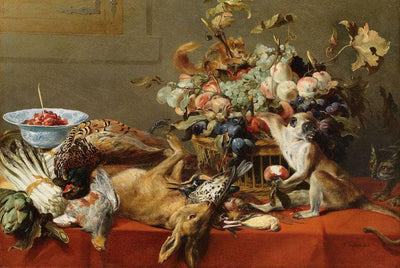
In "Still Life with Grapes and Game," Snyders expertly arranges a bountiful display of luscious grapes alongside freshly hunted game. The composition draws the viewer's eye across the canvas, highlighting the harmony between the vibrant fruits and the earthy tones of the game. This careful arrangement reflects Snyders' skill in creating balance and visual interest.
Color Palette: The Rich Hues of Nature
The color palette of this painting is a feast for the eyes. Snyders employs rich greens, deep purples, and warm browns to evoke the lushness of nature. The grapes glisten with a translucent quality, while the game is rendered in earthy tones that suggest freshness and vitality. This vibrant use of color enhances the overall impact of the artwork, making it a striking representation of abundance.
Symbolism of Grapes and Game in Art
Grapes: A Symbol of Abundance and Fertility
Grapes have long been associated with abundance, fertility, and the joys of life. In Snyders' painting, they symbolize not only the richness of nature but also the pleasures of feasting and celebration. Their presence invites viewers to appreciate the bounty of the harvest and the beauty of the natural world.
Game: Representations of Nobility and the Hunt
The inclusion of game in the composition signifies nobility and the esteemed tradition of hunting. Game birds, such as pheasants and partridges, were often associated with the upper class and their lavish banquets. Snyders' portrayal of these elements reflects the social status of his patrons and the cultural significance of hunting in 17th-century Flanders.
Historical Context of Still Life with Grapes and Game
The Role of Still Life in 17th Century Flanders
During the 17th century, Flanders experienced a flourishing of the arts, particularly in the realm of still life painting. Artists like Snyders capitalized on the growing demand for decorative art among wealthy patrons. Still life paintings became a popular choice for showcasing the opulence of the time, often displayed in grand homes and galleries.
Patronage and the Market for Still Life Paintings
Snyders enjoyed patronage from affluent collectors and nobility, which allowed him to create elaborate compositions that celebrated the abundance of nature. The market for still life paintings thrived, with collectors seeking works that not only showcased artistic skill but also conveyed messages of wealth and prosperity.
Influence of Flemish Culture on Snyders' Work
Flemish culture, with its emphasis on craftsmanship and attention to detail, greatly influenced Snyders' artistic approach. The region's rich agricultural landscape provided endless inspiration for his still life compositions. Snyders' ability to capture the essence of Flemish life through his art solidified his reputation as a master of the genre.
Comparative Analysis with Contemporary Artists
How Snyders Stands Out Among His Peers
While many artists of his time focused on
religious or historical themes, Snyders carved a niche for himself in the still life genre. His unique ability to blend realism with a sense of drama set him apart from contemporaries like Jan Davidsz de Heem and
Willem Kalf. Snyders' works are characterized by their vibrant colors and dynamic compositions, making them instantly recognizable.
Influence on Future Generations of Still Life Artists
Snyders' innovative techniques and naturalistic approach influenced countless artists in the centuries that followed. His emphasis on realism and the celebration of nature inspired the likes of Jean-Baptiste-Siméon Chardin and later still life painters. Snyders' legacy continues to resonate in the art world, as his works remain a benchmark for excellence in still life painting.
Artistic Techniques and Innovations in Still Life with Grapes and Game
Brushwork and Texture: Capturing Realism
Layering Techniques Used by Snyders
Snyders employed advanced layering techniques to achieve depth and texture in "Still Life with Grapes and Game." By applying multiple layers of paint, he created a rich surface that captures the play of light on the grapes and the softness of the game feathers. This meticulous approach adds a tactile quality to the painting, inviting viewers to engage with the artwork on a sensory level.
Light and Shadow: Creating Depth in Still Life
The interplay of light and shadow is a hallmark of Snyders' style. He skillfully used chiaroscuro to create a sense of volume and depth in his compositions. The strategic placement of light enhances the three-dimensionality of the objects, making them appear lifelike and inviting viewers to explore the painting further.
Materials and Methods: The Craft of Oil Painting
Insights into Snyders' Choice of Medium
Snyders primarily worked with oil paints, a medium that allowed for greater flexibility and richness in color. The slow drying time of oil paint enabled him to blend colors seamlessly and achieve the desired luminosity in his works. This choice of medium was instrumental in capturing the vibrant hues and intricate details that define his style.
Preservation of Color and Detail Over Time
One of the remarkable aspects of Snyders' oil paintings is their ability to retain color and detail over centuries. The high-quality materials he used, combined with his expert techniques, have allowed "Still Life with Grapes and Game" to endure the test of time. Today, art restorers continue to marvel at the brilliance of Snyders' palette and the clarity of his brushwork.
Experiencing Still Life with Grapes and Game Today
Visiting Museums: Where to See the Original
Notable Exhibitions Featuring Snyders' Work
Art enthusiasts can view the original "Still Life with Grapes and Game" at prestigious museums, including the Museo del Prado in Madrid. This painting is often featured in exhibitions that celebrate Baroque art and the legacy of Flemish painters. Visiting these exhibitions offers a unique opportunity to appreciate the scale and detail of Snyders' work in person.
Impact of Viewing Original Art on Appreciation
Experiencing the original artwork allows viewers to connect with the artist's intent and craftsmanship on a deeper level. The textures, colors, and scale of the painting create an immersive experience that reproductions cannot fully replicate. Observing the original can inspire a greater appreciation for the artistry and historical context of the piece.
Art Reproductions: Bringing Snyders Home
Benefits of Owning a Reproduction of Still Life with Grapes and Game
Owning a high-quality reproduction of "Still Life with Grapes and Game" allows art lovers to bring a piece of Baroque beauty into their homes. Unlike prints, which can lack depth and vibrancy, oil painting reproductions capture the essence of Snyders' original work. These reproductions are crafted with care, ensuring that the colors and textures reflect the artist's vision.
How Reproductions Capture the Essence of the Original
Art reproductions are designed to mimic the original painting's details and colors, providing an authentic experience. Skilled artists use techniques that replicate Snyders' brushwork and layering methods, resulting in a piece that resonates with the spirit of the original. By choosing a reproduction, you can enjoy the beauty of Snyders' work in your own space, enriching your decor and inspiring conversation.
FAQs about Still Life with Grapes and Game
Common Questions About the Painting
What is the historical significance of Still Life with Grapes and Game?
"Still Life with Grapes and Game" is significant for its representation of Baroque still life, showcasing the themes of abundance and the natural world. It reflects the cultural values of 17th-century Flanders and Snyders' mastery of the genre.
What techniques did Frans Snyders use in this painting?
Snyders used oil paints and advanced layering techniques to create depth and realism. His use of chiaroscuro enhances the three-dimensional quality of the objects, making them appear lifelike.
What do the grapes and game symbolize in the artwork?
Grapes symbolize abundance and fertility, while game represents nobility and the tradition of hunting. Together, they convey themes of wealth and the pleasures of life.
Where can I see the original painting today?
The original "Still Life with Grapes and Game" can be viewed at the Museo del Prado in Madrid, where it is part of their esteemed collection of Baroque art.
How does Still Life with Grapes and Game compare to other works by Snyders?
This painting exemplifies Snyders' signature style, characterized by vibrant colors and dynamic compositions. It stands out among his works for its intricate detail and the harmonious arrangement of natural elements.
Questions About Art Reproductions
What should I look for in a quality reproduction of this painting?
When seeking a quality reproduction, look for one that uses oil paints and captures the original's colors and textures. Ensure that the reproduction reflects the artist's brushwork and attention to detail.
How can a reproduction enhance my home decor?
A reproduction of "Still Life with Grapes and Game" can serve as a stunning focal point in any room. Its vibrant colors and rich
symbolism can elevate your decor, adding sophistication and a touch of artistic flair to your space.
 4.9/5
4.9/5