4.9/5
4.9/5


Famous Angel Oil Painting Reproductions
Famous angel paintings run from medieval altarpieces to the nineteenth century salon, and this page holds 389 hand-painted oil reproductions of them. You can order The Guardian Angel by Pietro da Cortona, The Archangel Saint Michael, Song of the Angels, The Virgin with Angels and Regina Angelorum by William-Adolphe Bouguereau, Saint Michael the Archangel by Claudio Coello, Fallen Angel by Alexandre Cabanel, The Fallen Angel by Odilon Redon, The Annunciation by Henry Ossawa Tanner and Dead Christ with Angels by Rosso Fiorentino. Every piece here is hand-painted in oil on canvas by a studio artist, never printed.
-
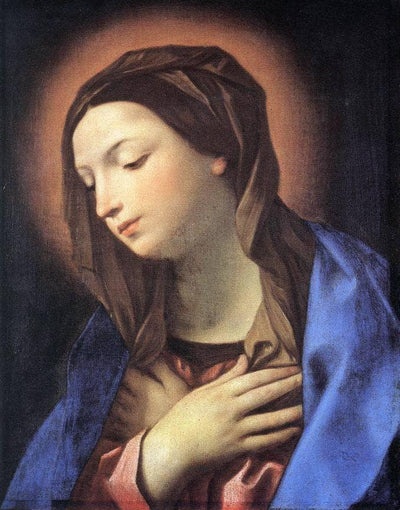
Virgin of the Annunciation


 Vendor:Guido Reni
Virgin of the Annunciation
- Regular price
- From $350.00
- Sale price
- From $350.00
- Regular price
-
-
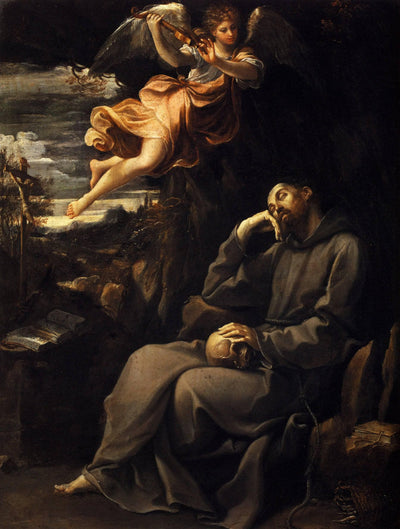
Saint Francis deadened with an angel musician


 Vendor:Guido Reni
Saint Francis deadened with an angel musician
- Regular price
- From $350.00
- Sale price
- From $350.00
- Regular price
-
-
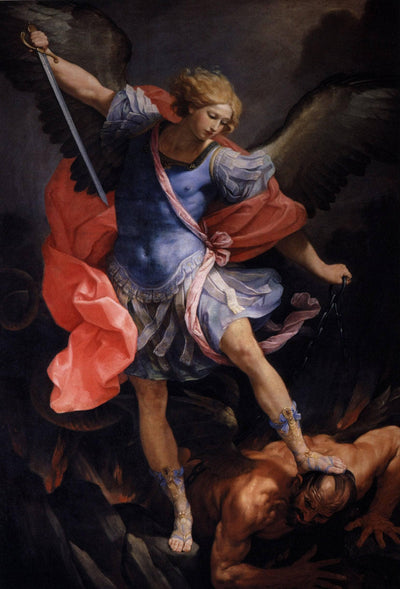
The Archangel Michael defeating Satan


 Vendor:Guido Reni
The Archangel Michael defeating Satan
- Regular price
- From $350.00
- Sale price
- From $350.00
- Regular price
-
-
St Francis in prayer with Two Angels

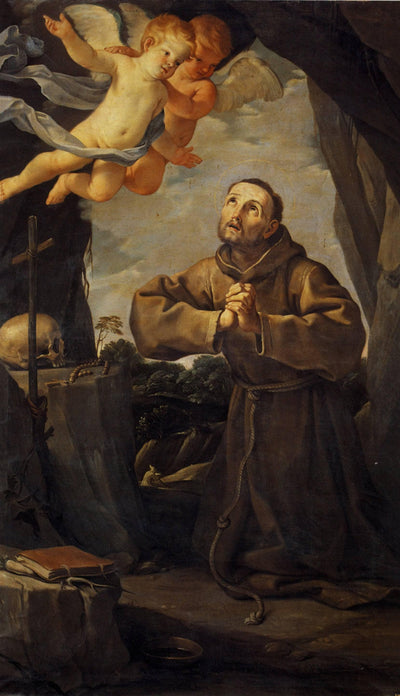 Vendor:Guido Reni
St Francis in prayer with Two Angels
- Regular price
- From $350.00
- Sale price
- From $350.00
- Regular price
-
-
Coronation of the Virgin with St. Catherine of Alexandria, St. John the Evangelist, St. John the Baptist


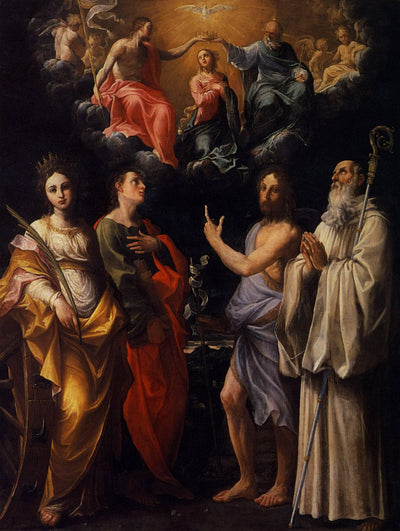 Vendor:Guido Reni
Coronation of the Virgin with St. Catherine of Alexandria, St. John the Evangelist, St. John the Baptist
- Regular price
- From $350.00
- Sale price
- From $350.00
- Regular price
-
-
God the Father and Angel


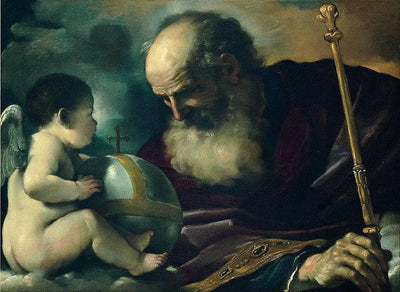 Vendor:Guercino
God the Father and Angel
- Regular price
- From $350.00
- Sale price
- From $350.00
- Regular price
-
-
Abraham and the Three Angels

 Vendor:Giovanni Domenico Tiepolo
Abraham and the Three Angels
- Regular price
- From $350.00
- Sale price
- From $350.00
- Regular price
-
-
Ritratto di Madame Gabrielle Réjane


 Vendor:Giovanni Boldini
Ritratto di Madame Gabrielle Réjane
- Regular price
- From $350.00
- Sale price
- From $350.00
- Regular price
-
-
The Madonna of the Red Cherubs


 Vendor:Giovanni Bellini
The Madonna of the Red Cherubs
- Regular price
- From $350.00
- Sale price
- From $350.00
- Regular price
-
-
Pieta with the Virgin and St. John the Evangelist

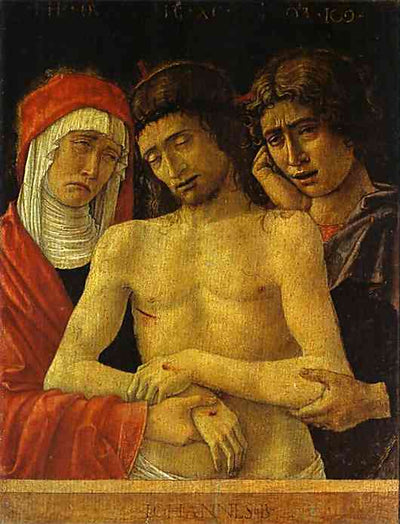 Vendor:Giovanni Bellini
Pieta with the Virgin and St. John the Evangelist
- Regular price
- From $350.00
- Sale price
- From $350.00
- Regular price
-
-
The Annunciation

 Vendor:Giovanni Bellini
The Annunciation
- Regular price
- From $350.00
- Sale price
- From $350.00
- Regular price
-
-
The Dead Christ Supported by Two Angels

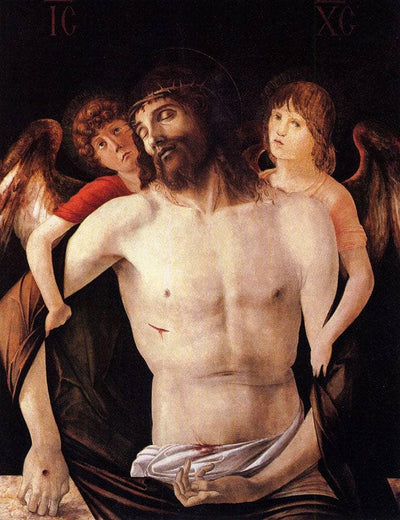 Vendor:Giovanni Bellini
The Dead Christ Supported by Two Angels
- Regular price
- From $350.00
- Sale price
- From $350.00
- Regular price
-
-
San Giobbe Altarpiece - detail of Music Making Angels


 Vendor:Giovanni Bellini
San Giobbe Altarpiece - detail of Music Making Angels
- Regular price
- From $350.00
- Sale price
- From $350.00
- Regular price
-
-
Hagar Assisted by the Angel

 Vendor:Giovanni Battista Tiepolo
Hagar Assisted by the Angel
- Regular price
- From $350.00
- Sale price
- From $350.00
- Regular price
-
-
Christ on the Mount of Olives and the angel with the cup of suffering

 Vendor:Giovanni Battista Tiepolo
Christ on the Mount of Olives and the angel with the cup of suffering
- Regular price
- From $350.00
- Sale price
- From $350.00
- Regular price
-
-
Abraham and the Three Angels


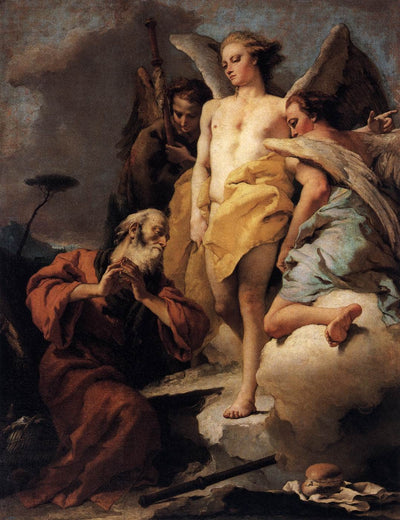 Vendor:Giovanni Battista Tiepolo
Abraham and the Three Angels
- Regular price
- From $350.00
- Sale price
- From $350.00
- Regular price
-
-
Portrait of Don Gabriel De La Cueva, Later Duke of Alburquerque

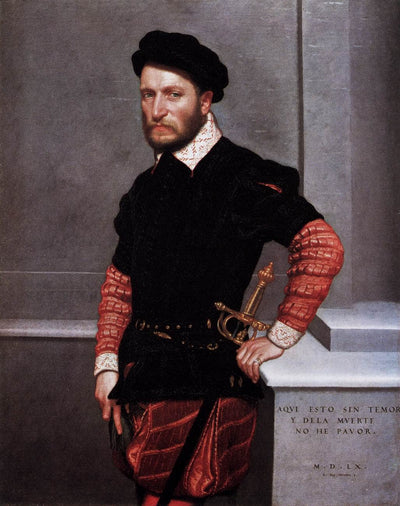 Vendor:Giovanni Battista Moroni
Portrait of Don Gabriel De La Cueva, Later Duke of Alburquerque
- Regular price
- From $350.00
- Sale price
- From $350.00
- Regular price
-
-
Portrait of Angelica Agliardi De Nicolinis

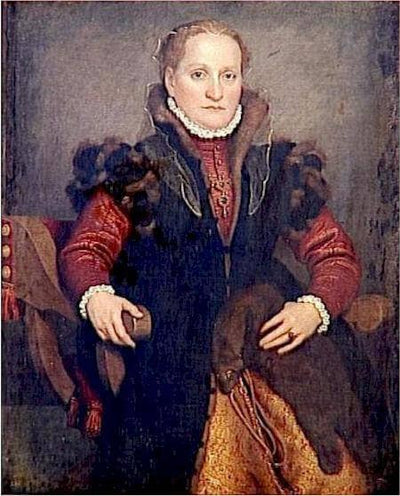 Vendor:Giovanni Battista Moroni
Portrait of Angelica Agliardi De Nicolinis
- Regular price
- From $350.00
- Sale price
- From $350.00
- Regular price
-
-
The Annunciation

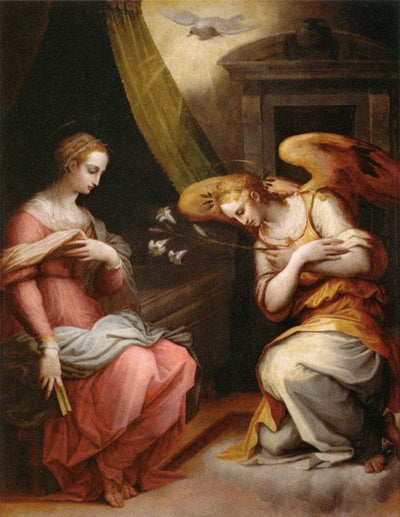 Vendor:Giorgio Vasari
The Annunciation
- Regular price
- From $350.00
- Sale price
- From $350.00
- Regular price
-
-
Portrait of Angelo Dall’Oca Bianca

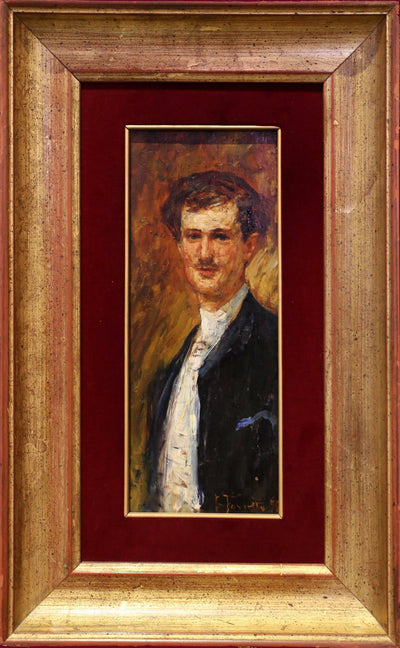 Vendor:Giacomo Favretto
Portrait of Angelo Dall’Oca Bianca
- Regular price
- From $350.00
- Sale price
- From $350.00
- Regular price
-
-
The artist's mother (Angela Brunello)


 Vendor:Giacomo Favretto
The artist's mother (Angela Brunello)
- Regular price
- From $350.00
- Sale price
- From $350.00
- Regular price
-
-
Garibaldi at Sant'Angelo (Capua)

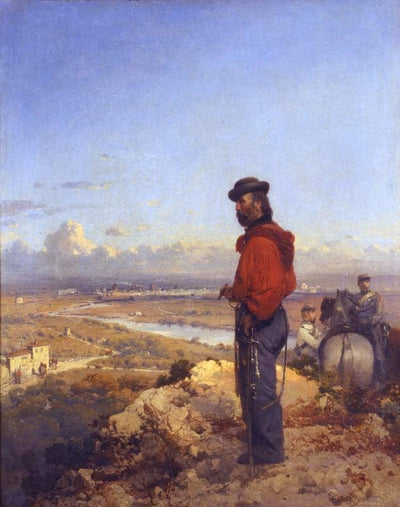 Vendor:Gerolamo Induno
Garibaldi at Sant'Angelo (Capua)
- Regular price
- From $350.00
- Sale price
- From $350.00
- Regular price
-
-
Altar of Archangel Michael

 Vendor:Gerard David
Altar of Archangel Michael
- Regular price
- From $350.00
- Sale price
- From $350.00
- Regular price
-
-
The Annunciation

 Vendor:Gerard David
The Annunciation
- Regular price
- From $350.00
- Sale price
- From $350.00
- Regular price
-
-
Virgin and Child with Four Angels


 Vendor:Gerard David
Virgin and Child with Four Angels
- Regular price
- From $350.00
- Sale price
- From $350.00
- Regular price
-
-
Archangel Gabriel and Virgin Annunciate

 Vendor:Gerard David
Archangel Gabriel and Virgin Annunciate
- Regular price
- From $350.00
- Sale price
- From $350.00
- Regular price
-
-
The Virgin of the Annunciation

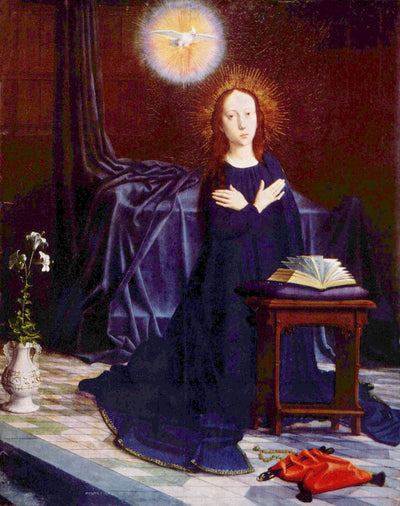 Vendor:Gerard David
The Virgin of the Annunciation
- Regular price
- From $350.00
- Sale price
- From $350.00
- Regular price
-
-
The Angel of the Annunciation

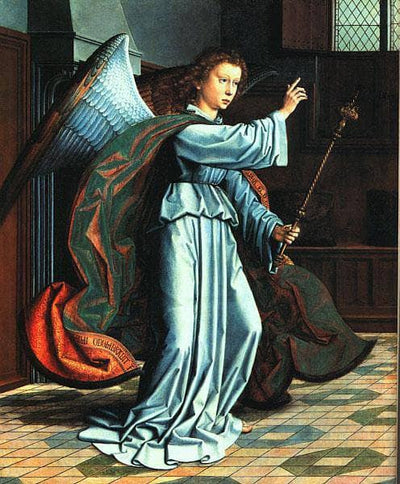 Vendor:Gerard David
The Angel of the Annunciation
- Regular price
- From $350.00
- Sale price
- From $350.00
- Regular price
-
-
Angelica at the rock (After ingres)

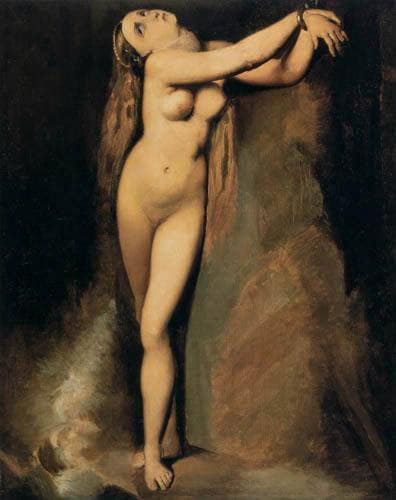 Vendor:Georges Seurat
Angelica at the rock (After ingres)
- Regular price
- From $350.00
- Sale price
- From $350.00
- Regular price
-
-
Appearance of Angel to St. Joseph, also called The Song of St. Joseph

 Vendor:Georges de la Tour
Appearance of Angel to St. Joseph, also called The Song of St. Joseph
- Regular price
- From $350.00
- Sale price
- From $350.00
- Regular price
-
-
Adolescent Virgin decorated by Angels in the presence of Joachim and Saint Anne

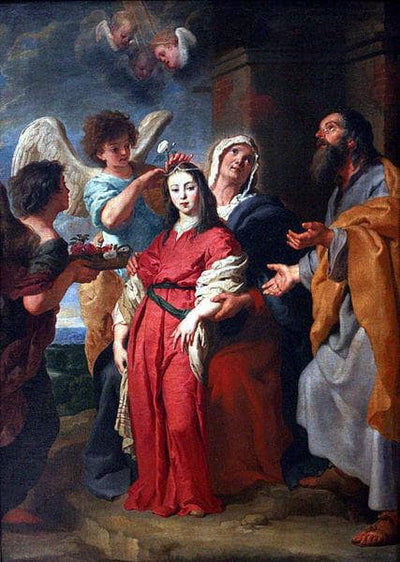 Vendor:Gaspar de Crayer
Adolescent Virgin decorated by Angels in the presence of Joachim and Saint Anne
- Regular price
- From $350.00
- Sale price
- From $350.00
- Regular price
-
-
View of Saint Michael's Castle

 Vendor:Fyodor Alekseyev
View of Saint Michael's Castle
- Regular price
- From $350.00
- Sale price
- From $350.00
- Regular price
-
-
Angel with the Flaming Sword

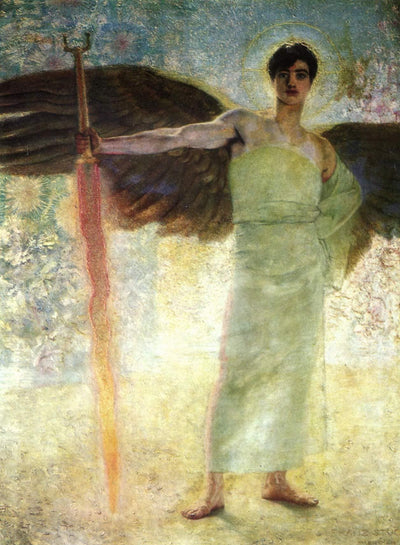 Vendor:Franz Stuck
Angel with the Flaming Sword
- Regular price
- From $350.00
- Sale price
- From $350.00
- Regular price
-
-
Infante Don Sebastián Gabriel de Borbón y Braganza

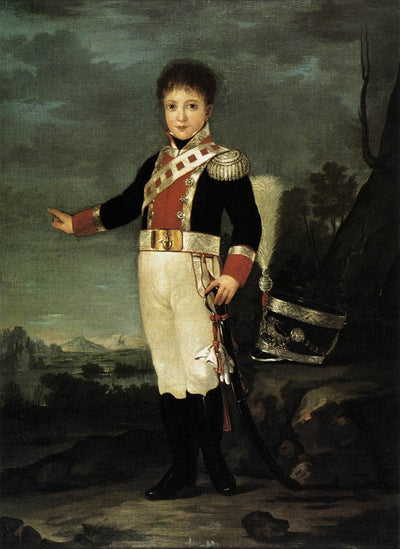 Vendor:Francisco Goya
Infante Don Sebastián Gabriel de Borbón y Braganza
- Regular price
- From $350.00
- Sale price
- From $350.00
- Regular price
-
-
The Annunciation

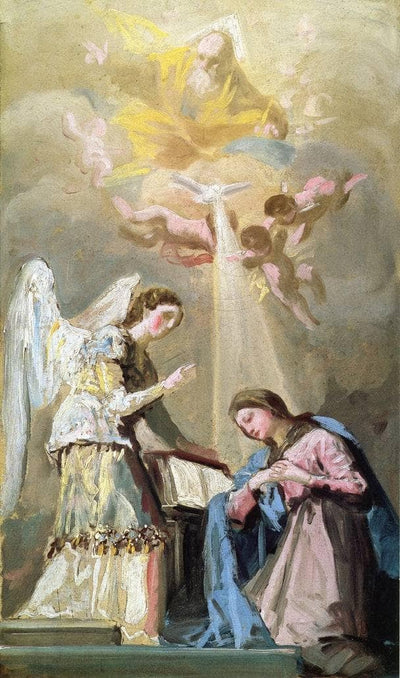 Vendor:Francisco Goya
The Annunciation
- Regular price
- From $350.00
- Sale price
- From $350.00
- Regular price
-
-
Flagellation of St. Jerome by the angels

 Vendor:Francisco de Zurbaran
Flagellation of St. Jerome by the angels
- Regular price
- From $350.00
- Sale price
- From $350.00
- Regular price
-
-
Monastery of Nuestra Señora de la Defensión at Jerez de la Frontera, The Annunciation

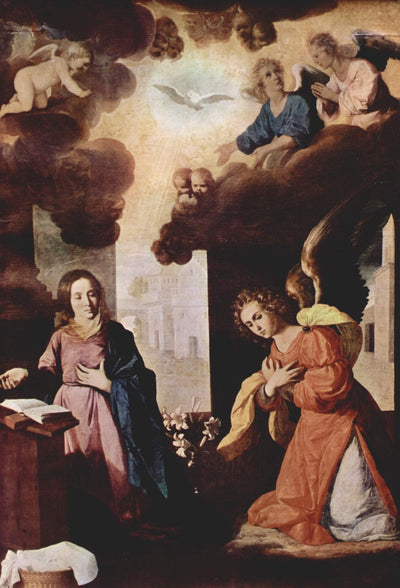 Vendor:Francisco de Zurbaran
Monastery of Nuestra Señora de la Defensión at Jerez de la Frontera, The Annunciation
- Regular price
- From $350.00
- Sale price
- From $350.00
- Regular price
-
-
Coronation of the Virgin with Angels

 Vendor:Francesco de' Rossi (Francesco Salviati), "Cecchino"
Coronation of the Virgin with Angels
- Regular price
- From $350.00
- Sale price
- From $350.00
- Regular price
-
-
Vision of St Bernard with Sts Benedict and John the Evangelist

 Vendor:Fra Bartolomeo
Vision of St Bernard with Sts Benedict and John the Evangelist
- Regular price
- From $350.00
- Sale price
- From $350.00
- Regular price
-
-
Christ with the Four Evangelists

 Vendor:Fra Bartolomeo
Christ with the Four Evangelists
- Regular price
- From $350.00
- Sale price
- From $350.00
- Regular price
-
-
The Annunciation with two Kneeling Donors

 Vendor:Filippo Lippi
The Annunciation with two Kneeling Donors
- Regular price
- From $350.00
- Sale price
- From $350.00
- Regular price
-
-
Hagar Meeting the Angel in the Desert

 Vendor:Ferdinand Bol
Hagar Meeting the Angel in the Desert
- Regular price
- From $350.00
- Sale price
- From $350.00
- Regular price
-








Frequently Asked Questions
How much do Angel Paintings oil painting reproductions cost?
Our Angel Paintings oil painting reproductions start at $350.00. Prices vary by size: larger canvases and custom dimensions cost more. Every painting includes free worldwide shipping and a 90-day satisfaction guarantee.
What Angel Paintings paintings are available?
We carry 346+ Angel Paintings oil painting reproductions. Highlights include Virgin of the Annunciation, Angels, Saint Francis deadened with an angel musician, The Archangel Michael defeating Satan, St Francis in prayer with Two Angels. Every piece is hand-painted by professional artists on premium canvas.
Are these Angel Paintings prints or hand-painted reproductions?
Every Angel Paintings reproduction is 100% hand-painted by professional artists using premium oil paints on gallery-grade canvas. These are not prints, giclées, or digital reproductions. Each piece captures the original brushwork, texture, and color depth of the masterpiece.
What sizes are available for Angel Paintings painting reproductions?
Each Angel Paintings painting is available in multiple standard sizes, from small (16" × 20") to large museum-scale formats. Custom dimensions are available upon request. Contact us with your preferred size for a quote.
How long does it take to receive my painting?
Each painting is made to order. Production takes 2–3 weeks, plus 5–10 business days for worldwide shipping. Total delivery time is typically 3–5 weeks depending on your location. Shipping is free worldwide.
What is your return policy?
We offer a 90-day satisfaction guarantee. If you're not completely happy with your painting, contact us for a full refund or replacement, no questions asked.
Angels in religious art
Religious art is a visual representation of religious ideologies and their relationship with humans. Sacred art relates directly to it, in the sense that its purpose is worship and practice, and by one set of definitions artworks inspired by faith but not considered traditionally sacred remain under the umbrella term without being sacred art. Angel paintings sit across that line. An altarpiece with angels belonged to a church. A nineteenth century salon picture of a winged figure belonged on a wall.
What both have in common is a problem: an angel has no body to observe. Every artist working on this subject is inventing, and the inventions became conventions. Wings taken from birds. Robes taken from classical sculpture. A glow from above rather than from a window. Once artists had settled those conventions, in the Renaissance, they hardly changed for four hundred years, which is why an angel painting from 1450 and one from 1880 look more alike than any two landscapes from the same dates.
Famous angel paintings
These are the angel paintings people ask for by name, and each can be ordered as a hand-painted reproduction in oil.
- The Archangel Saint Michael, wearing a plumed helmet with the colors of Austria by William-Adolphe Bouguereau, a French academic painter who made modern interpretations of classical subjects and finished 822 known paintings. He enjoyed significant popularity in France and the United States, and artists of his generation measured themselves against him, and as the quintessential salon painter of his generation he was reviled by the Impressionist avant-garde.
- Song of the Angels, The Virgin with Angels, Regina Angelorum and The Annunciation, four more by the same hand. William-Adolphe Bouguereau is the single most requested artist on this page, and Bouguereau's angels are the reason.
- The Guardian Angel by Pietro da Cortona, the best selling picture in this collection.
- Saint Michael the Archangel by Claudio Coello. The template for every militant figure of this kind is Raphael's Saint Michael Vanquishing Satan, which shows the archangel Michael standing on top of Satan's back with his right foot; it was commissioned by Pope Leo X and has been in the Louvre in Paris since 1667.
- Fallen Angel by Alexandre Cabanel and The Fallen Angel by Odilon Redon, two very different readings of the same idea.
- The Annunciation by Henry Ossawa Tanner, where the messenger is a column of pure light rather than a figure.
- The Merode Altarpiece, The Annunciation by Robert Campin, The Annunciation by Vittore Carpaccio, The Annunciation by Jean Hey, The Annunciation by Andrea del Sarto and The Annunciation by Philippe de Champaigne: five versions of the same scene across three centuries.
- Vision after the Sermon (Jacob Wrestling with the Angel) by Paul Gauguin, completed in 1888 and now in the Scottish National Gallery in Edinburgh. It shows a scene from the Bible in which Jacob wrestles an angel, and it does so indirectly, through a vision that the women in the picture see after a sermon. It was painted in Pont-Aven, Brittany.
- Dead Christ with Angels by Rosso Fiorentino and The Madonna della Vallicella Adored by Seraphim and Cherubim by Peter Paul Rubens.
- The Virgin and Child with an Angel, St. George and a Donor by Hans Memling and Enthroned Madonna with Angels and Saints by Lorenzo Lotto.
- The Angelus by Jean-Francois Millet, an oil painting completed between 1857 and 1859, where the angel is absent and only the bell remains.
- The Sistine Madonna by Raphael, also called the Madonna di San Sisto, commissioned in 1512 by Pope Julius II for San Sisto in Piacenza, and probably executed about 1513 to 1514. It was among the last works of its kind he finished, and Giorgio Vasari called it a truly rare and extraordinary work. The two small figures at the bottom of it are the most reproduced angels in the world.
The most painted scene of all
No single moment in Christian art has been treated more often, and this page has five versions of it. The scene was a popular biblical subject in 15th-century Florence, and Leonardo da Vinci painted one as his earliest extant major work, dated to about 1472 to 1476 and completed in Florence while he was an apprentice in the studio of Andrea del Verrocchio. That picture was made using oil and tempera on a large poplar panel, and since 1867 it has been housed in the Uffizi in the city where it was created; though it has been criticized for inaccuracies in its composition, it is among the best-known portrayals of that moment in Christian art.
Comparing the five versions on this page is the best short course in art history available anywhere. Robert Campin puts the scene in a Flemish room with domestic furniture. Carpaccio gives it Venetian architecture. Jean Hey works in the late Gothic manner of the north. Andrea del Sarto brings High Renaissance weight. Philippe de Champaigne turns it into seventeenth century French theater. The scene never changes and the world around it changes completely.
Buy two of them from different centuries and hang them together. It is the most interesting pair you can assemble from this collection, and it costs nothing extra in wall space over one larger picture.
Archangels, guardians and the fallen
Angels in art fall into a few clear types, and knowing them makes the page easy to navigate.
The armed kind comes first. Michael is the standard, in armor, with a sword or a spear, usually standing on something. Raphael put him on top of Satan's back with his right foot, and Claudio Coello and Bouguereau are both working inside that formula centuries later. These are the most dramatic paintings of angels here and the ones that need the most wall.
The guardian is gentle. Pietro da Cortona's Guardian Angel is the type: a winged figure with a hand on a child or a soul, pointing upwards. This is the best selling kind in this catalog by a wide margin, and it is the easiest to live with, since the picture is about protection rather than judgment.
The messenger appears in every version of that scene, kneeling or standing before the Virgin, and it is the most formally interesting type because the painter has to show speech in a still image.
The fallen angel is the modern favorite. Alexandre Cabanel and Odilon Redon both painted one, and the appeal is obvious: a beautiful figure in a bad mood, with the wings that no longer work. These are the angel paintings that sell to people who are not religious at all.
Then the choirs, the seraphim and cherubim and massed ranks that fill the top of an altarpiece. The Rubens is the example here, and these pictures were built to be seen from a long way off.
Wings, glow and how an angel is made
Since nobody has seen one, the technical question in every angel painting is how to make an impossible figure convincing. Painters solved it the same way for centuries.
Wings come from observed birds, which is why the good ones have real feather structure and the weak ones look like drapery. Look at the shoulder join first: an angel's wings have to appear to grow out of a human back, and a copyist who paints them as an attachment has lost the picture.
Light does the rest. An angelic body is almost always lit from a source inside the picture rather than from a window, and that angelic inner glow is what separates one of these from a costume drama. Tanner takes the idea to its conclusion by making his messenger nothing but light.
The robes are classical. Angels wear what Roman statues wear, because the Renaissance decided they should, and the folds in those robes are where a painter shows off. In a Bouguereau the drapery is as carefully made as the faces, and that is a large part of why these pictures still hold up.
Bouguereau and the salon angel
One artist dominates this page. William-Adolphe Bouguereau was a French academic painter who used mythological themes in his realistic genre pictures, making modern interpretations of classical subjects with an emphasis on the female human body. He finished 822 known paintings, enjoyed significant popularity in France and the United States, was given numerous official honors and was given numerous official honors. As the quintessential salon painter of his generation he was reviled by the Impressionist avant-garde, and by the early twentieth century he and his art had fallen out of favor with the public, due in part to changing tastes. In the 1980s a revival of interest in figure painting led to a rediscovery of both.
That history matters for this subject, because Bouguereau's angels are the images most people picture when they hear the words. Song of the Angels, The Virgin with Angels and Regina Angelorum are all his, and all three are among the most requested works in the whole store. They are perfectly finished, sentimental in the good sense, and completely out of step with what art criticism valued for most of the twentieth century. Buyers never agreed with the critics on this one.
Who bought paintings of angels, and why
The market for this subject changed three times, and the changes explain the range on this page.
First came the church. From the medieval period to the Baroque, these pictures were commissioned for altars and side chapels, and they were part of the furniture of worship. Everything in that first period was intended for use rather than for display. The Merode Altarpiece and the Lorenzo Lotto polyptych panel both come from that world, and both were meant to be seen by candlelight from a few meters back.
Then came the private patron, and the scale came down. By the seventeenth century the same subjects were being painted for houses, palaces and private chapels, and the scale came down. Peter Paul Rubens worked at both ends of that shift, and his Vallicella altarpiece belongs to the grand end of it.
Then came the nineteenth century salon, and this is where most of the famous angel paintings people recognize were actually made. Bouguereau, Cabanel and their contemporaries painted angels for the annual exhibitions in Paris and for the buyers those exhibitions attracted, many of them American. The pictures were finished to an extraordinary standard, they were reproduced in their thousands as engravings, and they became the popular image of the whole idea. Artists of the avant-garde despised them, which had no effect at all on how many people loved them.
The Virgin, the child and the winged attendants
A large part of this collection is not really about angels at all: it is about the Virgin Mary with winged attendants around her. The Sistine Madonna is the most famous case, commissioned in 1512 by Pope Julius II for San Sisto in Piacenza, probably executed about 1513 to 1514, and one of the last pictures of the Virgin that Raphael finished. Giorgio Vasari called it a truly rare and extraordinary work, and the two small figures leaning on the frame at the bottom have had a second life of their own that has nothing to do with the picture they belong to.
The same arrangement repeats across the page. Hans Memling gives us The Virgin and Child with an Angel, St. George and a Donor, which is a picture with four separate jobs to do. Lotto's main panel shows the Virgin enthroned with angels and saints, among them Alexander of Bergamo, Barbara, Roch and Dominic. He produced both The Virgin with Angels and Regina Angelorum, which is Latin for Queen of Angels.
If you like the arrangement but not the theology, these are among the strongest figure pictures in the catalog: many bodies, complex drapery, and a design that has to balance a crowd around a still center. Look at how each artist handles the moment where a wing crosses a robe, and you will see who could really handle a brush.
Guardian angels and what people actually buy
There is a gap between the famous paintings and the popular ones, and on this page the gap is wide. The famous names are Raphael and Leonardo da Vinci. The best selling picture is Pietro da Cortona's Guardian Angel, followed by Bouguereau.
The reason is simple. A protective picture of this kind does something for the room it hangs in. It is warm, it is protective, it usually involves a child, and it settles a bedroom or a hallway where a Baroque ceiling fragment would be absurd. People buy it for the same reason it was painted, which is comfort, and there is nothing naive about that.
Two practical notes if that is the kind you want. Look for a picture with a single angel and a single human figure, rather than a crowd, because the intimacy is the point. And look at the hands: in the best of these paintings the contact between the angel and the person is the whole subject, and a copyist who gets the hands wrong has lost everything that matters.
Gold grounds, altarpieces and the older tradition
The earliest angel paintings do not look like the famous ones at all. Medieval art covers over a thousand years of art in Europe, and at certain periods in Western Asia and Northern Africa, taking in movements and periods, national and regional traditions, genres, revivals, the artists' crafts and the artists themselves. In that long stretch the angel is flat, frontal and set against gold, and the panel is an object of devotion rather than a window into a scene.
Renaissance art changed that. It emerged as a distinct style in Italy in about 1400, took the art of classical antiquity as its foundation, and transformed that tradition by absorbing recent developments in the art of Northern Europe and by applying contemporary scientific knowledge. Along with Renaissance humanist philosophy it spread throughout Europe, affecting both artists and their patrons with the development of new techniques and new artistic sensibilities. For art historians, Renaissance art marks the transition of Europe from the medieval period to the Early Modern age, and for these figures it is the moment when they acquire a body, a weight and a place to stand.
You can see both traditions on this page. The northern panels by Robert Campin and Jean Hey keep the older precision and the older flatness. The Italians give you anatomy. Neither approach is better, and they behave very differently on a wall: the flat, detailed panels reward close looking, while the Italian pictures work from across a room.
Symbolism, Gauguin and the modern angel
The subject did not die with the salon. Paul Gauguin completed Vision after the Sermon in 1888, and it is now in the Scottish National Gallery in Edinburgh; it shows a scene from the Bible in which Jacob wrestles an angel, but it shows it indirectly, as a vision that the women in the foreground see after a sermon, and it was painted in Pont-Aven in Brittany. That is a modern picture about belief rather than an object of devotion, and the red ground tells you so immediately.
Odilon Redon's fallen angel belongs to the same shift. So does Cabanel's, which turns the subject into a study of a resentful beautiful body. In both, the wings are the only religious element left, and the rest is psychology. If you want a picture that reads as art rather than as faith, this is the corner of the page to look in, and these are the works that sell to buyers who would never consider a Madonna.
It is worth saying plainly that a great many people love these paintings without sharing the beliefs that produced them. That has been true since the salon years, and there is no contradiction in it. A winged figure is one of the great inventions of European art and it belongs to everyone who looks at it.
Periods, and what changes
- Medieval art covers over a thousand years of art in Europe, and at certain periods in Western Asia and Northern Africa, taking in national and regional traditions, genres, revivals and the artists' crafts. This is the age of the gold ground and the flat angel.
- Renaissance art emerged as a distinct style in Italy in about 1400 and took the art of classical antiquity as its foundation, transformed by absorbing recent developments in Northern Europe and by applying contemporary scientific knowledge. This is where angels get bodies, weight and perspective.
- Baroque painting is associated with the Baroque cultural movement, often identified with Absolutism, the Counter Reformation and the Catholic Revival, though important Baroque art in Protestant states across Western Europe underscores its widespread popularity. This is where the choirs arrive and the ceilings fill up.
- Academicism and the salon, the nineteenth century, where Bouguereau and Cabanel turn the subject into finished figure painting for a domestic wall.
- Symbolism and after, where Redon's fallen angel and Gauguin's wrestling vision treat the figure as a state of mind rather than a doctrine.
Sizes, framing and where these pictures go
A practical section, because this subject has a scale problem that no other page in the store has. Most of these originals are large. An altarpiece panel was built for a chapel wall, a salon picture was built for an exhibition room with high ceilings, and a Baroque adoration was built to be seen from twenty meters. Shrink one of them too far and the composition stops working: the faces close up, the wings turn into shapes, and the picture reads as an illustration.
The practical consequence is that the middle and upper sizes suit this subject better than the small ones. If you are choosing between two options, take the larger, and if the wall genuinely cannot take it, choose a single figure rather than a crowd. One angel at a modest size still works. Six angels at a modest size do not.
The optional frame matters here too. Many of these pictures came out of carved and gilded settings, and a plain canvas edge on a white wall loses some of what the artist assumed would be there. A dark or gold frame gives the picture back the boundary it expects.
Every order carries seven size options, free worldwide shipping and 90-day returns, and you see a photo of the finished canvas before it ships. On a subject this demanding, that approval step is the part of the process worth using carefully.
A short guide to reading an angel painting
Five things to look at, and they work on any picture on this page.
The wings, and specifically where they join the back. This is the test of the whole picture, because it is the one place where the impossible has to look ordinary.
The feet. Angels either stand, hover or kneel, and each choice says something. A standing angel is an official. A hovering one is a vision. A kneeling one is a messenger delivering news to somebody who outranks the moment.
The hands, which carry all of the emotion in the guardian and messenger pictures.
The direction of the illumination, which tells you whether the artist wanted a real room or a supernatural one.
And the faces of the humans, if there are any. In the best of these works the human reaction is more interesting than the angel, and painters knew it. Look at what the women in Gauguin's vision are doing rather than at Jacob and his opponent, and you have the whole picture.
How each reproduction is made
One studio artist works from the museum reference in oil, building the figure as the original was built, with the wings and the drapery last. Nothing is printed and nothing is transferred at any stage. Seven sizes are available with an optional frame, and you approve a photo of the finished canvas before it ships. Free worldwide shipping and 90-day returns apply. On this subject that photo is worth studying at the face and the wing join, since those two carry the whole illusion.
Choosing an angel painting
Start with the mood. A guardian angel is warm and protective and suits a bedroom, a nursery or a stairwell. An armed figure is a statement and needs a hall or a landing with height. A fallen angel is a dark, modern picture and belongs in a study or a room with strong colors. A messenger scene is the quietest of all and works almost anywhere.
Then think about scale. These figures were often painted life-size or larger, so they lose a lot at the smallest size; the middle and upper sizes serve them better than any other subject on the site. If you are choosing between two, take the larger.
And do not worry about whether the picture is religious enough or not religious enough for your house. Almost nobody buys these as devotional objects any more. They are bought because a winged figure in good paint is one of the most beautiful things European art produced, and that has nothing to do with what you believe.
Collecting the subject, and what to look for
Angel paintings are one of the few subjects in this catalog that people collect rather than buy once. There are enough variations on the same few scenes to make a set interesting, the pictures share a palette across four centuries, and they hang together better than almost any other subject would.
If you want to build a small group, three routes work. By scene: five versions of the same moment, arranged chronologically, which turns a wall into a timeline. By type: one messenger, one guardian, one archangel, one fallen, which gives you the full range of what the subject can do. Or by artist: the Bouguereau pictures alone would fill a wall, and they were made within a few years of each other so the color and the finish match exactly.
Whichever route you take, keep the sizes equal or in a deliberate ratio. Nothing undoes a group faster than three canvases at three arbitrary sizes. And leave more space between them than feels natural at first, because these are busy pictures and they need air to be read one at a time.
One last thing. The most beautiful paintings in this group are often not the most famous ones. Rosso Fiorentino's Dead Christ with Angels, Hans Memling's Virgin and Child with an Angel, and the Jean Hey Annunciation are all extraordinary and none of them is a name most buyers arrive with. Spend ten minutes with the unfamiliar pictures before you decide.
A note on names and titles, since it causes confusion when ordering. Several pictures on this page share a title. There are five separate Annunciations here by five different artists, two Fallen Angels, and more than one Saint Michael. Always give the artist as well as the title when you order, and if you are unsure which version you are looking at, the artist name under the image is the reliable identifier rather than the words in the title.
The same applies to Latin titles. Regina Angelorum means Queen of Angels and refers to the Virgin, not to a specific angel. The Angelus is named after a prayer rather than after a figure, which is why there is no angel visible in it at all. These titles are inherited from the churches and collections the pictures came from, and they describe the occasion rather than the contents.
What the catalog holds, and how to search it
There are 389 pieces in this group, which makes it one of the mid-sized subject collections in the store, and its shape is unusual. A single artist accounts for a large share of the requests, five pictures share one title, and almost everything falls into one of the five types described above. That means browsing by scroll is slower than it needs to be.
Three faster routes. Start with the narrower angel tag if you want only the figures themselves rather than pictures that happen to contain them. Start with the Gospel group if the story matters more to you than the wings. Or start with the saints group, which shares most of the same artists and most of the same centuries and is where several of the best compositions actually live.
It is also worth knowing what is not here. The store sells reproductions of work that is out of copyright, so twentieth century treatments of the subject are absent, and so is anything by a living artist. What you get instead is the long stretch from the medieval panel to the last salons, which happens to be where almost all of the famous images come from anyway.
If you cannot find a specific picture, send the artist name and the museum with your request rather than the title alone. Titles in this field are inherited, inconsistent and frequently duplicated, and the museum plus the artist will identify any canvas in about a minute.
Why this subject survived when others did not
Plenty of religious subjects have fallen out of the market almost completely. Nobody buys a reproduction of a martyrdom for a living room, and the great theological pictures of the Counter Reformation are a specialist taste. Angels are the exception, and they have stayed popular in every decade since the salon.
Part of the reason is that the figure carries no argument. A crucifixion asks you to believe something. A guardian with a hand on a child's shoulder asks nothing at all, and it reads the same way whether you were raised in a faith or in none. The picture is about protection, and protection is not a doctrine.
The other part is purely visual. A pair of wings on a human body is one of the strangest and most satisfying shapes in European art: it gives the painter a diagonal, a mass of texture, and a reason for light to arrive from an odd direction. Take the wings away and half these compositions would collapse. That is why artists kept returning to the subject long after they stopped painting altarpieces, and it is why the pictures still work on a wall in a house that has never seen the inside of a church.
Browse related collections
Angels belong to the religious group and overlap two others.
- Angels by tag for the narrower group.
- Gospel scenes for the life of Christ.
- The lives of the saints for the rest of the heavenly cast.
- Religious subjects in oil for the widest group.
- Young faces in oil for the cherubs and the children.
Frequently asked questions
Which is the most famous angel painting? By reproduction count, the two small angels at the bottom of Raphael's Sistine Madonna, commissioned in 1512 by Pope Julius II for the church of San Sisto, Piacenza. By requests in this catalog, Bouguereau's Song of the Angels and Cortona's Guardian Angel.
What is the difference between an angel and an archangel in a painting? The higher rank is named and usually armed; Michael appears in armor, standing on Satan's back in Raphael's version of the subject. An unnamed angel is a messenger, a guardian or part of a choir, and it carries no weapon.
Are these prints? No. Each is an original in oil on canvas, made by hand by a studio artist, in seven sizes, with an optional frame and a photo of the finished work for your approval before it ships.
We’ll Paint Any Image You Want
Just send us a photo or the painting name and our artists will hand-paint it for you.