4.9/5
4.9/5






SAMPLES OF QUALITY
Recent Hand-Painted Reproductions
Discover some of our latest oil paintings, each one carefully hand-painted on canvas.

AS SEEN IN





Handmade Oil Painting on Canvas Art Reproduction, Museum-quality

The six dominant colors measured from the painting, with the share of canvas each one covers. Click a swatch to copy its hex code.
Processing & Shipping Time
Your delivery time includes two parts:
Shipping Methods
We ship with trusted couriers like FedEx, UPS, and DHL. Every shipment includes a tracking code.
Our goal is to deliver your order safely and quickly.
Shipment Safety Measures
We handle your products with care so they arrive in perfect condition:
Every product is insured and delivered right to your door, so you can feel confident buying from us.
Every Art & See painting is created by artists with 15+ years of experience using professional-grade oil paints and premium linen canvas with UV-resistant protective coating, the same museum-grade materials used in galleries worldwide. Each piece goes through quality review before your approval photos are taken. If after delivery you have any concerns about your painting, contact us at [email protected] and our team will work with you on the best path forward.
Full Warranty
Every painting is protected against physical damage during shipping. If your painting arrives damaged, we repair or replace it, free of charge.
Coverage Details
Transit damage (crushed, torn, water damage): we repair or replace at no cost. Please note that damages resulting from accidents or inappropriate use are not covered under this warranty.
Repair or Replace
Depending on the extent of damage, the affected painting will either be repaired or replaced at no additional cost to you.
Free Service
All warranty services are provided absolutely free of charge.
We want you to absolutely love your handmade artwork. Here's how it works:
In the rare case you approve the photos and the artwork has been shipped and delivered to you, and you still want additional modification requests, we can handle it as a courtesy at our discretion. If accepted, you cover the return shipping cost.
| Type | Hand-Painted Oil Painting Reproduction |
| Original Artist | Salomon Koninck |
| Price Range | $350 to $1,150 |
| Shipping | Free Worldwide |
| Quality | Preview & Approve Before Shipping |
| Medium | Oil on Canvas |
| Canvas | Museum-Grade Linen Canvas |
| Technique | Hand-painted brushstroke-by-brushstroke |
| Art Style | Baroque |
| Artist Nationality | Dutch |
| Orientation | Square |
| Subject | Cultural heritage religious, Portraits group |
| Available Sizes | 7 (16'' W × 16'' H to 60'' W × 60'' H, including the original size), plus custom sizes |
| Framing Options | Unframed, Stretched Canvas, Classic & Modern Frames |
| Delivery | 14–28 business days |
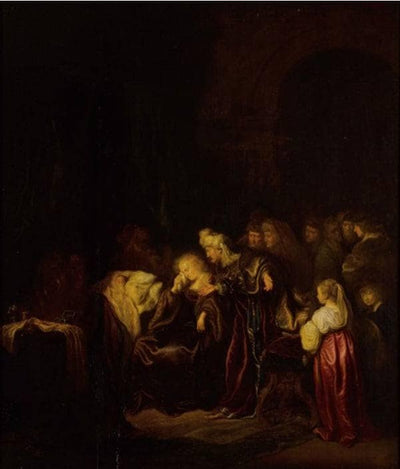
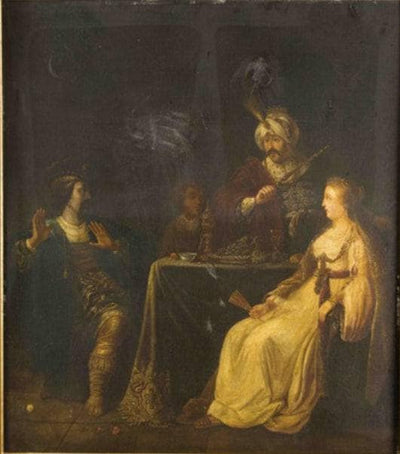
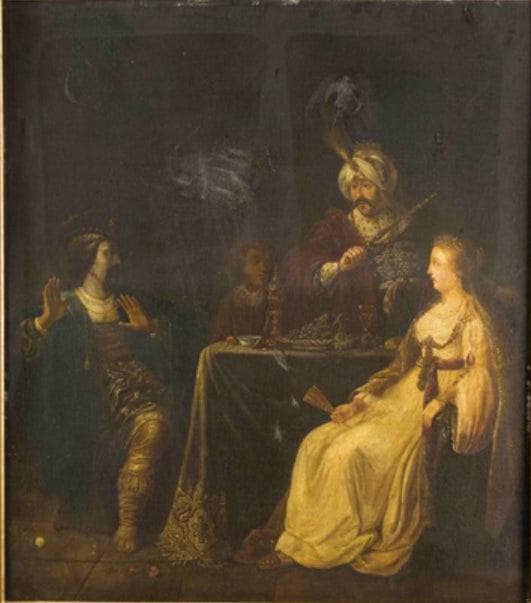
The painting "Ahasuerus and Haman at the Banquet of Esther" by Salomon Koninck captures a pivotal moment from the Purim story, a significant narrative in Jewish tradition. This story celebrates the bravery of Queen Esther, who saved her people from destruction. The Purim festival, marked by joy and feasting, highlights themes of survival, identity, and divine intervention.
The Purim story, found in the Book of Esther, emphasizes the importance of courage and faith. It recounts how Esther, a Jewish queen, risks her life to reveal her identity and thwart the evil plans of Haman, the king's advisor. This tale of heroism and redemption resonates deeply within Jewish culture, symbolizing hope and resilience against oppression.
Salomon Koninck, a prominent Dutch painter of the 17th century, was known for his masterful use of light and shadow. Born in 1609 in Amsterdam, he became a significant figure in the Baroque art movement. His works often reflect a deep understanding of human emotion and narrative depth, making him a key player in the Dutch Golden Age of painting.
Koninck's style is heavily influenced by the Baroque era, characterized by dramatic contrasts and emotional intensity. He skillfully employed chiaroscuro, a technique that uses strong contrasts between light and dark to create a sense of volume and depth. This approach enhances the storytelling aspect of his paintings, drawing viewers into the narrative.
In "Ahasuerus and Haman," Koninck showcases his expertise in oil painting, utilizing rich textures and vibrant colors. His brushwork is both precise and expressive, allowing him to convey intricate details in the characters' expressions and clothing. This attention to detail elevates the painting beyond mere representation, inviting viewers to engage with the story on a deeper level.
The composition of "Ahasuerus and Haman" is carefully arranged to highlight the tension between the two central figures. Ahasuerus, the king, sits regally, while Haman, his advisor, appears anxious and conflicted. This arrangement emphasizes the power dynamics at play during the banquet.
Koninck's use of light and shadow creates a dramatic atmosphere. The light illuminates Ahasuerus, symbolizing his authority, while Haman is partially shrouded in shadow, reflecting his treachery. This interplay of light not only enhances the visual appeal but also deepens the narrative tension.
The color palette in this painting is rich and symbolic. Deep reds and golds convey opulence and power, while darker tones suggest deceit and danger. The vibrant colors of Esther's attire further highlight her importance in the narrative, representing hope and courage amidst the looming threat.
The expressions of Ahasuerus and Haman are pivotal to understanding the painting's emotional depth. Ahasuerus displays a mix of curiosity and authority, while Haman's face reveals anxiety and fear. These contrasting emotions encapsulate the tension of the moment, making the viewer acutely aware of the stakes involved.
Various objects in the painting carry symbolic weight. The banquet table, laden with food, represents abundance and celebration, while the goblet in Ahasuerus's hand signifies power and authority. Each element contributes to the overall narrative, enriching the viewer's understanding of the scene.
The relationship between Ahasuerus and Haman is complex and layered. Ahasuerus, as the king, holds ultimate power, yet Haman's influence over him reveals the precarious nature of authority. This dynamic invites viewers to reflect on the nature of leadership and manipulation.
The interaction between ruler and advisor is fraught with tension. Haman's ambition and deceit contrast sharply with Ahasuerus's naivety. This relationship serves as a cautionary tale about the dangers of misplaced trust and the consequences of betrayal.
Esther's role in the story is crucial. Her bravery and intelligence turn the tide against Haman's plot. In the painting, her presence is felt even when she is not depicted, symbolizing the strength of women in the face of adversity. This highlights the importance of female agency in historical narratives.
The banquet setting underscores the gender dynamics at play. While Ahasuerus and Haman engage in a power struggle, Esther's influence looms large. This reflects the often-overlooked role of women in shaping history, challenging traditional narratives that focus solely on male figures.
The themes of faith and betrayal resonate throughout the painting. Esther's faith in her people contrasts with Haman's betrayal of the king's trust. This duality invites viewers to consider the moral complexities of loyalty and the consequences of treachery.
Koninck's brushwork in "Ahasuerus and Haman" is both meticulous and expressive. He employs layering techniques to create depth and dimension, allowing the characters to emerge from the canvas. This technique enhances the realism of the figures, making them relatable and engaging.
Layering is a hallmark of Koninck's style. He builds up paint in thin layers, allowing for subtle variations in color and texture. This method gives the painting a luminous quality, drawing the viewer's eye and inviting closer inspection.
The texture in the painting adds to its lifelike quality. Koninck's attention to detail, from the intricate patterns on clothing to the expressions on the characters' faces, brings the scene to life. This level of detail engages viewers, encouraging them to explore the narrative further.
When compared to other Baroque paintings, Koninck's work stands out for its emotional depth and narrative clarity. His ability to convey complex human emotions through color and composition is reminiscent of masters like Rembrandt and Vermeer, yet he maintains a unique voice in the Baroque tradition.
Koninck's technique captures the essence of human emotion. His use of light, shadow, and color creates a palpable tension in the painting. This emotional resonance invites viewers to connect with the characters on a personal level, making the artwork not just a visual experience but an emotional journey.
"Ahasuerus and Haman at the Banquet of Esther" has left a lasting impact on both art and culture. Its rich narrative and emotional depth continue to inspire artists and scholars alike. The painting serves as a reminder of the power of storytelling through visual art.
Upon its completion, the painting received acclaim for its dramatic composition and emotional intensity. Art critics praised Koninck's ability to convey complex themes through his masterful technique. Today, it is regarded as a significant work within the Baroque canon.
Modern artists often draw inspiration from Koninck's work, exploring similar themes of power, betrayal, and human emotion. The painting's narrative complexity resonates with contemporary audiences, prompting reinterpretations in various artistic mediums.
The painting reflects the societal values of the 17th century, particularly regarding power dynamics and gender roles. It serves as a historical document, illustrating the complexities of human relationships and the moral dilemmas faced by individuals in positions of authority.
Koninck's works, including "Ahasuerus and Haman," are featured in prestigious exhibitions and collections worldwide. Museums often showcase his paintings to highlight the richness of the Baroque period and its enduring influence on art and culture.
The painting depicts a crucial moment from the Purim story, where Queen Esther reveals Haman's plot against the Jews to King Ahasuerus, showcasing themes of bravery and betrayal.
Koninck employed chiaroscuro, layering techniques, and meticulous brushwork to create depth, emotion, and a vivid narrative within the painting.
The power dynamics between Ahasuerus and Haman illustrate the precarious nature of authority, while Haman's deceit highlights the consequences of betrayal.
Viewers should pay attention to the expressions of the characters, the use of light and shadow, and the symbolic objects that enhance the narrative.
The painting's exploration of complex themes continues to inspire contemporary artists, prompting reinterpretations and discussions about power and morality in art.
Art reproductions of "Ahasuerus and Haman" offer a superior alternative to prints, capturing the rich textures and colors of the original oil painting, making it a stunning addition to any art collection.
Yes, "Ahasuerus and Haman" has been featured in various exhibitions highlighting Baroque art, showcasing Koninck's contributions to the genre and his lasting impact on art history.

Discover some of our latest oil paintings, each one carefully hand-painted on canvas.
At Art & See, we're committed to delivering the highest quality art reproductions. Our team of expert artists and state-of-the-art processes ensure that each piece is a masterpiece in its own right.

Experience your masterpiece's creation through daily photos from our expert artists, each with 15+ years of experience.

Your artwork travels first class via UPS, FedEx, or DHL, protected by museum-grade packaging for safe delivery.

Review unedited photos of your finished painting and request unlimited free revisions before it ships. We only ship when you say it's perfect.

Every piece is crafted with archival materials, UV-resistant finishes, and premium British paints to last generations.
Yes, 100% hand-painted with oil on canvas by artists with 15+ years of experience. No prints, no digital shortcuts. You'll see and feel real brushstrokes, just like the original Salomon Koninck masterpiece.
Your Ahasuer and Haman at the banquet of Esther reproduction takes 2–5 weeks to hand-paint depending on size and detail. Once approved, shipping takes 5–8 days via FedEx, UPS, or DHL with full tracking. Free worldwide shipping included.
Absolutely. Once your Ahasuer and Haman at the banquet of Esther is complete, we send you unedited photos, a full view and close-up details. Request unlimited free revisions until you're 100% satisfied. We don't ship until you say "yes."
Every painting goes through our Preview & Approve process: you receive unedited photos of your finished Salomon Koninck reproduction and can request unlimited free revisions before it ships. We only ship when you say it's perfect. If after delivery you have any concerns, contact us at [email protected] and our team will work with you on the best path forward.
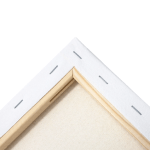
Professional-grade oil paints (Windsor & Newton) on premium linen canvas with UV-resistant protective coating. Museum-grade materials built to last generations, the same quality used in galleries worldwide.
Our artists specialize in Salomon Koninck's technique: color accuracy, brushwork, and composition are matched to the original. Every reproduction goes through quality review before your approval photos are taken.
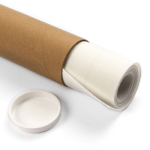
Every painting is insured and delivered door-to-door. Unframed paintings ship in protective hard tubes. Framed paintings are bubble-wrapped in sturdy boxes. If anything arrives damaged, we repair or replace it free.
Dive into the vibrant world of Historic Art. Discover your next painting today.