
Praying in the Desert by Rudolf Ernst | Oil Painting Reproduction

Praying in the Desert by Rudolf Ernst — Oil Painting Reproduction
Frame Specifications
Frame details Unframed
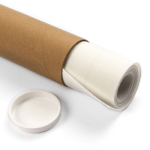
Information The canvas arrives unframed and rolled up in a sturdy tube, so you can have it framed locally exactly how you like.

AS SEEN IN

Royal Heritage Badge
4.7
4.7 out of 5

41 global ratings

5 star
82%
4 star
12%
3 star
4%
2 star
1%
1 star
1%
41 ratings

by Rudolf Ernst

Handmade Oil Painting on Canvas Art Reproduction —— Museum-quality

100% HAND-PAINTED
  • Real brushstrokes you can see & feel
  • Painting approval before shipping
  • Unlimited revisions
Select Size *
How should it arrive?
Select a Frame (optional)
Hand-Painted Oil Painting $299.95
Unframed — Shipped rolled in a protective tube Included
Shipping Free
Total
$299.95
$350.95Save 14%
90 Days Returns Free Shipping Secure Checkout
We accept
Visa Mastercard American Express Discover PayPal Apple Pay Google Pay Venmo
Support
Need help? Talk with Joey!

Processing & Shipping Time

Your delivery time includes two parts:

  1. Processing Time — From painting and drying to packaging and dispatch, usually 2–5 weeks depending on the painting complexity.
  2. Shipping Time — From when your order leaves the workshop to when it arrives at your address. You'll be able to track it with the tracking number we email you.

Shipping Methods

We ship with trusted couriers like FedEx, UPS, and DHL. Every shipment includes a tracking code.

  • Standard orders: Arrive in 5–8 days once shipped.
  • Framed, stretched, and oversized paintings: May take a few extra days.

Our goal is to deliver your order safely and quickly.

Shipment Safety Measures

We handle your products with care so they arrive in perfect condition:

  • Framed paintings — Bubble-wrapped and packed in a sturdy box.
  • Unframed paintings — Shipped in a protective hard plastic tube.

Every product is insured and delivered right to your door, so you can feel confident buying from us.

Every Art & See painting is created by artists with 15+ years of experience using professional-grade oil paints and premium linen canvas with UV-resistant protective coating — the same museum-grade materials used in galleries worldwide. Each piece goes through quality review before your approval photos are taken. If after delivery you have any concerns about your painting, contact us at [email protected] — our team will work with you on the best path forward.

Full Warranty

Every painting is protected against physical damage during shipping. If your painting arrives damaged, we repair or replace it — free.

Coverage Details

Transit damage (crushed, torn, water damage) — We repair or replace at no cost. Please note that damages resulting from accidents or inappropriate use are not covered under this warranty.

Repair or Replace

Depending on the extent of damage, the affected painting will either be repaired or replaced at no additional cost to you.

Free Service

All warranty services are provided absolutely free of charge.

We want you to absolutely love your handmade artwork. Here's how it works:

  1. Once your oil painting is complete, we'll send you unedited photos — a full view and close-up details.
  2. Review the photos and let us know if any changes are needed. We'll happily revise the painting for free.
  3. If you approve the painting, we'll ship it right away.

In the rare case you approve the photos and the artwork has been shipped and delivered to you, and you still want additional modification requests — we can handle it as a courtesy at our discretion. If accepted, you cover the return shipping cost.

Product Specifications
TypeHand-Painted Oil Painting Reproduction
Original ArtistRudolf Ernst
Price Range$299.95 — $1,299.95
ShippingFree Worldwide
Returns90-Day Returns
MediumOil on Canvas
CanvasMuseum-Grade Linen Canvas
TechniqueHand-painted brushstroke-by-brushstroke
Art StyleOrientalism
Artist NationalityAustrians
OrientationVertical
SubjectCultural heritage religious, Portraits male
Available Sizes7 (16'' W × 20'' H to 48'' W × 72'' H)
Framing OptionsUnframed, Stretched Canvas, Classic & Modern Frames
Delivery14–28 business days
About This Painting
Discovering the Spiritual Depths of Praying in the Desert by Rudolf Ernst Unveiling the Artist: Rudolf Ernst's Unique Style and Vision Exploring Ernst's Artistic Journey and Influences Rudolf Ernst...

Discovering the Spiritual Depths of Praying in the Desert by Rudolf Ernst

Unveiling the Artist: Rudolf Ernst's Unique Style and Vision

Exploring Ernst's Artistic Journey and Influences

Rudolf Ernst, a prominent 19th-century painter, is celebrated for his evocative depictions of spiritual themes. Born in 1854 in Vienna, Austria, Ernst was influenced by the Romantic movement and the fascination with exotic landscapes. His travels through North Africa and the Middle East deeply inspired his work, particularly in capturing the essence of solitude and spirituality. Ernst's unique vision blends realism with a touch of mysticism, inviting viewers to explore the deeper meanings behind his art.

Signature Techniques: The Use of Light and Color in Ernst's Work

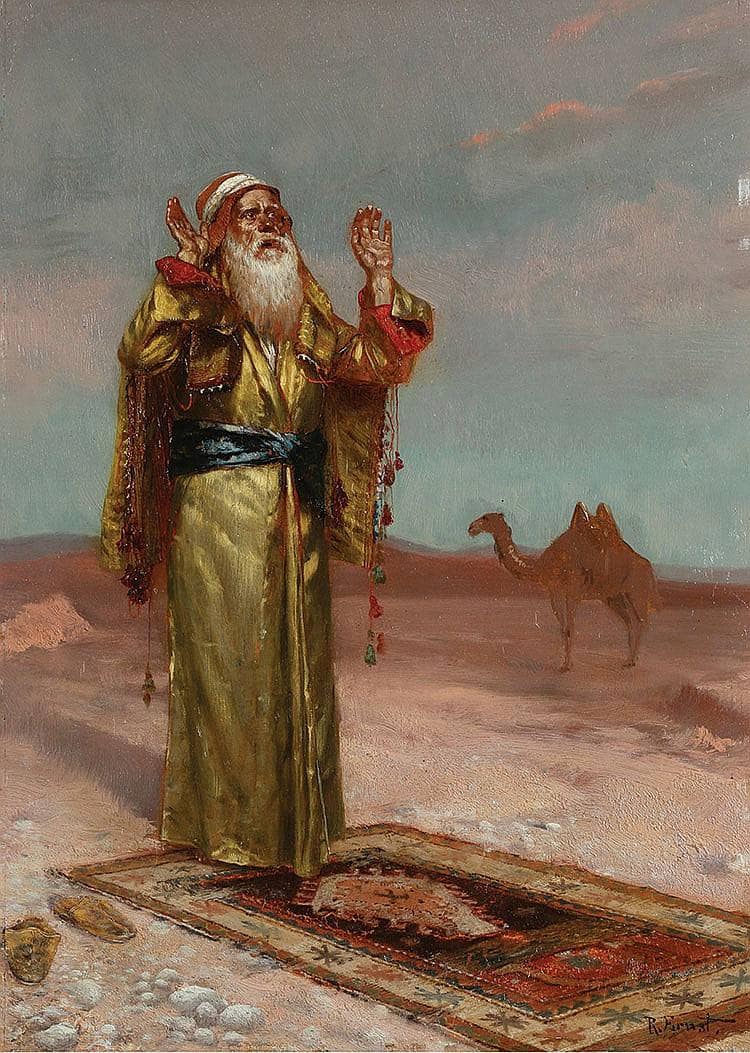
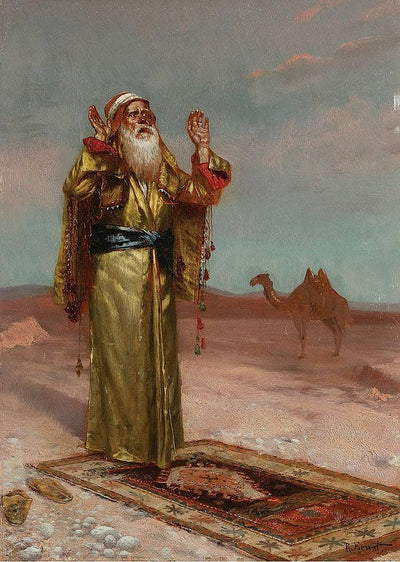
Ernst masterfully employed light and color to create a sense of atmosphere in his paintings. In "Praying in the Desert," he uses warm, earthy tones to evoke the arid landscape, while soft shadows add depth and dimension. His technique of chiaroscuro highlights the figure of the praying man, drawing the viewer's eye and emphasizing the theme of devotion. This interplay of light and shadow not only enhances the visual appeal but also enriches the spiritual narrative of the artwork.

Thematic Elements: Spirituality and Solitude in Praying in the Desert

Symbolism of the Desert: A Landscape of Reflection and Contemplation

The desert in Ernst's painting symbolizes a place of introspection and spiritual awakening. It represents the vastness of the human experience, where one can confront their inner thoughts and beliefs. The barren landscape serves as a backdrop for personal reflection, inviting viewers to consider their own journeys of faith. The isolation of the desert amplifies the sense of solitude, making it a powerful setting for spiritual exploration.

The Role of the Figure: A Representation of Faith and Devotion

The central figure in "Praying in the Desert" embodies unwavering faith and devotion. Clad in traditional attire, he kneels in prayer, a posture that signifies humility and reverence. This representation of a solitary figure in a vast landscape highlights the contrast between the individual and the universe. It encourages viewers to reflect on their own spiritual practices and the importance of finding peace in solitude.

Visual Analysis: Composition and Color Palette of Praying in the Desert

Breaking Down the Composition: Balance and Focus in the Artwork

Ernst's composition in "Praying in the Desert" is carefully balanced, with the figure positioned slightly off-center. This creates a dynamic tension that draws the viewer's eye across the canvas. The horizon line is low, emphasizing the expansive sky and the vastness of the desert. The arrangement of elements leads the viewer's gaze toward the figure, reinforcing the theme of spiritual focus amidst the overwhelming landscape.

Color Psychology: The Emotional Impact of Earthy Tones and Shadows

The color palette of "Praying in the Desert" features rich, earthy tones that evoke feelings of warmth and tranquility. The use of ochres, browns, and soft blues creates a harmonious atmosphere, inviting contemplation. Shadows play a crucial role in enhancing the emotional depth of the painting, suggesting the passage of time and the weight of spiritual reflection. This thoughtful use of color psychology enriches the viewer's experience, making the artwork resonate on a personal level.

Historical Context: The Significance of Desert Imagery in 19th Century Art

Religious and Cultural Influences on Ernst's Work

In the 19th century, artists like Rudolf Ernst were drawn to desert imagery as a means of exploring themes of spirituality and transcendence. The fascination with the exotic and the unknown fueled a cultural movement that celebrated the beauty of remote landscapes. Ernst's work reflects this trend, as he captures the spiritual essence of the desert, influenced by both religious narratives and the romanticized view of Eastern cultures.

Comparative Analysis: Praying in the Desert and Other Contemporary Works

"Praying in the Desert" stands out among contemporary works of its time, such as those by Jean-Léon Gér√¥me and Lawrence Alma-Tadema. While these artists often depicted historical or mythological themes, Ernst's focus on personal spirituality and solitude offers a unique perspective. His ability to convey deep emotional resonance through a simple act of prayer sets his work apart, making it a significant contribution to 19th-century art.

Artistic Legacy: The Enduring Appeal of Praying in the Desert

How Praying in the Desert Influences Modern Art and Spirituality

The themes explored in "Praying in the Desert" continue to resonate with modern artists and spiritual seekers alike. Ernst's portrayal of solitude and faith invites contemporary viewers to reflect on their own spiritual journeys. The painting's enduring appeal lies in its ability to evoke deep emotional responses, inspiring a new generation of artists to explore similar themes in their work.

Collecting Ernst: The Value and Importance of His Art Today

Rudolf Ernst's paintings, including "Praying in the Desert," are highly sought after by collectors and art enthusiasts. His unique style and profound themes make his works valuable additions to any art collection. Investing in an oil painting reproduction of "Praying in the Desert" allows art lovers to appreciate the intricate details and vibrant colors that define Ernst's artistry, offering a superior alternative to standard prints.

Experiencing Praying in the Desert: A Personal Reflection

First-Hand Impressions: The Emotional Resonance of the Painting

Viewing "Praying in the Desert" in person is a transformative experience. The painting's emotional depth and serene atmosphere invite viewers to pause and reflect. The figure's posture and the vast desert landscape create a sense of peace, encouraging a personal connection to the themes of faith and solitude. Many find themselves moved by the painting's ability to evoke introspection and contemplation.

Visiting Exhibitions: Where to See Praying in the Desert in Person

Art enthusiasts can often find "Praying in the Desert" featured in exhibitions dedicated to 19th-century art or spiritual themes. Museums and galleries that focus on European art may showcase Ernst's work, providing an opportunity to experience the painting's beauty up close. Checking local exhibition schedules or museum collections can lead to a chance to witness this remarkable piece of art in person.

FAQs About Praying in the Desert by Rudolf Ernst

What is the story behind Praying in the Desert?

The story behind "Praying in the Desert" revolves around themes of solitude, faith, and the search for spiritual meaning in a vast, desolate landscape.

What techniques did Rudolf Ernst use in this painting?

Rudolf Ernst used oil on canvas, employing techniques like chiaroscuro and a rich color palette to create depth and emotional resonance.

How does Praying in the Desert reflect Ernst's artistic style?

The painting reflects Ernst's artistic style through its focus on spirituality, detailed realism, and the use of light to enhance the emotional impact.

What are the main themes explored in Praying in the Desert?

The main themes include spirituality, solitude, and the personal journey of faith, set against the backdrop of a vast desert landscape.

How has Praying in the Desert been received by art critics?

Art critics have praised "Praying in the Desert" for its emotional depth, technical skill, and its unique exploration of spiritual themes.

What should I know about reproductions of Praying in the Desert?

Reproductions of "Praying in the Desert" are superior to prints, capturing the intricate details and vibrant colors of the original oil painting, making them a valuable addition to any art collection.

Are there any notable exhibitions featuring Praying in the Desert?

Notable exhibitions featuring "Praying in the Desert" can be found in museums focusing on 19th-century art, where visitors can appreciate Ernst's work in person.
Praying in the Desert
Praying in the Desert by Rudolf Ernst Hand-Painted Oil Painting Reproduction 16'' W × 20'' H · Unframed
20” x 16” in Unframed - Arrives Rolled on a Tube
$299.95 $350.95
30% Off Today Ends soon!
OUR GUARANTEES

Why Choose Our Art Reproductions

At Art & See, we're committed to delivering the highest quality art reproductions. Our team of expert artists and state-of-the-art processes ensure that each piece is a masterpiece in its own right.

Artist working on canvas

Real Artists Only

Experience your masterpiece's creation through daily photos from our expert artists, each with 15+ years of experience.

We'll send you photos before shipping
Secure packaging

Worry-Free Shipping

Your artwork travels first class via UPS, FedEx, or DHL, protected by museum-grade packaging for safe delivery.

Safe protective packaging
Preview and approve

Preview & Approve

Review unedited photos of your finished painting and request unlimited free revisions before it ships. We only ship when you say it's perfect.

You approve before we ship
Art materials

Built to Last

Every piece is crafted with archival materials, UV-resistant finishes, and premium British paints to last generations.

Museum-grade quality

You May Also Like

Frequently Asked Questions About Rudolf Ernst Oil Painting Reproductions

Everything you need to know before ordering your hand-painted Praying in the Desert reproduction.
Is "Praying in the Desert" by Rudolf Ernst a real hand-painted oil painting?

Yes — 100% hand-painted with oil on canvas by artists with 15+ years of experience. No prints, no digital shortcuts. You'll see and feel real brushstrokes, just like the original Rudolf Ernst masterpiece.

How long does it take to receive my Rudolf Ernst painting?

Your Praying in the Desert reproduction takes 2–5 weeks to hand-paint depending on size and detail. Once approved, shipping takes 5–8 days via FedEx, UPS, or DHL with full tracking. Free worldwide shipping included.

Can I see my painting before it ships?

Absolutely. Once your Praying in the Desert is complete, we send you unedited photos — a full view and close-up details. Request unlimited free revisions until you're 100% satisfied. We don't ship until you say "yes."

How do I know I'll love it?

Every painting goes through our Preview & Approve process — you receive unedited photos of your finished Rudolf Ernst reproduction and can request unlimited free revisions before it ships. We only ship when you say it's perfect. If after delivery you have any concerns, contact us at [email protected] and our team will work with you on the best path forward.

What materials do you use?

Professional-grade oil paints (Windsor & Newton) on premium linen canvas with UV-resistant protective coating. Museum-grade materials built to last generations — the same quality used in galleries worldwide.

Will my painting look exactly like the original Praying in the Desert?

Our artists specialize in Rudolf Ernst's technique — color accuracy, brushwork, and composition are matched to the original. Every reproduction goes through quality review before your approval photos are taken.

Is my painting shipped safely?

Every painting is insured and delivered door-to-door. Unframed paintings ship in protective hard tubes. Framed paintings are bubble-wrapped in sturdy boxes. If anything arrives damaged, we repair or replace it free.

Bring a Masterpiece to Your Décor Today

Dive into the vibrant world of Historic Art. Discover your next painting today.
Custom oil painting