4.9/5
4.9/5






SAMPLES OF QUALITY
Recent Hand-Painted Reproductions
Discover some of our latest oil paintings, each one carefully hand-painted on canvas.

AS SEEN IN






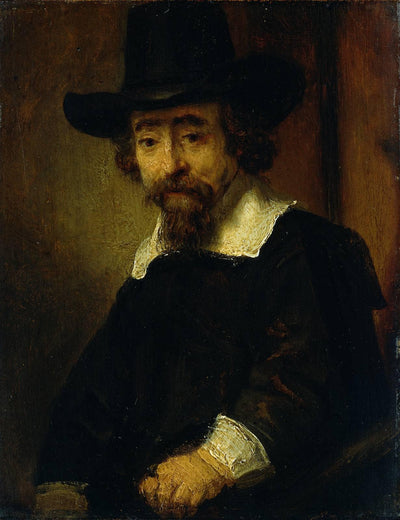
by Rembrandt
Handmade Oil Painting on Canvas Art Reproduction, Museum-quality

The six dominant colors measured from the painting, with the share of canvas each one covers. Click a swatch to copy its hex code.
Processing & Shipping Time
Your delivery time includes two parts:
Shipping Methods
We ship with trusted couriers like FedEx, UPS, and DHL. Every shipment includes a tracking code.
Our goal is to deliver your order safely and quickly.
Shipment Safety Measures
We handle your products with care so they arrive in perfect condition:
Every product is insured and delivered right to your door, so you can feel confident buying from us.
Every Art & See painting is created by artists with 15+ years of experience using professional-grade oil paints and premium linen canvas with UV-resistant protective coating, the same museum-grade materials used in galleries worldwide. Each piece goes through quality review before your approval photos are taken. If after delivery you have any concerns about your painting, contact us at [email protected] and our team will work with you on the best path forward.
Full Warranty
Every painting is protected against physical damage during shipping. If your painting arrives damaged, we repair or replace it, free of charge.
Coverage Details
Transit damage (crushed, torn, water damage): we repair or replace at no cost. Please note that damages resulting from accidents or inappropriate use are not covered under this warranty.
Repair or Replace
Depending on the extent of damage, the affected painting will either be repaired or replaced at no additional cost to you.
Free Service
All warranty services are provided absolutely free of charge.
We want you to absolutely love your handmade artwork. Here's how it works:
In the rare case you approve the photos and the artwork has been shipped and delivered to you, and you still want additional modification requests, we can handle it as a courtesy at our discretion. If accepted, you cover the return shipping cost.
| Type | Hand-Painted Oil Painting Reproduction |
| Original Artist | Rembrandt |
| Price Range | $350 to $1,150 |
| Shipping | Free Worldwide |
| Returns | 90-Day Returns |
| Medium | Oil on Canvas |
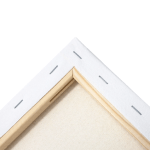
| Canvas | Museum-Grade Linen Canvas |
| Technique | Hand-painted brushstroke-by-brushstroke |
| Art Style | Tenebrism |
| Period | 17th Century |
| Artist Nationality | Dutch |
| Orientation | Vertical |
| Subject | Portraits, Portraits male |
| Available Sizes | 7 (19'' W × 24'' H to 52'' W × 66'' H, including the original size), plus custom sizes |
| Framing Options | Unframed, Stretched Canvas, Classic & Modern Frames |
| Delivery | 14–28 business days |
| Size | 15 × 19 cm (6 × 7.5 in) |
| Year | 1647 |
The 17th century marked the Golden Age of Dutch painting, a period characterized by remarkable artistic innovation and cultural flourishing. During this time, artists like Rembrandt van Rijn emerged, creating works that captured the essence of human emotion and the complexities of life. The Dutch Republic became a hub for art, with a focus on realism and the portrayal of everyday life, which set the stage for Rembrandt's profound contributions.
Rembrandt revolutionized portraiture with his unique ability to convey personality and depth. His portraits often reveal the inner lives of his subjects, making them relatable and timeless. This approach not only influenced his contemporaries but also left a lasting legacy on future generations of artists. His innovative techniques in capturing light and shadow transformed the way portraits were created, emphasizing the emotional connection between the viewer and the subject.
In the 17th century, Jewish communities thrived in cities like Amsterdam, where they contributed significantly to the cultural landscape. Rembrandt's portrayal of Jewish figures, such as Dr. Ephraim Bueno, reflects the complexities of Jewish identity during this era. His works often highlight the dignity and humanity of his subjects, challenging the stereotypes prevalent in society. This representation is crucial in understanding the broader context of Jewish life and culture in art history.
Dr. Ephraim Bueno was a prominent Jewish physician in 17th century Amsterdam, known for his medical expertise and contributions to the community. He was part of a vibrant Jewish culture that thrived in the city, where intellectual and artistic pursuits flourished. Bueno's life and work exemplify the intersection of medicine and art, showcasing the importance of Jewish scholars in the broader European context.
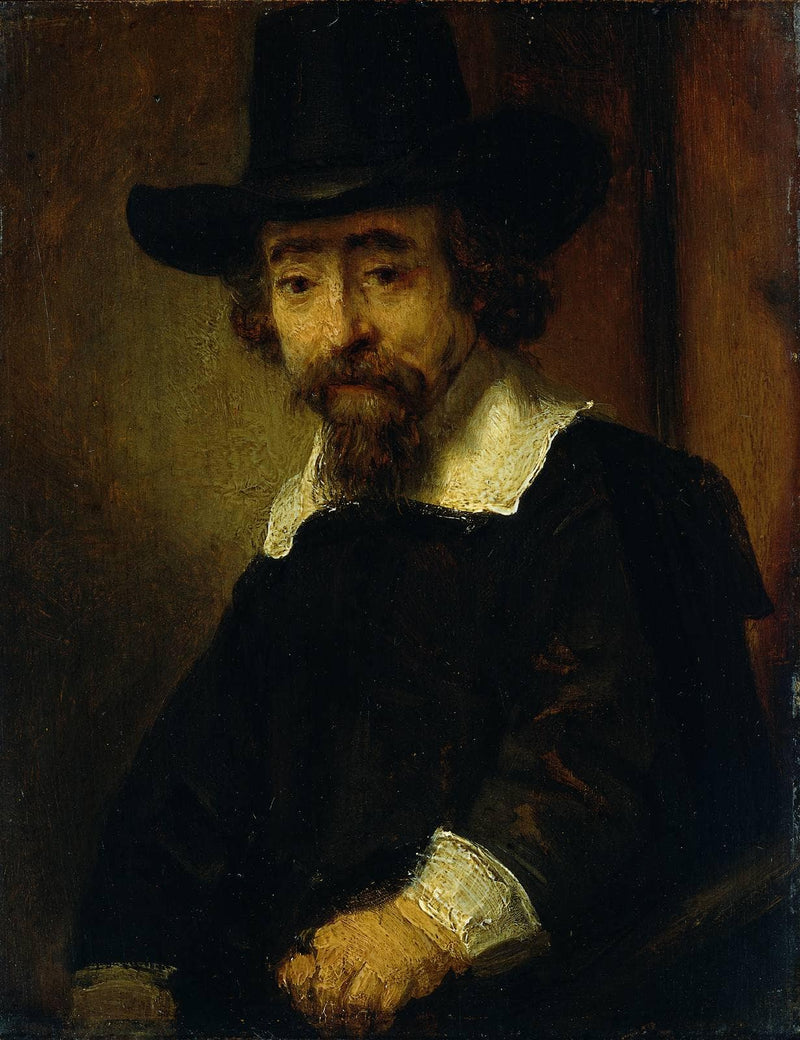
Rembrandt's portrait of Dr. Ephraim Bueno is rich in symbolism. The physician's attire, featuring a dark cloak and a white collar, signifies his professional status and dedication to his craft. The subtle details in the painting, such as the books and instruments in the background, hint at his scholarly pursuits and the importance of knowledge in his life. This portrait serves not only as a representation of a man but also as a testament to the values of education and service in the Jewish community.
Rembrandt's approach to characterization in the portrait of Dr. Bueno is striking. He captures the physician's thoughtful expression, inviting viewers to ponder his thoughts and experiences. The artist's ability to convey emotion through facial expressions and body language sets this portrait apart from others of the time. Rembrandt's deep understanding of human psychology allows him to create a connection between the viewer and the subject, making Dr. Bueno a relatable figure.
One of the most notable techniques in Rembrandt's work is chiaroscuro, the dramatic contrast between light and dark. In Dr. Ephraim Bueno, this technique enhances the three-dimensionality of the figure, drawing attention to the subject's face and hands. The interplay of light and shadow not only adds depth but also evokes a sense of intimacy, inviting viewers to engage with the painting on a personal level.
Rembrandt's brushwork in this portrait is masterful. He employs a variety of strokes to create texture, from the smoothness of the skin to the intricate details of the clothing. This attention to detail brings the painting to life, allowing viewers to appreciate the craftsmanship involved. The tactile quality of the paint adds to the overall richness of the artwork, making it a feast for the eyes.
The color palette in Dr. Ephraim Bueno is carefully chosen to evoke emotion. The warm earth tones create a sense of warmth and humanity, while the darker shades add a layer of seriousness and depth. This combination enhances the viewer's emotional response, making the portrait not just a visual experience but an emotional one as well. Rembrandt's use of color reflects his understanding of how hues can influence perception and feeling.
Dr. Ephraim Bueno's portrait is significant in its representation of Jewish heritage. At a time when Jewish individuals faced discrimination, Rembrandt's work humanizes and dignifies his subject. This portrayal contributes to a broader understanding of Jewish life in the 17th century, showcasing the community's contributions to society and culture. It serves as a reminder of the importance of representation in art.
The 17th century was a transformative period for medicine, with physicians like Dr. Bueno at the forefront. The painting reflects the evolving nature of medical practice, highlighting the role of Jewish doctors in a predominantly Christian society. Bueno's expertise and dedication to his patients exemplify the values of compassion and knowledge that were essential in the medical field during this time.
Through his art, Rembrandt played a crucial role in shaping Jewish identity in the 17th century. His portraits of Jewish figures, including Dr. Ephraim Bueno, challenge stereotypes and offer a more nuanced view of Jewish life. By portraying his subjects with dignity and respect, Rembrandt contributes to a legacy of understanding and appreciation for Jewish culture in the art world.
When comparing Rembrandt's style to that of his contemporaries, his unique approach to light, shadow, and emotional depth stands out. While other artists focused on idealized forms, Rembrandt embraced realism, capturing the true essence of his subjects. This distinction makes Dr. Ephraim Bueno a remarkable example of portraiture that transcends time.
Dr. Ephraim Bueno shares similarities with other Jewish portraits from the period, particularly in the way Rembrandt highlights the individuality of his subjects. Like other Jewish figures he painted, Bueno is depicted with a sense of dignity and humanity. This common thread in Rembrandt's work emphasizes the importance of Jewish identity and representation in art history.
The legacy of Dr. Ephraim Bueno extends into Rembrandt's later works, where he continued to explore themes of identity and emotion. The techniques and styles developed in this portrait influenced his subsequent creations, solidifying his reputation as a master of portraiture. Rembrandt's ability to capture the human experience remains a benchmark for artists today.
When viewing Dr. Ephraim Bueno, pay attention to the intricate details in the facial expression and the play of light across the figure. Notice how Rembrandt's brushwork creates texture and depth, inviting you to explore the painting further. Each element contributes to the overall narrative, making it a rich experience for the observer.
Many viewers report feeling a deep emotional connection to Dr. Ephraim Bueno. The portrait evokes a sense of empathy and understanding, allowing viewers to reflect on the life and experiences of the subject. This emotional resonance is a testament to Rembrandt's skill in capturing the human spirit.
The original painting of Dr. Ephraim Bueno is housed in the prestigious collection of the Rijksmuseum in Amsterdam. Visiting this museum offers a unique opportunity to experience the artwork in person, surrounded by other masterpieces from the Dutch Golden Age. The museum's setting enhances the viewing experience, allowing you to appreciate the historical context of Rembrandt's work.
Dr. Ephraim Bueno's portrait is significant as it represents Jewish identity and contributions to society during the 17th century. It highlights the role of Jewish physicians in a time of cultural flourishing.
Rembrandt's style, characterized by chiaroscuro and emotional depth, influences the portrayal of Dr. Bueno by emphasizing his humanity and individuality, making the portrait relatable and impactful.
The key elements of the painting's composition include the use of light and shadow, the detailed textures of clothing, and the thoughtful expression of Dr. Bueno, all contributing to the overall narrative.
The painting reveals that Jewish life in the 17th century was rich and complex, showcasing the contributions of Jewish individuals to society, particularly in fields like medicine and scholarship.
Dr. Ephraim Bueno has been well-received in art history as a significant example of Jewish representation in art, highlighting Rembrandt's role in challenging stereotypes and promoting understanding.
Reproductions of Dr. Ephraim Bueno are superior to prints, as they capture the texture, color, and emotional depth of the original artwork. A high-quality reproduction allows you to appreciate the details and craftsmanship of Rembrandt's work.
To appreciate the details in a reproduction, take time to observe the brushwork, color variations, and the interplay of light and shadow. Engaging with the artwork closely will enhance your understanding and enjoyment of Rembrandt's artistry.

Discover some of our latest oil paintings, each one carefully hand-painted on canvas.
At Art & See, we're committed to delivering the highest quality art reproductions. Our team of expert artists and state-of-the-art processes ensure that each piece is a masterpiece in its own right.

Experience your masterpiece's creation through daily photos from our expert artists, each with 15+ years of experience.

Your artwork travels first class via UPS, FedEx, or DHL, protected by museum-grade packaging for safe delivery.

Review unedited photos of your finished painting and request unlimited free revisions before it ships. We only ship when you say it's perfect.

Every piece is crafted with archival materials, UV-resistant finishes, and premium British paints to last generations.
Yes, 100% hand-painted with oil on canvas by artists with 15+ years of experience. No prints, no digital shortcuts. You'll see and feel real brushstrokes, just like the original Rembrandt masterpiece.
Your Dr Ephraim Bueno, Jewish Physician and Writer reproduction takes 2–5 weeks to hand-paint depending on size and detail. Once approved, shipping takes 5–8 days via FedEx, UPS, or DHL with full tracking. Free worldwide shipping included.
Absolutely. Once your Dr Ephraim Bueno, Jewish Physician and Writer is complete, we send you unedited photos, a full view and close-up details. Request unlimited free revisions until you're 100% satisfied. We don't ship until you say "yes."
Every painting goes through our Preview & Approve process: you receive unedited photos of your finished Rembrandt reproduction and can request unlimited free revisions before it ships. We only ship when you say it's perfect. If after delivery you have any concerns, contact us at [email protected] and our team will work with you on the best path forward.
Professional-grade oil paints (Windsor & Newton) on premium linen canvas with UV-resistant protective coating. Museum-grade materials built to last generations, the same quality used in galleries worldwide.
Our artists specialize in Rembrandt's technique: color accuracy, brushwork, and composition are matched to the original. Every reproduction goes through quality review before your approval photos are taken.
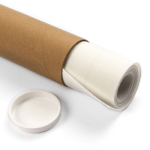
Every painting is insured and delivered door-to-door. Unframed paintings ship in protective hard tubes. Framed paintings are bubble-wrapped in sturdy boxes. If anything arrives damaged, we repair or replace it free.
Dive into the vibrant world of Historic Art. Discover your next painting today.