4.9/5
4.9/5






SAMPLES OF QUALITY
Recent Hand-Painted Reproductions
Discover some of our latest oil paintings, each one carefully hand-painted on canvas.

AS SEEN IN





Handmade Oil Painting on Canvas Art Reproduction, Museum-quality

The six dominant colors measured from the painting, with the share of canvas each one covers. Click a swatch to copy its hex code.
Processing & Shipping Time
Your delivery time includes two parts:
Shipping Methods
We ship with trusted couriers like FedEx, UPS, and DHL. Every shipment includes a tracking code.
Our goal is to deliver your order safely and quickly.
Shipment Safety Measures
We handle your products with care so they arrive in perfect condition:
Every product is insured and delivered right to your door, so you can feel confident buying from us.
Every Art & See painting is created by artists with 15+ years of experience using professional-grade oil paints and premium linen canvas with UV-resistant protective coating, the same museum-grade materials used in galleries worldwide. Each piece goes through quality review before your approval photos are taken. If after delivery you have any concerns about your painting, contact us at [email protected] and our team will work with you on the best path forward.
Full Warranty
Every painting is protected against physical damage during shipping. If your painting arrives damaged, we repair or replace it, free of charge.
Coverage Details
Transit damage (crushed, torn, water damage): we repair or replace at no cost. Please note that damages resulting from accidents or inappropriate use are not covered under this warranty.
Repair or Replace
Depending on the extent of damage, the affected painting will either be repaired or replaced at no additional cost to you.
Free Service
All warranty services are provided absolutely free of charge.
We want you to absolutely love your handmade artwork. Here's how it works:
In the rare case you approve the photos and the artwork has been shipped and delivered to you, and you still want additional modification requests, we can handle it as a courtesy at our discretion. If accepted, you cover the return shipping cost.
| Type | Hand-Painted Oil Painting Reproduction |
| Original Artist | Ramón Tusquets y Maignon |
| Price Range | $350 to $1,150 |
| Shipping | Free Worldwide |
| Quality | Preview & Approve Before Shipping |
| Medium | Oil on Canvas |
| Canvas | Museum-Grade Linen Canvas |
| Technique | Hand-painted brushstroke-by-brushstroke |
| Art Style | Realism |
| Period | 19th Century |
| Artist Nationality | Italian |
| Orientation | Vertical |
| Subject | Architectural, Cultural heritage |
| Available Sizes | 7 (15'' W × 21'' H to 49'' W × 69'' H, including the original size), plus custom sizes |
| Framing Options | Unframed, Stretched Canvas, Classic & Modern Frames |
| Delivery | 14–28 business days |
| Size | 54.5 × 77 cm (21.5 × 30.5 in) |
| Year | 1886 |
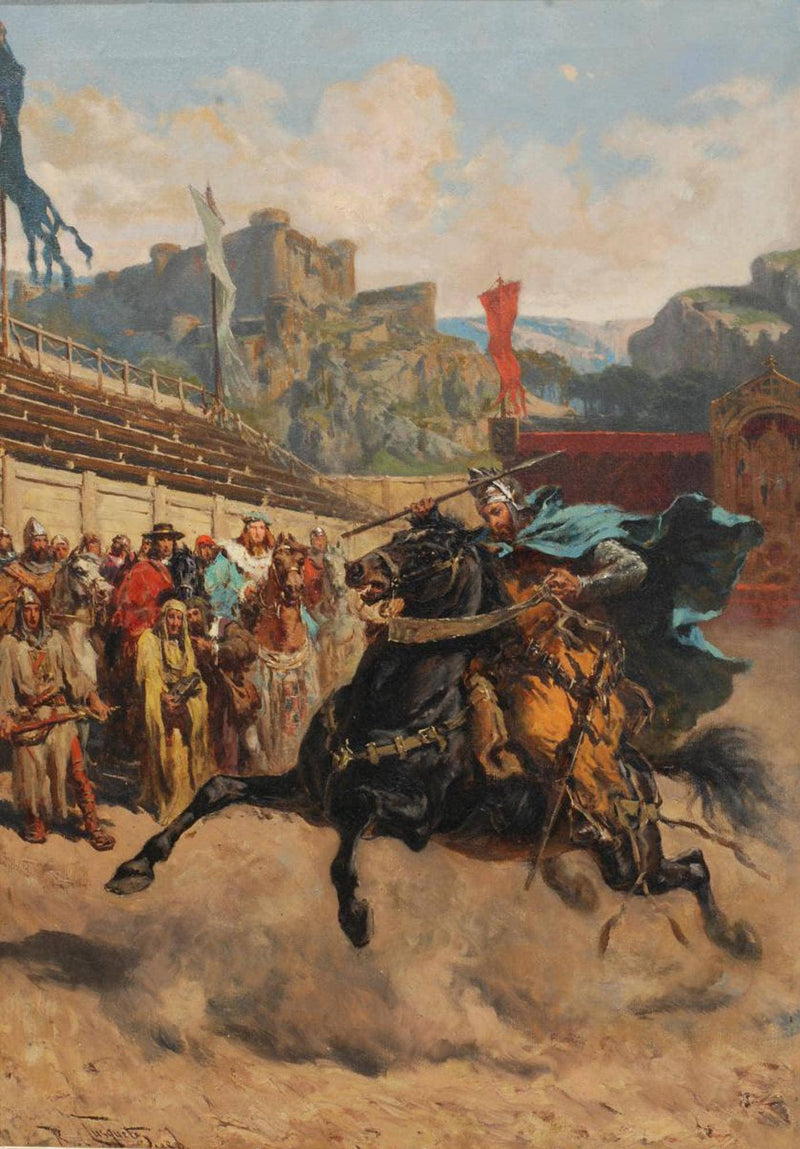
Peter the Great, who ruled from 1682 to 1725, is known for his sweeping reforms that modernized Russia. He sought to transform his nation into a formidable European power. His efforts included overhauling the military, establishing a navy, and reforming the government. These changes laid the groundwork for Russia's emergence as a major player on the world stage.
One lesser-known fact is that Peter traveled incognito to Western Europe to learn about shipbuilding and military tactics. This journey, known as the Grand Embassy, was pivotal in shaping his vision for a modern Russia. His commitment to Westernization not only influenced military strategies but also impacted cultural and social norms, leading to a more secular and progressive society.
Peter's reign marked a significant cultural shift in Russia. He introduced Western customs, fashion, and education, which were often met with resistance from traditionalists. His establishment of St. Petersburg as the new capital symbolized this cultural transformation. The city became a hub for art, science, and architecture, reflecting Peter's desire to align Russia with European ideals.
Moreover, Peter's reforms in education led to the founding of the Russian Academy of Sciences, fostering a new generation of thinkers and artists. This cultural renaissance laid the foundation for future artistic movements in Russia, influencing generations of artists who followed.
The Bordeaux Challenge was a significant event in the 18th century art scene, showcasing the talents of various artists. These competitions encouraged creativity and innovation, pushing artists to explore new themes and techniques. The challenge not only highlighted individual talents but also fostered a sense of community among artists.
In this context, the painting "Peter the Great and the Bordeaux Challenge" emerges as a testament to the vibrant artistic dialogue of the time. It reflects the competitive spirit that drove artists to excel and experiment, resulting in a rich tapestry of artistic expression.
Ramón Tusquets y Maignon was a prominent figure in the art world, known for his ability to blend historical narratives with contemporary styles. His works often featured bold colors and dynamic compositions, capturing the essence of his subjects. Tusquets y Maignon's unique perspective on Peter the Great showcases the tsar not just as a ruler but as a complex individual shaped by his time.
His artistic vision was influenced by the Baroque and Rococo styles, which can be seen in the intricate details and dramatic lighting of this painting. Tusquets y Maignon's ability to convey emotion through his brushwork makes this piece a captivating exploration of power and ambition.
Tusquets y Maignon employed a masterful technique characterized by fluid brushwork and a vibrant color palette. His use of rich, deep hues creates a sense of depth and movement, drawing the viewer into the scene. The interplay of light and shadow adds a dramatic flair, enhancing the emotional impact of the painting.
His choice of colors is particularly noteworthy. The bold reds and golds symbolize power and authority, while cooler tones evoke a sense of calm and introspection. This thoughtful color selection invites viewers to engage with the painting on multiple levels.
In "Peter the Great and the Bordeaux Challenge," color plays a crucial role in conveying meaning. The vibrant reds often associated with royalty highlight Peter's status as a powerful leader. In contrast, the softer blues and greens suggest a connection to nature and the broader world, reflecting Peter's vision for a modern Russia.
Additionally, the use of contrasting colors emphasizes the tension between tradition and progress, a central theme in Peter's life and reign. This symbolic use of color enriches the narrative, inviting viewers to explore the complexities of Peter's character.
The composition of the painting is carefully crafted to guide the viewer's eye. Tusquets y Maignon employs a dynamic perspective that creates a sense of movement and engagement. The arrangement of figures and objects draws attention to Peter, placing him at the center of the narrative.
This strategic composition not only highlights Peter's importance but also invites viewers to consider the broader implications of his actions. The surrounding elements serve to contextualize his achievements and struggles, making the painting a rich historical document.
Every element in "Peter the Great and the Bordeaux Challenge" carries symbolic weight. The presence of historical figures alongside Peter signifies the collaborative nature of his reforms. Each character represents different facets of Russian society, from military leaders to cultural icons.
Moreover, the inclusion of specific objects, such as maps and navigational tools, underscores Peter's commitment to exploration and modernization. These symbols enrich the narrative, providing deeper insights into Peter's ambitions and the challenges he faced.
Historical figures depicted in the painting serve as a reminder of the collaborative efforts that defined Peter's reign. Each character embodies a different aspect of Russian society, reflecting the diverse influences that shaped the nation. Their presence highlights the interconnectedness of art, politics, and culture during this transformative period.
By portraying these figures, Tusquets y Maignon emphasizes the importance of collaboration in achieving progress. This artistic choice invites viewers to consider the broader implications of leadership and the role of community in shaping history.
The imagery in the painting powerfully conveys themes of authority and leadership. Peter is depicted in a commanding pose, exuding confidence and determination. His attire, adorned with regal elements, reinforces his status as a tsar.
Additionally, the backdrop of the painting, featuring grand architecture and expansive landscapes, symbolizes the vastness of Peter's ambitions. This imagery serves to elevate Peter's legacy, portraying him as a visionary leader who sought to reshape Russia's destiny.
This painting has left a lasting impact on artists who followed. Its innovative approach to historical narrative inspired many to explore similar themes in their work. The blend of realism and symbolism in Tusquets y Maignon's style encouraged artists to push boundaries and experiment with new techniques.
As a result, "Peter the Great and the Bordeaux Challenge" became a reference point for artists seeking to capture the complexities of leadership and cultural identity. Its influence can be seen in various artistic movements that emerged in the 19th and 20th centuries.
The painting played a crucial role in shaping Russian artistic identity. By portraying a pivotal moment in history, it encouraged artists to reflect on their cultural heritage and the legacy of their leaders. This introspection fostered a sense of national pride and artistic exploration.
Furthermore, the themes of power and reform resonated with artists during times of political change, making the painting a relevant source of inspiration for generations. Its enduring legacy continues to influence contemporary Russian art.
Modern artists often draw inspiration from the themes presented in "Peter the Great and the Bordeaux Challenge." The exploration of power dynamics, cultural identity, and historical narratives remains relevant today. Contemporary works frequently echo the emotional depth and complexity found in Tusquets y Maignon's painting.
This enduring legacy highlights the importance of historical context in shaping artistic expression. As artists continue to grapple with similar themes, the influence of this painting will undoubtedly persist in the art world.
The painting captures a significant moment in the 18th century, reflecting Peter the Great's efforts to modernize Russia and engage with Western Europe. It showcases the cultural and political dynamics of the time.
Ramón Tusquets y Maignon was a renowned artist known for his vibrant color palette and dynamic compositions. His style blended Baroque and Rococo influences, creating emotionally resonant works that explored historical themes.
The painting explores themes of power, authority, and cultural transformation. It highlights Peter the Great's role as a revolutionary leader and the impact of his reforms on Russian society.
The painting captures Peter's ambitious and determined nature. His commanding presence and regal attire convey his authority, while the surrounding elements reflect his vision for a modern Russia.
Tusquets y Maignon employed fluid brushwork, a vibrant color palette, and dynamic composition to create a sense of movement and emotional depth. His use of light and shadow enhances the painting's dramatic impact.
Art critics have praised the painting for its innovative approach to historical narrative and its emotional resonance. It is regarded as a significant work that captures the complexities of Peter the Great's legacy.
When considering a reproduction of "Peter the Great and the Bordeaux Challenge," opt for high-quality painting reproductions. These offer superior detail and texture compared to prints, allowing you to appreciate the artwork's depth and vibrancy.
The painting has been featured in various exhibitions focusing on Russian art and history. Its inclusion in these exhibitions highlights its significance in understanding Peter the Great's impact on culture and society.

Discover some of our latest oil paintings, each one carefully hand-painted on canvas.
At Art & See, we're committed to delivering the highest quality art reproductions. Our team of expert artists and state-of-the-art processes ensure that each piece is a masterpiece in its own right.

Experience your masterpiece's creation through daily photos from our expert artists, each with 15+ years of experience.

Your artwork travels first class via UPS, FedEx, or DHL, protected by museum-grade packaging for safe delivery.

Review unedited photos of your finished painting and request unlimited free revisions before it ships. We only ship when you say it's perfect.

Every piece is crafted with archival materials, UV-resistant finishes, and premium British paints to last generations.
Yes, 100% hand-painted with oil on canvas by artists with 15+ years of experience. No prints, no digital shortcuts. You'll see and feel real brushstrokes, just like the original Ramón Tusquets y Maignon masterpiece.
Your Peter the Great and the Bordeaux Challenge reproduction takes 2–5 weeks to hand-paint depending on size and detail. Once approved, shipping takes 5–8 days via FedEx, UPS, or DHL with full tracking. Free worldwide shipping included.
Absolutely. Once your Peter the Great and the Bordeaux Challenge is complete, we send you unedited photos, a full view and close-up details. Request unlimited free revisions until you're 100% satisfied. We don't ship until you say "yes."
Every painting goes through our Preview & Approve process: you receive unedited photos of your finished Ramón Tusquets y Maignon reproduction and can request unlimited free revisions before it ships. We only ship when you say it's perfect. If after delivery you have any concerns, contact us at [email protected] and our team will work with you on the best path forward.
Professional-grade oil paints (Windsor & Newton) on premium linen canvas with UV-resistant protective coating. Museum-grade materials built to last generations, the same quality used in galleries worldwide.
Our artists specialize in Ramón Tusquets y Maignon's technique: color accuracy, brushwork, and composition are matched to the original. Every reproduction goes through quality review before your approval photos are taken.
Every painting is insured and delivered door-to-door. Unframed paintings ship in protective hard tubes. Framed paintings are bubble-wrapped in sturdy boxes. If anything arrives damaged, we repair or replace it free.
Dive into the vibrant world of Historic Art. Discover your next painting today.