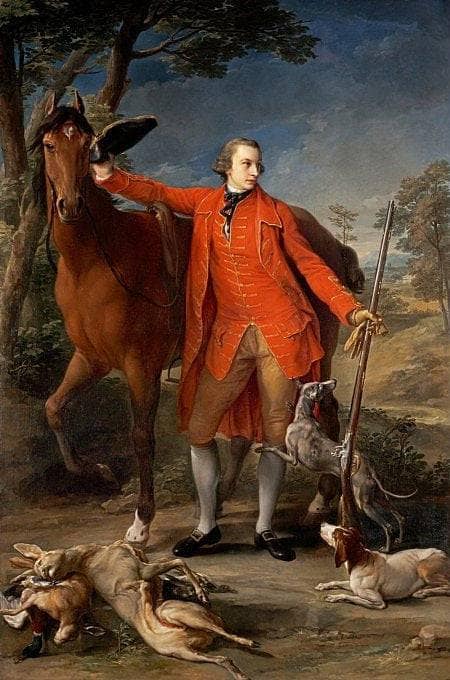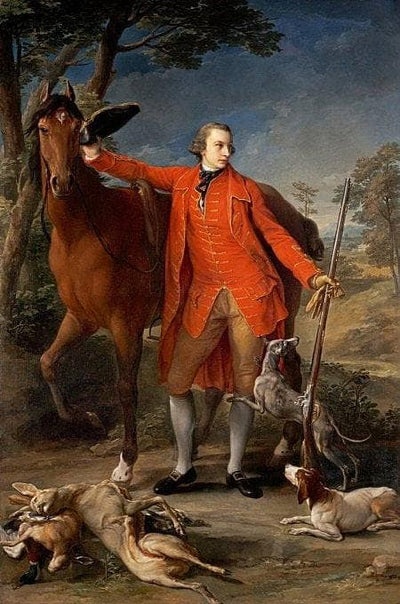



Portrait of Alexander, 4th Duke of Gordon by Pompeo Batoni | Oil Painting Reproduction

Portrait of Alexander, 4th Duke of Gordon by Pompeo Batoni — Oil Painting Reproduction
Frame Specifications
Frame details Unframed
Information The canvas arrives unframed and rolled up in a sturdy tube, so you can have it framed locally exactly how you like.

AS SEEN IN

Royal Heritage Badge
4.7
4.7 out of 5

41 global ratings

5 star
82%
4 star
12%
3 star
4%
2 star
1%
1 star
1%
41 ratings

by Pompeo Batoni

Handmade Oil Painting on Canvas Art Reproduction —— Museum-quality

100% HAND-PAINTED
  • Real brushstrokes you can see & feel
  • Painting approval before shipping
  • Unlimited revisions
Select Size *
How should it arrive?
Select a Frame (optional)
Hand-Painted Oil Painting $299.95
Unframed — Shipped rolled in a protective tube Included
Shipping Free
Total
$299.95
$350.95Save 14%
90 Days Returns Free Shipping Secure Checkout
We accept
Visa Mastercard American Express Discover PayPal Apple Pay Google Pay Venmo
Support
Need help? Talk with Joey!

Processing & Shipping Time

Your delivery time includes two parts:

  1. Processing Time — From painting and drying to packaging and dispatch, usually 2–5 weeks depending on the painting complexity.
  2. Shipping Time — From when your order leaves the workshop to when it arrives at your address. You'll be able to track it with the tracking number we email you.

Shipping Methods

We ship with trusted couriers like FedEx, UPS, and DHL. Every shipment includes a tracking code.

  • Standard orders: Arrive in 5–8 days once shipped.
  • Framed, stretched, and oversized paintings: May take a few extra days.

Our goal is to deliver your order safely and quickly.

Shipment Safety Measures

We handle your products with care so they arrive in perfect condition:

  • Framed paintings — Bubble-wrapped and packed in a sturdy box.
  • Unframed paintings — Shipped in a protective hard plastic tube.

Every product is insured and delivered right to your door, so you can feel confident buying from us.

Every Art & See painting is created by artists with 15+ years of experience using professional-grade oil paints and premium linen canvas with UV-resistant protective coating — the same museum-grade materials used in galleries worldwide. Each piece goes through quality review before your approval photos are taken. If after delivery you have any concerns about your painting, contact us at [email protected] — our team will work with you on the best path forward.

Full Warranty

Every painting is protected against physical damage during shipping. If your painting arrives damaged, we repair or replace it — free.

Coverage Details

Transit damage (crushed, torn, water damage) — We repair or replace at no cost. Please note that damages resulting from accidents or inappropriate use are not covered under this warranty.

Repair or Replace

Depending on the extent of damage, the affected painting will either be repaired or replaced at no additional cost to you.

Free Service

All warranty services are provided absolutely free of charge.

We want you to absolutely love your handmade artwork. Here's how it works:

  1. Once your oil painting is complete, we'll send you unedited photos — a full view and close-up details.
  2. Review the photos and let us know if any changes are needed. We'll happily revise the painting for free.
  3. If you approve the painting, we'll ship it right away.

In the rare case you approve the photos and the artwork has been shipped and delivered to you, and you still want additional modification requests — we can handle it as a courtesy at our discretion. If accepted, you cover the return shipping cost.

Product Specifications
TypeHand-Painted Oil Painting Reproduction
Original ArtistPompeo Batoni
Price Range$299.95 — $1,299.95
ShippingFree Worldwide
Returns90-Day Returns
MediumOil on Canvas
CanvasMuseum-Grade Linen Canvas
TechniqueHand-painted brushstroke-by-brushstroke
Art StyleRococo
Period18th Century
Artist NationalityItalian
OrientationVertical
SubjectPortraits, Portraits male
Available Sizes7 (16'' W × 20'' H to 48'' W × 72'' H)
Framing OptionsUnframed, Stretched Canvas, Classic & Modern Frames
Delivery14–28 business days
About This Painting
Exploring the Historical Significance of the Portrait of Alexander, 4th Duke of Gordon The Life and Legacy of Alexander, 4th Duke of Gordon Early Life and Noble Heritage Alexander Gordon, the 4th D...

Exploring the Historical Significance of the Portrait of Alexander, 4th Duke of Gordon

The Life and Legacy of Alexander, 4th Duke of Gordon

Early Life and Noble Heritage

Alexander Gordon, the 4th Duke of Gordon, was born in 1743 into a prominent Scottish family. His lineage traced back to the ancient Clan Gordon, known for its rich history and influence in the Scottish Highlands. Raised in the opulent surroundings of Gordon Castle, Alexander was groomed for leadership from a young age. His noble heritage positioned him as a key figure in the Scottish aristocracy, where he would later play a significant role in shaping the political landscape of Scotland.

Political Influence and Contributions to Scotland

As a statesman, the 4th Duke of Gordon was deeply involved in the political affairs of Scotland during a tumultuous period. He was a staunch supporter of the British Crown, particularly during the Jacobite Risings, which sought to restore the Stuart monarchy. His political acumen helped stabilize the region, and he was instrumental in fostering loyalty among the Scottish clans. Alexander's contributions extended beyond politics; he was also a key figure in the development of infrastructure in the Highlands, promoting agriculture and trade.

Patronage of the Arts and Cultural Impact

The 4th Duke of Gordon was not only a political leader but also a passionate patron of the arts. He recognized the importance of culture in society and supported various artists, musicians, and writers. His patronage helped elevate Scottish culture during the 18th century, making it a vibrant hub for artistic expression. The portrait by Pompeo Batoni is a testament to this cultural flourishing, capturing the essence of nobility and sophistication that characterized the era.

Pompeo Batoni: The Master Behind the Canvas

Batoni's Artistic Style and Techniques

Pompeo Batoni, an Italian painter renowned for his portraiture, created the Portrait of Alexander, 4th Duke of Gordon in 1765. Batoni's style is marked by a blend of realism and idealism, showcasing his subjects with both accuracy and grace. His meticulous attention to detail and use of vibrant colors brought life to his portraits, making them stand out in the art world. Batoni's ability to capture the personality and status of his subjects is evident in this remarkable work.

Influence of Italian Baroque on Batoni's Work

Batoni's artistic approach was heavily influenced by the Italian Baroque movement, which emphasized dramatic lighting and emotional depth. This influence is apparent in the Portrait of Alexander, where the interplay of light and shadow enhances the three-dimensionality of the figure. Batoni's mastery of chiaroscuro not only highlights the Duke's features but also adds a sense of grandeur to the composition.

Notable Works and Recognition in the Art World

Throughout his career, Batoni painted numerous notable figures, including members of the British aristocracy and foreign dignitaries. His works were highly sought after, earning him recognition across Europe. The Portrait of Alexander, 4th Duke of Gordon, remains one of his most celebrated pieces, showcasing his ability to convey the dignity and power of his subjects.

Artistic Elements of the Portrait of Alexander

Composition and Color Palette

Use of Light and Shadow in the Portrait

The composition of the Portrait of Alexander is striking, with the Duke positioned prominently against a rich, dark background. Batoni's expert use of light illuminates Alexander's face and attire, drawing the viewer's eye to his expression and posture. The contrast between light and shadow creates a dramatic effect, enhancing the sense of nobility and authority.

Symbolism in Color Choices and Attire

Batoni's color palette in this portrait is both sophisticated and symbolic. The deep blues and rich golds of Alexander's attire signify wealth and power, while the subtle reds evoke passion and strength. Each color choice reflects the Duke's status and character, making the portrait not just a representation but a narrative of his identity.

Facial Expression and Body Language

Conveying Power and Nobility through Posture

Alexander's posture in the portrait exudes confidence and authority. He stands tall, with a slight turn of his body that suggests both openness and command. His hand rests gracefully on a table, a gesture that conveys both relaxation and readiness. This body language reinforces his status as a leader and nobleman.

Emotional Depth Captured in Alexander's Gaze

The gaze of Alexander is particularly compelling. His eyes reflect a sense of determination and introspection, inviting viewers to ponder his thoughts and ambitions. This emotional depth adds a layer of complexity to the portrait, making it more than just a visual representation; it becomes a window into the Duke's soul.

The Cultural Context of the 18th Century

Socio-Political Climate in Scotland During the Duke's Era

Impact of the Jacobite Risings on Scottish Nobility

The 18th century was a period of significant upheaval in Scotland, marked by the Jacobite Risings. These uprisings aimed to restore the Stuart monarchy and had profound effects on the Scottish nobility. The 4th Duke of Gordon's loyalty to the Crown positioned him as a stabilizing force during these turbulent times, influencing the allegiances of many clans.

Role of the Duke in Scottish Society and Politics

As a prominent nobleman, Alexander played a crucial role in Scottish society. He was involved in various political discussions and decisions that shaped the future of Scotland. His leadership during a time of conflict helped maintain order and fostered a sense of unity among the Scottish people.

Art as a Reflection of Society

How Portraiture Captured the Essence of the Aristocracy

Portraiture in the 18th century served as a powerful tool for the aristocracy to convey their status and influence. The Portrait of Alexander, 4th Duke of Gordon, exemplifies this trend, showcasing the Duke's wealth, power, and cultural significance. Such portraits were not merely decorative; they were statements of identity and authority.

Batoni's Role in Shaping Public Perception of Nobility

Through his portraits, Batoni played a significant role in shaping how the public viewed nobility. His ability to capture the essence of his subjects allowed viewers to connect with the figures portrayed. The Portrait of Alexander is a prime example of how art can influence societal perceptions of power and prestige.

Unique Features of the Portrait of Alexander

Distinctive Attire and Accessories

Analysis of the Duke's Clothing and Its Significance

The attire worn by Alexander in the portrait is both distinctive and meaningful. He dons a luxurious coat adorned with intricate embroidery, symbolizing his high status. The choice of fabric and design reflects the fashion of the time, showcasing the Duke's wealth and taste.

Jewelry and Symbols of Power in the Portrait

Alexander's jewelry further emphasizes his nobility. The ornate brooch and rings he wears are not just decorative; they signify his rank and authority. These accessories serve as visual markers of his power, reinforcing the message of the portrait.

Comparative Analysis with Other Portraits of Nobility

Similarities and Differences with Contemporary Portraits

When compared to other portraits of nobility from the same era, Batoni's work stands out for its emotional depth and realism. While many portraits of the time focused on idealized representations, the Portrait of Alexander captures a more authentic portrayal of its subject, blending elegance with personality.

Influence of Alexander's Portrait on Future Artistic Works

The Portrait of Alexander, 4th Duke of Gordon, has influenced many artists in the realm of portraiture. Its unique blend of realism and symbolism set a standard for future works, inspiring generations of painters to explore the emotional and narrative potential of portrait art.

Frequently Asked Questions (FAQs)

About the Portrait of Alexander, 4th Duke of Gordon

What is the historical significance of the Portrait of Alexander?

The Portrait of Alexander is significant as it captures the essence of 18th-century Scottish nobility during a time of political upheaval. It reflects the Duke's influence and the cultural context of the era.

How did Pompeo Batoni's style influence this painting?

Batoni's style, characterized by realism and dramatic lighting, greatly influenced the portrait. His techniques brought out the Duke's personality and status, making the painting a remarkable representation of its time.

What are the key elements that make this portrait unique?

The unique elements of this portrait include its emotional depth, the intricate details of Alexander's attire, and the masterful use of light and shadow that enhances the overall composition.

What does the attire of Alexander signify in the context of his time?

Alexander's attire signifies his noble status and wealth. The luxurious fabrics and intricate designs reflect the fashion of the 18th century, showcasing the importance of appearance among the aristocracy.

How does this portrait reflect the socio-political climate of 18th century Scotland?

The portrait reflects the socio-political climate by portraying a loyal supporter of the Crown during the Jacobite Risings. It captures the complexities of loyalty, power, and identity in a time of conflict.

About the Painting Reproduction

What should I consider when purchasing a reproduction of this painting?

When purchasing a reproduction of the Portrait of Alexander, consider the quality of the materials used, the accuracy of the colors, and the level of detail. A high-quality painting reproduction will capture the essence of the original artwork.

How can I ensure the quality of the reproduction matches the original?

To ensure the quality of the reproduction matches the original, look for reputable art reproduction companies that specialize in oil painting reproductions. These reproductions are superior to prints, as they replicate the texture and depth of the original artwork, providing a more authentic experience.
Portrait of Alexander, 4th Duke of Gordon
Portrait of Alexander, 4th Duke of Gordon by Pompeo Batoni Hand-Painted Oil Painting Reproduction 16'' W × 20'' H · Unframed
20” x 16” in Unframed - Arrives Rolled on a Tube
$299.95 $350.95
30% Off Today Ends soon!
OUR GUARANTEES

Why Choose Our Art Reproductions

At Art & See, we're committed to delivering the highest quality art reproductions. Our team of expert artists and state-of-the-art processes ensure that each piece is a masterpiece in its own right.

Artist working on canvas

Real Artists Only

Experience your masterpiece's creation through daily photos from our expert artists, each with 15+ years of experience.

We'll send you photos before shipping
Secure packaging

Worry-Free Shipping

Your artwork travels first class via UPS, FedEx, or DHL, protected by museum-grade packaging for safe delivery.

Safe protective packaging
Preview and approve

Preview & Approve

Review unedited photos of your finished painting and request unlimited free revisions before it ships. We only ship when you say it's perfect.

You approve before we ship
Art materials

Built to Last

Every piece is crafted with archival materials, UV-resistant finishes, and premium British paints to last generations.

Museum-grade quality

You May Also Like

Frequently Asked Questions About Pompeo Batoni Oil Painting Reproductions

Everything you need to know before ordering your hand-painted Portrait of Alexander, 4th Duke of Gordon reproduction.
Is "Portrait of Alexander, 4th Duke of Gordon" by Pompeo Batoni a real hand-painted oil painting?

Yes — 100% hand-painted with oil on canvas by artists with 15+ years of experience. No prints, no digital shortcuts. You'll see and feel real brushstrokes, just like the original Pompeo Batoni masterpiece.

How long does it take to receive my Pompeo Batoni painting?

Your Portrait of Alexander, 4th Duke of Gordon reproduction takes 2–5 weeks to hand-paint depending on size and detail. Once approved, shipping takes 5–8 days via FedEx, UPS, or DHL with full tracking. Free worldwide shipping included.

Can I see my painting before it ships?

Absolutely. Once your Portrait of Alexander, 4th Duke of Gordon is complete, we send you unedited photos — a full view and close-up details. Request unlimited free revisions until you're 100% satisfied. We don't ship until you say "yes."

How do I know I'll love it?

Every painting goes through our Preview & Approve process — you receive unedited photos of your finished Pompeo Batoni reproduction and can request unlimited free revisions before it ships. We only ship when you say it's perfect. If after delivery you have any concerns, contact us at [email protected] and our team will work with you on the best path forward.

What materials do you use?

Professional-grade oil paints (Windsor & Newton) on premium linen canvas with UV-resistant protective coating. Museum-grade materials built to last generations — the same quality used in galleries worldwide.

Will my painting look exactly like the original Portrait of Alexander, 4th Duke of Gordon?

Our artists specialize in Pompeo Batoni's technique — color accuracy, brushwork, and composition are matched to the original. Every reproduction goes through quality review before your approval photos are taken.

Is my painting shipped safely?

Every painting is insured and delivered door-to-door. Unframed paintings ship in protective hard tubes. Framed paintings are bubble-wrapped in sturdy boxes. If anything arrives damaged, we repair or replace it free.

Bring a Masterpiece to Your Décor Today

Dive into the vibrant world of Historic Art. Discover your next painting today.
Custom oil painting