4.7/5
4.7/5




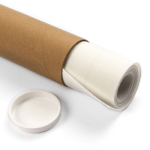
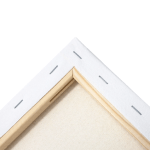


SAMPLES OF QUALITY
Recent Hand-Painted Reproductions
Discover some of our latest oil paintings, each one carefully hand-painted on canvas.

AS SEEN IN


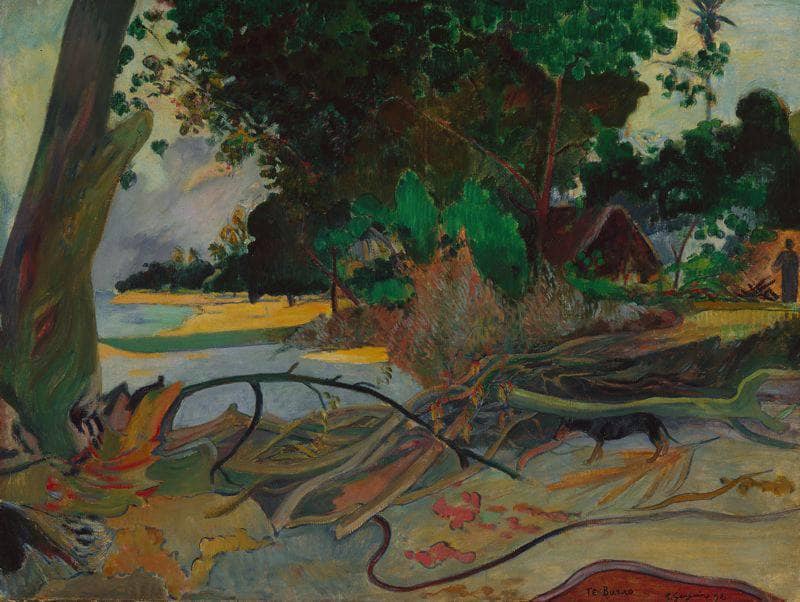
by Paul Gauguin
Handmade Oil Painting on Canvas Art Reproduction, Museum-quality
Original size: the exact size Paul Gauguin painted it.
Not the size you want? Type your width and height and we'll paint it to fit, 12 to 80 in (30 to 203 cm) per side.

The six dominant colors measured from the painting, with the share of canvas each one covers. Click a swatch to copy its hex code.
Processing & Shipping Time
Your delivery time includes two parts:
Shipping Methods
We ship with trusted couriers like FedEx, UPS, and DHL. Every shipment includes a tracking code.
Our goal is to deliver your order safely and quickly.
Shipment Safety Measures
We handle your products with care so they arrive in perfect condition:
Every product is insured and delivered right to your door, so you can feel confident buying from us.
Every Art & See painting is created by artists with 15+ years of experience using professional-grade oil paints and premium linen canvas with UV-resistant protective coating, the same museum-grade materials used in galleries worldwide. Each piece goes through quality review before your approval photos are taken. If after delivery you have any concerns about your painting, contact us at [email protected] and our team will work with you on the best path forward.
Full Warranty
Every painting is protected against physical damage during shipping. If your painting arrives damaged, we repair or replace it, free of charge.
Coverage Details
Transit damage (crushed, torn, water damage): we repair or replace at no cost. Please note that damages resulting from accidents or inappropriate use are not covered under this warranty.
Repair or Replace
Depending on the extent of damage, the affected painting will either be repaired or replaced at no additional cost to you.
Free Service
All warranty services are provided absolutely free of charge.
We want you to absolutely love your handmade artwork. Here's how it works:
In the rare case you approve the photos and the artwork has been shipped and delivered to you, and you still want additional modification requests, we can handle it as a courtesy at our discretion. If accepted, you cover the return shipping cost.
| Type | Hand-Painted Oil Painting Reproduction |
| Original Artist | Paul Gauguin |
| Price Range | $350 to $1,150 |
| Shipping | Free Worldwide |
| Quality | Preview & Approve Before Shipping |
| Medium | Oil on Canvas |
| Canvas | Museum-Grade Linen Canvas |
| Technique | Hand-painted brushstroke-by-brushstroke |
| Art Style | Post Impressionism |
| Period | 19th Century |
| Artist Nationality | French |
| Orientation | Horizontal |
| Subject | Botanicals, Botanicals tree, Landscapes forest, Landscapes river |
| Available Sizes | 8 (20'' W × 15'' H to 68'' W × 51'' H, including the original size), plus custom sizes |
| Framing Options | Unframed, Stretched Canvas, Classic & Modern Frames |
| Delivery | 14–28 business days |
| Size | 90.7 × 68 cm (35.5 × 27 in) |
| Year | 1892 |
The hibiscus flower holds deep significance in Polynesian culture, symbolizing beauty, love, and the spirit of the islands. In Gauguin's painting, the hibiscus tree stands as a vibrant representation of the lush tropical landscape of Tahiti. This flower often appears in traditional ceremonies and is associated with femininity and sensuality, reflecting the artist's fascination with the local culture.
Paul Gauguin left France in search of a more authentic life and artistic inspiration. His journey to Tahiti in 1891 marked a pivotal moment in his career. He sought to escape the constraints of European society and immerse himself in the rich, colorful world of Polynesia. This move profoundly influenced his artistic style and subject matter, leading to the creation of iconic works like The Hibiscus Tree.
Gauguin's work reflects the transition from Impressionism to Post-Impressionism. He moved away from the fleeting effects of light and color typical of Impressionism. Instead, he focused on bold colors and emotional depth. The Hibiscus Tree showcases his unique approach, blending vibrant hues with symbolic meaning, creating a powerful visual narrative.
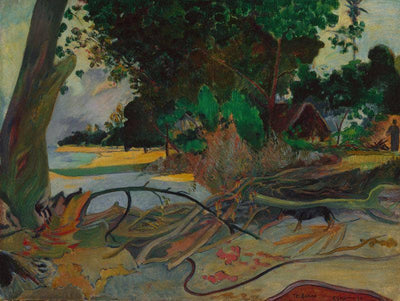
The color palette of The Hibiscus Tree is striking, dominated by rich reds and lush greens. These colors evoke the vibrancy of Tahitian flora and fauna. The bold reds of the hibiscus flowers contrast beautifully with the deep greens of the leaves, creating a dynamic visual experience. This use of color not only captures the viewer's attention but also conveys the emotional intensity of the scene.
Gauguin's composition in The Hibiscus Tree expertly balances natural elements with emotional resonance. The placement of the hibiscus tree draws the eye, inviting viewers to explore the surrounding landscape. This balance reflects Gauguin's belief in the interconnectedness of nature and human emotion, a theme prevalent throughout his Tahitian works.
Gauguin's brushwork in The Hibiscus Tree is distinctive and expressive. He employed thick, textured strokes that add depth and dimension to the painting. This technique enhances the vibrancy of the colors and creates a sense of movement within the foliage. His unique style sets him apart from his contemporaries, making his works instantly recognizable.
In The Hibiscus Tree, nature serves as a mirror for inner peace and tranquility. The serene setting invites contemplation and introspection. Gauguin believed that the beauty of the natural world could lead to spiritual enlightenment, a theme that resonates deeply in this artwork.
Gauguin's fascination with the exotic allure of the South Seas is evident in The Hibiscus Tree. He sought to capture the essence of Tahitian life, portraying its beauty and simplicity. This exploration of exoticism reflects his desire to escape Western civilization and embrace a more primal, authentic existence.
While The Hibiscus Tree primarily focuses on the natural landscape, the presence of human figures often symbolizes the connection between humanity and nature. Gauguin frequently depicted local people in harmony with their environment, emphasizing the importance of this relationship in his artistic vision.
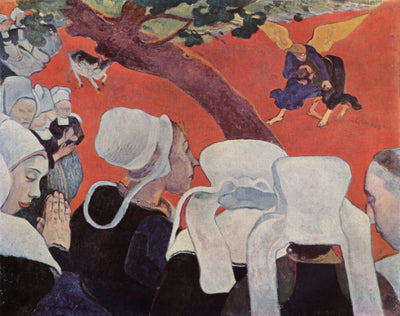
In contrast to The Hibiscus Tree, Gauguin's Vision After the Sermon explores spiritual themes through a more abstract lens. While both works showcase his bold use of color, The Hibiscus Tree emphasizes the beauty of the natural world, whereas Vision After the Sermon delves into the complexities of faith and perception.
Both The Hibiscus Tree and Where Do We Come From? What Are We? Where Are We Going? reflect Gauguin's quest for meaning in life. They share a vibrant color palette and a focus on existential themes. However, The Hibiscus Tree is more rooted in the tangible beauty of nature, while the latter work grapples with profound philosophical questions.
Gauguin's style evolved significantly from his early works to his later Tahitian paintings. The Hibiscus Tree represents a mature phase of his artistic journey, showcasing his mastery of color and form. This evolution highlights his growing interest in the emotional and symbolic aspects of art, moving beyond mere representation.
The Hibiscus Tree has left a lasting impact on modern art movements, influencing artists who seek to explore color and emotion. Gauguin's innovative use of color and form paved the way for Expressionism and Fauvism. His work continues to inspire contemporary artists who embrace bold colors and emotional depth.
Today, The Hibiscus Tree remains a favorite among art collectors and enthusiasts. Its vibrant colors and emotional resonance attract contemporary artists who admire Gauguin's ability to convey complex themes through simple forms. The painting's legacy endures, making it a significant piece in the art world.
Since its creation, The Hibiscus Tree has been featured in numerous exhibitions worldwide. Art lovers and critics alike have praised its beauty and emotional depth. The painting's public reception has solidified its status as a masterpiece, ensuring its place in art history.
The Hibiscus Tree is significant as it represents Gauguin's exploration of Tahitian culture and his departure from European artistic conventions. It captures the essence of his quest for authenticity and beauty in a foreign land.
The painting reflects Gauguin's belief in the power of color and emotion. He sought to express deeper truths through his art, moving beyond mere representation to convey the spiritual connection between humanity and nature.
Main themes include the beauty of nature, the search for inner peace, and the connection between humans and their environment. The hibiscus flower symbolizes love and femininity, adding layers of meaning to the work.
The Hibiscus Tree is part of various collections and may be displayed in major art museums. Check local exhibitions or museum websites for current displays of Gauguin's work.
Gauguin used thick brushstrokes and a vibrant color palette to create depth and emotion. His unique approach to composition and color set him apart from his contemporaries, making his work instantly recognizable.
Art reproductions of The Hibiscus Tree capture the vibrant colors and textures of the original painting. Unlike prints, which can lack depth, high-quality reproductions offer a more authentic experience, allowing you to appreciate Gauguin's artistry in your own space.
When purchasing a reproduction, consider the quality of materials, the accuracy of colors, and the reputation of the artist or company creating the reproduction. A well-crafted reproduction can bring the beauty of Gauguin's work into your home.

Discover some of our latest oil paintings, each one carefully hand-painted on canvas.
At Art & See, we're committed to delivering the highest quality art reproductions. Our team of expert artists and state-of-the-art processes ensure that each piece is a masterpiece in its own right.

Experience your masterpiece's creation through daily photos from our expert artists, each with 15+ years of experience.

Your artwork travels first class via UPS, FedEx, or DHL, protected by museum-grade packaging for safe delivery.

Review unedited photos of your finished painting and request unlimited free revisions before it ships. We only ship when you say it's perfect.

Every piece is crafted with archival materials, UV-resistant finishes, and premium British paints to last generations.
Yes, 100% hand-painted with oil on canvas by artists with 15+ years of experience. No prints, no digital shortcuts. You'll see and feel real brushstrokes, just like the original Paul Gauguin masterpiece.
Your The Hibiscus Tree reproduction takes 2–5 weeks to hand-paint depending on size and detail. Once approved, shipping takes 5–8 days via FedEx, UPS, or DHL with full tracking. Free worldwide shipping included.
Absolutely. Once your The Hibiscus Tree is complete, we send you unedited photos, a full view and close-up details. Request unlimited free revisions until you're 100% satisfied. We don't ship until you say "yes."
Every painting goes through our Preview & Approve process: you receive unedited photos of your finished Paul Gauguin reproduction and can request unlimited free revisions before it ships. We only ship when you say it's perfect. If after delivery you have any concerns, contact us at [email protected] and our team will work with you on the best path forward.
Professional-grade oil paints (Windsor & Newton) on premium linen canvas with UV-resistant protective coating. Museum-grade materials built to last generations, the same quality used in galleries worldwide.
Our artists specialize in Paul Gauguin's technique: color accuracy, brushwork, and composition are matched to the original. Every reproduction goes through quality review before your approval photos are taken.
Every painting is insured and delivered door-to-door. Unframed paintings ship in protective hard tubes. Framed paintings are bubble-wrapped in sturdy boxes. If anything arrives damaged, we repair or replace it free.
Dive into the vibrant world of Historic Art. Discover your next painting today.