4.9/5
4.9/5







SAMPLES OF QUALITY
Recent Hand-Painted Reproductions
Discover some of our latest oil paintings, each one carefully hand-painted on canvas.

AS SEEN IN






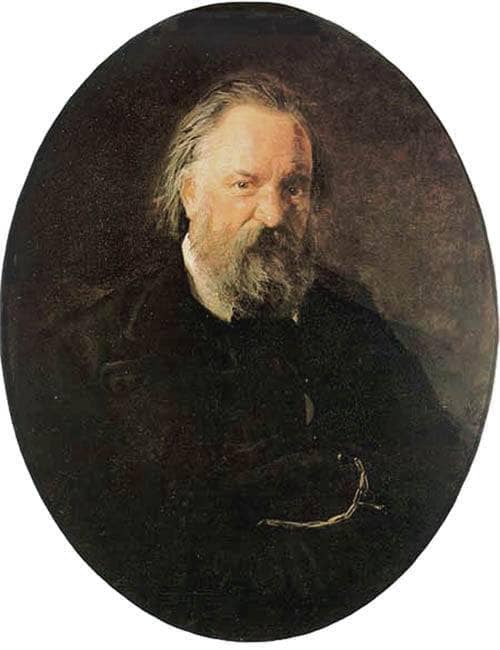
by Nikolai Ge
Handmade Oil Painting on Canvas Art Reproduction, Museum-quality

The six dominant colors measured from the painting, with the share of canvas each one covers. Click a swatch to copy its hex code.
Processing & Shipping Time
Your delivery time includes two parts:
Shipping Methods
We ship with trusted couriers like FedEx, UPS, and DHL. Every shipment includes a tracking code.
Our goal is to deliver your order safely and quickly.
Shipment Safety Measures
We handle your products with care so they arrive in perfect condition:
Every product is insured and delivered right to your door, so you can feel confident buying from us.
Every Art & See painting is created by artists with 15+ years of experience using professional-grade oil paints and premium linen canvas with UV-resistant protective coating, the same museum-grade materials used in galleries worldwide. Each piece goes through quality review before your approval photos are taken. If after delivery you have any concerns about your painting, contact us at [email protected] and our team will work with you on the best path forward.
Full Warranty
Every painting is protected against physical damage during shipping. If your painting arrives damaged, we repair or replace it, free of charge.
Coverage Details
Transit damage (crushed, torn, water damage): we repair or replace at no cost. Please note that damages resulting from accidents or inappropriate use are not covered under this warranty.
Repair or Replace
Depending on the extent of damage, the affected painting will either be repaired or replaced at no additional cost to you.
Free Service
All warranty services are provided absolutely free of charge.
We want you to absolutely love your handmade artwork. Here's how it works:
In the rare case you approve the photos and the artwork has been shipped and delivered to you, and you still want additional modification requests, we can handle it as a courtesy at our discretion. If accepted, you cover the return shipping cost.
| Type | Hand-Painted Oil Painting Reproduction |
| Original Artist | Nikolai Ge |
| Price Range | $350 to $1,150 |
| Shipping | Free Worldwide |
| Quality | Preview & Approve Before Shipping |
| Medium | Oil on Canvas |
| Canvas | Museum-Grade Linen Canvas |
| Technique | Hand-painted brushstroke-by-brushstroke |
| Art Style | Realism |
| Period | 19th Century |
| Artist Nationality | Russian |
| Orientation | Vertical |
| Subject | Portraits, Portraits male |
| Available Sizes | 7 (16'' W × 20'' H to 52'' W × 66'' H, including the original size), plus custom sizes |
| Framing Options | Unframed, Stretched Canvas, Classic & Modern Frames |
| Delivery | 14–28 business days |
| Size | 63 × 79.5 cm (25 × 31.5 in) |
| Year | 1867 |
Alexander Herzen, often hailed as the Father of Russian Socialism, played a pivotal role in shaping modern Russian thought. Born in 1812, he became a prominent writer and political thinker, advocating for social reform and individual rights. His literary works, such as "My Past and Thoughts," reflect his deep commitment to freedom and justice, influencing generations of Russian intellectuals and revolutionaries.
Herzen's ideas challenged the status quo, promoting the concept of the "narod," or the people, as the driving force for change. His belief in the power of the masses resonated throughout the tumultuous 19th century, making him a key figure in the revolutionary movements that followed. His legacy continues to inspire contemporary discussions on democracy and social justice.
Nikolai Ge, a celebrated Russian painter, was instrumental in capturing the essence of 19th-century Russia through his art. His portrait of Herzen not only showcases the subject's intellectual depth but also reflects the broader cultural and political currents of the time. Ge's ability to convey the spirit of his era through his brushstrokes and color choices makes this portrait a significant historical artifact.
Ge's artistic journey was marked by his commitment to realism and emotional expression. He sought to portray his subjects with authenticity, making his works resonate with viewers on a personal level. This dedication to capturing the human experience is evident in his portrayal of Herzen, where the artist skillfully blends realism with a profound sense of character.
Nikolai Ge employed masterful oil painting techniques that brought his subjects to life. His brushwork is characterized by a delicate balance of precision and fluidity, allowing for intricate details while maintaining a sense of movement. The rich color palette he used in Herzen's portrait enhances the emotional depth of the piece, with warm earth tones contrasting against cooler shades to create a dynamic visual experience.
Ge's choice of colors not only highlights the physical features of Herzen but also evokes the intellectual and emotional weight of his character. The interplay of light and shadow in the painting adds a three-dimensional quality, drawing viewers into the world of the subject.
The composition of Herzen's portrait is thoughtfully arranged to emphasize the subject's contemplative nature. Ge places Herzen slightly off-center, inviting viewers to engage with the painting and consider the thoughts that occupy the author's mind. The strategic use of lighting further enhances the emotional impact, casting a soft glow that illuminates Herzen's face while leaving the background in shadow.
This technique not only creates depth but also symbolizes the inner struggles and aspirations of Herzen as a thinker and activist. The overall effect is a powerful representation of a man deeply engaged in the pursuit of truth and justice.
Herzen's portrait is rich with symbolism, particularly in its representation of freedom and individualism. The thoughtful expression on Herzen's face conveys a sense of introspection and determination, embodying the ideals he championed throughout his life. Ge's portrayal captures the essence of a man who dared to challenge oppressive systems and advocate for the rights of the individual.
The background elements, though subtle, contribute to the overall theme of liberation. They serve as a reminder of the societal constraints that Herzen sought to dismantle, making the portrait not just a likeness but a powerful statement on the importance of personal and political freedom.
Color plays a crucial role in conveying the emotional landscape of Herzen's character. The warm hues used in the portrait evoke feelings of warmth and approachability, while cooler tones suggest a sense of seriousness and contemplation. This duality reflects the complexity of Herzen's personality as both a passionate advocate for change and a reflective thinker.
Ge's skillful manipulation of color invites viewers to connect with Herzen on a deeper level, allowing them to feel the weight of his thoughts and the intensity of his convictions.
When comparing Ge's portrait of Herzen to the works of other 19th-century portrait artists, distinct differences emerge. While many artists of the time focused on idealized representations, Ge embraced realism, capturing the true essence of his subjects. His approach stands in contrast to the more romanticized styles of contemporaries like Ivan Kramskoy and Ilya Repin.
Ge's commitment to authenticity and emotional depth sets his work apart, making his portraits resonate with a sense of immediacy and relevance that continues to captivate audiences today.
Other artists have also depicted Alexander Herzen, each bringing their unique perspective to his image. For instance, Repin's portrayal of Herzen emphasizes his role as a revolutionary thinker, while other artists may focus on his literary contributions. These varying interpretations highlight the multifaceted nature of Herzen's legacy and the different ways in which he has inspired artists across generations.
Ge's interpretation, however, remains one of the most profound, capturing not just the likeness of Herzen but the very spirit of his ideals and struggles.
Herzen's influence extends far beyond his lifetime, shaping modern Russian thought and political discourse. His advocacy for social justice and individual rights resonates in contemporary discussions about democracy and civil liberties. Many modern Russian thinkers and activists draw inspiration from Herzen's writings and ideals, continuing his legacy of challenging oppression.
His vision of a society where the voice of the people matters remains relevant, making his contributions to literature and politics a cornerstone of Russian intellectual history.
Contemporary artists and writers often reference Herzen's work and philosophy in their own creations. His commitment to social change and the exploration of personal identity inspire a new generation of creators. The themes of freedom, individuality, and the quest for truth that Herzen championed continue to find expression in modern art and literature.
As artists grapple with the complexities of today's world, Herzen's legacy serves as a guiding light, encouraging them to engage with social issues and reflect on the human experience.
Portraiture in the 19th century served as a powerful medium for expressing social and political ideas. Artists like Nikolai Ge used their work to comment on the cultural climate of their time, often portraying influential figures who shaped public discourse. Portraits became a way to immortalize leaders, thinkers, and revolutionaries, allowing their legacies to endure through visual art.
Ge's portrait of Herzen exemplifies this trend, capturing not just the likeness of a man but the essence of a movement that sought to redefine society.
Portraits also play a crucial role in reflecting personal and national identity. They serve as visual narratives that tell the stories of individuals and their contributions to society. In the case of Herzen, Ge's portrait encapsulates the spirit of a nation grappling with change and the quest for identity amidst political upheaval.
Through the lens of portraiture, viewers gain insight into the values, struggles, and aspirations of a society, making these artworks invaluable historical documents.
Alexander Herzen's portrait by Nikolai Ge is historically significant as it captures the essence of a key figure in Russian socialism. It reflects the intellectual and political currents of 19th-century Russia, showcasing Herzen's influence on literature and social reform.
Nikolai Ge's style emphasized realism and emotional depth, setting a new standard for the portrayal of political figures. His approach allowed viewers to connect with subjects on a personal level, making political art more relatable and impactful.
The portrait of Herzen evokes a range of emotions, including introspection, determination, and a sense of urgency. Ge's use of color and composition enhances these feelings, inviting viewers to engage with Herzen's complex character.
Yes, the portrait of Alexander Herzen has been featured in various exhibitions focused on 19th-century Russian art. These exhibitions highlight Ge's contributions to portraiture and the cultural significance of his subjects.
The key elements that make this portrait unique include Ge's masterful use of color, his realistic portrayal of Herzen's character, and the emotional depth conveyed through composition and lighting. These aspects combine to create a powerful representation of a revolutionary thinker.
Reproductions of this painting are superior to prints, as they capture the intricate details and textures of the original oil painting. A high-quality reproduction allows art lovers to appreciate the depth and richness of Ge's work in their own homes.
Before purchasing a reproduction of Herzen's portrait, consider the quality of the materials used and the reputation of the artist or company creating the reproduction. Look for options that use high-quality canvas and paints to ensure the artwork retains the vibrancy and detail of the original.

Discover some of our latest oil paintings, each one carefully hand-painted on canvas.
At Art & See, we're committed to delivering the highest quality art reproductions. Our team of expert artists and state-of-the-art processes ensure that each piece is a masterpiece in its own right.

Experience your masterpiece's creation through daily photos from our expert artists, each with 15+ years of experience.

Your artwork travels first class via UPS, FedEx, or DHL, protected by museum-grade packaging for safe delivery.

Review unedited photos of your finished painting and request unlimited free revisions before it ships. We only ship when you say it's perfect.

Every piece is crafted with archival materials, UV-resistant finishes, and premium British paints to last generations.
Yes, 100% hand-painted with oil on canvas by artists with 15+ years of experience. No prints, no digital shortcuts. You'll see and feel real brushstrokes, just like the original Nikolai Ge masterpiece.
Your Portrait of the Author Alexander Herzen reproduction takes 2–5 weeks to hand-paint depending on size and detail. Once approved, shipping takes 5–8 days via FedEx, UPS, or DHL with full tracking. Free worldwide shipping included.
Absolutely. Once your Portrait of the Author Alexander Herzen is complete, we send you unedited photos, a full view and close-up details. Request unlimited free revisions until you're 100% satisfied. We don't ship until you say "yes."
Every painting goes through our Preview & Approve process: you receive unedited photos of your finished Nikolai Ge reproduction and can request unlimited free revisions before it ships. We only ship when you say it's perfect. If after delivery you have any concerns, contact us at [email protected] and our team will work with you on the best path forward.
Professional-grade oil paints (Windsor & Newton) on premium linen canvas with UV-resistant protective coating. Museum-grade materials built to last generations, the same quality used in galleries worldwide.
Our artists specialize in Nikolai Ge's technique: color accuracy, brushwork, and composition are matched to the original. Every reproduction goes through quality review before your approval photos are taken.
Every painting is insured and delivered door-to-door. Unframed paintings ship in protective hard tubes. Framed paintings are bubble-wrapped in sturdy boxes. If anything arrives damaged, we repair or replace it free.
Dive into the vibrant world of Historic Art. Discover your next painting today.