Exploring the Historical Significance of Hendrick Bicker
Who Was Hendrick Bicker? A Glimpse into Amsterdam's Golden Age
Hendrick Bicker was a prominent figure during Amsterdam's Golden Age, a period marked by immense wealth and cultural flourishing in the 17th century. Born into a wealthy merchant family, Bicker became a key player in the
city's political landscape. He served as the Burgemeester, or mayor, of Amsterdam, a role that placed him at the center of civic life. His leadership helped shape the city's policies during a time of economic expansion and artistic innovation.
Bicker's family was deeply involved in the Dutch East India Company, which played a crucial role in global trade. This connection to commerce not only elevated his status but also influenced the artistic patronage of the time. Lesser-known facts about Bicker reveal his involvement in the construction of the iconic Amsterdam City Hall, showcasing his commitment to civic pride and urban development.
The Role of Burgemeester: Leadership in 17th Century Amsterdam
As Burgemeester, Bicker wielded significant influence over Amsterdam's governance. His tenure coincided with a period of political intrigue and social change. The role of the Burgemeester was not just administrative; it involved navigating complex relationships with other city leaders and foreign dignitaries. Bicker's ability to maintain stability during turbulent times speaks to his leadership skills and political acumen.
The responsibilities of the Burgemeester included overseeing public works, managing the city's finances, and representing Amsterdam in diplomatic matters. Bicker's
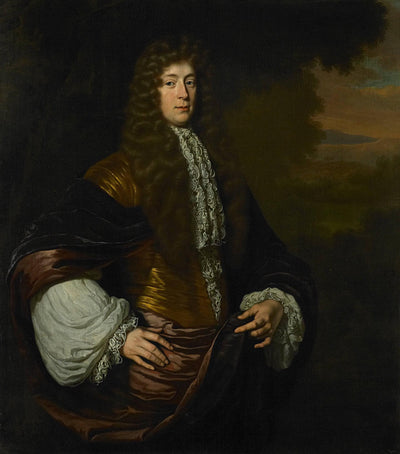
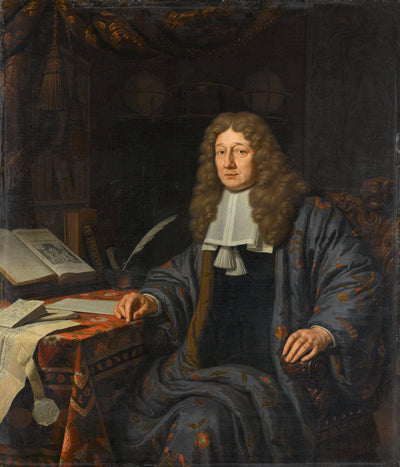
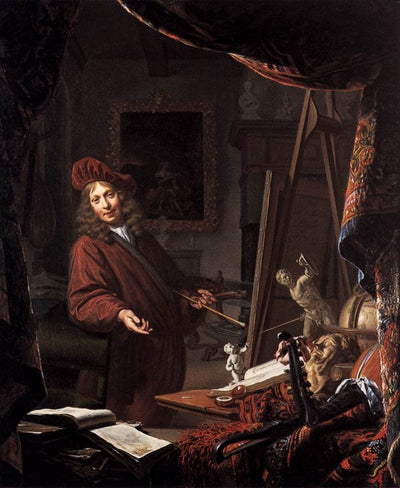
portrait by
Michiel van Musscher captures the essence of his authority and the respect he commanded in the community.
Artistic Context: The Influence of Dutch Baroque Painting
The painting of Hendrick Bicker is a prime example of Dutch
Baroque art, characterized by its dramatic use of light and shadow, known as chiaroscuro. This style emerged in the 17th century, reflecting the emotional depth and
realism that artists sought to convey. Van Musscher, influenced by his contemporaries, embraced these techniques to create lifelike representations of his subjects.
During this period, portraiture became a significant art form, serving not only as a means of personal expression but also as a reflection of societal values. The detailed rendering of fabrics and textures in Bicker's attire exemplifies the meticulous craftsmanship that defines Dutch Baroque painting.
Unveiling the Masterpiece: Michiel van Musscher's Artistic Techniques
Brushwork and Color Palette: A Study of Van Musscher's Style
Michiel van Musscher's brushwork is both precise and expressive, showcasing his mastery of oil painting. He employed a rich color palette that includes deep blues, warm browns, and vibrant reds, which enhance the regal appearance of Bicker. The interplay of colors creates a sense of depth and dimension, drawing viewers into the portrait.
Van Musscher's technique involved layering glazes to achieve luminosity, a hallmark of his style. This method allows for subtle variations in tone, giving the painting a dynamic quality that captures the viewer's attention.
Composition and Perspective: How the Painting Captures Authority
The composition of Bicker's portrait is carefully arranged to convey a sense of authority and dignity. Van Musscher positioned Bicker slightly off-center, creating a dynamic balance that draws the eye. The use of perspective enhances the three-dimensionality of the figure, making him appear larger than life.
The background, often understated in portraits of this era, serves to highlight Bicker's stature. The inclusion of symbolic elements, such as the mayoral chain, reinforces his position of power within the community.
Symbolism in Portraiture: Decoding the Elements in Bicker's Portrait
Symbolism plays a crucial role in the portrait of Hendrick Bicker. The intricate details of his attire, including the lace collar and embroidered coat, signify wealth and status. The mayoral chain, prominently displayed, serves as a visual representation of his authority and civic responsibility.
Additionally, the choice of colors and the expression on Bicker's face convey confidence and determination. These elements work together to create a powerful image that reflects not only Bicker's personal identity but also the values of 17th-century Dutch society.
The Cultural Impact of Hendrick Bicker's Portrait
Reflections of Power: The Significance of Portraiture in Dutch Society
Portraiture in 17th-century Holland was more than just art; it was a means of communicating power and prestige. Bicker's portrait exemplifies this trend, as it was intended to immortalize his legacy and influence. The portrayal of civic leaders in grand attire served to reinforce their status in society.
These portraits were often displayed in public spaces, allowing citizens to connect with their leaders visually. Bicker's image would have been a source of inspiration and pride for the people of Amsterdam, reflecting the city's values and aspirations.
Legacy of Hendrick Bicker: Influence on Future Generations
Hendrick Bicker's legacy extends beyond his political achievements. His portrait has inspired countless artists and leaders throughout history. The way he is depicted in art has set a standard for how civic leaders are portrayed, emphasizing dignity and authority.
Future generations of artists have drawn from Van Musscher's techniques, incorporating elements of realism and symbolism in their own works. Bicker's influence can be seen in the way leaders are represented in modern portraiture, where the balance of power and personality remains a focal point.
Art as a Political Tool: The Role of Portraits in Governance
Portraits like Bicker's served as powerful political tools. They were used to communicate messages of stability and leadership to the public. In a time when visual representation was crucial, these artworks helped solidify the connection between the leader and the community.
The portrayal of Bicker in such a grand manner reflects the importance of visual culture in governance. It highlights how art can shape public perception and influence political narratives.
Comparative Analysis: Hendrick Bicker vs. Other Notable Portraits
Contrasting Styles: Van Musscher and His Contemporaries
When comparing Van Musscher's work to that of his contemporaries, distinct differences emerge. While artists like
Rembrandt focused on emotional depth and
dramatic lighting, Van Musscher emphasized clarity and detail. His portraits often feature a more polished and refined aesthetic, showcasing the sitter's status.
This contrast highlights the diversity of styles within Dutch Baroque painting. Each artist brought their unique perspective, contributing to the rich tapestry of 17th-century art.
Iconic Portraits of the Era: Similarities and Differences
Iconic portraits from the same era, such as those by
Frans Hals and
Johannes Vermeer, share thematic elements with Bicker's portrait. All these works reflect the societal values of their time, yet they differ in execution. Hals often captured spontaneity and movement, while Vermeer focused on intimate domestic scenes.
Bicker's portrait stands out for its formal composition and emphasis on authority, making it a significant representation of civic leadership.
Influence of Bicker's Portrait on Later Artists
The impact of Bicker's portrait on later artists cannot be overstated. His dignified representation set a precedent for how leaders were depicted in art. Artists in the 18th and 19th centuries drew inspiration from Van Musscher's techniques, incorporating similar elements of grandeur and symbolism in their own portraits.
This legacy continues to influence contemporary portraiture, where the balance of personal identity and public persona remains a vital theme.
Visiting the Original: Where to Experience Hendrick Bicker's Portrait
Amsterdam's Art Scene: Museums and Galleries Featuring Van Musscher
To experience the original portrait of Hendrick Bicker, visitors can explore Amsterdam's vibrant art scene. The Rijksmuseum houses an impressive collection of Dutch masterpieces, including works by Michiel van Musscher. This museum is a must-visit for art enthusiasts seeking to immerse themselves in the Golden Age of Dutch painting.
Additionally, smaller galleries throughout the city often feature exhibitions dedicated to Dutch Baroque artists, providing a more intimate setting to appreciate their work.
Art Exhibitions: Current and Upcoming Displays of Dutch Masters
Art exhibitions showcasing Dutch masters frequently occur in Amsterdam. These events offer a unique opportunity to view Bicker's portrait alongside other significant works from the era. Attending these exhibitions allows visitors to gain deeper insights into the artistic context and cultural significance of the time.
Stay updated on current and upcoming displays through museum websites and local art news to ensure you don't miss these enriching experiences.
Virtual Tours: Exploring the Painting from Home
For those unable to visit Amsterdam, virtual tours provide an excellent alternative. Many museums offer online access to their collections, allowing art lovers to explore Bicker's portrait from the comfort of their homes. These digital experiences often include detailed descriptions and analyses, enhancing your understanding of the artwork.
Virtual tours make it possible to appreciate the intricacies of Van Musscher's techniques and the historical context of the painting, bridging the gap between art and accessibility.
Frequently Asked Questions about Hendrick Bicker's Portrait
What is the historical context of Hendrick Bicker's portrait?
Hendrick Bicker's portrait reflects the political and cultural climate of 17th-century Amsterdam, a time of prosperity and artistic achievement. It captures the essence of civic leadership during the Dutch Golden Age.
What techniques did Michiel van Musscher use in this painting?
Van Musscher employed oil painting techniques, utilizing chiaroscuro for depth and a rich color palette to enhance the lifelike quality of the portrait. His meticulous brushwork showcases his skill in capturing detail.
How does this portrait reflect the values of 17th century Amsterdam?
The portrait embodies the values of authority, wealth, and civic duty prevalent in 17th-century Amsterdam. Bicker's attire and demeanor convey the importance of leadership in a thriving society.
What are the notable features of Hendrick Bicker's attire in the painting?
Bicker's attire features a lavish lace collar, an embroidered coat, and the mayoral chain, all symbolizing his high status and authority within the community. These details highlight the fashion of the era.
How has Hendrick Bicker's legacy influenced modern art?
Bicker's legacy has influenced modern portraiture by setting standards for how leaders are depicted. His portrayal emphasizes the balance of personal identity and public persona, a theme still relevant today.
What should I know about the reproduction of this painting?
Reproductions of Bicker's portrait offer a superior alternative to prints. They capture the texture and depth of the original oil painting, allowing art lovers to appreciate the details and craftsmanship.
Are there any notable differences between the original and its reproductions?
While reproductions strive to replicate the original, subtle differences may exist in color vibrancy and texture. However, high-quality reproductions can closely mimic the essence of Van Musscher's techniques, making them a valuable addition to any art collection.
 4.9/5
4.9/5