4.9/5
4.9/5






SAMPLES OF QUALITY
Recent Hand-Painted Reproductions
Discover some of our latest oil paintings, each one carefully hand-painted on canvas.

AS SEEN IN





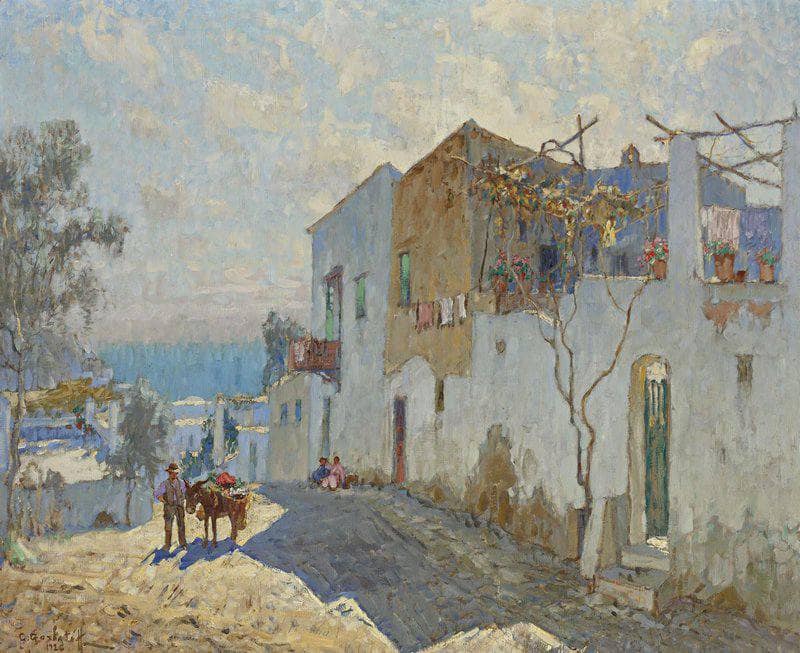
Handmade Oil Painting on Canvas Art Reproduction, Museum-quality

The six dominant colors measured from the painting, with the share of canvas each one covers. Click a swatch to copy its hex code.
Processing & Shipping Time
Your delivery time includes two parts:
Shipping Methods
We ship with trusted couriers like FedEx, UPS, and DHL. Every shipment includes a tracking code.
Our goal is to deliver your order safely and quickly.
Shipment Safety Measures
We handle your products with care so they arrive in perfect condition:
Every product is insured and delivered right to your door, so you can feel confident buying from us.
Every Art & See painting is created by artists with 15+ years of experience using professional-grade oil paints and premium linen canvas with UV-resistant protective coating, the same museum-grade materials used in galleries worldwide. Each piece goes through quality review before your approval photos are taken. If after delivery you have any concerns about your painting, contact us at [email protected] and our team will work with you on the best path forward.
Full Warranty
Every painting is protected against physical damage during shipping. If your painting arrives damaged, we repair or replace it, free of charge.
Coverage Details
Transit damage (crushed, torn, water damage): we repair or replace at no cost. Please note that damages resulting from accidents or inappropriate use are not covered under this warranty.
Repair or Replace
Depending on the extent of damage, the affected painting will either be repaired or replaced at no additional cost to you.
Free Service
All warranty services are provided absolutely free of charge.
We want you to absolutely love your handmade artwork. Here's how it works:
In the rare case you approve the photos and the artwork has been shipped and delivered to you, and you still want additional modification requests, we can handle it as a courtesy at our discretion. If accepted, you cover the return shipping cost.
| Type | Hand-Painted Oil Painting Reproduction |
| Original Artist | Konstantin Gorbatov |
| Price Range | $299.95 to $1,299.95 |
| Shipping | Free Worldwide |
| Returns | 90-Day Returns |
| Medium | Oil on Canvas |
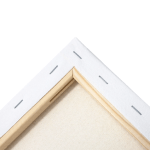
| Canvas | Museum-Grade Linen Canvas |
| Technique | Hand-painted brushstroke-by-brushstroke |
| Art Style | Post Impressionism |
| Period | 1920 Century |
| Artist Nationality | Russian |
| Orientation | Horizontal |
| Subject | Landscapes urban |
| Available Sizes | 7 (20'' W × 16'' H to 72'' W × 48'' H) |
| Framing Options | Unframed, Stretched Canvas, Classic & Modern Frames |
| Delivery | 14–28 business days |
Konstantin Gorbatov, born in 1876 in the vibrant city of Nizhny Novgorod, was a prominent figure in Russian art. His early exposure to the rich cultural heritage of Russia shaped his artistic vision. Gorbatov studied at the prestigious Moscow School of Painting, Sculpture, and Architecture, where he honed his skills and developed a passion for capturing the beauty of nature.
Gorbatov's work was significantly influenced by the Russian Impressionist movement, which emphasized the effects of light and color. This movement encouraged artists to explore the interplay between nature and human experience. Gorbatov embraced these ideas, blending them with his unique perspective to create captivating landscapes that resonate with viewers.
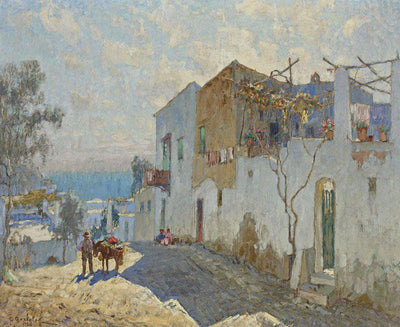
Known for his masterful use of oil paints, Gorbatov employed techniques such as layering and glazing to achieve depth and luminosity in his works. His signature style combines realism with a touch of impressionism, allowing him to convey the essence of a moment in time. This approach is vividly evident in "A Hot Day," where the vibrant colors and dynamic brushwork bring the scene to life.
"A Hot Day" bursts with a lively color palette that captures the essence of a sun-drenched summer afternoon. The warm yellows, rich greens, and deep blues create a harmonious balance, inviting viewers to immerse themselves in the scene. Gorbatov's choice of colors evokes feelings of warmth and joy, making the painting a celebration of nature's beauty.
The composition of "A Hot Day" skillfully balances light and shadow, drawing the viewer's eye across the canvas. Gorbatov's strategic placement of figures and elements creates a sense of movement and life. The interplay of sunlight filtering through the trees adds a dynamic quality, enhancing the overall atmosphere of the painting.
In "A Hot Day," Gorbatov captures a serene moment of leisure in nature. The painting depicts people enjoying a sunny day, engaging in activities that reflect the simplicity and beauty of life. This focus on everyday moments resonates with viewers, reminding them of their own experiences in nature.
The heat of the day symbolizes relaxation and the joy of summer. Gorbatov's portrayal of leisure activities invites viewers to reflect on their own connections to nature. The painting serves as a reminder of the importance of taking time to enjoy the beauty around us.
"A Hot Day" evokes a sense of tranquility and warmth. The vibrant colors and lively scene create an emotional connection, allowing viewers to feel the heat of the sun and the joy of summer. This emotional resonance makes the painting a cherished piece in the realm of art.
Gorbatov masterfully contrasts the stillness of nature with the lively activities of people. This juxtaposition highlights the harmony between human life and the natural world. The painting encourages viewers to appreciate the balance between leisure and the beauty of the environment.
The early 20th century was a transformative period for Russian art. Artists began to break away from traditional styles, embracing new techniques and themes. Gorbatov was at the forefront of this movement, contributing to the evolution of Russian art with his unique interpretations of nature.
As Russia underwent significant societal changes, artists like Gorbatov reflected these shifts in their work. The rise of urbanization and the changing landscape of Russian society influenced Gorbatov's focus on nature and leisure, capturing the essence of a simpler, more connected way of life.
Gorbatov played a vital role in the Russian art scene, participating in numerous exhibitions and gaining recognition for his contributions. His works, including "A Hot Day," showcased his ability to blend traditional techniques with modern themes, making him a respected figure among his contemporaries.
Gorbatov's use of oil painting techniques, such as layering and glazing, adds richness to "A Hot Day." These methods allow for a depth of color and texture that enhances the overall visual experience. The careful application of paint creates a sense of realism that draws viewers into the scene.
The texture in "A Hot Day" is palpable, with Gorbatov's brushwork creating a three-dimensional quality. The varied brush strokes convey the movement of leaves and the softness of the figures, inviting viewers to explore the painting's surface. This attention to texture elevates the artwork beyond a mere representation of a summer day.
Gorbatov's ability to capture light is a hallmark of his work. In "A Hot Day," he skillfully depicts sunlight filtering through the trees, creating dappled patterns on the ground. This technique not only enhances the realism of the scene but also adds a magical quality that captivates the viewer.
Many of Gorbatov's works explore themes of nature and leisure, similar to "A Hot Day." His focus on the beauty of the natural world and the joy of human connection is a recurring motif throughout his portfolio. This consistency highlights his dedication to capturing the essence of life.
While Gorbatov's other works share thematic elements with "A Hot Day," this painting stands out due to its vibrant color palette and dynamic composition. The lively scene and emotional resonance make it a unique piece that showcases Gorbatov's artistic prowess.
Gorbatov was influenced by various artists, including the Impressionists and Russian landscape painters. Their emphasis on light and color inspired him to develop his own style, which is evident in "A Hot Day." This blending of influences creates a rich tapestry of artistic expression.
To appreciate "A Hot Day," consider the mood it evokes. The warm colors and lively scene create an atmosphere of joy and relaxation. Reflecting on your own experiences in nature can deepen your connection to the painting.
When viewing "A Hot Day," take your time to explore the details. Notice the brushwork, the interplay of light and shadow, and the emotions conveyed by the figures. Engaging with the painting on a personal level can enhance your appreciation of Gorbatov's artistry.
Consider what "A Hot Day" means to you personally. Does it remind you of a summer day spent outdoors? Does it evoke feelings of nostalgia or joy? Reflecting on your own connections to the painting can enrich your experience and understanding of Gorbatov's work.
"A Hot Day" captures a moment of leisure in nature, reflecting Gorbatov's love for the outdoors and the beauty of summer. The painting invites viewers to experience the warmth and joy of a sunny day.
Gorbatov used oil painting techniques such as layering and glazing to create depth and vibrancy in "A Hot Day." His brushwork adds texture and realism, enhancing the overall visual experience.
The painting reflects the early 20th-century Russian culture, emphasizing leisure and a connection to nature. It captures a simpler way of life, contrasting with the societal changes occurring during that period.
"A Hot Day" evokes feelings of warmth, joy, and relaxation. The vibrant colors and lively scene create an emotional connection, inviting viewers to reflect on their own experiences in nature.
Compared to other summer-themed paintings, "A Hot Day" stands out for its vibrant color palette and dynamic composition. Gorbatov's unique style and emotional resonance make it a memorable piece in the realm of summer art.
When purchasing a reproduction of "A Hot Day," consider the quality of the materials used. Look for high-quality canvas and oil paint reproductions, as they offer a more authentic representation than standard prints.
To ensure the quality of a reproduction, choose a reputable seller who specializes in art reproductions. Look for detailed descriptions and customer reviews to gauge the quality of the artwork.

Discover some of our latest oil paintings, each one carefully hand-painted on canvas.
At Art & See, we're committed to delivering the highest quality art reproductions. Our team of expert artists and state-of-the-art processes ensure that each piece is a masterpiece in its own right.

Experience your masterpiece's creation through daily photos from our expert artists, each with 15+ years of experience.

Your artwork travels first class via UPS, FedEx, or DHL, protected by museum-grade packaging for safe delivery.

Review unedited photos of your finished painting and request unlimited free revisions before it ships. We only ship when you say it's perfect.

Every piece is crafted with archival materials, UV-resistant finishes, and premium British paints to last generations.
Yes, 100% hand-painted with oil on canvas by artists with 15+ years of experience. No prints, no digital shortcuts. You'll see and feel real brushstrokes, just like the original Konstantin Gorbatov masterpiece.
Your A Hot Day, Capri reproduction takes 2–5 weeks to hand-paint depending on size and detail. Once approved, shipping takes 5–8 days via FedEx, UPS, or DHL with full tracking. Free worldwide shipping included.
Absolutely. Once your A Hot Day, Capri is complete, we send you unedited photos, a full view and close-up details. Request unlimited free revisions until you're 100% satisfied. We don't ship until you say "yes."
Every painting goes through our Preview & Approve process: you receive unedited photos of your finished Konstantin Gorbatov reproduction and can request unlimited free revisions before it ships. We only ship when you say it's perfect. If after delivery you have any concerns, contact us at [email protected] and our team will work with you on the best path forward.
Professional-grade oil paints (Windsor & Newton) on premium linen canvas with UV-resistant protective coating. Museum-grade materials built to last generations, the same quality used in galleries worldwide.
Our artists specialize in Konstantin Gorbatov's technique: color accuracy, brushwork, and composition are matched to the original. Every reproduction goes through quality review before your approval photos are taken.
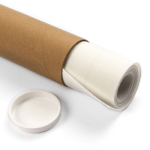
Every painting is insured and delivered door-to-door. Unframed paintings ship in protective hard tubes. Framed paintings are bubble-wrapped in sturdy boxes. If anything arrives damaged, we repair or replace it free.
Dive into the vibrant world of Historic Art. Discover your next painting today.