Exploring the Historical Significance of Nathaniel Sparhawk
The Life and Legacy of Nathaniel Sparhawk
Early Life and Influences on American Society
Nathaniel Sparhawk was born in 1715 in the thriving colonial town of Boston, Massachusetts. He grew up in a period marked by significant social and economic changes. As a member of a prominent merchant family, Sparhawk was influenced by the burgeoning trade networks that connected the American colonies to Europe and the Caribbean. His upbringing in a wealthy household allowed him to engage with influential figures of the time, shaping his views on commerce and governance.
Contributions to the Colonial Economy
Sparhawk played a vital role in the colonial economy as a successful merchant and landowner. He was involved in the lucrative trade of goods such as rum, molasses, and textiles. His business acumen not only contributed to his wealth but also to the economic development of New England. Sparhawk's investments in land and trade helped establish Boston as a key player in the transatlantic economy, making him a significant figure in the colonial landscape.
John Singleton Copley: Master of American Portraiture
Artistic Techniques and Innovations in Copley's Work
John Singleton Copley, born in 1738, emerged as one of America's foremost
portrait painters. His innovative techniques, such as the use of oil paints and meticulous attention to detail, set him apart from his contemporaries. Copley's ability to capture the essence of his subjects through lifelike representations made his portraits highly sought after. He often employed a unique layering technique that added depth and richness to his works.
Copley's Role in Shaping American Art Identity
Copley's contributions to
American art were profound. He helped establish a distinct American identity in portraiture, moving away from European styles. His works reflected the values and aspirations of the colonial elite, showcasing their wealth and social status. Copley's portraits, including that of Nathaniel Sparhawk, became symbols of American pride and individuality during a time of growing national consciousness.
Artistic Elements of Nathaniel Sparhawk's Portrait
Composition and Color Palette: A Study in Contrast
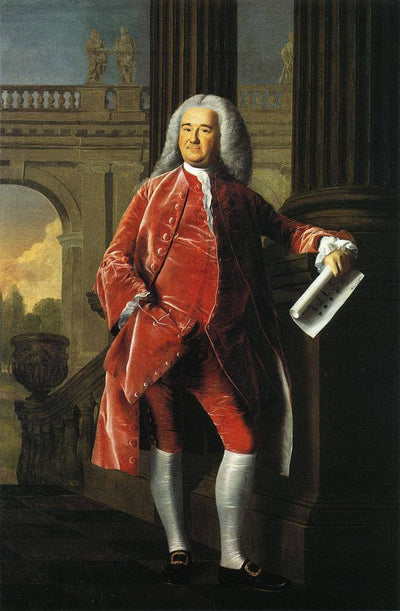
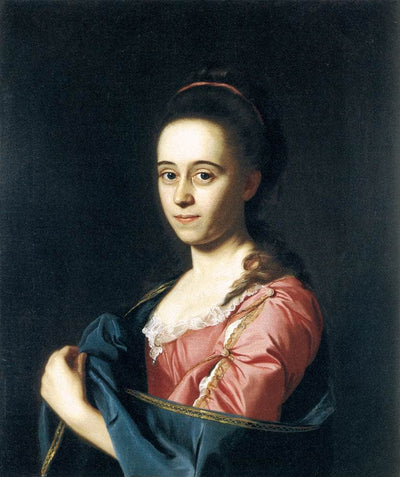
Copley's portrait of Nathaniel Sparhawk features a striking composition that draws the viewer's eye. The use of a rich color palette, including deep blues and warm earth tones, creates a sense of depth and contrast. Copley skillfully balances light and shadow, enhancing the three-dimensional quality of Sparhawk's figure. This technique not only highlights the subject but also adds a dramatic flair to the overall presentation.
Use of Light and Shadow in Copley's Technique
Copley's mastery of chiaroscuro, the interplay of light and shadow, is evident in this portrait. The soft illumination on Sparhawk's face contrasts with the darker background, emphasizing his features and expression. This technique adds emotional weight to the painting, inviting viewers to connect with Sparhawk on a personal level.
Symbolism in Color Choices and Clothing
The colors and clothing in Sparhawk's portrait carry significant
symbolism. The luxurious fabrics and rich colors reflect his status as a successful merchant. The deep blue coat signifies loyalty and stability, while the white cravat suggests purity and sophistication. These choices not only enhance the visual appeal but also communicate Sparhawk's social standing and character.
Facial Expression and Body Language: Capturing Character
Copley's ability to convey emotion through facial expression is one of the hallmarks of his work. In Nathaniel Sparhawk's gaze, there is a blend of confidence and contemplation. This emotional depth invites viewers to ponder Sparhawk's thoughts and experiences, making the portrait more than just a representation; it becomes a window into his soul.
Emotional Depth in Sparhawk's Gaze
Sparhawk's gaze is both penetrating and introspective. Copley captures a moment of reflection, suggesting that Sparhawk is contemplating his role in the rapidly changing world around him. This emotional nuance adds layers to the portrait, making it resonate with viewers across generations.
Posture and Its Significance in Portraiture
The posture of Nathaniel Sparhawk is deliberate and commanding. He stands tall, with a slight turn of the body that conveys both openness and authority. This stance reflects the confidence of a man who has achieved success in a competitive environment. Copley's attention to Sparhawk's body language enhances the narrative of the portrait, showcasing his character and social position.
The Cultural Context of Nathaniel Sparhawk's Portrait
Portraiture in 18th Century America
During the 18th century, portraiture became a vital means of self-expression and social commentary in America. Portraits were not just artistic endeavors; they were statements of identity and status. Wealthy individuals commissioned portraits to showcase their achievements and lineage, making them essential in the cultural fabric of colonial society.
Social Status and Identity Representation
Copley's portraits, including that of Nathaniel Sparhawk, served as visual narratives of social status. They depicted the sitter's wealth, profession, and personal values. In a society where social hierarchy was paramount, these portraits played a crucial role in establishing and maintaining one's identity.
Influence of European Art Movements on American Portraits
The influence of European art movements, particularly
Baroque and
Rococo styles, is evident in American portraiture of the time. Copley blended these influences with his unique American perspective, creating a style that was both sophisticated and distinctly American. This fusion helped elevate American art on the global stage.
Historical Events Surrounding the Painting's Creation
Copley painted Nathaniel Sparhawk's portrait during a tumultuous period in American history. The American Revolution was on the horizon, and the political climate was charged with tension. This backdrop influenced not only the subjects of portraits but also the themes and emotions conveyed in the artwork.
The American Revolution and Its Impact on Art
The impending American Revolution brought a sense of urgency to artistic expression. Portraits began to reflect not just individual identity but also collective aspirations for freedom and independence. Copley's work, including Sparhawk's portrait, captured the spirit of a nation on the brink of change.
Patriotism and Personal Identity in Colonial Portraits
As patriotism surged, portraits became symbols of personal and national identity. Copley's portrayal of Nathaniel Sparhawk embodies this duality. It reflects Sparhawk's individual achievements while also resonating with the broader themes of American identity and pride.
Understanding the Artistic Techniques of Copley
Oil Painting Techniques: Layering and Glazing
Copley's oil painting techniques are characterized by meticulous layering and glazing. He built up layers of paint to create depth and luminosity in his portraits. This method allowed him to achieve a level of
realism that was groundbreaking for his time.
Brushwork and Texture: Creating Realism
Copley's brushwork is both precise and expressive. He used fine brushes to capture intricate details, such as the texture of fabrics and the subtleties of skin tones. This attention to detail contributes to the lifelike quality of his portraits, making them feel almost three-dimensional.
Innovative Use of Color and Light in Portraits
Copley's innovative approach to color and light set a new standard in portrait painting. He skillfully manipulated color to evoke emotion and highlight the subject's personality. His use of light not only illuminated the figures but also created a sense of atmosphere that enhances the viewer's experience.
Comparative Analysis with Other Copley Works
Copley's body of work includes numerous portraits that share similarities with Nathaniel Sparhawk's. His ability to capture the essence of his subjects is a consistent theme across his oeuvre. However, each portrait also reflects the unique character and story of the individual.
Similarities and Differences in Style and Subject Matter
While Copley's style remains consistent, the subjects of his portraits vary widely. Each painting tells a different story, influenced by the sitter's background and personality. Nathaniel Sparhawk's portrait stands out for its emotional depth and historical significance, making it a unique piece within Copley's collection.
Influence of Other Artists on Copley's Techniques
Copley was influenced by European masters such as
Rembrandt and Van Dyck. Their techniques in portraiture inspired Copley to develop his own style, blending European influences with American themes. This cross-pollination of ideas enriched his work and contributed to the evolution of American art.
FAQs about Nathaniel Sparhawk by John Singleton Copley
Common Questions about the Painting
What is the historical significance of Nathaniel Sparhawk's portrait?
Nathaniel Sparhawk's portrait is significant as it reflects the social and economic dynamics of 18th-century America. It showcases the life of a prominent merchant during a pivotal time in American history.
How does Copley's style reflect the era in which he painted?
Copley's style embodies the transition from colonial to revolutionary America. His portraits capture the aspirations and identities of individuals in a society on the brink of change.
What are the key elements that make this portrait unique?
The unique elements of this portrait include Copley's innovative use of light and shadow, the emotional depth in Sparhawk's expression, and the rich symbolism in color and attire.
How did Nathaniel Sparhawk contribute to American society?
Sparhawk contributed to American society through his successful merchant ventures, which bolstered the colonial economy. His influence extended to social and political circles, making him a notable figure in Boston.
What emotions does Copley capture in Sparhawk's expression?
Copley captures a blend of confidence and introspection in Sparhawk's expression. This emotional complexity invites viewers to connect with the subject on a deeper level.
Questions about the Painting Reproduction
How can I ensure the reproduction captures the original's details?
To ensure a high-quality reproduction, choose a reputable art reproduction company that specializes in oil painting reproductions. Look for options that use archival materials and techniques to replicate the original's details accurately.
What should I consider when displaying a reproduction of this painting?
When displaying a reproduction of Nathaniel Sparhawk's portrait, consider the lighting and placement. Ensure it is in a well-lit area to highlight the colors and details. Framing it in a style that complements the artwork can enhance its visual impact.
 4.9/5
4.9/5