4.9/5
4.9/5








SAMPLES OF QUALITY
Recent Hand-Painted Reproductions
Discover some of our latest oil paintings, each one carefully hand-painted on canvas.

AS SEEN IN





Handmade Oil Painting on Canvas Art Reproduction, Museum-quality

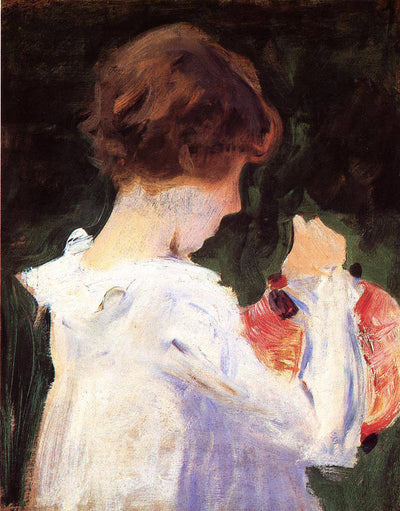
The six dominant colors measured from the painting, with the share of canvas each one covers. Click a swatch to copy its hex code.
Processing & Shipping Time
Your delivery time includes two parts:
Shipping Methods
We ship with trusted couriers like FedEx, UPS, and DHL. Every shipment includes a tracking code.
Our goal is to deliver your order safely and quickly.
Shipment Safety Measures
We handle your products with care so they arrive in perfect condition:
Every product is insured and delivered right to your door, so you can feel confident buying from us.
Every Art & See painting is created by artists with 15+ years of experience using professional-grade oil paints and premium linen canvas with UV-resistant protective coating, the same museum-grade materials used in galleries worldwide. Each piece goes through quality review before your approval photos are taken. If after delivery you have any concerns about your painting, contact us at [email protected] and our team will work with you on the best path forward.
Full Warranty
Every painting is protected against physical damage during shipping. If your painting arrives damaged, we repair or replace it, free of charge.
Coverage Details
Transit damage (crushed, torn, water damage): we repair or replace at no cost. Please note that damages resulting from accidents or inappropriate use are not covered under this warranty.
Repair or Replace
Depending on the extent of damage, the affected painting will either be repaired or replaced at no additional cost to you.
Free Service
All warranty services are provided absolutely free of charge.
We want you to absolutely love your handmade artwork. Here's how it works:
In the rare case you approve the photos and the artwork has been shipped and delivered to you, and you still want additional modification requests, we can handle it as a courtesy at our discretion. If accepted, you cover the return shipping cost.
| Type | Hand-Painted Oil Painting Reproduction |
| Original Artist | John Singer Sargent |
| Price Range | $350 to $1,150 |
| Shipping | Free Worldwide |
| Quality | Preview & Approve Before Shipping |
| Medium | Oil on Canvas |
| Canvas | Museum-Grade Linen Canvas |
| Technique | Hand-painted brushstroke-by-brushstroke |
| Art Style | Realism |
| Period | 1900 Century |
| Artist Nationality | American |
| Orientation | Vertical |
| Subject | Portraits, Portraits male |
| Available Sizes | 7 (15'' W × 22'' H to 48'' W × 72'' H, including the original size), plus custom sizes |
| Framing Options | Unframed, Stretched Canvas, Classic & Modern Frames |
| Delivery | 14–28 business days |
| Size | 101.6 × 152.4 cm (40 × 60 in) |
| Year | 1900 |
Lord Dalhousie, born in 1812, served as the Governor-General of India from 1848 to 1856. His tenure marked a pivotal period in British colonial history. He is known for significant reforms, including the introduction of the railway system, which transformed transportation in India. Dalhousie also played a crucial role in the annexation of several princely states, expanding British control. His policies laid the groundwork for modern infrastructure in India, influencing the region's development for decades.
Dalhousie's administrative strategies shaped modern governance in India. His emphasis on efficiency and accountability set new standards for colonial administration. He introduced the concept of public works, which prioritized infrastructure projects that benefited both the British and Indian populations. This approach influenced future governance models, making him a key figure in the evolution of colonial policy.
John Singer Sargent, an American artist born in 1856, is celebrated for his exceptional portraiture. His technique combines realism with impressionistic elements, creating lifelike representations. Sargent's use of light and shadow adds depth to his subjects, making them appear almost three-dimensional. His ability to capture the essence of his subjects is evident in the portrait of Lord Dalhousie, showcasing Sargent's mastery of oil painting.
Sargent's work significantly influenced both American and European art movements. He bridged the gap between traditional portraiture and modern artistic expression. His portraits often reflect the social status and personality of his subjects, making him a sought-after artist among the elite. Sargent's innovative techniques inspired future generations of artists, solidifying his legacy in the art world.
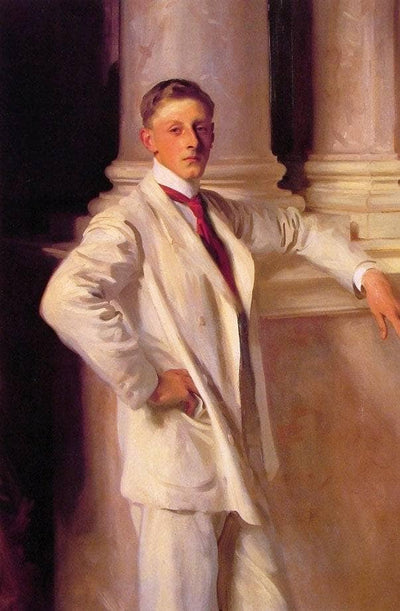
The color palette in Lord Dalhousie's portrait is rich and evocative. Sargent employs deep blues and warm earth tones, creating a sense of authority and dignity. The contrast between the dark background and Dalhousie's attire draws the viewer's attention to his figure, emphasizing his importance. This thoughtful use of color enhances the emotional impact of the portrait.
In Sargent's work, colors often carry symbolic meanings. The deep blue of Dalhousie's coat signifies loyalty and stability, while the warm browns suggest approachability and strength. This careful selection of colors reflects Dalhousie's character and his role in British India, making the portrait not just a representation but a narrative of his life and legacy.
Sargent's brushwork in Lord Dalhousie's portrait is both fluid and precise. He uses short, confident strokes to create texture in the fabric of Dalhousie's clothing, giving it a lifelike quality. The subtle variations in brushwork convey the play of light across the surface, enhancing the realism of the portrait. This technique is a hallmark of Sargent's style, setting his work apart from other artists of his time.
When compared to other portraits by Sargent, such as "Madame X" or "The Daughters of Edward Darley Boit," Lord Dalhousie's portrait showcases a different emotional tone. While "Madame X" exudes a sense of intrigue and allure, Dalhousie's portrait conveys gravitas and authority. This contrast highlights Sargent's versatility as a portrait artist, capable of capturing a wide range of human emotions and characteristics.
The Victorian era was a time of great change in art and society. Portraiture became a means of documenting social status and personal identity. Sargent's work reflects these trends, as he skillfully blends traditional portrait techniques with modern sensibilities. His ability to capture the essence of his subjects made him a leading figure in Victorian portraiture.
Sargent's portraits often reveal the inner character of his subjects. He had a unique ability to convey personality through facial expressions and body language. In Lord Dalhousie's portrait, Sargent captures a moment of introspection, inviting viewers to connect with the subject on a deeper level. This approach sets Sargent apart from his contemporaries, making his work timeless.
When Sargent painted Lord Dalhousie, the socio-political climate in India was complex. The British Raj was expanding, and tensions were rising among various Indian states. Dalhousie's policies, while modernizing, also faced criticism for their imperialistic nature. Sargent's portrayal of Dalhousie reflects this duality, capturing both the man and the era's challenges.
Dalhousie's role in the British Raj was significant. He was a key architect of British policy in India, and his decisions had lasting impacts. Sargent's portrait encapsulates this legacy, portraying Dalhousie as a figure of authority and influence. The painting serves as a historical document, reflecting the complexities of colonial rule and the man behind it.
Facial expressions and body language are crucial in portraiture. Sargent expertly captures Dalhousie's contemplative gaze, suggesting depth and thoughtfulness. The slight tilt of his head and relaxed posture convey confidence and poise. These elements work together to create a compelling representation of Dalhousie's character.
Through his artistic choices, Sargent reveals much about Dalhousie's character. The dignified expression and commanding presence suggest a man of great intellect and ambition. This portrayal invites viewers to consider Dalhousie's contributions to history and his complex personality, making the painting a rich subject for analysis.
Portraits of historical figures play a vital role in shaping their legacy. Sargent's work immortalizes Lord Dalhousie, ensuring that his contributions to British India are remembered. The painting serves as a visual narrative, connecting viewers to the past and allowing them to engage with history through art.
Sargent's portrayal of Dalhousie reflects his personality as a leader and reformer. The artist captures the essence of a man who was both visionary and pragmatic. This duality is evident in the way Dalhousie is depicted, making the portrait a powerful representation of his life and legacy.
Lord Dalhousie's portrait is a must-have for art enthusiasts and collectors alike. Its historical significance and artistic merit make it a valuable addition to any collection. Owning a reproduction of this masterpiece allows art lovers to appreciate Sargent's skill and the rich history behind the subject.
Investing in historical portraits like Lord Dalhousie's can be a wise decision. These artworks often appreciate in value over time, especially as interest in historical figures grows. A high-quality reproduction offers a way to enjoy the beauty of the original while making a smart investment.
When displaying Lord Dalhousie's portrait, consider the surrounding decor. A classic frame can enhance the painting's elegance, while a neutral wall color allows the artwork to stand out. Position the portrait at eye level to invite viewers to engage with the piece fully.
Creating a gallery space that honors historical art involves thoughtful curation. Grouping Lord Dalhousie's portrait with other significant works can create a narrative that highlights the era's artistic trends. Incorporating informative plaques can also enhance the viewer's experience, providing context and insight into the artwork's significance.
Lord Dalhousie's portrait is significant as it captures the essence of a key figure in British colonial history, reflecting his contributions to India and the complexities of the British Raj.
Sargent's style influenced portrait painting by blending realism with impressionistic techniques, allowing for a more dynamic and lifelike representation of subjects.
Sargent used a combination of precise brushwork and a rich color palette to create texture and depth, bringing Lord Dalhousie's character to life.
The color palette signifies authority and dignity, with deep blues representing loyalty and warm browns suggesting approachability and strength.
This painting reflects Victorian artistic trends by emphasizing social status and personal identity, while also showcasing Sargent's innovative techniques that blend traditional and modern styles.
Key features of Lord Dalhousie's character include his contemplative expression, confident posture, and dignified presence, all of which convey his intellect and ambition.
A reproduction of Lord Dalhousie's portrait offers a superior alternative to prints, allowing you to enjoy the rich details and textures of Sargent's original work while making a valuable addition to your art collection.

Discover some of our latest oil paintings, each one carefully hand-painted on canvas.
At Art & See, we're committed to delivering the highest quality art reproductions. Our team of expert artists and state-of-the-art processes ensure that each piece is a masterpiece in its own right.

Experience your masterpiece's creation through daily photos from our expert artists, each with 15+ years of experience.

Your artwork travels first class via UPS, FedEx, or DHL, protected by museum-grade packaging for safe delivery.

Review unedited photos of your finished painting and request unlimited free revisions before it ships. We only ship when you say it's perfect.

Every piece is crafted with archival materials, UV-resistant finishes, and premium British paints to last generations.

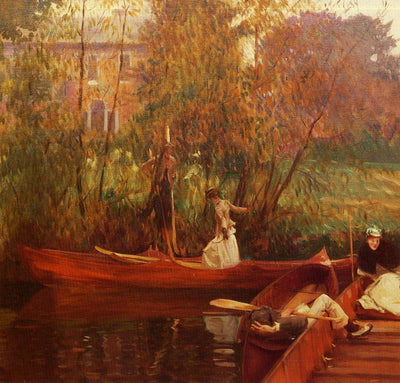




Yes, 100% hand-painted with oil on canvas by artists with 15+ years of experience. No prints, no digital shortcuts. You'll see and feel real brushstrokes, just like the original John Singer Sargent masterpiece.
Your Lord Dalhousie reproduction takes 2–5 weeks to hand-paint depending on size and detail. Once approved, shipping takes 5–8 days via FedEx, UPS, or DHL with full tracking. Free worldwide shipping included.
Absolutely. Once your Lord Dalhousie is complete, we send you unedited photos, a full view and close-up details. Request unlimited free revisions until you're 100% satisfied. We don't ship until you say "yes."
Every painting goes through our Preview & Approve process: you receive unedited photos of your finished John Singer Sargent reproduction and can request unlimited free revisions before it ships. We only ship when you say it's perfect. If after delivery you have any concerns, contact us at [email protected] and our team will work with you on the best path forward.
Professional-grade oil paints (Windsor & Newton) on premium linen canvas with UV-resistant protective coating. Museum-grade materials built to last generations, the same quality used in galleries worldwide.
Our artists specialize in John Singer Sargent's technique: color accuracy, brushwork, and composition are matched to the original. Every reproduction goes through quality review before your approval photos are taken.
Every painting is insured and delivered door-to-door. Unframed paintings ship in protective hard tubes. Framed paintings are bubble-wrapped in sturdy boxes. If anything arrives damaged, we repair or replace it free.
Dive into the vibrant world of Historic Art. Discover your next painting today.