 4.9/5
4.9/5






SAMPLES OF QUALITY
Recent Hand-Painted Reproductions
Discover some of our latest oil paintings, each one carefully hand-painted on canvas.

AS SEEN IN





Handmade Oil Painting on Canvas Art Reproduction, Museum-quality

The six dominant colors measured from the painting, with the share of canvas each one covers. Click a swatch to copy its hex code.
Processing & Shipping Time
Your delivery time includes two parts:
Shipping Methods
We ship with trusted couriers like FedEx, UPS, and DHL. Every shipment includes a tracking code.
Our goal is to deliver your order safely and quickly.
Shipment Safety Measures
We handle your products with care so they arrive in perfect condition:
Every product is insured and delivered right to your door, so you can feel confident buying from us.
Every Art & See painting is created by artists with 15+ years of experience using professional-grade oil paints and premium linen canvas with UV-resistant protective coating, the same museum-grade materials used in galleries worldwide. Each piece goes through quality review before your approval photos are taken. If after delivery you have any concerns about your painting, contact us at [email protected] and our team will work with you on the best path forward.
Full Warranty
Every painting is protected against physical damage during shipping. If your painting arrives damaged, we repair or replace it, free of charge.
Coverage Details
Transit damage (crushed, torn, water damage): we repair or replace at no cost. Please note that damages resulting from accidents or inappropriate use are not covered under this warranty.
Repair or Replace
Depending on the extent of damage, the affected painting will either be repaired or replaced at no additional cost to you.
Free Service
All warranty services are provided absolutely free of charge.
We want you to absolutely love your handmade artwork. Here's how it works:
In the rare case you approve the photos and the artwork has been shipped and delivered to you, and you still want additional modification requests, we can handle it as a courtesy at our discretion. If accepted, you cover the return shipping cost.
| Type | Hand-Painted Oil Painting Reproduction |
| Original Artist | John Singer Sargent |
| Price Range | $350 to $1,150 |
| Shipping | Free Worldwide |
| Quality | Preview & Approve Before Shipping |
| Medium | Oil on Canvas |
| Canvas | Museum-Grade Linen Canvas |
| Technique | Hand-painted brushstroke-by-brushstroke |
| Art Style | Impressionism |
| Period | 1910 Century |
| Artist Nationality | American |
| Orientation | Horizontal |
| Subject | Botanicals, Landscapes urban, Seascapes |
| Available Sizes | 7 (20'' W × 16'' H to 66'' W × 52'' H, including the original size), plus custom sizes |
| Framing Options | Unframed, Stretched Canvas, Classic & Modern Frames |
| Delivery | 14–28 business days |
| Size | 71.1 × 55.9 cm (28 × 22 in) |
| Year | 1912 |
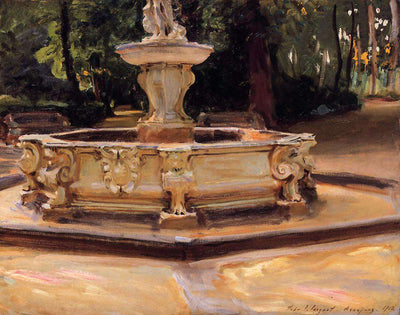
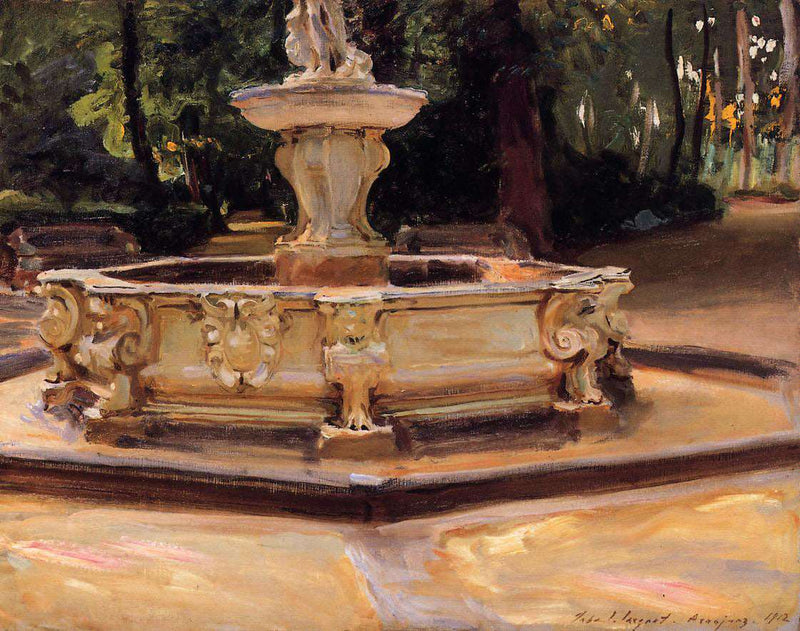
The Royal Palace of Aranjuez, located just south of Madrid, is a stunning example of Spanish architecture and royal history. This UNESCO World Heritage site dates back to the 15th century and showcases a blend of Mudejar, Renaissance, and Baroque styles. The gardens surrounding the palace, particularly the famous Jardín del Príncipe, feature exquisite fountains, including the one captured by Sargent. This setting reflects the opulence and cultural significance of the Spanish monarchy.
John Singer Sargent, an American artist born in 1856, is renowned for his exceptional portraiture and landscape paintings. His ability to capture the essence of his subjects made him a favorite among the elite of his time. Sargent's travels across Europe, particularly in Spain, deeply influenced his artistic vision. His work often reflects a fascination with light, color, and the interplay between nature and architecture.
Sargent was influenced by the Impressionist movement, which emphasized capturing fleeting moments and the effects of light. His time in Paris exposed him to the works of Monet and Renoir, which inspired his use of vibrant colors and loose brushwork. However, Sargent's style also incorporated elements of realism, making his paintings rich in detail and depth.
The color palette of the Marble Fountain at Aranjuez is a captivating mix of blues and greens. Sargent skillfully uses these colors to evoke a sense of tranquility and harmony. The cool tones of the water contrast beautifully with the warm hues of the surrounding flora, creating a serene atmosphere that invites viewers to pause and reflect.
Sargent's composition masterfully balances the natural elements of the garden with the architectural features of the fountain. The placement of the fountain draws the eye, while the surrounding trees and plants frame the scene, enhancing the sense of depth. This careful arrangement highlights the relationship between man-made beauty and the natural world.
One of Sargent's greatest strengths is his ability to capture light and shadow. In this painting, he uses dappled sunlight filtering through the leaves to create a dynamic interplay of light. This technique adds a three-dimensional quality to the scene, making the fountain appear almost alive as it reflects the changing light throughout the day.
Water is a powerful symbol in art, representing life, purity, and tranquility. In Sargent's Marble Fountain, the flowing water embodies serenity and calmness. The fountain serves as a reminder of nature's beauty and the importance of preserving such peaceful spaces in our lives.
The figures depicted in the painting interact harmoniously with the fountain, suggesting a deep connection between humanity and nature. Their presence adds a narrative element, inviting viewers to imagine the stories behind their leisurely moments by the water. This interaction emphasizes the importance of finding solace in nature.
Sargent's work evokes a sense of peace and reflection. The tranquil setting encourages viewers to pause and contemplate their surroundings. This emotional resonance is a hallmark of Sargent's art, as he often sought to capture the beauty of fleeting moments in time.
Sargent's oil painting techniques are characterized by layering and texture. He built up his paintings in multiple layers, allowing for rich depth and vibrancy. This method gives the Marble Fountain a tactile quality, making the marble appear smooth and cool, while the foliage feels lush and alive.
In this artwork, Sargent captures the movement of water with fluid brushstrokes. The flowing water creates a sense of dynamism, contrasting with the stillness of the surrounding landscape. This technique brings the scene to life, inviting viewers to imagine the gentle sounds of the fountain.
Sargent's attention to detail is evident in the intricacies of the marble fountain and the surrounding flora. He meticulously rendered the textures of the marble, showcasing its elegance. The delicate flowers and leaves add a touch of softness, enhancing the overall beauty of the composition.
The Marble Fountain at Aranjuez has left a lasting legacy on contemporary artists. Sargent's ability to blend realism with impressionistic techniques continues to inspire modern painters. His work encourages artists to explore the relationship between nature and architecture in their own creations.
Art enthusiasts can experience Sargent's work in various exhibitions and collections worldwide. Major museums, such as the Metropolitan Museum of Art in New York and the Tate in London, house his masterpieces. These institutions provide a glimpse into Sargent's artistic journey and his contributions to the art world.
Upon its completion, the Marble Fountain received acclaim for its beauty and technical skill. Critics praised Sargent's ability to capture the essence of the Aranjuez gardens. Over time, the painting has been recognized as a significant work that showcases Sargent's mastery of light, color, and composition.
Visiting Aranjuez offers a unique journey through time and art. The gardens, with their stunning fountains and lush landscapes, provide a perfect backdrop for reflection. Experiencing the Marble Fountain in person allows visitors to connect with Sargent's vision and the beauty of the location.
The Marble Fountain evokes a range of emotions in viewers, from tranquility to nostalgia. Many find themselves drawn into the serene atmosphere, allowing for personal reflection. This emotional impact is a testament to Sargent's skill in creating art that resonates deeply with the human experience.
The fountain serves as a retreat, inviting viewers to connect with nature. Its calming presence encourages moments of peace and contemplation. Sargent's portrayal of this space reminds us of the importance of finding solace in the beauty of the natural world.
Sargent was inspired by the beauty of the Aranjuez gardens and the elegance of the marble fountain. His admiration for the interplay of light and nature motivated him to capture this serene scene.
The main themes include the harmony between nature and architecture, the symbolism of water, and the emotional resonance of tranquility and reflection.
Sargent's loose brushwork and vibrant color palette create a sense of movement and life. His mastery of light enhances the painting's emotional depth, making it feel alive.
The original painting is part of a private collection and may not be on public display. However, many art institutions feature Sargent's works, allowing you to appreciate his style and technique.
The Aranjuez gardens are historically significant as a royal retreat, showcasing the grandeur of Spanish horticulture and landscape design. They reflect the cultural heritage of Spain and the importance of nature in royal life.
The Marble Fountain embodies the elegance and sophistication of Spanish culture in the late 19th century. It highlights the appreciation for art, nature, and the royal lifestyle that characterized this period.
When reproducing the Marble Fountain, consider investing in high-quality painting reproductions. Unlike prints, these reproductions capture the texture and depth of the original artwork, making them a superior choice for home decor.
Yes, various styles of reproductions are available, including canvas and framed options. Each style offers a unique way to enjoy Sargent's masterpiece in your home, allowing you to choose the one that best fits your aesthetic.

Discover some of our latest oil paintings, each one carefully hand-painted on canvas.
At Art & See, we're committed to delivering the highest quality art reproductions. Our team of expert artists and state-of-the-art processes ensure that each piece is a masterpiece in its own right.

Experience your masterpiece's creation through daily photos from our expert artists, each with 15+ years of experience.

Your artwork travels first class via UPS, FedEx, or DHL, protected by museum-grade packaging for safe delivery.

Review unedited photos of your finished painting and request unlimited free revisions before it ships. We only ship when you say it's perfect.

Every piece is crafted with archival materials, UV-resistant finishes, and premium British paints to last generations.

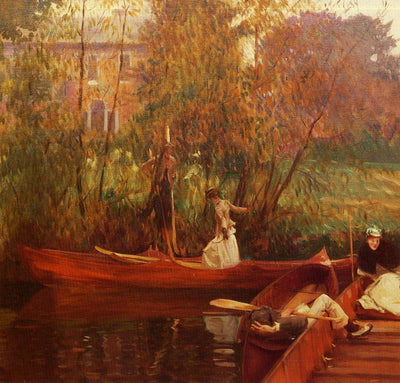


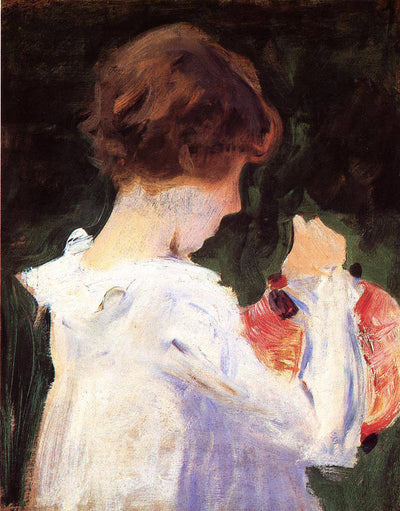


Yes, 100% hand-painted with oil on canvas by artists with 15+ years of experience. No prints, no digital shortcuts. You'll see and feel real brushstrokes, just like the original John Singer Sargent masterpiece.
Your A Marble fountain at Aranjuez, Spain reproduction takes 2–5 weeks to hand-paint depending on size and detail. Once approved, shipping takes 5–8 days via FedEx, UPS, or DHL with full tracking. Free worldwide shipping included.
Absolutely. Once your A Marble fountain at Aranjuez, Spain is complete, we send you unedited photos, a full view and close-up details. Request unlimited free revisions until you're 100% satisfied. We don't ship until you say "yes."
Every painting goes through our Preview & Approve process: you receive unedited photos of your finished John Singer Sargent reproduction and can request unlimited free revisions before it ships. We only ship when you say it's perfect. If after delivery you have any concerns, contact us at [email protected] and our team will work with you on the best path forward.
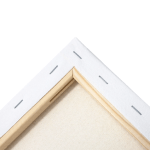
Professional-grade oil paints (Windsor & Newton) on premium linen canvas with UV-resistant protective coating. Museum-grade materials built to last generations, the same quality used in galleries worldwide.
Our artists specialize in John Singer Sargent's technique: color accuracy, brushwork, and composition are matched to the original. Every reproduction goes through quality review before your approval photos are taken.
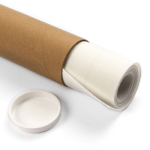
Every painting is insured and delivered door-to-door. Unframed paintings ship in protective hard tubes. Framed paintings are bubble-wrapped in sturdy boxes. If anything arrives damaged, we repair or replace it free.
Dive into the vibrant world of Historic Art. Discover your next painting today.
