

Discovering the Enigmatic Themes of Ruling Passion by John Everett Millais
Unveiling the Symbolism Behind Millais' Masterpiece
Exploring the Emotional Depths of Human Desire
John Everett Millais' "Ruling Passion" captures the intense emotional landscape of human desire. The painting portrays a moment of profound conflict, where passion and morality collide. The central figures embody the struggle between innocence and temptation, inviting viewers to reflect on their own experiences with desire and regret. This emotional depth resonates with audiences, making it a timeless exploration of the human condition.
The Role of Nature in Reflecting Inner Turmoil
Nature plays a crucial role in "Ruling Passion," serving as a mirror to the characters' inner turmoil. The lush, vibrant foliage contrasts with the somber mood of the figures, highlighting the tension between external beauty and internal conflict. Millais expertly uses the natural environment to enhance the narrative, suggesting that the characters' emotions are intertwined with the world around them. This connection to nature adds layers of meaning to the artwork, enriching its interpretation.
The Artistic Techniques that Define Millais' Style
Analyzing the Use of Color and Light in Ruling Passion
Millais' masterful use of color and light in "Ruling Passion" creates a striking visual impact. The warm tones of the figures contrast with the cooler shades of the background, drawing attention to the emotional intensity of the scene. His innovative approach to chiaroscuro enhances the three-dimensionality of the characters, making them feel alive. This dynamic interplay of light and shadow is a hallmark of Millais' style, showcasing his technical prowess.
Brushwork and Texture: A Closer Look at Millais' Technique
The brushwork in "Ruling Passion" reveals Millais' meticulous attention to detail. His technique combines fine, delicate strokes with bold, expressive marks, creating a rich texture that invites viewers to explore the painting closely. The intricate rendering of fabrics and natural elements showcases his skill as a painter. This combination of precision and emotion is what sets Millais apart as a leading figure in the Pre-Raphaelite movement.
The Historical Context of Ruling Passion: A Window into Victorian Society
Understanding the Pre-Raphaelite Brotherhood's Influence
Millais was a founding member of the Pre-Raphaelite Brotherhood, a group that sought to challenge the conventions of Victorian art. "Ruling Passion" exemplifies their ideals, emphasizing
realism, vibrant colors, and intricate detail. The Brotherhood aimed to return to the artistic principles of the
early Renaissance, rejecting the academic standards of their time. Millais' work reflects this commitment to authenticity and emotional depth.
Millais' Contribution to the Pre-Raphaelite Movement
As a key figure in the Pre-Raphaelite movement, Millais pushed the boundaries of artistic expression. His innovative techniques and thematic choices influenced many artists of his era. "Ruling Passion" stands as a testament to his dedication to exploring complex human emotions through art. Millais' ability to blend narrative and visual beauty has left a lasting impact on the art world.
Victorian Values and Their Reflection in Art
"Ruling Passion" also serves as a commentary on Victorian values, particularly regarding love, morality, and societal expectations. The painting reflects the tension between personal desire and societal norms, a common theme in Victorian literature and art. Millais captures this struggle, inviting viewers to consider the implications of their own passions within the constraints of society.
Ruling Passion and Its Reception in the 19th Century
Public and Critical Response to Millais' Work
Upon its exhibition in 1879, "Ruling Passion" elicited a range of responses from the public and critics alike. Some praised Millais for his bold exploration of taboo subjects, while others criticized the painting for its emotional intensity. This mixed reception highlights the challenges artists faced in addressing complex themes during the Victorian era. Millais' willingness to confront these issues solidified his reputation as a pioneering artist.
How Ruling Passion Shaped Millais' Career
The impact of "Ruling Passion" on Millais' career was significant. It marked a turning point, showcasing his ability to blend narrative depth with technical skill. The painting helped establish him as a leading figure in the art world, paving the way for future successes. Millais' exploration of human emotion in this work continues to resonate with audiences today.
Interpreting the Characters and Their Relationships in Ruling Passion
The Central Figures: A Study of Emotion and Expression
Analyzing the Female Figure: Innocence and Temptation
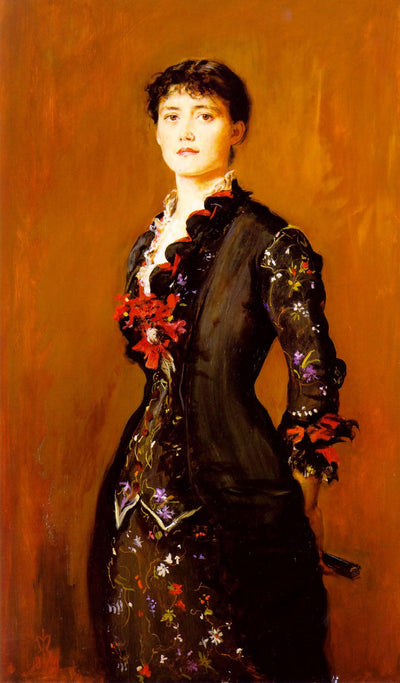
The female figure in "Ruling Passion" embodies both innocence and temptation. Her expression reflects a complex mix of emotions, drawing viewers into her internal struggle. Millais captures her vulnerability, making her a poignant representation of the conflict between desire and morality. This duality invites interpretation, as viewers consider the societal pressures that shape her experience.
The Male Figure: Conflict and Desire
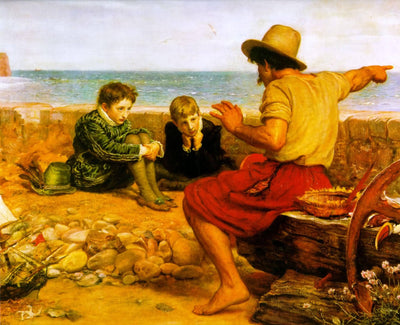
The male figure represents the tension between desire and duty. His posture and expression convey a sense of urgency, as if he is torn between his passions and the expectations placed upon him. Millais skillfully portrays this internal conflict, allowing viewers to empathize with the character's plight. The dynamic between the two figures creates a powerful narrative that resonates with the audience.
The Narrative Behind the Painting: What Story Does It Tell?
Decoding the Visual Storytelling Techniques Used by Millais
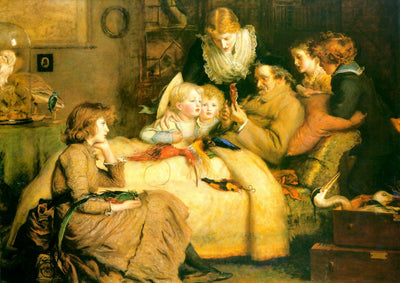
Millais employs various visual storytelling techniques in "Ruling Passion" to convey a rich narrative. The composition draws the eye to the central figures, while the surrounding elements provide context and depth. The use of
symbolism, such as the contrasting colors and natural elements, enhances the storytelling, inviting viewers to engage with the painting on multiple levels. This narrative complexity is a hallmark of Millais' work.
Connecting the Dots: Historical and Literary References
"Ruling Passion" is steeped in historical and literary references, enriching its narrative. The themes of love and conflict echo the works of contemporary writers, such as Thomas Hardy and the Brontë sisters. Millais' painting can be seen as a visual counterpart to the literature of the time, reflecting the societal struggles and emotional landscapes explored in Victorian novels. This connection adds depth to the viewer's understanding of the artwork.
Ruling Passion: A Lasting Legacy in Art History
The Influence of Ruling Passion on Future Artists
"Ruling Passion" has left an indelible mark on the art world, influencing generations of artists. Its emotional depth and technical mastery continue to inspire contemporary painters. Millais' ability to convey complex human experiences through art has set a standard for future artistic movements. The painting remains a touchstone for those exploring themes of desire and morality.
How Millais' Techniques Inspired Subsequent Movements
Millais' innovative techniques in "Ruling Passion" paved the way for future artistic movements, including Symbolism and
Impressionism. His use of color, light, and texture influenced artists seeking to express emotion and narrative in their work. The legacy of Millais' techniques can be seen in the works of later artists who embraced similar themes and styles.
Ruling Passion in Modern Art Discourse
Today, "Ruling Passion" is frequently discussed in
modern art discourse. Its exploration of human emotion and societal conflict resonates with contemporary audiences. Art historians and critics continue to analyze Millais' work, recognizing its significance in the evolution of art. The painting remains a vital part of discussions surrounding the intersection of art and society.
Visiting the Original: Where to Experience Ruling Passion Today
Locations of the Original Painting and Its Impact on Art Lovers
Art lovers can experience the original "Ruling Passion" at the prestigious Tate Britain in London. This iconic institution houses a vast collection of British art, making it a must-visit for those interested in Millais and the Pre-Raphaelite movement. Viewing the original painting allows visitors to appreciate the intricate details and emotional depth that reproductions may not fully capture.
Exhibitions and Events Featuring Millais' Work
Throughout the year, Tate Britain hosts exhibitions and events that celebrate Millais' contributions to art. These events provide opportunities for art enthusiasts to engage with his work and learn more about his techniques and themes. Participating in these exhibitions enhances the understanding of "Ruling Passion" and its place in art history.
FAQs About Ruling Passion by John Everett Millais
Common Questions About the Painting
What is the main theme of Ruling Passion?
The main theme of "Ruling Passion" is the conflict between desire and morality, exploring the emotional struggles of the central figures.
Who are the figures depicted in Ruling Passion?
The painting features a male and female figure, representing the tension between innocence and temptation, as well as desire and duty.
What techniques did Millais use in this painting?
Millais employed techniques such as chiaroscuro, vibrant color palettes, and intricate brushwork to create depth and emotion in "Ruling Passion."
How does Ruling Passion reflect Victorian society?
"Ruling Passion" reflects Victorian society's values by addressing themes of love, morality, and societal expectations, highlighting the tension between personal desire and social norms.
What was the public reaction to Ruling Passion when it was first exhibited?
The public reaction to "Ruling Passion" was mixed, with some praising its emotional depth and others criticizing its intensity, showcasing the challenges artists faced in the Victorian era.
Questions About the Painting Reproduction
How can I ensure the reproduction captures the essence of the original?
To ensure a reproduction captures the essence of the original, choose high-quality painting reproductions that focus on detail, color accuracy, and texture, as they provide a more authentic experience than standard prints.
What should I consider when displaying a reproduction of Ruling Passion?
When displaying a reproduction of "Ruling Passion," consider the lighting, framing, and placement to enhance its visual impact. A well-displayed reproduction can evoke the same emotional response as the original artwork.