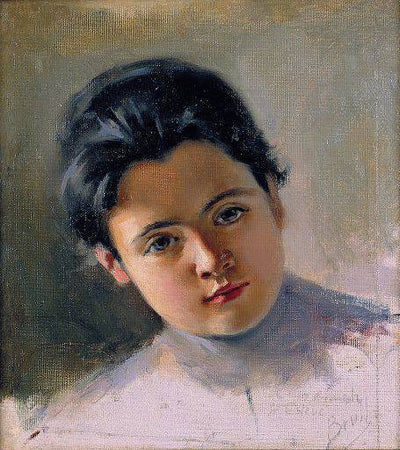
Discovering the Essence of Rosalia: A Masterpiece by Joan Brull
Unveiling the Artistic Vision Behind Rosalia
The Life and Influence of Joan Brull
Joan Brull, a prominent figure in the Catalan art scene, was born in 1880 in Barcelona. His artistic journey was deeply influenced by the vibrant culture and rich history of his homeland. Brull's work often reflects the emotional depth and
romantic ideals of the early 20th century. He was known for his ability to blend traditional techniques with modern themes, making his art both timeless and relevant.
Brull studied under renowned artists and was inspired by the
Impressionist movement, which encouraged him to explore light and color in innovative ways. His dedication to capturing the essence of human emotion is evident in his masterpiece, "Rosalia." This painting not only showcases his technical skill but also his profound understanding of the human experience.
Understanding the Historical Context of Rosalia
"Rosalia" was created during a period of artistic exploration in Europe, where artists sought to break free from conventional norms. The late 19th and early 20th centuries were marked by a shift towards personal expression and emotional resonance in art. Brull's work emerged from this backdrop, reflecting the societal changes and the burgeoning interest in individual identity and
nature.
The painting captures the spirit of Romanticism, a movement that emphasized emotion, nature, and the beauty of the human soul. Brull's "Rosalia" stands as a testament to this era, inviting viewers to connect with the subject on a deeper level. The painting's historical significance lies not only in its artistic merit but also in its ability to evoke feelings of nostalgia and longing.
Visual Elements of Rosalia: A Deep Dive into Composition
Color Palette: The Emotional Spectrum of Rosalia
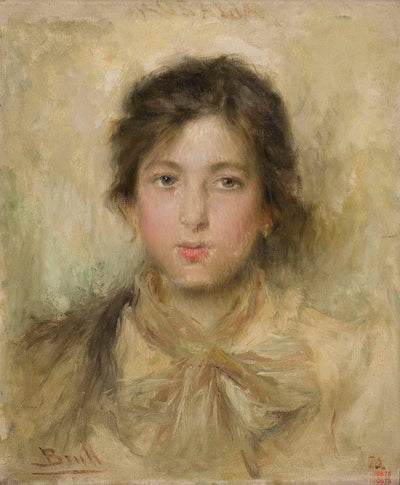
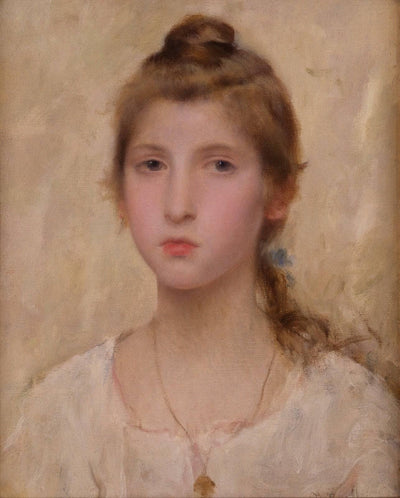
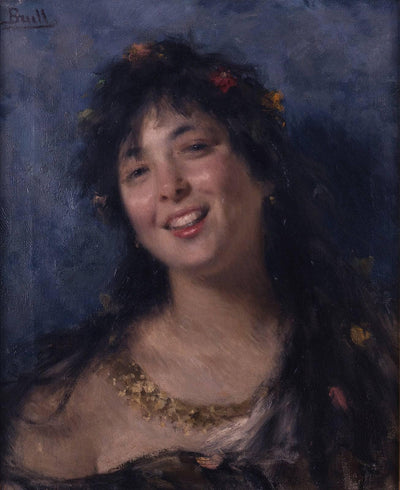
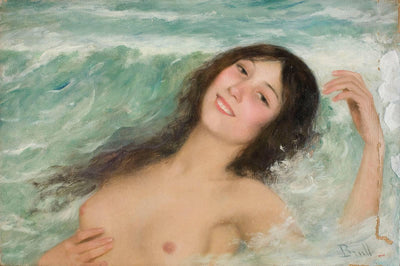
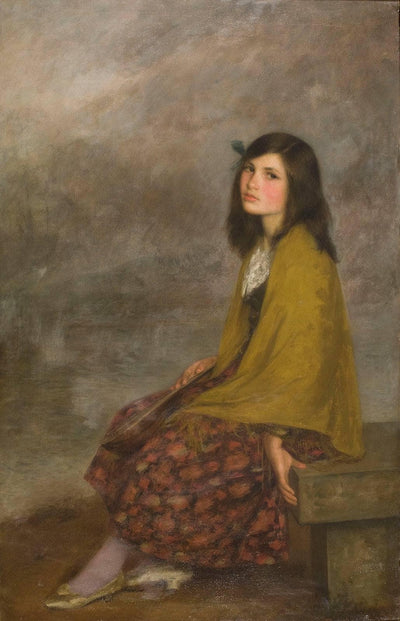
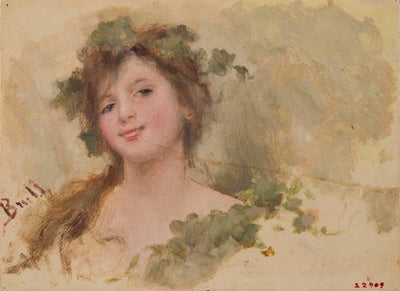
The color palette of "Rosalia" is a vibrant blend of warm and cool tones, creating a dynamic emotional landscape. Rich reds and soft pinks dominate the canvas, symbolizing love and passion. The use of greens and blues introduces a sense of tranquility and connection to nature. This harmonious interplay of colors invites viewers to experience the emotional depth of the painting.
Brull's choice of colors not only enhances the visual appeal but also serves to convey the underlying themes of the artwork. Each hue plays a role in expressing the complex emotions associated with love and identity, making "Rosalia" a captivating piece that resonates with audiences.
Brushwork Techniques: Capturing Movement and Emotion
Brull's brushwork in "Rosalia" is both expressive and deliberate. He employs a variety of techniques, from soft, sweeping strokes to more defined, intricate details. This combination creates a sense of movement, as if the subject is alive and breathing. The fluidity of the brushwork captures the essence of the moment, allowing viewers to feel the emotions radiating from the canvas.
The artist's mastery of oil paint is evident in the way he layers colors to create depth and texture. Each stroke adds to the overall composition, inviting viewers to explore the nuances of the painting. Brull's technique not only showcases his skill but also enhances the emotional impact of "Rosalia."
Symbolism in Rosalia: What Lies Beneath the Surface
"Rosalia" is rich with
symbolism, inviting viewers to delve deeper into its meaning. The central figure, Rosalia, embodies the themes of love and femininity. Her pose and expression convey a sense of longing and introspection, suggesting a narrative that goes beyond the visual.
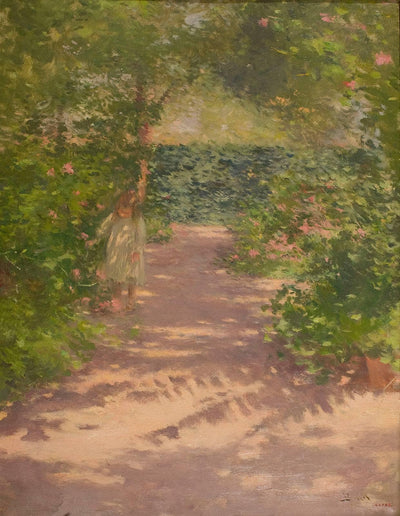
Floral elements in the background symbolize growth and renewal, reinforcing the connection between nature and human emotion. The interplay of light and shadow adds another layer of meaning, representing the duality of joy and sorrow in love. Brull's use of symbolism transforms "Rosalia" into a multi-dimensional work of art that encourages personal interpretation.
Thematic Exploration: Love, Nature, and Identity in Rosalia
Romanticism and Its Reflection in Rosalia
"Rosalia" is a quintessential example of Romanticism, capturing the essence of human emotion and the beauty of nature. The painting reflects the ideals of the movement, emphasizing individual experience and the connection between the self and the natural world. Brull's portrayal of Rosalia evokes feelings of passion and introspection, inviting viewers to reflect on their own experiences of love.
The emotional depth of the painting resonates with the Romantic belief in the power of feelings. Brull's ability to convey complex emotions through his art makes "Rosalia" a timeless piece that continues to inspire and move audiences.
Nature as a Character: The Role of Flora and Fauna
In "Rosalia," nature plays a vital role, almost as a character in its own right. The lush greenery and delicate flowers surrounding the figure enhance the themes of love and identity. Brull's attention to detail in the depiction of flora adds a sense of
realism and vibrancy to the painting.
The natural elements symbolize growth and the cyclical nature of life, reinforcing the connection between the human experience and the environment. This relationship between Rosalia and nature invites viewers to consider their own connections to the world around them.
Identity and Feminine Representation in Brull's Work
Brull's portrayal of Rosalia offers a nuanced representation of femininity. The figure embodies strength and vulnerability, reflecting the complexities of female identity. Through her gaze and posture, Rosalia communicates a sense of self-awareness and introspection.
The painting challenges traditional representations of
women in art, presenting a more authentic and relatable image. Brull's exploration of identity in "Rosalia" resonates with contemporary discussions about gender and representation, making the artwork relevant even today.
Comparative Analysis: Rosalia and Other Works by Joan Brull
Contrasting Rosalia with Brull's Other Notable Paintings
When compared to Brull's other works, "Rosalia" stands out for its emotional depth and vibrant color palette. While many of his paintings explore similar themes, "Rosalia" captures a unique moment of introspection and connection. The use of light and shadow in this piece is particularly striking, setting it apart from his other creations.
Brull's ability to convey emotion through color and composition is evident in "Rosalia," making it a defining work in his oeuvre. This painting showcases his growth as an artist and his commitment to exploring the human experience.
Influences from Contemporary Artists: A Broader Perspective
Brull was influenced by various contemporary artists, including the Impressionists and Symbolists. Their focus on light, color, and emotional expression can be seen in "Rosalia." The painting reflects the broader artistic movements of the time, while also maintaining Brull's unique voice.
By examining "Rosalia" in the context of
contemporary art, viewers can appreciate the ways in which Brull contributed to the evolution of modern painting. His work resonates with the ideals of his time, while also paving the way for future artists.
Artistic Techniques: The Craftsmanship Behind Rosalia
Layering and Texture: The Physicality of Oil Paint
Brull's use of oil paint in "Rosalia" showcases his mastery of layering and texture. He skillfully builds up layers of paint to create depth and dimension, allowing the viewer to engage with the physicality of the artwork. This technique adds richness to the colors and enhances the overall visual experience.
The texture of the painting invites viewers to explore the surface, revealing the intricacies of Brull's technique. Each layer contributes to the emotional impact of "Rosalia," making it a tactile and immersive experience.
Light and Shadow: Creating Depth in Rosalia
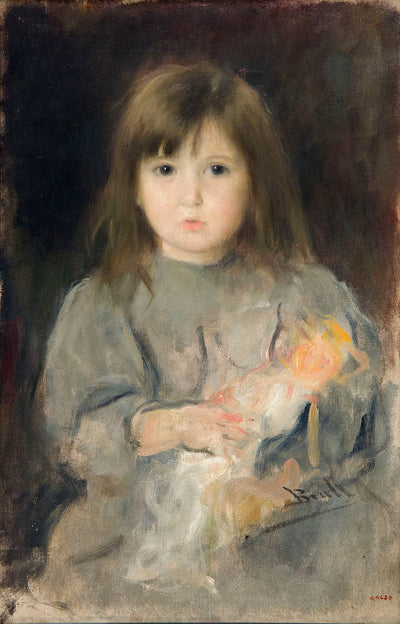
The interplay of light and shadow in "Rosalia" is a testament to Brull's skillful handling of oil paint. He uses chiaroscuro techniques to create a sense of depth and volume, drawing the viewer's eye to the central figure. The strategic placement of light enhances the emotional tone of the painting, highlighting Rosalia's expression and surroundings.
This mastery of light and shadow not only adds realism but also elevates the emotional resonance of the artwork. Brull's ability to manipulate these elements makes "Rosalia" a captivating piece that continues to engage audiences.
Rosalia in Popular Culture: Influence and Legacy
Rosalia's Impact on Modern Art and Artists
"Rosalia" has left a lasting impact on
modern art, influencing countless artists who seek to capture the essence of human emotion. Its themes of love, nature, and identity resonate with contemporary audiences, making it a relevant piece in today's art world.
Brull's exploration of these themes has inspired artists to delve deeper into their own experiences and emotions, fostering a greater appreciation for the power of art to convey complex feelings.
Exhibitions and Collections Featuring Rosalia
"Rosalia" has been featured in various exhibitions and collections, showcasing Brull's talent and the painting's significance. Art enthusiasts can find this masterpiece in prestigious galleries, where it continues to captivate viewers with its beauty and emotional depth.
The painting's presence in exhibitions highlights its importance in the art historical narrative, ensuring that Brull's legacy endures for future generations.
FAQs About Rosalia by Joan Brull
What is the story behind the painting Rosalia?
"Rosalia" tells a story of love and introspection, capturing the essence of the human experience through its emotional depth and vibrant colors.
What techniques did Joan Brull use in Rosalia?
Brull employed layering, texture, and chiaroscuro techniques to create depth and emotion in "Rosalia," showcasing his mastery of oil painting.
How does Rosalia reflect the themes of Romanticism?
"Rosalia" embodies Romantic ideals by emphasizing emotion, nature, and individual experience, inviting viewers to connect with the subject on a personal level.
What are the notable symbols found in Rosalia?
The painting features floral elements symbolizing growth and renewal, while the central figure represents love and femininity, adding layers of meaning to the artwork.
Where can I see the original painting of Rosalia?
The original "Rosalia" can be found in select art galleries and museums that showcase Joan Brull's work, allowing viewers to experience its beauty firsthand.
What should I know about reproducing Rosalia?
When reproducing "Rosalia," it's essential to choose high-quality oil painting reproductions, as they capture the texture and depth of the original artwork far better than prints.
How does the reproduction of Rosalia compare to the original?
Oil painting reproductions of "Rosalia" offer a superior experience compared to prints, as they replicate the rich textures and vibrant colors that define Brull's masterpiece.
 4.9/5
4.9/5