The Slave Market: A Captivating Exploration of Jean-François Portaels' Masterpiece
Historical Context of The Slave Market Painting
19th Century Art Movements and Their Influence
The Slave Market, painted in 1866, emerged during a transformative period in art history. The 19th century saw the rise of
Romanticism and
Realism, movements that deeply influenced Portaels. Artists began to explore emotional depth and social issues, moving away from classical ideals. This painting reflects the tension between these movements, showcasing both the emotional weight of human suffering and the stark reality of slavery.
Colonialism and Its Reflection in Art
Colonialism played a significant role in shaping the themes of The Slave Market. The painting captures the grim reality of the slave trade, a dark chapter in history that affected millions. Portaels' work serves as a poignant reminder of the exploitation and dehumanization that occurred during this era. The artwork invites viewers to confront the uncomfortable truths of colonialism and its lasting impact on society.
Jean-François Portaels: Life and Artistic Journey
Jean-François Portaels was a Belgian painter known for his historical and genre scenes. Born in 1818, he studied at the Royal Academy of Fine Arts in Brussels. His travels to North Africa inspired many of his works, including The Slave Market. Portaels' unique perspective as a European artist exposed to different cultures enriched his artistic expression, allowing him to portray complex themes with sensitivity and depth.
Visual Analysis of The Slave Market
Color Palette: The Use of Warm Tones and Shadows
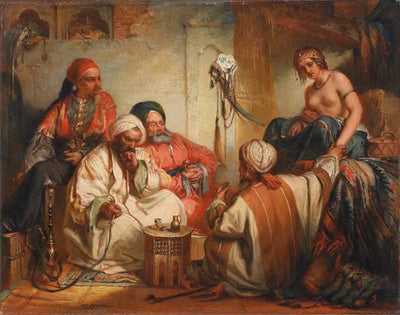
The color palette of The Slave Market is striking, dominated by warm earth tones and deep shadows. Portaels skillfully uses ochres, browns, and reds to evoke a sense of warmth and humanity amidst the somber subject matter. The interplay of light and shadow creates a dramatic atmosphere, drawing the viewer's eye to the central figures and their emotional expressions.
Composition: Arrangement of Figures and Space
Portaels' composition is masterful, with a careful arrangement of figures that guides the viewer's gaze. The central focus is on the enslaved individuals, surrounded by buyers and onlookers. This arrangement emphasizes the power dynamics at play, highlighting the vulnerability of the enslaved against the backdrop of a bustling market. The use of space enhances the narrative, inviting viewers to engage with the scene.
Symbolism in The Slave Market: What the Elements Represent
Every element in The Slave Market carries symbolic weight. The shackles on the enslaved individuals represent oppression and loss of freedom. The buyers' expressions range from indifference to curiosity, reflecting society's varied responses to slavery. The market setting itself symbolizes commodification, where human lives are reduced to mere transactions. Portaels invites viewers to reflect on these symbols and their implications.
Emotional Impact and Viewer Experience
Evoking Empathy: The Human Condition in Art
The Slave Market evokes a profound sense of empathy. Portaels captures the raw emotions of the figures, allowing viewers to connect with their plight. The expressions of despair, fear, and resignation resonate deeply, prompting reflection on the human condition. This emotional engagement is a testament to the power of art to convey complex social issues.
Interpreting the Expressions of the Figures
The expressions of the figures in The Slave Market are haunting. The enslaved individuals display a mix of fear and resignation, while the buyers exhibit a range of emotions from curiosity to apathy. This contrast invites viewers to consider their own feelings about the scene. Portaels' ability to capture these nuanced expressions enhances the painting's emotional depth.
How The Slave Market Engages the Audience
The Slave Market engages the audience through its compelling narrative and emotional resonance. Viewers are drawn into the scene, compelled to confront the harsh realities of slavery. Portaels' masterful storytelling invites reflection on historical injustices and their relevance today. This engagement transforms the viewing experience into a powerful dialogue about humanity and morality.
Artistic Techniques Employed by Portaels
Oil Painting Techniques: Brushwork and Texture
Portaels employed traditional oil painting techniques to create rich textures and depth in The Slave Market. His brushwork varies from fine details in the figures' faces to broader strokes in the background. This technique adds a tactile quality to the painting, enhancing its realism and inviting viewers to explore the intricacies of the scene.
Lighting and Shadow: Creating Depth and Drama
The use of lighting and shadow in The Slave Market is dramatic. Portaels expertly manipulates light to highlight key figures while casting others in shadow. This technique creates a sense of depth and drama, drawing attention to the emotional core of the painting. The contrast between light and dark enhances the overall impact, making the viewer feel the weight of the subject matter.
Realism vs. Romanticism: A Balancing Act in Portaels' Work
Portaels strikes a balance between realism and romanticism in The Slave Market. While he presents a realistic portrayal of the slave market, he infuses the scene with emotional depth characteristic of romanticism. This duality allows the painting to resonate on multiple levels, engaging viewers both intellectually and emotionally.
Thematic Elements in The Slave Market
Slavery and Human Rights: A Timeless Conversation
The Slave Market addresses themes of slavery and human rights, sparking a timeless conversation about dignity and freedom. Portaels' work challenges viewers to reflect on the moral implications of slavery and its legacy. This theme remains relevant today, as discussions about human rights continue to evolve.
Gender Roles and Representation in 19th Century Art
The painting also explores gender roles within the context of 19th-century society. The presence of women in the market, both as enslaved individuals and buyers, highlights the complexities of gender dynamics. Portaels' portrayal invites viewers to consider how gender intersects with issues of power and oppression.
Power Dynamics: The Interplay of Oppression and Vulnerability
Power dynamics are central to The Slave Market. The stark contrast between the enslaved individuals and the buyers illustrates the interplay of oppression and vulnerability. Portaels captures this tension, prompting viewers to reflect on the broader implications of power in society. The painting serves as a powerful commentary on the human experience.
Comparative Analysis with Other Works
Similar Themes in Contemporary and Historical Art
The themes presented in The Slave Market resonate with both contemporary and historical art. Many artists have explored the subject of slavery and human rights, creating a dialogue that spans generations. Portaels' work stands out for its emotional depth and historical context, making it a significant contribution to this ongoing conversation.
Portaels vs. Other 19th Century Artists: A Comparative Study
When compared to other 19th-century artists, Portaels' approach to The Slave Market is unique. While many artists focused on idealized subjects, Portaels confronted harsh realities. His willingness to tackle difficult themes sets him apart, showcasing his commitment to social commentary through art.
Influence of The Slave Market on Modern Art
The Slave Market has influenced modern artists who address themes of oppression and human rights. Portaels' ability to evoke empathy and provoke thought continues to inspire contemporary creators. The painting's legacy endures, reminding us of the power of art to challenge societal norms and inspire change.
Preservation and Legacy of The Slave Market
Current Location and Exhibition History
The Slave Market is currently housed in a prominent museum, where it is part of the permanent collection. Over the years, it has been featured in various exhibitions, drawing attention to its historical significance and artistic merit. The painting's journey through different exhibitions highlights its enduring relevance.
Restoration Efforts: Maintaining the Integrity of the Artwork
Restoration efforts have been crucial in preserving The Slave Market for future generations. Experts have worked diligently to maintain the painting's integrity, ensuring that its colors and details remain vibrant. These efforts reflect a commitment to honoring Portaels' legacy and the importance of this work in art history.
The Impact of The Slave Market on Art Collectors and Enthusiasts
The Slave Market has left a lasting impact on art collectors and enthusiasts. Its powerful themes and emotional depth make it a sought-after piece for those who appreciate historical art. Collectors recognize the significance of Portaels' work, and its presence in collections elevates discussions about art and social issues.
Frequently Asked Questions About The Slave Market
What is the story behind The Slave Market painting?
The Slave Market depicts a scene from the 19th-century slave trade, highlighting the human cost of this dark chapter in history. Portaels aimed to evoke empathy and provoke thought about the realities of slavery.
How does The Slave Market reflect the social issues of its time?
The painting reflects the social issues of its time by confronting the realities of slavery and colonialism. It serves as a commentary on the exploitation and dehumanization that occurred during this period.
What techniques did Jean-François Portaels use in this painting?
Portaels used traditional oil painting techniques, focusing on brushwork, texture, and the interplay of light and shadow to create depth and emotional resonance.
What emotions does The Slave Market evoke in viewers?
The Slave Market evokes a range of emotions, including empathy, sadness, and anger. Viewers are compelled to confront the harsh realities of slavery and reflect on its implications.
How has The Slave Market been received by art critics?
Art critics have praised The Slave Market for its emotional depth and historical significance. The painting is recognized as a powerful commentary on slavery and human rights.
Are there any notable exhibitions featuring The Slave Market?
Yes, The Slave Market has been featured in several notable exhibitions, showcasing its importance in art history and its relevance to contemporary discussions about human rights.
What should I know about reproducing The Slave Market?
When reproducing The Slave Market, it's essential to choose high-quality painting reproductions. These reproductions capture the texture and depth of the original artwork, offering a superior experience compared to standard prints.
How can I appreciate the details in a reproduction of The Slave Market?
To appreciate the details in a reproduction of The Slave Market, take time to observe the brushwork, color palette, and emotional expressions of the figures. Engaging with the artwork on a personal level enhances your understanding and appreciation of Portaels' masterful technique.
 4.9/5
4.9/5