 4.9/5
4.9/5


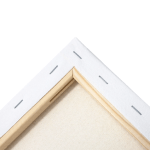

SAMPLES OF QUALITY
Recent Hand-Painted Reproductions
Discover some of our latest oil paintings, each one carefully hand-painted on canvas.

AS SEEN IN





Handmade Oil Painting on Canvas Art Reproduction, Museum-quality

The six dominant colors measured from the painting, with the share of canvas each one covers. Click a swatch to copy its hex code.
Processing & Shipping Time
Your delivery time includes two parts:
Shipping Methods
We ship with trusted couriers like FedEx, UPS, and DHL. Every shipment includes a tracking code.
Our goal is to deliver your order safely and quickly.
Shipment Safety Measures
We handle your products with care so they arrive in perfect condition:
Every product is insured and delivered right to your door, so you can feel confident buying from us.
Every Art & See painting is created by artists with 15+ years of experience using professional-grade oil paints and premium linen canvas with UV-resistant protective coating, the same museum-grade materials used in galleries worldwide. Each piece goes through quality review before your approval photos are taken. If after delivery you have any concerns about your painting, contact us at [email protected] and our team will work with you on the best path forward.
Full Warranty
Every painting is protected against physical damage during shipping. If your painting arrives damaged, we repair or replace it, free of charge.
Coverage Details
Transit damage (crushed, torn, water damage): we repair or replace at no cost. Please note that damages resulting from accidents or inappropriate use are not covered under this warranty.
Repair or Replace
Depending on the extent of damage, the affected painting will either be repaired or replaced at no additional cost to you.
Free Service
All warranty services are provided absolutely free of charge.
We want you to absolutely love your handmade artwork. Here's how it works:
In the rare case you approve the photos and the artwork has been shipped and delivered to you, and you still want additional modification requests, we can handle it as a courtesy at our discretion. If accepted, you cover the return shipping cost.
| Type | Hand-Painted Oil Painting Reproduction |
| Original Artist | Jean Baptiste Vanmour |
| Price Range | $350 to $1,150 |
| Shipping | Free Worldwide |
| Quality | Preview & Approve Before Shipping |
| Medium | Oil on Canvas |
| Canvas | Museum-Grade Linen Canvas |
| Technique | Hand-painted brushstroke-by-brushstroke |
| Art Style | Orientalism |
| Period | 18th Century |
| Artist Nationality | French |
| Orientation | Horizontal |
| Subject | Cultural heritage religious, Portraits group |
| Available Sizes | 7 (21'' W × 15'' H to 69'' W × 51'' H, including the original size), plus custom sizes |
| Framing Options | Unframed, Stretched Canvas, Classic & Modern Frames |
| Delivery | 14–28 business days |
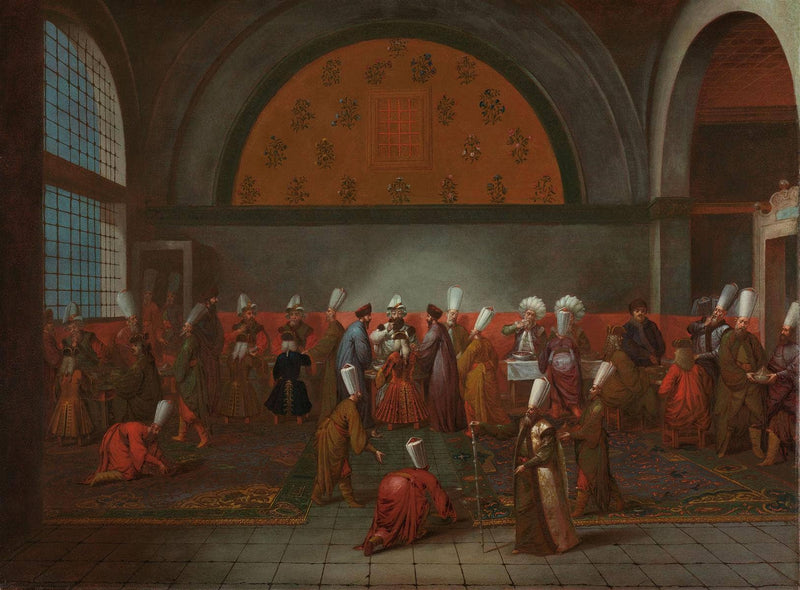
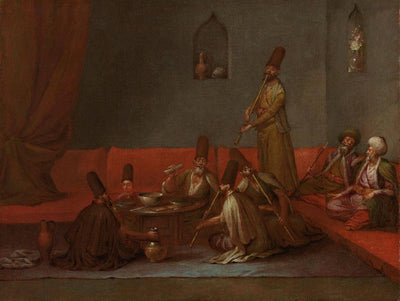
The meal offered to Ambassador Cornelis Calkoen on September 14, 1727, stands as a pivotal moment in the intricate tapestry of Dutch-Ottoman relations. This event occurred during a time when the Ottoman Empire was a dominant power, and the Netherlands sought to strengthen its diplomatic ties. The meeting symbolized not just a culinary exchange but also a strategic alliance between two influential nations.
Sultan Ahmed III, who reigned from 1703 to 1730, played a crucial role in shaping Ottoman diplomacy. His reign was marked by efforts to modernize the empire and enhance its international standing. Ahmed III's hospitality towards foreign envoys, like Calkoen, showcased his commitment to fostering peaceful relations and cultural exchange.
Cornelis Calkoen was not just any diplomat; he was a key figure in the Dutch Republic's foreign affairs. His mission to the Ottoman Empire was significant, as it aimed to secure trade agreements and political alliances. Calkoen's presence at this lavish meal highlighted the importance of diplomacy in the 18th century, where personal relationships often influenced political outcomes.
Jean Baptiste Vanmour was a master of capturing the essence of his subjects through oil painting. His technique involved meticulous attention to detail and a vibrant color palette that brought life to his works. Vanmour's ability to blend realism with a touch of idealism made his paintings stand out in the realm of 18th-century art.
Vanmour's work reflects the significant influence of European artistic traditions on Ottoman portraiture. He skillfully integrated Western styles with Eastern themes, creating a unique fusion that appealed to both cultures. This cross-cultural exchange enriched the visual language of the time and paved the way for future artists.
Through his paintings, Vanmour became a bridge between the East and West. His depictions of Ottoman life, including the meal with Calkoen, provided Europeans with a glimpse into the rich culture of the Ottoman Empire. This cultural exchange fostered greater understanding and appreciation between the two worlds.
The color palette of Vanmour's painting is rich and evocative. Warm tones dominate the scene, symbolizing hospitality and abundance. The use of deep reds and golds not only captures the viewer's attention but also conveys the opulence of the Ottoman court.
The composition of the painting is carefully arranged to highlight the interaction between Calkoen and the Grand Vizier. The placement of figures and objects creates a sense of balance and harmony, drawing the viewer's eye to the central act of sharing a meal, which is a powerful symbol of diplomacy.
Vanmour's use of oil paint allows for incredible detail and texture in the artwork. The rich, glossy finish enhances the visual experience, making the fabrics of the clothing and the intricate designs of the tableware come alive. This attention to detail invites viewers to explore the painting closely.
The meal depicted in the painting showcases traditional Ottoman cuisine, which was known for its variety and richness. Dishes such as kebabs, pilafs, and an array of fruits and sweets reflect the culinary sophistication of the time. Each dish tells a story of cultural heritage and the importance of food in social gatherings.
Dining in the 18th century Ottoman Empire was steeped in etiquette and ritual. The act of sharing a meal was not just about nourishment; it was a ceremonial event that reinforced social bonds and diplomatic ties. Guests were treated with utmost respect, and the presentation of food was an art form in itself.
Food played a vital role in diplomacy during this period. Sharing a meal was a gesture of goodwill and trust. It allowed diplomats to engage in meaningful conversations while enjoying the finest dishes, thus elevating their social status and strengthening alliances.
Hospitality is a cornerstone of Ottoman culture, symbolizing generosity and respect. The meal offered to Calkoen exemplifies this tradition, showcasing the empire's commitment to welcoming foreign dignitaries. This act of hospitality was not only a cultural norm but also a strategic diplomatic tool.
The interaction between Calkoen and the Grand Vizier is rich with power dynamics. The Grand Vizier, as the Sultan's chief minister, held significant authority. Calkoen's respectful demeanor and engagement in the meal reflect the delicate balance of power in diplomatic relations.
This painting serves as a visual representation of political alliances. The shared meal symbolizes the mutual respect and cooperation between the Dutch Republic and the Ottoman Empire. Art, in this context, becomes a powerful medium for expressing political narratives and cultural connections.
Vanmour's work has left a lasting impact on subsequent artists and art movements. His unique blend of Eastern and Western styles inspired many painters to explore cross-cultural themes. The painting continues to be a reference point for artists interested in depicting diplomatic and cultural exchanges.
Today, Vanmour's works are preserved in various museums and galleries, showcasing the rich history of Ottoman art. Exhibitions often highlight his contributions to cultural exchange, allowing modern audiences to appreciate the depth of his artistry and the historical context of his paintings.
This painting influences modern interpretations of diplomacy by emphasizing the importance of personal relationships in international affairs. It serves as a reminder that diplomacy is not just about politics but also about understanding and respecting different cultures through shared experiences.
The meal represents a significant diplomatic event between the Dutch Republic and the Ottoman Empire, highlighting the importance of food in fostering international relations.
The painting features Ambassador Cornelis Calkoen and the Grand Vizier, showcasing their roles in the diplomatic exchange.
The artwork reveals the richness of Ottoman cuisine, the importance of hospitality, and the intricate social customs of the time.
Vanmour's style uniquely blended European artistic techniques with Ottoman themes, creating a distinctive visual language that set him apart from his contemporaries.
Notable features include the careful arrangement of figures, the vibrant color palette, and the detailed depiction of traditional Ottoman dishes.
To appreciate its cultural significance, consider the historical context, the themes of diplomacy, and the rich traditions of Ottoman hospitality depicted in the painting.
Reproductions of this painting are superior to prints, as they capture the depth and texture of the original oil painting, allowing for a more authentic viewing experience.
While specific exhibitions may vary, many art institutions showcase Vanmour's works, highlighting their historical and cultural importance in the context of Ottoman art.

Discover some of our latest oil paintings, each one carefully hand-painted on canvas.
At Art & See, we're committed to delivering the highest quality art reproductions. Our team of expert artists and state-of-the-art processes ensure that each piece is a masterpiece in its own right.

Experience your masterpiece's creation through daily photos from our expert artists, each with 15+ years of experience.

Your artwork travels first class via UPS, FedEx, or DHL, protected by museum-grade packaging for safe delivery.

Review unedited photos of your finished painting and request unlimited free revisions before it ships. We only ship when you say it's perfect.

Every piece is crafted with archival materials, UV-resistant finishes, and premium British paints to last generations.

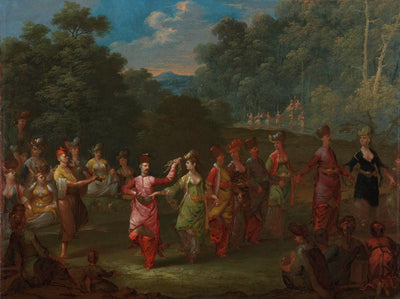
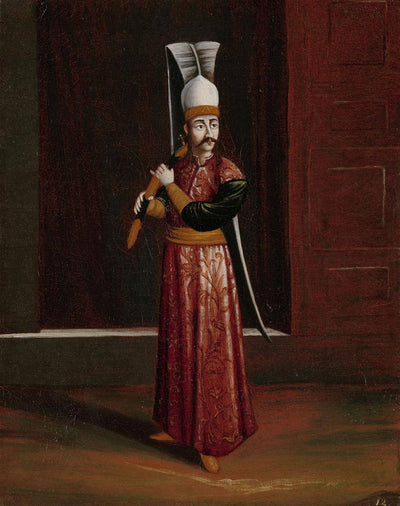
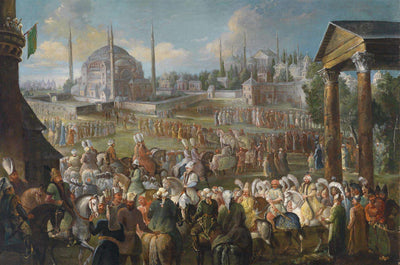

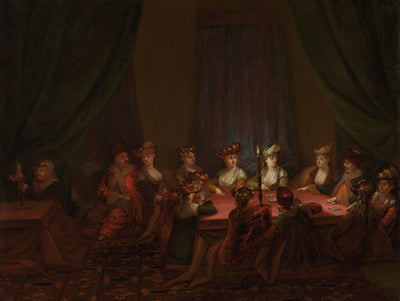
Yes, 100% hand-painted with oil on canvas by artists with 15+ years of experience. No prints, no digital shortcuts. You'll see and feel real brushstrokes, just like the original Jean Baptiste Vanmour masterpiece.
Your The meal offered to Ambassador Cornelis Calkoen by the Grand Vizier on behalf of Sultan Ahmed III, 14 September 1727 reproduction takes 2–5 weeks to hand-paint depending on size and detail. Once approved, shipping takes 5–8 days via FedEx, UPS, or DHL with full tracking. Free worldwide shipping included.
Absolutely. Once your The meal offered to Ambassador Cornelis Calkoen by the Grand Vizier on behalf of Sultan Ahmed III, 14 September 1727 is complete, we send you unedited photos, a full view and close-up details. Request unlimited free revisions until you're 100% satisfied. We don't ship until you say "yes."
Every painting goes through our Preview & Approve process: you receive unedited photos of your finished Jean Baptiste Vanmour reproduction and can request unlimited free revisions before it ships. We only ship when you say it's perfect. If after delivery you have any concerns, contact us at [email protected] and our team will work with you on the best path forward.
Professional-grade oil paints (Windsor & Newton) on premium linen canvas with UV-resistant protective coating. Museum-grade materials built to last generations, the same quality used in galleries worldwide.
Our artists specialize in Jean Baptiste Vanmour's technique: color accuracy, brushwork, and composition are matched to the original. Every reproduction goes through quality review before your approval photos are taken.
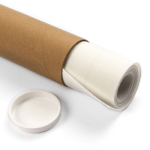
Every painting is insured and delivered door-to-door. Unframed paintings ship in protective hard tubes. Framed paintings are bubble-wrapped in sturdy boxes. If anything arrives damaged, we repair or replace it free.
Dive into the vibrant world of Historic Art. Discover your next painting today.
