 4.7/5
4.7/5






SAMPLES OF QUALITY
Recent Hand-Painted Reproductions
Discover some of our latest oil paintings, each one carefully hand-painted on canvas.


AS SEEN IN


Handmade Oil Painting on Canvas Art Reproduction, Museum-quality
Original size: the exact size James McNeill Whistler painted it.
Not the size you want? Type your width and height and we'll paint it to fit, 12 to 80 in (30 to 203 cm) per side.

The six dominant colors measured from the painting, with the share of canvas each one covers. Click a swatch to copy its hex code.
Processing & Shipping Time
Your delivery time includes two parts:
Shipping Methods
We ship with trusted couriers like FedEx, UPS, and DHL. Every shipment includes a tracking code.
Our goal is to deliver your order safely and quickly.
Shipment Safety Measures
We handle your products with care so they arrive in perfect condition:
Every product is insured and delivered right to your door, so you can feel confident buying from us.
Every Art & See painting is created by artists with 15+ years of experience using professional-grade oil paints and premium linen canvas with UV-resistant protective coating, the same museum-grade materials used in galleries worldwide. Each piece goes through quality review before your approval photos are taken. If after delivery you have any concerns about your painting, contact us at [email protected] and our team will work with you on the best path forward.
Full Warranty
Every painting is protected against physical damage during shipping. If your painting arrives damaged, we repair or replace it, free of charge.
Coverage Details
Transit damage (crushed, torn, water damage): we repair or replace at no cost. Please note that damages resulting from accidents or inappropriate use are not covered under this warranty.
Repair or Replace
Depending on the extent of damage, the affected painting will either be repaired or replaced at no additional cost to you.
Free Service
All warranty services are provided absolutely free of charge.
We want you to absolutely love your handmade artwork. Here's how it works:
In the rare case you approve the photos and the artwork has been shipped and delivered to you, and you still want additional modification requests, we can handle it as a courtesy at our discretion. If accepted, you cover the return shipping cost.
| Type | Hand-Painted Oil Painting Reproduction |
| Original Artist | James McNeill Whistler |
| Price Range | $350 to $1,150 |
| Shipping | Free Worldwide |
| Quality | Preview & Approve Before Shipping |
| Medium | Oil on Canvas |
| Canvas | Museum-Grade Linen Canvas |
| Technique | Hand-painted brushstroke-by-brushstroke |
| Art Style | Symbolism |
| Period | 19th Century |
| Artist Nationality | American |
| Orientation | Vertical |
| Subject | Cultural heritage mythology, Portraits female, Portraits male |
| Available Sizes | 7 (14'' W × 22'' H to 48'' W × 72'' H, including the original size), plus custom sizes |
| Framing Options | Unframed, Stretched Canvas, Classic & Modern Frames |
| Delivery | 14–28 business days |
| Size | 53 × 81.8 cm (21 × 32 in) |
| Year | 1857 |
Jean-Auguste-Dominique Ingres created "Roger Deliverant Angelique" during the Romantic Era, a time marked by emotional expression and individualism. This period celebrated the beauty of nature and the complexities of human emotions. Ingres, while rooted in Neoclassicism, embraced Romantic ideals, blending them into his unique artistic vision. His work reflects the tension between classical restraint and the passionate themes of Romanticism.
Neoclassicism emphasized order, symmetry, and rationality, drawing inspiration from ancient Greece and Rome. In contrast, Romanticism focused on emotion, imagination, and the sublime. Ingres navigated these movements, creating a bridge between the two. His "Roger Deliverant Angelique" showcases this duality, with its precise lines and emotive subject matter, inviting viewers to explore deeper meanings.
James McNeill Whistler, known for his innovative approach to art, admired Ingres' mastery. Whistler's reproduction of "Roger Deliverant Angelique" captures the essence of Ingres' original while infusing it with his own impressionistic style. This interpretation highlights the delicate interplay of light and shadow, enhancing the emotional depth of the scene. Whistler's work serves as a testament to Ingres' lasting influence on subsequent generations of artists.
The composition of "Roger Deliverant Angelique" is a harmonious blend of figures and landscape. Ingres employs a balanced arrangement, drawing the viewer's eye to the central figures of Roger and Angelique. The color palette features soft pastels and rich earth tones, creating a serene atmosphere. This careful selection of colors enhances the painting's emotional impact, inviting contemplation.
In the painting, Roger represents bravery and chivalry, while Angelique embodies purity and grace. Their interaction symbolizes the themes of love and liberation. The figures are depicted with exquisite detail, showcasing Ingres' skill in rendering human anatomy. The subtle expressions on their faces convey a deep emotional connection, inviting viewers to ponder their story.
Ingres masterfully uses light and shadow to create depth and dimension in "Roger Deliverant Angelique." The soft illumination highlights the figures, while the surrounding landscape fades into gentle shadows. This technique not only enhances the three-dimensionality of the painting but also evokes a sense of tranquility and introspection, drawing the viewer into the moment.
The relationship between Roger and Angelique is central to the painting's narrative. Their connection represents the triumph of love over adversity. As Roger rescues Angelique, the scene captures a moment of emotional intensity, symbolizing hope and redemption. This theme resonates with viewers, making the painting timeless and relatable.
The lush landscape surrounding the figures adds layers of meaning to the artwork. The natural setting symbolizes freedom and the beauty of the world outside societal constraints. The flowing river and verdant trees create a backdrop that enhances the narrative of liberation and love. This connection to nature reflects the Romantic ideal of finding solace in the natural world.
Ingres captures a fleeting moment filled with emotion in "Roger Deliverant Angelique." The expressions and body language of the figures convey a sense of urgency and tenderness. This emotional resonance invites viewers to connect with the characters on a personal level, making the painting a powerful exploration of human experience.
James McNeill Whistler was a pioneer of modern art, known for his innovative techniques and unique philosophy. He believed in the importance of color and composition over strict representation. In his reproduction of "Roger Deliverant Angelique," Whistler emphasizes the emotional qualities of the scene, using loose brushwork and a vibrant color palette to evoke feelings rather than merely depict reality.
Whistler's artistic journey was influenced by both Ingres and the Impressionist movement. He admired Ingres' precision and attention to detail while also embracing the spontaneity of Impressionism. This blend of influences is evident in his interpretation of "Roger Deliverant Angelique," where he captures the essence of the original while infusing it with his own modern sensibilities.
Whistler's work serves as a bridge between classical and modern art. His ability to reinterpret traditional themes through a contemporary lens has left a lasting impact on the art world. By reproducing "Roger Deliverant Angelique," Whistler not only honors Ingres' legacy but also invites new generations to appreciate the beauty of classical art in a modern context.
Ingres' original painting is characterized by its Neoclassical precision, with meticulous attention to detail and form. In contrast, Whistler's interpretation showcases impressionistic fluidity, with softer lines and a more dynamic composition. This difference in style highlights the evolution of art and the diverse ways artists can express similar themes.
Both Ingres and Whistler evoke strong emotions, but they do so in different ways. Ingres' work elicits a sense of calm and contemplation through its structured composition. Whistler, on the other hand, creates a more immediate emotional response with his vibrant colors and dynamic brushwork. Each artist's approach offers a unique experience for the viewer.
Engaging with both Ingres' and Whistler's interpretations of "Roger Deliverant Angelique" allows viewers to appreciate the richness of artistic expression. Each version invites contemplation and emotional connection, showcasing the timeless nature of the themes explored. This duality enhances the viewer's experience, offering a deeper understanding of the artwork's significance.
Investing in art, particularly works by Ingres, can be a wise decision. His paintings have consistently appreciated in value over time. "Roger Deliverant Angelique" stands out as a prime example of his talent, making it a valuable addition to any collection. Collectors recognize the potential for long-term value in acquiring such masterpieces.
When displaying "Roger Deliverant Angelique," consider the lighting and placement to enhance its beauty. Use soft, diffused lighting to highlight the painting's colors and details. Position it at eye level to invite viewers to engage with the artwork. A well-curated display can elevate the overall aesthetic of your space, showcasing the painting's significance.
The story behind "Roger Deliverant Angelique" is rooted in the epic poem "Orlando Furioso" by Ludovico Ariosto. The painting depicts the moment when Roger rescues Angelique, symbolizing love and bravery. This narrative adds depth to the artwork, inviting viewers to explore its themes of heroism and romance.
Ingres employed techniques such as linear perspective, chiaroscuro, and meticulous brushwork in "Roger Deliverant Angelique." His attention to detail and mastery of form create a lifelike representation of the figures, enhancing the painting's emotional impact.
The painting reflects Romantic themes through its focus on emotion, individualism, and the beauty of nature. Ingres captures the intensity of love and the struggle for freedom, aligning with the ideals of the Romantic movement. This connection makes the artwork a significant representation of its time.
Notable features of Roger and Angelique include their expressive faces and dynamic poses. Roger's strong physique and determined expression contrast with Angelique's delicate beauty and vulnerability. These characteristics enhance the narrative of love and rescue, making the figures memorable and relatable.
"Roger Deliverant Angelique" has influenced modern art by inspiring artists to explore themes of love and heroism. Its emotional depth and narrative quality resonate with contemporary audiences, encouraging artists to incorporate storytelling into their work. The painting's legacy continues to inspire new generations of creators.
Reproductions of "Roger Deliverant Angelique" offer a superior alternative to prints. They capture the texture and depth of the original oil painting, providing a more authentic experience. Investing in a high-quality reproduction allows art lovers to enjoy the beauty of Ingres' work in their own homes.
Caring for your reproduction involves keeping it away from direct sunlight to prevent fading. Use a soft, dry cloth to gently dust the surface. If framed, ensure the glass is clean and free of moisture. Proper care will help maintain the beauty of your reproduction for years to come.

Discover some of our latest oil paintings, each one carefully hand-painted on canvas.
At Art & See, we're committed to delivering the highest quality art reproductions. Our team of expert artists and state-of-the-art processes ensure that each piece is a masterpiece in its own right.

Experience your masterpiece's creation through daily photos from our expert artists, each with 15+ years of experience.

Your artwork travels first class via UPS, FedEx, or DHL, protected by museum-grade packaging for safe delivery.

Review unedited photos of your finished painting and request unlimited free revisions before it ships. We only ship when you say it's perfect.

Every piece is crafted with archival materials, UV-resistant finishes, and premium British paints to last generations.
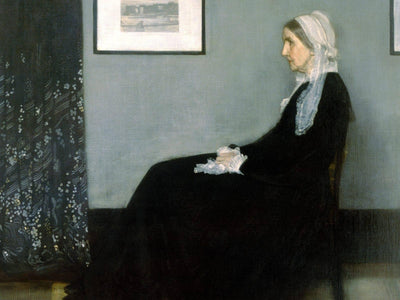


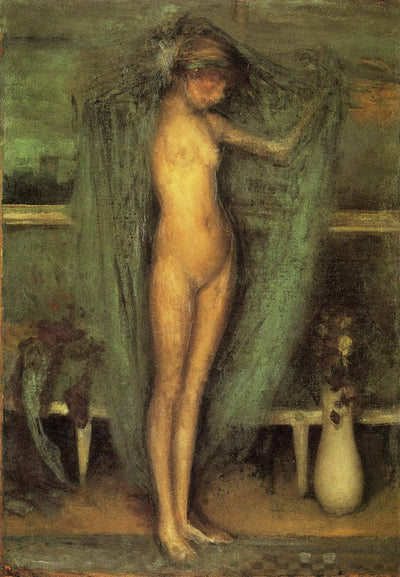
Yes, 100% hand-painted with oil on canvas by artists with 15+ years of experience. No prints, no digital shortcuts. You'll see and feel real brushstrokes, just like the original James McNeill Whistler masterpiece.
Your Ingres, Roger Deliverant Angelique reproduction takes 2–5 weeks to hand-paint depending on size and detail. Once approved, shipping takes 5–8 days via FedEx, UPS, or DHL with full tracking. Free worldwide shipping included.
Absolutely. Once your Ingres, Roger Deliverant Angelique is complete, we send you unedited photos, a full view and close-up details. Request unlimited free revisions until you're 100% satisfied. We don't ship until you say "yes."
Every painting goes through our Preview & Approve process: you receive unedited photos of your finished James McNeill Whistler reproduction and can request unlimited free revisions before it ships. We only ship when you say it's perfect. If after delivery you have any concerns, contact us at [email protected] and our team will work with you on the best path forward.
Professional-grade oil paints (Windsor & Newton) on premium linen canvas with UV-resistant protective coating. Museum-grade materials built to last generations, the same quality used in galleries worldwide.
Our artists specialize in James McNeill Whistler's technique: color accuracy, brushwork, and composition are matched to the original. Every reproduction goes through quality review before your approval photos are taken.
Every painting is insured and delivered door-to-door. Unframed paintings ship in protective hard tubes. Framed paintings are bubble-wrapped in sturdy boxes. If anything arrives damaged, we repair or replace it free.
Dive into the vibrant world of Historic Art. Discover your next painting today.
