4.9/5
4.9/5







SAMPLES OF QUALITY
Recent Hand-Painted Reproductions
Discover some of our latest oil paintings, each one carefully hand-painted on canvas.

AS SEEN IN





Handmade Oil Painting on Canvas Art Reproduction, Museum-quality

The six dominant colors measured from the painting, with the share of canvas each one covers. Click a swatch to copy its hex code.
Processing & Shipping Time
Your delivery time includes two parts:
Shipping Methods
We ship with trusted couriers like FedEx, UPS, and DHL. Every shipment includes a tracking code.
Our goal is to deliver your order safely and quickly.
Shipment Safety Measures
We handle your products with care so they arrive in perfect condition:
Every product is insured and delivered right to your door, so you can feel confident buying from us.
Every Art & See painting is created by artists with 15+ years of experience using professional-grade oil paints and premium linen canvas with UV-resistant protective coating, the same museum-grade materials used in galleries worldwide. Each piece goes through quality review before your approval photos are taken. If after delivery you have any concerns about your painting, contact us at [email protected] and our team will work with you on the best path forward.
Full Warranty
Every painting is protected against physical damage during shipping. If your painting arrives damaged, we repair or replace it, free of charge.
Coverage Details
Transit damage (crushed, torn, water damage): we repair or replace at no cost. Please note that damages resulting from accidents or inappropriate use are not covered under this warranty.
Repair or Replace
Depending on the extent of damage, the affected painting will either be repaired or replaced at no additional cost to you.
Free Service
All warranty services are provided absolutely free of charge.
We want you to absolutely love your handmade artwork. Here's how it works:
In the rare case you approve the photos and the artwork has been shipped and delivered to you, and you still want additional modification requests, we can handle it as a courtesy at our discretion. If accepted, you cover the return shipping cost.
| Type | Hand-Painted Oil Painting Reproduction |
| Original Artist | Jacopo Vignali |
| Price Range | $350 to $1,150 |
| Shipping | Free Worldwide |
| Quality | Preview & Approve Before Shipping |
| Medium | Oil on Canvas |
| Canvas | Museum-Grade Linen Canvas |
| Technique | Hand-painted brushstroke-by-brushstroke |
| Art Style | Baroque |
| Artist Nationality | Italian |
| Orientation | Vertical |
| Subject | Portraits male |
| Available Sizes | 7 (16'' W × 20'' H to 48'' W × 72'' H, including the original size), plus custom sizes |
| Framing Options | Unframed, Stretched Canvas, Classic & Modern Frames |
| Delivery | 14–28 business days |
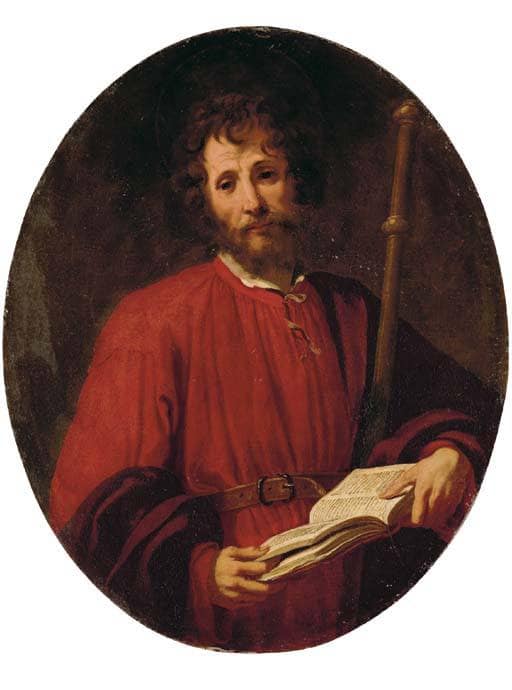
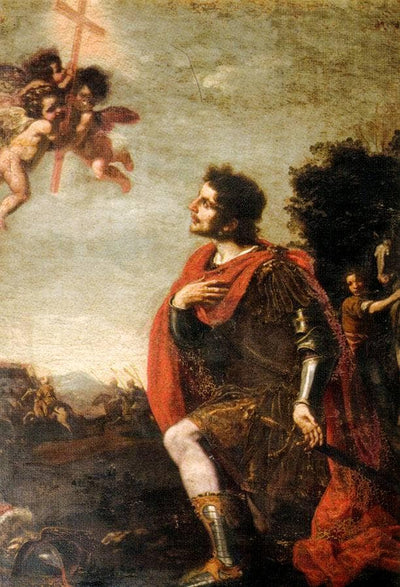
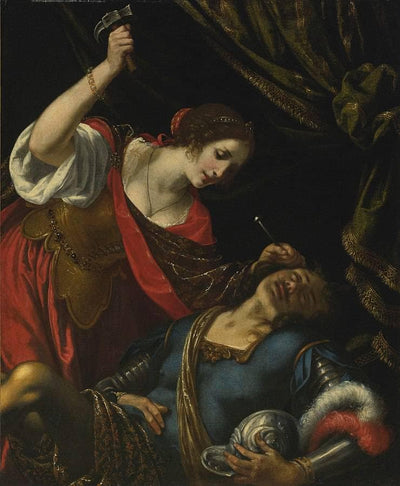
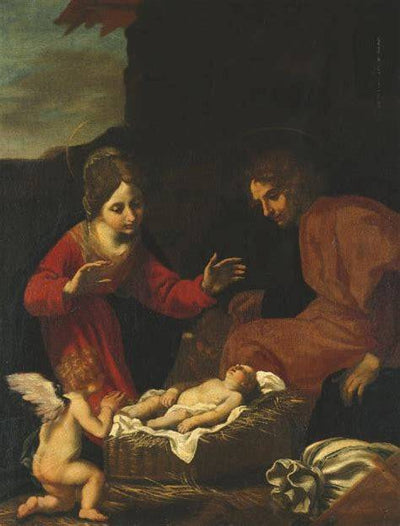
Saint James the Greater, one of the twelve apostles, holds a significant place in Christian tradition. He is often depicted as a symbol of faith and pilgrimage. His journey to spread the teachings of Jesus Christ led him to Spain, where he became the patron saint. This connection to pilgrimage is vital, as many Christians travel to Santiago de Compostela, where his remains are believed to rest. The scallop shell, a symbol of his journey, represents the spiritual path of believers.
Jacopo Vignali, born in 1592 in Florence, was a prominent figure in the Baroque art movement. He trained under the guidance of notable artists, including the renowned painter, Michelangelo Merisi da Caravaggio. Vignali's work reflects a deep understanding of light, shadow, and human emotion. His dedication to capturing the divine in his subjects sets him apart from his contemporaries. Vignali's artistic journey was marked by a blend of traditional techniques and innovative approaches, making him a key player in the evolution of Baroque art.
The Baroque art movement, flourishing in the 17th century, is characterized by dramatic expressions, rich colors, and intricate details. Artists aimed to evoke emotional responses through their work. Vignali's "Saint James the Greater" exemplifies these traits, showcasing a dynamic composition and a profound sense of spirituality. The movement's influence extended beyond Italy, impacting artists across Europe and shaping the future of Western art.
The color palette of "Saint James the Greater" is rich and vibrant, featuring deep reds, golds, and earthy tones. These colors symbolize passion, divinity, and the earthly journey of the saint. The warm hues create an inviting atmosphere, drawing viewers into the spiritual narrative. Vignali's choice of colors enhances the emotional depth of the painting, inviting contemplation and reflection.
Vignali employs masterful composition techniques in this artwork. The arrangement of figures and elements creates a sense of balance and harmony. Saint James is positioned centrally, commanding attention. The surrounding angelic figures and symbolic objects guide the viewer's gaze, emphasizing the saint's importance. This thoughtful composition enhances the overall impact of the painting.
The facial expressions in "Saint James the Greater" convey a sense of divine serenity and inner peace. Vignali captures the saint's contemplative nature, reflecting his deep faith and commitment. The subtle nuances in the characters' expressions invite viewers to connect with the spiritual essence of the scene. This attention to detail showcases Vignali's skill in portraying human emotion.
In the painting, Saint James is depicted holding a pilgrim's staff and wearing a traditional cloak. These attributes signify his role as a guide for pilgrims. The staff represents his journey, while the cloak symbolizes his humility and dedication to faith. Vignali's portrayal emphasizes the saint's significance in Christian art and his enduring legacy as a protector of travelers.
The scallop shell, prominently featured in the painting, is a powerful symbol of pilgrimage. It represents the journey of faith and the transformative experience of seeking spiritual enlightenment. This imagery connects Saint James to the broader theme of pilgrimage in Christianity, inviting viewers to reflect on their own spiritual journeys.
Vignali includes angelic figures in the composition, symbolizing divine guidance and protection. These ethereal beings enhance the spiritual atmosphere of the painting. Their presence serves as a reminder of the heavenly support available to those on their faith journey. The interplay between the saint and the angels creates a harmonious connection between the earthly and the divine.
Vignali's mastery of oil painting techniques is evident in "Saint James the Greater." He skillfully employs layering and glazing to achieve depth and luminosity. This method allows for rich textures and vibrant colors, enhancing the overall visual impact. The careful application of paint creates a sense of realism that draws viewers into the scene.
The use of chiaroscuro, the contrast between light and shadow, is a hallmark of Vignali's style. In this painting, he expertly manipulates light to highlight Saint James and create a dramatic effect. The interplay of light and shadow adds depth to the figures, enhancing their three-dimensionality. This technique not only emphasizes the saint's importance but also evokes a sense of divine presence.
Vignali's brushwork showcases his attention to detail and texture. The delicate strokes create lifelike representations of fabric, skin, and other elements. This meticulous approach adds richness to the painting, inviting viewers to explore its intricacies. The textures contribute to the overall realism, making the scene feel alive and engaging.
While both Vignali and Caravaggio were influential in the Baroque movement, their styles differ significantly. Caravaggio is known for his dramatic use of light and intense realism, often depicting raw human emotion. In contrast, Vignali's work, including "Saint James the Greater," leans towards a more serene and spiritual representation. This contrast highlights the diversity within the Baroque movement.
Vignali's artistic development was shaped by the Renaissance masters, particularly Michelangelo and Raphael. Their emphasis on human anatomy and composition influenced Vignali's approach to figure painting. He combined these classical elements with the emotional depth characteristic of the Baroque style, creating a unique artistic voice that resonates in "Saint James the Greater."
Jacopo Vignali's legacy extends beyond his lifetime. His innovative techniques and spiritual themes inspired future generations of artists. His ability to blend realism with divine representation paved the way for new artistic expressions. Vignali's influence can be seen in the works of later Baroque and Rococo artists, ensuring his place in art history.
The original "Saint James the Greater" is housed in a prominent museum, attracting art enthusiasts from around the world. Visitors can explore the rich history of the painting and its significance in the Baroque movement. Accessibility options make it easy for everyone to experience this masterpiece firsthand.
Art conservation efforts play a crucial role in preserving Vignali's work for future generations. Experts use advanced techniques to restore and maintain the painting's integrity. These efforts ensure that the vibrant colors and intricate details remain intact, allowing viewers to appreciate the artwork as it was intended.
Guided tours of the museum provide an enriching experience for visitors. Knowledgeable guides share insights into the painting's history, techniques, and symbolism. This interactive approach deepens the understanding of "Saint James the Greater," making the visit memorable and educational.
Saint James is significant in Christian art as a symbol of faith, pilgrimage, and divine guidance. His portrayal often emphasizes his role as a protector of travelers and a figure of spiritual devotion.
Jacopo Vignali contributed to the Baroque movement through his innovative use of light, color, and emotional depth. His works reflect the spiritual themes and dramatic expressions characteristic of the era.
The key elements of the painting's composition include the central positioning of Saint James, the balance of figures, and the use of light to guide the viewer's gaze. These elements create a harmonious and impactful visual experience.
Symbols in "Saint James the Greater" include the scallop shell, representing pilgrimage, and the staff, signifying guidance. The angelic figures symbolize divine support and protection.
Vignali's use of warm, rich colors creates an inviting and contemplative mood. The color palette enhances the emotional depth of the painting, inviting viewers to connect with its spiritual themes.
More information about the original painting can be found in art history books, museum catalogs, and online resources dedicated to Baroque art and Jacopo Vignali's works.
When purchasing a reproduction of "Saint James the Greater," consider the quality of materials, the artist's technique, and the level of detail. Look for reproductions that capture the essence of the original painting.
To ensure the quality of the reproduction matches the original, choose a reputable art reproduction company. Look for reproductions created using traditional oil painting techniques, as they offer a superior representation compared to prints.

Discover some of our latest oil paintings, each one carefully hand-painted on canvas.
At Art & See, we're committed to delivering the highest quality art reproductions. Our team of expert artists and state-of-the-art processes ensure that each piece is a masterpiece in its own right.

Experience your masterpiece's creation through daily photos from our expert artists, each with 15+ years of experience.

Your artwork travels first class via UPS, FedEx, or DHL, protected by museum-grade packaging for safe delivery.

Review unedited photos of your finished painting and request unlimited free revisions before it ships. We only ship when you say it's perfect.

Every piece is crafted with archival materials, UV-resistant finishes, and premium British paints to last generations.
Yes, 100% hand-painted with oil on canvas by artists with 15+ years of experience. No prints, no digital shortcuts. You'll see and feel real brushstrokes, just like the original Jacopo Vignali masterpiece.
Your Saint James the Greater reproduction takes 2–5 weeks to hand-paint depending on size and detail. Once approved, shipping takes 5–8 days via FedEx, UPS, or DHL with full tracking. Free worldwide shipping included.
Absolutely. Once your Saint James the Greater is complete, we send you unedited photos, a full view and close-up details. Request unlimited free revisions until you're 100% satisfied. We don't ship until you say "yes."
Every painting goes through our Preview & Approve process: you receive unedited photos of your finished Jacopo Vignali reproduction and can request unlimited free revisions before it ships. We only ship when you say it's perfect. If after delivery you have any concerns, contact us at [email protected] and our team will work with you on the best path forward.
Professional-grade oil paints (Windsor & Newton) on premium linen canvas with UV-resistant protective coating. Museum-grade materials built to last generations, the same quality used in galleries worldwide.
Our artists specialize in Jacopo Vignali's technique: color accuracy, brushwork, and composition are matched to the original. Every reproduction goes through quality review before your approval photos are taken.
Every painting is insured and delivered door-to-door. Unframed paintings ship in protective hard tubes. Framed paintings are bubble-wrapped in sturdy boxes. If anything arrives damaged, we repair or replace it free.
Dive into the vibrant world of Historic Art. Discover your next painting today.

![[Unkown] by Jacopo Vignali, oil painting reproduction](http://art-and-see.com/cdn/shop/files/unkown_4369571f-9614-41e0-ac2e-4ecfb898a1fa.jpg?v=1752683041&width=400)