 4.9/5
4.9/5



SAMPLES OF QUALITY
Recent Hand-Painted Reproductions
Discover some of our latest oil paintings, each one carefully hand-painted on canvas.

AS SEEN IN





Handmade Oil Painting on Canvas Art Reproduction, Museum-quality

The six dominant colors measured from the painting, with the share of canvas each one covers. Click a swatch to copy its hex code.
Processing & Shipping Time
Your delivery time includes two parts:
Shipping Methods
We ship with trusted couriers like FedEx, UPS, and DHL. Every shipment includes a tracking code.
Our goal is to deliver your order safely and quickly.
Shipment Safety Measures
We handle your products with care so they arrive in perfect condition:
Every product is insured and delivered right to your door, so you can feel confident buying from us.
Every Art & See painting is created by artists with 15+ years of experience using professional-grade oil paints and premium linen canvas with UV-resistant protective coating, the same museum-grade materials used in galleries worldwide. Each piece goes through quality review before your approval photos are taken. If after delivery you have any concerns about your painting, contact us at [email protected] and our team will work with you on the best path forward.
Full Warranty
Every painting is protected against physical damage during shipping. If your painting arrives damaged, we repair or replace it, free of charge.
Coverage Details
Transit damage (crushed, torn, water damage): we repair or replace at no cost. Please note that damages resulting from accidents or inappropriate use are not covered under this warranty.
Repair or Replace
Depending on the extent of damage, the affected painting will either be repaired or replaced at no additional cost to you.
Free Service
All warranty services are provided absolutely free of charge.
We want you to absolutely love your handmade artwork. Here's how it works:
In the rare case you approve the photos and the artwork has been shipped and delivered to you, and you still want additional modification requests, we can handle it as a courtesy at our discretion. If accepted, you cover the return shipping cost.
| Type | Hand-Painted Oil Painting Reproduction |
| Original Artist | Jacob Jordaens |
| Price Range | $350 to $1,150 |
| Shipping | Free Worldwide |
| Quality | Preview & Approve Before Shipping |
| Medium | Oil on Canvas |
| Canvas | Museum-Grade Linen Canvas |
| Technique | Hand-painted brushstroke-by-brushstroke |
| Art Style | Baroque |
| Artist Nationality | Flemish |
| Orientation | Square |
| Subject | Portraits group |
| Available Sizes | 7 (16'' W × 16'' H to 60'' W × 60'' H, including the original size), plus custom sizes |
| Framing Options | Unframed, Stretched Canvas, Classic & Modern Frames |
| Delivery | 14–28 business days |
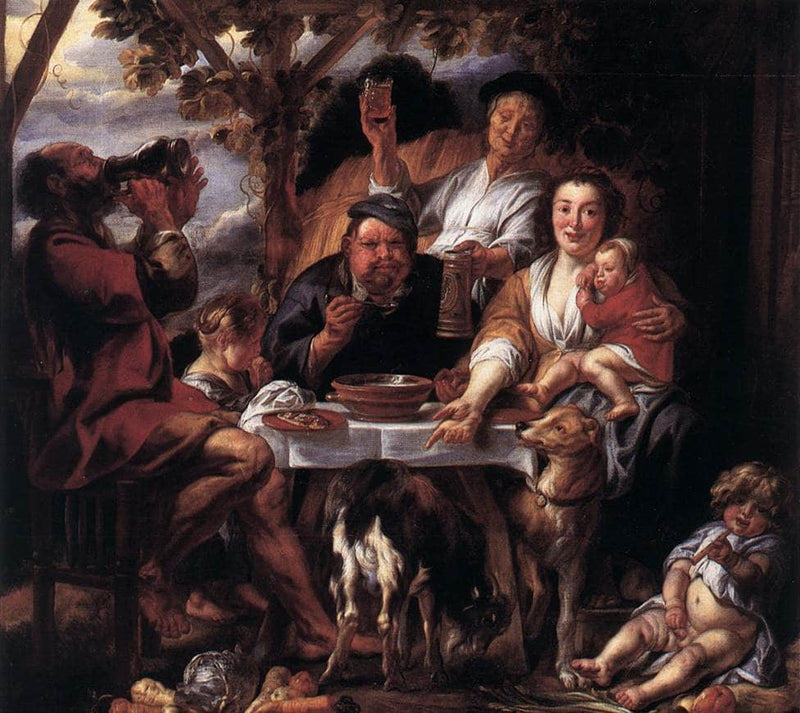
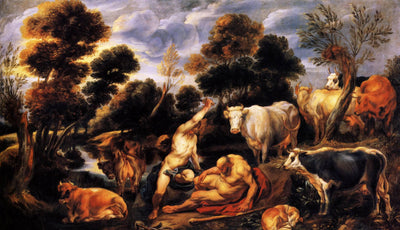
Jacob Jordaens, a prominent figure in Flemish Baroque art, created "Eating Man" during the 17th century, a time marked by dramatic shifts in culture and society. This period saw the rise of realism and emotional expression in art, influenced by the Counter-Reformation. Jordaens, alongside contemporaries like Peter Paul Rubens, embraced these ideals, using vibrant colors and dynamic compositions to engage viewers. His work reflects the rich tapestry of Flemish life, showcasing both the beauty and the excesses of the time.
"Eating Man" serves as a powerful social commentary on the gluttony and indulgence prevalent in 17th-century society. The painting captures the essence of human nature, revealing the tension between desire and morality. Jordaens critiques the excesses of the wealthy class, inviting viewers to reflect on their own consumption habits. This artwork resonates with modern audiences, as it addresses timeless themes of greed and the consequences of overindulgence.
The composition of "Eating Man" is striking, with figures arranged in a way that draws the eye to the central character. Jordaens expertly balances the elements, creating a sense of movement and energy. The placement of the figures enhances the narrative, as each character contributes to the overall theme of excess. This dynamic arrangement invites viewers to explore the relationships between the characters and their shared experience of indulgence.
Jordaens employs chiaroscuro techniques to create depth and drama in "Eating Man." The contrast between light and shadow highlights the central figure, emphasizing his gluttonous feast. This technique not only adds realism but also enhances the emotional impact of the scene. The interplay of light and dark serves to underscore the moral implications of the subject matter, inviting viewers to ponder the consequences of such excess.
The color palette in "Eating Man" is rich and vibrant, filled with deep reds, earthy browns, and golden yellows. These colors symbolize wealth, abundance, and the pleasures of life. Jordaens uses color to evoke a sense of warmth and familiarity, drawing viewers into the scene. The strategic use of color also reflects the emotional weight of the painting, as it contrasts the joy of feasting with the underlying themes of gluttony and moral decay.
The central figure in "Eating Man" is a striking representation of gluttony. His exaggerated features and robust physique convey a sense of indulgence and excess. Jordaens captures the essence of the character's feast, showcasing an array of sumptuous foods that symbolize abundance. This portrayal serves as a visual warning against the dangers of overindulgence, making the viewer reflect on their own relationship with food and consumption.
The facial expressions and body language of the characters in "Eating Man" tell a compelling story. The central figure's joyful yet greedy demeanor contrasts with the reactions of those around him. Some characters appear amused, while others show concern or disapproval. This range of emotions adds depth to the narrative, inviting viewers to interpret the dynamics of the scene and the implications of the protagonist's actions.
The clothing and accessories worn by the figures in "Eating Man" provide insights into their social status. The opulent garments of the central figure suggest wealth and privilege, while the simpler attire of others hints at their lower social standing. Jordaens uses these details to comment on the class disparities of his time, highlighting the divide between the indulgent elite and the struggling masses.
Jordaens' mastery of oil painting is evident in the brushwork and texture of "Eating Man." His technique creates a sense of depth and realism, allowing viewers to feel as if they are part of the scene. The careful application of paint adds dimension to the figures and the food, making the feast appear almost tangible. This attention to detail showcases Jordaens' skill and dedication to his craft.
Layering techniques play a crucial role in the visual narrative of "Eating Man." Jordaens builds up layers of paint to create rich textures and vibrant colors. This method not only enhances the visual appeal but also adds complexity to the storytelling. Each layer contributes to the overall atmosphere of the painting, inviting viewers to explore the intricate details and meanings behind the feast.
When comparing Jordaens to his contemporaries, such as Rubens and van Dyck, his unique style stands out. While Rubens often focused on idealized beauty, Jordaens embraced realism and the human experience. His works, including "Eating Man," reflect a more grounded approach, emphasizing the raw emotions and social issues of his time. This distinctive perspective has solidified Jordaens' place in the history of Baroque art.
"Eating Man" delves into themes of gluttony and indulgence, exploring the darker side of human nature. The central figure's feast serves as a metaphor for excess, prompting viewers to consider the consequences of their desires. Jordaens invites us to reflect on our own consumption habits and the societal pressures that drive us toward indulgence. This theme remains relevant today, as we navigate our relationships with food and materialism.
The painting also offers philosophical reflections on consumption and morality. Jordaens challenges viewers to think critically about the balance between enjoyment and excess. The feast, while visually appealing, serves as a cautionary tale about the potential pitfalls of overindulgence. This moral undertone adds depth to the artwork, encouraging introspection and dialogue about our values and choices.
Religious undertones permeate "Eating Man," connecting the themes of excess to biblical narratives. The imagery evokes stories of feasting and moral lessons found in scripture. Jordaens subtly weaves these references into the fabric of the painting, inviting viewers to consider the spiritual implications of their actions. This connection enriches the artwork, adding layers of meaning that resonate with audiences across generations.
"Eating Man" has left a lasting impact on later artists and movements, influencing the trajectory of Baroque art and beyond. Jordaens' focus on realism and social commentary paved the way for future generations of artists to explore similar themes. His work resonates with the modern art movement, where the exploration of human nature and societal issues remains a central focus.
Jordaens played a significant role in shaping Baroque art, particularly in the Flemish tradition. His ability to blend realism with emotional depth set him apart from his contemporaries. "Eating Man" exemplifies this blend, showcasing the complexities of human experience through the lens of indulgence. Jordaens' contributions continue to be celebrated, as his works inspire artists to explore the intricacies of life and society.
Modern interpretations of "Eating Man" can be seen in contemporary art, where themes of consumption and excess are prevalent. Artists today draw inspiration from Jordaens' exploration of human nature, using similar motifs to comment on current societal issues. This ongoing dialogue between past and present highlights the timeless relevance of Jordaens' work, ensuring that "Eating Man" remains a significant piece in the art world.
The central figure represents gluttony and excess, serving as a visual critique of indulgent behavior in society.
The painting highlights class disparities and the moral implications of overindulgence, reflecting the societal tensions of the 17th century.
Jordaens employed chiaroscuro, dynamic composition, and layering techniques to create depth and realism in "Eating Man."
Yes, the abundance of food symbolizes wealth and excess, while the expressions of the figures convey a range of emotions related to indulgence.
"Eating Man" showcases Jordaens' unique focus on realism and social commentary, distinguishing it from the more idealized works of his contemporaries.
Art reproductions of "Eating Man" capture the intricate details and vibrant colors of the original oil painting, offering a superior alternative to prints.
To appreciate the details, take time to observe the textures, colors, and expressions in the reproduction, allowing the artwork's narrative to unfold.

Discover some of our latest oil paintings, each one carefully hand-painted on canvas.
At Art & See, we're committed to delivering the highest quality art reproductions. Our team of expert artists and state-of-the-art processes ensure that each piece is a masterpiece in its own right.

Experience your masterpiece's creation through daily photos from our expert artists, each with 15+ years of experience.

Your artwork travels first class via UPS, FedEx, or DHL, protected by museum-grade packaging for safe delivery.

Review unedited photos of your finished painting and request unlimited free revisions before it ships. We only ship when you say it's perfect.

Every piece is crafted with archival materials, UV-resistant finishes, and premium British paints to last generations.



Yes, 100% hand-painted with oil on canvas by artists with 15+ years of experience. No prints, no digital shortcuts. You'll see and feel real brushstrokes, just like the original Jacob Jordaens masterpiece.
Your Eating Man reproduction takes 2–5 weeks to hand-paint depending on size and detail. Once approved, shipping takes 5–8 days via FedEx, UPS, or DHL with full tracking. Free worldwide shipping included.
Absolutely. Once your Eating Man is complete, we send you unedited photos, a full view and close-up details. Request unlimited free revisions until you're 100% satisfied. We don't ship until you say "yes."
Every painting goes through our Preview & Approve process: you receive unedited photos of your finished Jacob Jordaens reproduction and can request unlimited free revisions before it ships. We only ship when you say it's perfect. If after delivery you have any concerns, contact us at [email protected] and our team will work with you on the best path forward.
Professional-grade oil paints (Windsor & Newton) on premium linen canvas with UV-resistant protective coating. Museum-grade materials built to last generations, the same quality used in galleries worldwide.
Our artists specialize in Jacob Jordaens's technique: color accuracy, brushwork, and composition are matched to the original. Every reproduction goes through quality review before your approval photos are taken.
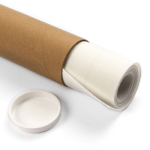
Every painting is insured and delivered door-to-door. Unframed paintings ship in protective hard tubes. Framed paintings are bubble-wrapped in sturdy boxes. If anything arrives damaged, we repair or replace it free.
Dive into the vibrant world of Historic Art. Discover your next painting today.
