4.7/5
4.7/5


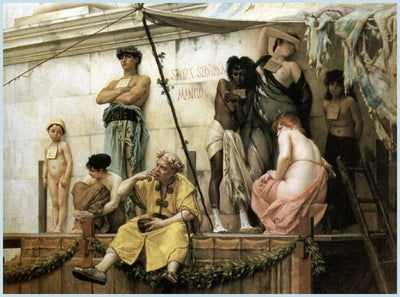






SAMPLES OF QUALITY
Recent Hand-Painted Reproductions
Discover some of our latest oil paintings, each one carefully hand-painted on canvas.

AS SEEN IN


Handmade Oil Painting on Canvas Art Reproduction, Museum-quality
Not the size you want? Type your width and height and we'll paint it to fit, 12 to 80 in (30 to 203 cm) per side.

The six dominant colors measured from the painting, with the share of canvas each one covers. Click a swatch to copy its hex code.
Processing & Shipping Time
Your delivery time includes two parts:
Shipping Methods
We ship with trusted couriers like FedEx, UPS, and DHL. Every shipment includes a tracking code.
Our goal is to deliver your order safely and quickly.
Shipment Safety Measures
We handle your products with care so they arrive in perfect condition:
Every product is insured and delivered right to your door, so you can feel confident buying from us.
Every Art & See painting is created by artists with 15+ years of experience using professional-grade oil paints and premium linen canvas with UV-resistant protective coating, the same museum-grade materials used in galleries worldwide. Each piece goes through quality review before your approval photos are taken. If after delivery you have any concerns about your painting, contact us at [email protected] and our team will work with you on the best path forward.
Full Warranty
Every painting is protected against physical damage during shipping. If your painting arrives damaged, we repair or replace it, free of charge.
Coverage Details
Transit damage (crushed, torn, water damage): we repair or replace at no cost. Please note that damages resulting from accidents or inappropriate use are not covered under this warranty.
Repair or Replace
Depending on the extent of damage, the affected painting will either be repaired or replaced at no additional cost to you.
Free Service
All warranty services are provided absolutely free of charge.
We want you to absolutely love your handmade artwork. Here's how it works:
In the rare case you approve the photos and the artwork has been shipped and delivered to you, and you still want additional modification requests, we can handle it as a courtesy at our discretion. If accepted, you cover the return shipping cost.
| Type | Hand-Painted Oil Painting Reproduction |
| Original Artist | Gustave Boulanger |
| Price Range | $350 to $1,150 |
| Shipping | Free Worldwide |
| Quality | Preview & Approve Before Shipping |
| Medium | Oil on Canvas |
| Canvas | Museum-Grade Linen Canvas |
| Technique | Hand-painted brushstroke-by-brushstroke |
| Art Style | Academicism |
| Period | 19th Century |
| Artist Nationality | French |
| Orientation | Horizontal |
| Subject | Cultural heritage, Cultural heritage mythology, Fantasy, Portraits group, Vintage |
| Available Sizes | 7 (20'' W × 15'' H to 69'' W × 51'' H, including the original size), plus custom sizes |
| Framing Options | Unframed, Stretched Canvas, Classic & Modern Frames |
| Delivery | 14–28 business days |
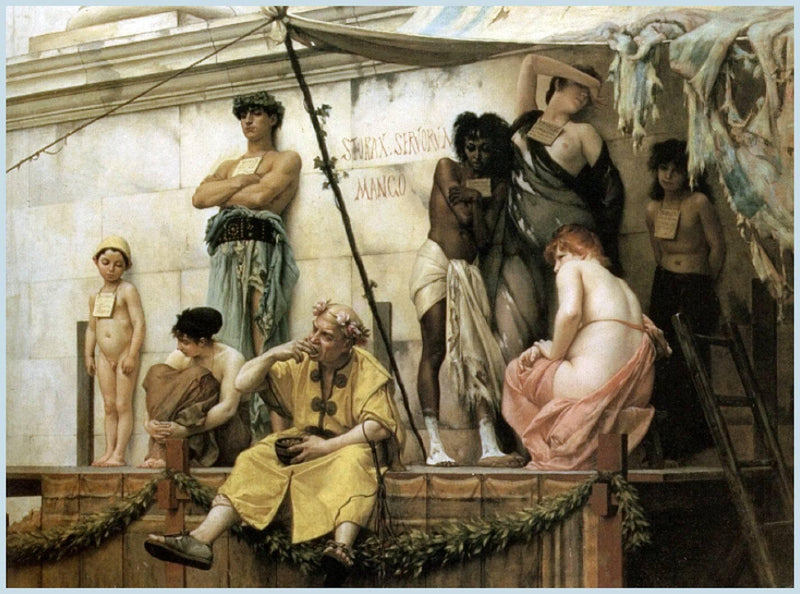
The Slave Market, painted by Gustave Boulanger in 1870, emerges from a vibrant 19th-century France, a period marked by significant social and political change. This era saw the rise of realism and impressionism, yet Boulanger chose to delve into the exoticism of Orientalism. The painting reflects the complex dynamics of French society, where colonial expansion influenced artistic expression and public perception.
Orientalism played a crucial role in shaping European art during the 19th century. Artists like Boulanger were fascinated by the cultures of the East, often depicting romanticized and idealized scenes. The Slave Market exemplifies this trend, showcasing a blend of fantasy and reality that captivated audiences. This fascination often masked the harsh realities of colonialism, inviting viewers to explore deeper meanings behind the allure of the exotic.
Gustave Boulanger, born in 1824, was a prominent figure in the academic art scene. He studied under renowned artists and developed a unique style that combined classical techniques with contemporary themes. Boulanger's travels to North Africa greatly influenced his work, providing him with firsthand experience of the cultures he depicted. His dedication to capturing the human experience is evident in The Slave Market, where he skillfully portrays the emotional weight of the scene.
The composition of The Slave Market is striking, with a dynamic arrangement of figures that draws the viewer's eye. Boulanger employs a rich color palette, utilizing warm earth tones contrasted with vibrant fabrics. This interplay of colors not only enhances the visual appeal but also emphasizes the emotional gravity of the subject matter, inviting viewers to engage with the narrative on a deeper level.
The figures in The Slave Market are meticulously rendered, each with distinct expressions that convey a range of emotions. The despair of the enslaved individuals contrasts sharply with the indifference of the buyers. Boulanger's attention to detail allows viewers to connect with the characters, fostering empathy and reflection on the human condition.
Beyond its immediate depiction, The Slave Market is rich in symbolism. The juxtaposition of wealth and suffering serves as a commentary on the moral complexities of colonialism. The painting invites viewers to question the ethics of exploitation and the human cost of economic gain, making it a powerful piece of social commentary.
The Slave Market delves into the intricate power dynamics between the enslaved and their captors. Boulanger captures the tension inherent in these relationships, highlighting the emotional turmoil experienced by those subjected to such exploitation. This theme resonates with contemporary discussions about power, privilege, and human rights.
Gender roles are prominently featured in The Slave Market, reflecting the societal norms of the 19th century. The portrayal of women, both as enslaved individuals and as buyers, raises questions about agency and representation. Boulanger's work challenges viewers to consider the implications of gender within the context of colonialism and exploitation.
Colonialism is a central theme in The Slave Market, as Boulanger critiques the exploitation inherent in the trade. The painting serves as a historical document, capturing the attitudes and beliefs of the time. By presenting the harsh realities of the slave trade, Boulanger encourages viewers to confront uncomfortable truths about history and its ongoing impact.
Boulanger's brushwork in The Slave Market is both precise and expressive. He skillfully creates texture, giving life to the fabrics and skin tones of the figures. This attention to detail enhances the realism of the painting, allowing viewers to feel as though they are witnessing the scene firsthand.
The use of light and shadow in The Slave Market adds a dramatic flair to the composition. Boulanger expertly manipulates light to highlight key elements, drawing attention to the emotional weight of the scene. This technique not only enhances the visual impact but also deepens the narrative, inviting viewers to explore the complexities of the subject matter.
Boulanger's work is rooted in the academic painting tradition, characterized by its emphasis on technique and realism. He employs classical methods, such as chiaroscuro and linear perspective, to create a sense of depth and dimension. This adherence to academic principles allows Boulanger to convey powerful themes while maintaining a high level of artistic integrity.
The Slave Market has left a lasting impact on contemporary artists, inspiring movements that address themes of colonialism and human rights. Boulanger's exploration of power dynamics and emotional depth resonates with modern audiences, encouraging artists to engage with social issues through their work. His legacy continues to influence discussions about representation and ethics in art.
Upon its release, The Slave Market garnered mixed reviews, with some praising its technical prowess while others criticized its subject matter. Over time, however, the painting has gained recognition as a significant work that challenges viewers to confront uncomfortable truths about history. Its critical reception has evolved, reflecting changing societal attitudes toward colonialism and exploitation.
Preserving The Slave Market is essential for future generations to appreciate Boulanger's artistry and the historical context of the painting. Restoration efforts focus on maintaining the integrity of the original work while ensuring that its powerful message endures. Museums and galleries play a vital role in safeguarding this masterpiece, allowing it to continue inspiring dialogue and reflection.
Art enthusiasts can experience The Slave Market in various prestigious museums around the world. Notable institutions, such as the Musée d'Orsay in Paris, house Boulanger's work, providing visitors with the opportunity to engage with this captivating piece of art. Viewing the painting in person allows for a deeper appreciation of its details and emotional resonance.
Encountering The Slave Market evokes a range of emotions, from sadness to anger. Viewers often feel a profound connection to the figures depicted, prompting reflection on the historical injustices of slavery. This emotional response underscores the painting's power as a work of art and a social commentary.
Each viewer brings their own experiences and perspectives to The Slave Market, making personal interpretation essential. Engaging with the painting allows individuals to explore their feelings about colonialism, power, and human rights. This connection to art fosters a deeper understanding of both the work itself and the broader societal issues it addresses.
The Slave Market depicts a scene of human trafficking, highlighting the emotional turmoil of those involved. Boulanger's work serves as a poignant reminder of the historical realities of slavery and colonialism.
The painting reflects the complexities of 19th-century colonialism, showcasing the exploitation and dehumanization inherent in the slave trade. Boulanger's work invites viewers to confront these uncomfortable truths.
Boulanger employed techniques such as chiaroscuro, detailed brushwork, and a rich color palette to create depth and realism in The Slave Market. His academic training is evident in the precision of his technique.
The main themes include power dynamics, human emotion, gender roles, and the impact of colonialism. Boulanger's work encourages viewers to reflect on these critical social issues.
The Slave Market has inspired contemporary artists to address themes of exploitation and human rights. Its legacy continues to resonate in discussions about representation and ethics in art.
High-quality reproductions of The Slave Market are available through specialized art reproduction galleries. These reproductions offer a superior alternative to prints, capturing the essence of Boulanger's original work.
When purchasing a reproduction, consider the quality of materials, the accuracy of colors, and the level of detail. Opt for oil painting reproductions, as they provide a more authentic representation of the original artwork compared to standard prints.

Discover some of our latest oil paintings, each one carefully hand-painted on canvas.
At Art & See, we're committed to delivering the highest quality art reproductions. Our team of expert artists and state-of-the-art processes ensure that each piece is a masterpiece in its own right.

Experience your masterpiece's creation through daily photos from our expert artists, each with 15+ years of experience.

Your artwork travels first class via UPS, FedEx, or DHL, protected by museum-grade packaging for safe delivery.

Review unedited photos of your finished painting and request unlimited free revisions before it ships. We only ship when you say it's perfect.

Every piece is crafted with archival materials, UV-resistant finishes, and premium British paints to last generations.
Yes, 100% hand-painted with oil on canvas by artists with 15+ years of experience. No prints, no digital shortcuts. You'll see and feel real brushstrokes, just like the original Gustave Boulanger masterpiece.
Your The Slave Market reproduction takes 2–5 weeks to hand-paint depending on size and detail. Once approved, shipping takes 5–8 days via FedEx, UPS, or DHL with full tracking. Free worldwide shipping included.
Absolutely. Once your The Slave Market is complete, we send you unedited photos, a full view and close-up details. Request unlimited free revisions until you're 100% satisfied. We don't ship until you say "yes."
Every painting goes through our Preview & Approve process: you receive unedited photos of your finished Gustave Boulanger reproduction and can request unlimited free revisions before it ships. We only ship when you say it's perfect. If after delivery you have any concerns, contact us at [email protected] and our team will work with you on the best path forward.
Professional-grade oil paints (Windsor & Newton) on premium linen canvas with UV-resistant protective coating. Museum-grade materials built to last generations, the same quality used in galleries worldwide.
Our artists specialize in Gustave Boulanger's technique: color accuracy, brushwork, and composition are matched to the original. Every reproduction goes through quality review before your approval photos are taken.
Every painting is insured and delivered door-to-door. Unframed paintings ship in protective hard tubes. Framed paintings are bubble-wrapped in sturdy boxes. If anything arrives damaged, we repair or replace it free.
Dive into the vibrant world of Historic Art. Discover your next painting today.