4.9/5
4.9/5




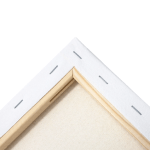


SAMPLES OF QUALITY
Recent Hand-Painted Reproductions
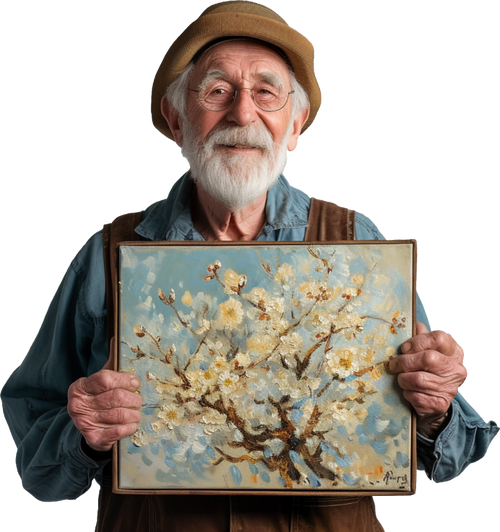
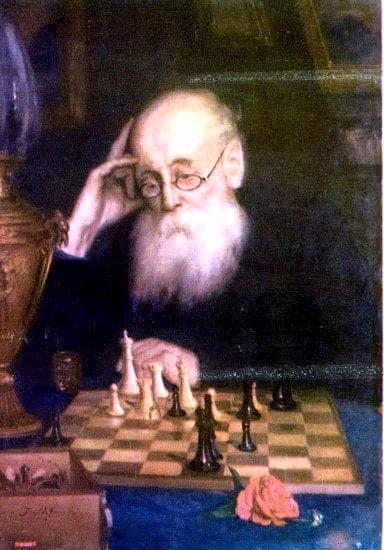
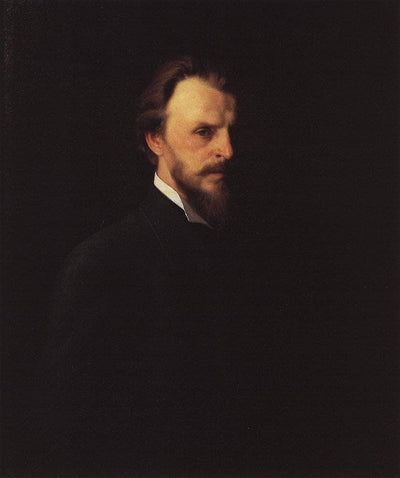
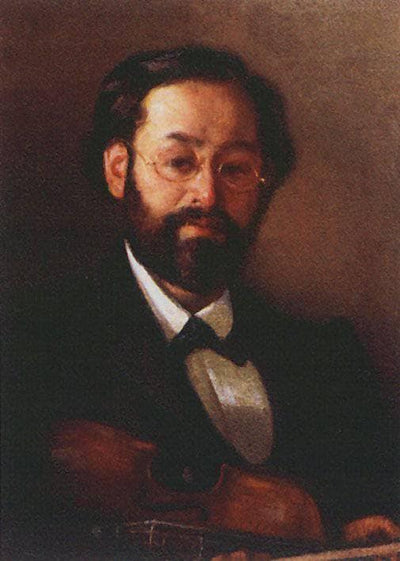
Discover some of our latest oil paintings, each one carefully hand-painted on canvas.

AS SEEN IN





Handmade Oil Painting on Canvas Art Reproduction, Museum-quality

The six dominant colors measured from the painting, with the share of canvas each one covers. Click a swatch to copy its hex code.
Processing & Shipping Time
Your delivery time includes two parts:
Shipping Methods
We ship with trusted couriers like FedEx, UPS, and DHL. Every shipment includes a tracking code.
Our goal is to deliver your order safely and quickly.
Shipment Safety Measures
We handle your products with care so they arrive in perfect condition:
Every product is insured and delivered right to your door, so you can feel confident buying from us.
Every Art & See painting is created by artists with 15+ years of experience using professional-grade oil paints and premium linen canvas with UV-resistant protective coating, the same museum-grade materials used in galleries worldwide. Each piece goes through quality review before your approval photos are taken. If after delivery you have any concerns about your painting, contact us at [email protected] and our team will work with you on the best path forward.
Full Warranty
Every painting is protected against physical damage during shipping. If your painting arrives damaged, we repair or replace it, free of charge.
Coverage Details
Transit damage (crushed, torn, water damage): we repair or replace at no cost. Please note that damages resulting from accidents or inappropriate use are not covered under this warranty.
Repair or Replace
Depending on the extent of damage, the affected painting will either be repaired or replaced at no additional cost to you.
Free Service
All warranty services are provided absolutely free of charge.
We want you to absolutely love your handmade artwork. Here's how it works:
In the rare case you approve the photos and the artwork has been shipped and delivered to you, and you still want additional modification requests, we can handle it as a courtesy at our discretion. If accepted, you cover the return shipping cost.
| Type | Hand-Painted Oil Painting Reproduction |
| Original Artist | Grigoriy Myasoyedov |
| Price Range | $350 to $1,150 |
| Shipping | Free Worldwide |
| Returns | 90-Day Returns |
| Medium | Oil on Canvas |
| Canvas | Museum-Grade Linen Canvas |
| Technique | Hand-painted brushstroke-by-brushstroke |
| Art Style | Realism |
| Period | 19th Century |
| Artist Nationality | Russian |
| Orientation | Horizontal |
| Subject | Landscapes, Portraits group |
| Available Sizes | 7 (22'' W × 15'' H to 72'' W × 48'' H, including the original size), plus custom sizes |
| Framing Options | Unframed, Stretched Canvas, Classic & Modern Frames |
| Delivery | 14–28 business days |
| Size | 209 × 138.2 cm (82.5 × 54.5 in) |
| Year | 1873 |
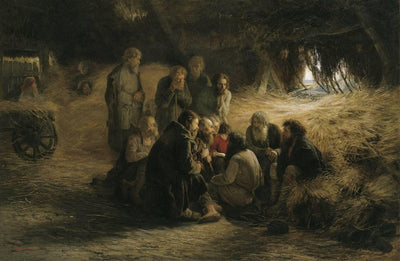
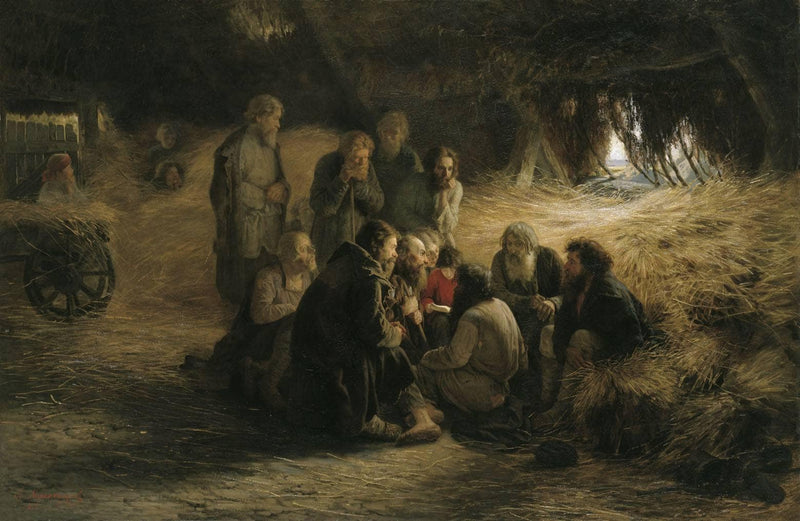
The year 1861 marks a pivotal moment in Russian history, as it was the year Tsar Alexander II abolished serfdom. This monumental reform aimed to liberate millions of serfs, granting them personal freedom and the ability to own land. However, the transition was fraught with challenges, leading to social upheaval and unrest. Myasoyedov's painting, '1861 Manifesto,' captures the essence of this transformative period, reflecting the hopes and struggles of the Russian people.
Grigoriy Myasoyedov emerged as a significant figure in the Russian art movement, particularly within the Realist tradition. His works often depicted the lives of ordinary people, emphasizing their dignity and struggles. Myasoyedov's commitment to portraying social issues resonated with the Russian Intelligentsia, who sought to address the pressing concerns of their time.
Myasoyedov's art is deeply rooted in Realism, a movement that sought to depict life as it truly was. He focused on the everyday experiences of the peasant class, showcasing their hardships and aspirations. This approach allowed him to connect with viewers on a personal level, making his work both relatable and impactful.
Myasoyedov's work was closely aligned with the ideals of the Russian Intelligentsia, a group of intellectuals advocating for social reform. His paintings often served as a visual commentary on the societal changes occurring in Russia, making him a vital voice in the conversation about progress and reform.
The composition of '1861 Manifesto' is striking, with a dynamic arrangement of figures that draws the viewer's eye. Myasoyedov employs a rich color palette, using earthy tones to evoke a sense of realism and connection to the land. The careful placement of characters within the scene enhances the narrative, inviting viewers to explore the relationships and emotions at play.
Colors in Myasoyedov's painting carry significant meaning. The use of deep reds and browns symbolizes the struggles of the peasant class, while lighter hues suggest hope and the possibility of change. This thoughtful use of color adds layers of meaning to the artwork, enriching the viewer's experience.
The arrangement of figures in '1861 Manifesto' is intentional and meaningful. Each character plays a role in conveying the broader narrative of social change. The positioning of the figures creates a sense of movement and urgency, reflecting the tumultuous atmosphere of the time.
Myasoyedov masterfully captures the emotions of his subjects through their facial expressions and body language. The characters' faces reveal a range of feelings, from determination to despair, illustrating the complexity of their experiences. This emotional depth invites viewers to empathize with the struggles depicted in the painting.
The emotional resonance in '1861 Manifesto' is palpable. Myasoyedov's ability to convey the inner lives of his characters allows the audience to connect with their plight. This connection enhances the painting's impact, making it a powerful commentary on the human condition.
Myasoyedov employs contrasts between light and shadow to create depth and drama in the painting. The interplay of light highlights key figures, drawing attention to their significance in the narrative. This technique not only enhances the visual appeal but also reinforces the emotional weight of the scene.
'1861 Manifesto' embodies revolutionary ideas that resonate with the spirit of social change. Myasoyedov's portrayal of the peasant class serves as a powerful reminder of their struggles and aspirations during a time of upheaval.
The painting poignantly depicts the peasant class, showcasing their hardships and resilience. Myasoyedov's focus on their daily lives highlights the stark realities they faced, making their stories central to the narrative of reform.
Through '1861 Manifesto,' Myasoyedov offers a profound commentary on serfdom and the quest for freedom. The painting reflects the tension between the old order and the emerging ideals of liberty, capturing the essence of a society in transition.
Myasoyedov's work serves as a mirror to society, reflecting the hopes and fears of the Russian people. '1861 Manifesto' encapsulates the spirit of reform, illustrating the desire for change and the challenges that accompany it.
The painting captures the spirit of reform by portraying the collective yearning for a better future. Myasoyedov's ability to convey this sentiment makes '1861 Manifesto' a timeless piece that continues to resonate with audiences today.
Myasoyedov was influenced by contemporary literature and philosophy, which shaped his artistic vision. The ideas of prominent thinkers of the time, such as Leo Tolstoy and Fyodor Dostoevsky, can be seen in his work, enriching the narrative and thematic depth of '1861 Manifesto.'
Myasoyedov's brushwork is characterized by its precision and texture, creating a sense of depth in '1861 Manifesto.' His technique allows for a rich visual experience, drawing viewers into the scene.
Myasoyedov employed techniques that set him apart from his contemporaries. His ability to blend realism with emotional expression creates a unique style that resonates with viewers, making his work memorable and impactful.
When compared to his peers, Myasoyedov stands out for his focus on social issues and the human experience. His commitment to portraying the lives of ordinary people distinguishes him within the Russian art movement.
Myasoyedov's dedication to realism and social commentary positions him as a key figure in Russian art. His ability to capture the essence of his subjects sets him apart, making '1861 Manifesto' a significant contribution to the art world.
'1861 Manifesto' continues to inspire contemporary artists, serving as a powerful example of how art can reflect societal change. Myasoyedov's work encourages modern creators to explore themes of social justice and human experience.
The themes of '1861 Manifesto' resonate with contemporary art movements that focus on social issues. Myasoyedov's ability to convey complex emotions and narratives inspires artists to engage with the world around them.
Many notable museums and galleries showcase Myasoyedov's work, including the Tretyakov Gallery in Moscow. These exhibitions highlight the significance of '1861 Manifesto' and its impact on Russian art history.
In addition to the Tretyakov Gallery, Myasoyedov's paintings can be found in various prestigious collections worldwide. These institutions recognize the importance of his contributions to the art world, ensuring that his legacy endures.
The '1861 Manifesto' painting tells the story of the social changes occurring in Russia during the abolition of serfdom. It captures the hopes and struggles of the peasant class as they navigate this transformative period.
Myasoyedov's background as a member of the Russian Intelligentsia and his commitment to realism deeply influence '1861 Manifesto.' His experiences and beliefs shape the themes and narratives present in the painting.
The main themes of '1861 Manifesto' include social change, the struggles of the peasant class, and the quest for freedom. Myasoyedov's work reflects the broader societal shifts occurring in Russia during this time.
Upon its release, '1861 Manifesto' garnered attention for its bold portrayal of social issues. Critics and audiences recognized Myasoyedov's commitment to realism and his ability to capture the spirit of reform.
Myasoyedov employed techniques such as precise brushwork, a rich color palette, and careful composition to create depth and emotional resonance in '1861 Manifesto.' These techniques enhance the overall impact of the painting.
Yes, '1861 Manifesto' has been featured in several notable exhibitions, particularly in Russian art museums. These exhibitions highlight the significance of Myasoyedov's work and its relevance to contemporary discussions about social issues.
Reproductions of '1861 Manifesto' offer a way to appreciate Myasoyedov's work in your own space. Unlike prints, high-quality painting reproductions capture the texture and depth of the original artwork, providing a more authentic experience.
Painting reproductions are superior to prints because they replicate the brushwork and texture of the original piece. This attention to detail allows viewers to experience the artwork more fully, making it a valuable addition to any art collection.
When seeking a quality reproduction of '1861 Manifesto,' look for attention to detail, accurate color matching, and a texture that mimics the original painting. A well-crafted reproduction will enhance your appreciation of Myasoyedov's artistry.

Discover some of our latest oil paintings, each one carefully hand-painted on canvas.
At Art & See, we're committed to delivering the highest quality art reproductions. Our team of expert artists and state-of-the-art processes ensure that each piece is a masterpiece in its own right.

Experience your masterpiece's creation through daily photos from our expert artists, each with 15+ years of experience.

Your artwork travels first class via UPS, FedEx, or DHL, protected by museum-grade packaging for safe delivery.

Review unedited photos of your finished painting and request unlimited free revisions before it ships. We only ship when you say it's perfect.

Every piece is crafted with archival materials, UV-resistant finishes, and premium British paints to last generations.
Yes, 100% hand-painted with oil on canvas by artists with 15+ years of experience. No prints, no digital shortcuts. You'll see and feel real brushstrokes, just like the original Grigoriy Myasoyedov masterpiece.
Your Reading of the 1861 Manifesto reproduction takes 2–5 weeks to hand-paint depending on size and detail. Once approved, shipping takes 5–8 days via FedEx, UPS, or DHL with full tracking. Free worldwide shipping included.
Absolutely. Once your Reading of the 1861 Manifesto is complete, we send you unedited photos, a full view and close-up details. Request unlimited free revisions until you're 100% satisfied. We don't ship until you say "yes."
Every painting goes through our Preview & Approve process: you receive unedited photos of your finished Grigoriy Myasoyedov reproduction and can request unlimited free revisions before it ships. We only ship when you say it's perfect. If after delivery you have any concerns, contact us at [email protected] and our team will work with you on the best path forward.
Professional-grade oil paints (Windsor & Newton) on premium linen canvas with UV-resistant protective coating. Museum-grade materials built to last generations, the same quality used in galleries worldwide.
Our artists specialize in Grigoriy Myasoyedov's technique: color accuracy, brushwork, and composition are matched to the original. Every reproduction goes through quality review before your approval photos are taken.
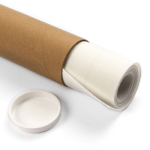
Every painting is insured and delivered door-to-door. Unframed paintings ship in protective hard tubes. Framed paintings are bubble-wrapped in sturdy boxes. If anything arrives damaged, we repair or replace it free.
Dive into the vibrant world of Historic Art. Discover your next painting today.