4.9/5
4.9/5





SAMPLES OF QUALITY
Recent Hand-Painted Reproductions
Discover some of our latest oil paintings, each one carefully hand-painted on canvas.

AS SEEN IN





Handmade Oil Painting on Canvas Art Reproduction, Museum-quality

The six dominant colors measured from the painting, with the share of canvas each one covers. Click a swatch to copy its hex code.
Processing & Shipping Time
Your delivery time includes two parts:
Shipping Methods
We ship with trusted couriers like FedEx, UPS, and DHL. Every shipment includes a tracking code.
Our goal is to deliver your order safely and quickly.
Shipment Safety Measures
We handle your products with care so they arrive in perfect condition:
Every product is insured and delivered right to your door, so you can feel confident buying from us.
Every Art & See painting is created by artists with 15+ years of experience using professional-grade oil paints and premium linen canvas with UV-resistant protective coating, the same museum-grade materials used in galleries worldwide. Each piece goes through quality review before your approval photos are taken. If after delivery you have any concerns about your painting, contact us at [email protected] and our team will work with you on the best path forward.
Full Warranty
Every painting is protected against physical damage during shipping. If your painting arrives damaged, we repair or replace it, free of charge.
Coverage Details
Transit damage (crushed, torn, water damage): we repair or replace at no cost. Please note that damages resulting from accidents or inappropriate use are not covered under this warranty.
Repair or Replace
Depending on the extent of damage, the affected painting will either be repaired or replaced at no additional cost to you.
Free Service
All warranty services are provided absolutely free of charge.
We want you to absolutely love your handmade artwork. Here's how it works:
In the rare case you approve the photos and the artwork has been shipped and delivered to you, and you still want additional modification requests, we can handle it as a courtesy at our discretion. If accepted, you cover the return shipping cost.
| Type | Hand-Painted Oil Painting Reproduction |
| Original Artist | George Caleb Bingham |
| Price Range | $350 to $1,150 |
| Shipping | Free Worldwide |
| Quality | Preview & Approve Before Shipping |
| Medium | Oil on Canvas |
| Canvas | Museum-Grade Linen Canvas |
| Technique | Hand-painted brushstroke-by-brushstroke |
| Art Style | Romanticism |
| Period | 19th Century |
| Artist Nationality | American |
| Orientation | Horizontal |
| Subject | Landscapes, Landscapes river, Nautical, Portraits group |
| Available Sizes | 7 (20'' W × 16'' H to 66'' W × 52'' H, including the original size), plus custom sizes |
| Framing Options | Unframed, Stretched Canvas, Classic & Modern Frames |
| Delivery | 14–28 business days |
| Size | 123.2 × 96.8 cm (48.5 × 38 in) |
| Medium | oil on canvas |
| Year | 1846 |
| Collection | National Gallery of Art, Washington, D.C. |
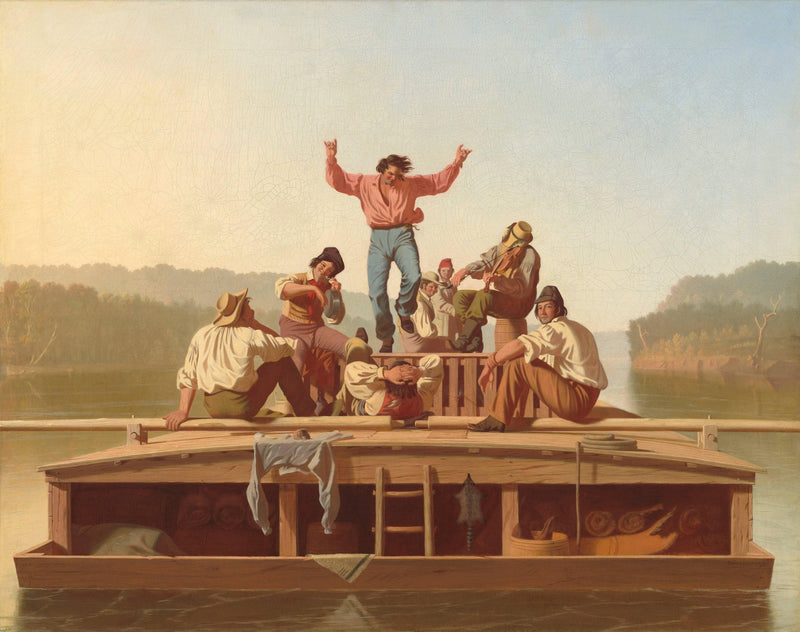
The Jolly Flatboatmen, painted in 1857, captures a vibrant scene from the bustling river trade of 19th century America. During this period, flatboats were essential for transporting goods along the Mississippi River and its tributaries. This painting reflects the economic vitality of the time, showcasing the flatboatmen as they navigated the waterways, contributing to the growth of commerce and community.
Flatboatmen played a crucial role in the expansion of the American frontier. They transported everything from agricultural products to manufactured goods, connecting rural areas with urban markets. The painting serves as a historical document, illustrating the importance of rivers in American life and the spirit of adventure that defined the era.
George Caleb Bingham, often referred to as the "Painter of the American Frontier," was born in 1811 in Virginia. He became a prominent figure in American art, known for his depictions of river life and frontier scenes. Bingham's work reflects his deep appreciation for the American landscape and its people. His ability to capture the essence of everyday life on the river set him apart from his contemporaries.
In The Jolly Flatboatmen, Bingham combines his artistic talent with a keen understanding of American culture. His paintings often celebrate the hardworking individuals who shaped the nation, making him a significant figure in the narrative of American art history.
Bingham's mastery of oil painting shines through in The Jolly Flatboatmen. He employs a rich color palette, using earthy tones to evoke the natural beauty of the river landscape. The brushwork is both detailed and expressive, capturing the textures of the water and the clothing of the flatboatmen.
The interplay of light and shadow adds depth to the scene, creating a sense of realism that draws viewers into the moment. Bingham's technique showcases his skill in portraying the dynamic relationship between humans and their environment.
The composition of The Jolly Flatboatmen is carefully crafted to convey movement and energy. Bingham uses diagonal lines to guide the viewer's eye across the canvas, mimicking the flow of the river. The arrangement of figures creates a sense of camaraderie and activity, emphasizing the communal spirit of flatboat life.
By employing a slightly elevated perspective, Bingham allows viewers to appreciate both the flatboat and the surrounding landscape. This technique enhances the feeling of immersion, making the viewer feel as if they are part of the lively scene.
The Jolly Flatboatmen celebrates the sense of community among the flatboatmen. The figures in the painting are engaged in various activities, from steering the boat to socializing with one another. This portrayal highlights the importance of teamwork and collaboration in their daily lives.
Bingham's work reflects the camaraderie that existed among these laborers, showcasing their resilience and joy despite the challenges they faced on the river. The painting serves as a tribute to the hardworking individuals who contributed to the growth of American society.
The river in The Jolly Flatboatmen symbolizes more than just a mode of transportation; it represents life, labor, and leisure. The flowing water signifies the passage of time and the journey of life. For the flatboatmen, the river was a source of livelihood, adventure, and community.
Bingham captures the duality of river life, where hard work coexists with moments of relaxation and enjoyment. The painting invites viewers to reflect on the significance of rivers in shaping American culture and identity.
The Jolly Flatboatmen features a diverse cast of characters, including men, women, and children. Each figure contributes to the narrative, showcasing the multifaceted nature of river life. The men are depicted as strong and capable, while women and children add warmth and humanity to the scene.
Bingham's attention to detail in the clothing and expressions of the figures enhances the authenticity of the painting. This diversity reflects the inclusive nature of flatboat communities, where people from different backgrounds came together to work and thrive.
The expressions and interactions among the figures in The Jolly Flatboatmen reveal a rich tapestry of human emotion. Laughter, camaraderie, and a sense of purpose are palpable in their faces and gestures. Bingham captures these moments with sensitivity, allowing viewers to connect with the characters on a personal level.
This emotional depth adds layers to the painting, inviting viewers to consider the stories and experiences of the individuals depicted. Bingham's ability to convey emotion through art is one of the hallmarks of his work.
The Jolly Flatboatmen has left a lasting impact on American art and culture. Bingham's portrayal of river life resonates with themes of community, labor, and the American spirit. His work has inspired countless artists and continues to be celebrated for its historical significance.
As a pioneer of American genre painting, Bingham's influence can be seen in the works of later artists who sought to capture the essence of everyday life. The Jolly Flatboatmen remains a vital part of the American artistic canon.
The original painting of The Jolly Flatboatmen is housed in the collection of the Metropolitan Museum of Art in New York City. This prestigious institution preserves Bingham's work, allowing visitors to appreciate its beauty and historical context. The painting is often featured in exhibitions that explore American art and culture, making it accessible to a wide audience.
Art enthusiasts and historians alike can marvel at Bingham's craftsmanship and the vibrant life he captured on canvas.
When comparing The Jolly Flatboatmen to Bingham's other works, such as Fur Traders Descending the Missouri, distinct themes emerge. While both paintings celebrate American life, The Jolly Flatboatmen focuses more on community and leisure, whereas Fur Traders emphasizes commerce and exploration.
This contrast highlights Bingham's versatility as an artist, showcasing his ability to capture different aspects of American life through his unique lens.
The themes present in The Jolly Flatboatmen resonate with the works of contemporary American artists who explore community and identity. Artists today continue to draw inspiration from Bingham's focus on everyday life, using their mediums to reflect the complexities of modern society.
By examining these similarities, we can appreciate how Bingham's legacy endures in the art world, influencing new generations of creators.
Art reproductions, especially of iconic works like The Jolly Flatboatmen, play a vital role in making art accessible to a broader audience. Unlike prints, high-quality painting reproductions capture the texture, color, and detail of the original artwork. They allow art lovers to appreciate the beauty of Bingham's work in their own homes.
Investing in a reproduction means supporting the appreciation of art and its history. It brings the spirit of the river and the joy of community into everyday life.
When selecting a reproduction of The Jolly Flatboatmen, it's essential to consider quality and authenticity. Look for reproductions that use high-quality materials and techniques to replicate the original painting's details. A well-crafted reproduction will reflect the vibrancy and depth of Bingham's work, making it a worthy addition to any art collection.
Seek out reputable sources that specialize in art reproductions to ensure you receive a piece that honors the legacy of George Caleb Bingham.
The Jolly Flatboatmen tells the story of flatboatmen navigating the Mississippi River, celebrating their hard work and community spirit. Bingham captures a moment of joy amidst the labor, reflecting the importance of rivers in American life.
Bingham used oil painting techniques, employing a rich color palette and detailed brushwork. His composition captures movement and energy, showcasing the dynamic relationship between the figures and the river.
The painting reflects American culture by highlighting the significance of river trade and the communal spirit of flatboatmen. It celebrates hard work, resilience, and the joy of life on the water, embodying the essence of 19th century America.
The original painting of The Jolly Flatboatmen is on display at the Metropolitan Museum of Art in New York City. Visitors can experience Bingham's masterpiece and its historical context firsthand.
The main themes of The Jolly Flatboatmen include community, labor, and the duality of life on the river. Bingham captures the joy of flatboat life while acknowledging the hard work that sustains it.
To ensure you're buying a high-quality reproduction, look for sellers who specialize in art reproductions. Check for reviews and ask about the materials and techniques used in the reproduction process.
When choosing a reproduction of The Jolly Flatboatmen, look for vibrant colors, detailed brushwork, and a faithful representation of the original painting. Quality reproductions should capture the essence of Bingham's work and be made with durable materials.

Discover some of our latest oil paintings, each one carefully hand-painted on canvas.
At Art & See, we're committed to delivering the highest quality art reproductions. Our team of expert artists and state-of-the-art processes ensure that each piece is a masterpiece in its own right.

Experience your masterpiece's creation through daily photos from our expert artists, each with 15+ years of experience.

Your artwork travels first class via UPS, FedEx, or DHL, protected by museum-grade packaging for safe delivery.

Review unedited photos of your finished painting and request unlimited free revisions before it ships. We only ship when you say it's perfect.

Every piece is crafted with archival materials, UV-resistant finishes, and premium British paints to last generations.




Yes, 100% hand-painted with oil on canvas by artists with 15+ years of experience. No prints, no digital shortcuts. You'll see and feel real brushstrokes, just like the original George Caleb Bingham masterpiece.
Your The Jolly Flatboatmen reproduction takes 2–5 weeks to hand-paint depending on size and detail. Once approved, shipping takes 5–8 days via FedEx, UPS, or DHL with full tracking. Free worldwide shipping included.
Absolutely. Once your The Jolly Flatboatmen is complete, we send you unedited photos, a full view and close-up details. Request unlimited free revisions until you're 100% satisfied. We don't ship until you say "yes."
Every painting goes through our Preview & Approve process: you receive unedited photos of your finished George Caleb Bingham reproduction and can request unlimited free revisions before it ships. We only ship when you say it's perfect. If after delivery you have any concerns, contact us at [email protected] and our team will work with you on the best path forward.
Professional-grade oil paints (Windsor & Newton) on premium linen canvas with UV-resistant protective coating. Museum-grade materials built to last generations, the same quality used in galleries worldwide.
Our artists specialize in George Caleb Bingham's technique: color accuracy, brushwork, and composition are matched to the original. Every reproduction goes through quality review before your approval photos are taken.
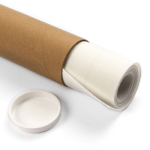
Every painting is insured and delivered door-to-door. Unframed paintings ship in protective hard tubes. Framed paintings are bubble-wrapped in sturdy boxes. If anything arrives damaged, we repair or replace it free.
Dive into the vibrant world of Historic Art. Discover your next painting today.