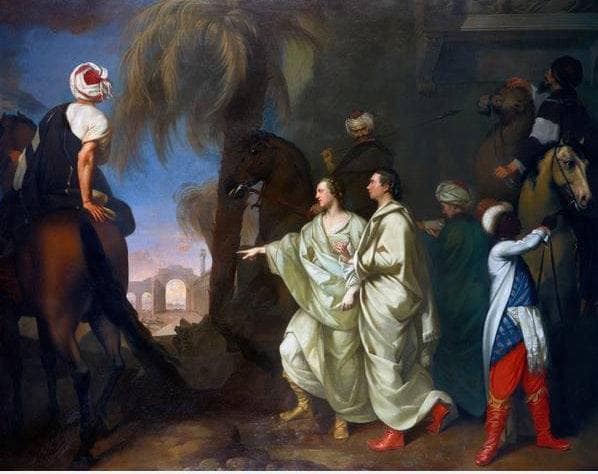

James Dawkins and Robert Wood Discovering the Ruins of Palmyra by Gavin Hamilton | Oil Painting Reproduction

James Dawkins and Robert Wood Discovering the Ruins of Palmyra by Gavin Hamilton — Oil Painting Reproduction
Frame Specifications
Frame details Unframed
Information The canvas arrives unframed and rolled up in a sturdy tube, so you can have it framed locally exactly how you like.

AS SEEN IN

Royal Heritage Badge
4.7
4.7 out of 5

41 global ratings

5 star
82%
4 star
12%
3 star
4%
2 star
1%
1 star
1%
41 ratings

by Gavin Hamilton

Handmade Oil Painting on Canvas Art Reproduction —— Museum-quality

100% HAND-PAINTED
  • Real brushstrokes you can see & feel
  • Painting approval before shipping
  • Unlimited revisions
Select Size *
How should it arrive?
Select a Frame (optional)
Hand-Painted Oil Painting $299.95
Unframed — Shipped rolled in a protective tube Included
Shipping Free
Total
$299.95
$350.95Save 14%
90 Days Returns Free Shipping Secure Checkout
We accept
Visa Mastercard American Express Discover PayPal Apple Pay Google Pay Venmo
Support
Need help? Talk with Joey!

Processing & Shipping Time

Your delivery time includes two parts:

  1. Processing Time — From painting and drying to packaging and dispatch, usually 2–5 weeks depending on the painting complexity.
  2. Shipping Time — From when your order leaves the workshop to when it arrives at your address. You'll be able to track it with the tracking number we email you.

Shipping Methods

We ship with trusted couriers like FedEx, UPS, and DHL. Every shipment includes a tracking code.

  • Standard orders: Arrive in 5–8 days once shipped.
  • Framed, stretched, and oversized paintings: May take a few extra days.

Our goal is to deliver your order safely and quickly.

Shipment Safety Measures

We handle your products with care so they arrive in perfect condition:

  • Framed paintings — Bubble-wrapped and packed in a sturdy box.
  • Unframed paintings — Shipped in a protective hard plastic tube.

Every product is insured and delivered right to your door, so you can feel confident buying from us.

Every Art & See painting is created by artists with 15+ years of experience using professional-grade oil paints and premium linen canvas with UV-resistant protective coating — the same museum-grade materials used in galleries worldwide. Each piece goes through quality review before your approval photos are taken. If after delivery you have any concerns about your painting, contact us at [email protected] — our team will work with you on the best path forward.

Full Warranty

Every painting is protected against physical damage during shipping. If your painting arrives damaged, we repair or replace it — free.

Coverage Details

Transit damage (crushed, torn, water damage) — We repair or replace at no cost. Please note that damages resulting from accidents or inappropriate use are not covered under this warranty.

Repair or Replace

Depending on the extent of damage, the affected painting will either be repaired or replaced at no additional cost to you.

Free Service

All warranty services are provided absolutely free of charge.

We want you to absolutely love your handmade artwork. Here's how it works:

  1. Once your oil painting is complete, we'll send you unedited photos — a full view and close-up details.
  2. Review the photos and let us know if any changes are needed. We'll happily revise the painting for free.
  3. If you approve the painting, we'll ship it right away.

In the rare case you approve the photos and the artwork has been shipped and delivered to you, and you still want additional modification requests — we can handle it as a courtesy at our discretion. If accepted, you cover the return shipping cost.

Product Specifications
TypeHand-Painted Oil Painting Reproduction
Original ArtistGavin Hamilton
Price Range$299.95 — $1,299.95
ShippingFree Worldwide
Returns90-Day Returns
MediumOil on Canvas
CanvasMuseum-Grade Linen Canvas
TechniqueHand-painted brushstroke-by-brushstroke
Art StyleNeoclassicism
Period18th Century
Artist NationalityScottish
OrientationHorizontal
SubjectPortraits group
Available Sizes7 (20'' W × 16'' H to 72'' W × 48'' H)
Framing OptionsUnframed, Stretched Canvas, Classic & Modern Frames
Delivery14–28 business days
About This Painting
Unveiling the Historical Significance of "James Dawkins and Robert Wood Discovering the Ruins of Palmyra" Exploring the Cultural Context of Palmyra in the 18th Century The Role of Palmyra in Ancien...

Unveiling the Historical Significance of "James Dawkins and Robert Wood Discovering the Ruins of Palmyra"

Exploring the Cultural Context of Palmyra in the 18th Century

The Role of Palmyra in Ancient Trade Routes

Palmyra, known as the "Pearl of the Desert," was a vital hub in ancient trade routes connecting the East and West. This bustling city facilitated the exchange of silk, spices, and precious metals. Merchants and travelers flocked to Palmyra, making it a melting pot of cultures, ideas, and commerce. The ruins of Palmyra, with their grand colonnades and temples, tell stories of prosperity and cultural exchange that shaped the ancient world.

Impact of Archaeological Discoveries on European Enlightenment

The 18th century marked a period of enlightenment in Europe, where curiosity about ancient civilizations flourished. The discoveries made by explorers like Dawkins and Wood ignited a passion for archaeology and classical studies. Their findings in Palmyra inspired artists, philosophers, and scientists, leading to a deeper appreciation of history and the arts. This painting captures the essence of that intellectual awakening, showcasing the thrill of discovery and the quest for knowledge.

Gavin Hamilton: The Visionary Behind the Masterpiece

Hamilton's Artistic Journey and Influences

Gavin Hamilton was a prominent Scottish painter known for his neoclassical style. His travels through Italy and Greece deeply influenced his work, as he sought to blend classical themes with contemporary subjects. Hamilton's passion for archaeology and history is evident in this painting, where he immortalizes the moment of discovery in Palmyra. His ability to convey emotion and narrative through art sets him apart as a visionary of his time.

Techniques and Styles: The Neoclassical Approach

Hamilton employed neoclassical techniques, characterized by clarity, symmetry, and an emphasis on idealized forms. His meticulous attention to detail and use of vibrant colors bring the scene to life. The painting's composition reflects a balance between realism and idealism, inviting viewers to engage with the historical narrative. Hamilton's mastery of oil painting techniques enhances the depth and richness of the artwork, making it a true masterpiece.

Artistic Elements of the Painting: A Closer Look

Composition and Color Palette: Evoking Emotion and Depth

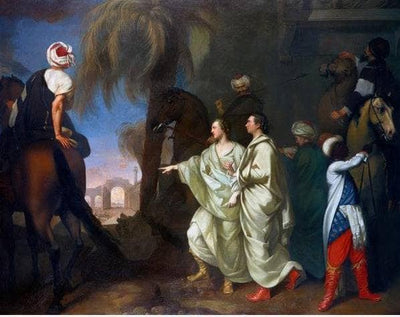
The composition of "James Dawkins and Robert Wood Discovering the Ruins of Palmyra" is striking. Hamilton skillfully arranges the figures and ruins to create a sense of movement and exploration. The warm earth tones and cool blues in the color palette evoke a feeling of nostalgia and wonder. This careful selection of colors enhances the emotional impact of the scene, drawing viewers into the moment of discovery.

Use of Light and Shadow: Creating Dramatic Tension

Hamilton's use of light and shadow adds a dramatic quality to the painting. The sunlight illuminating the ruins contrasts with the shadows cast by the figures, creating a sense of depth and dimension. This interplay of light and dark not only highlights the architectural details but also symbolizes the enlightenment brought forth by the discoveries. It invites viewers to reflect on the significance of the moment captured in the artwork.

Symbolism in the Figures and Architecture

The figures of Dawkins and Wood are depicted with expressions of awe and curiosity, symbolizing the spirit of exploration. The ruins of Palmyra serve as a backdrop, representing the remnants of a once-great civilization. The architecture, particularly the Temple of Bel, stands as a testament to human ingenuity and the quest for knowledge. Each element in the painting carries meaning, inviting viewers to ponder the relationship between humanity and history.

Historical Figures: James Dawkins and Robert Wood

Biographical Insights: Pioneers of Archaeology

James Dawkins and Robert Wood were trailblazers in the field of archaeology. Their expedition to Palmyra in the 1750s marked a significant moment in the study of ancient civilizations. Dawkins, an Englishman, was a wealthy landowner with a keen interest in antiquities. Wood, a Scottish architect, brought his expertise in design and architecture to the exploration. Together, they documented their findings, contributing to the understanding of Palmyra's historical significance.

Their Contributions to the Study of Ancient Civilizations

Dawkins and Wood's work laid the groundwork for future archaeological studies. Their detailed sketches and writings provided valuable insights into the architecture and culture of Palmyra. They helped to spark interest in the ancient world, influencing generations of scholars and explorers. Their legacy continues to inspire those who seek to uncover the mysteries of the past.

The Ruins of Palmyra: A Testament to Ancient Architecture

Architectural Marvels of Palmyra: A Historical Overview

The ruins of Palmyra are a UNESCO World Heritage site, celebrated for their stunning architecture and historical importance. The city features remarkable structures, including the grand colonnade, the Temple of Bel, and the Arch of Triumph. These architectural marvels showcase the ingenuity of ancient builders and their ability to create lasting monuments. Each ruin tells a story of a civilization that thrived in the desert.

Significance of the Temple of Bel and Other Structures

The Temple of Bel, dedicated to the sun god, is one of the most significant structures in Palmyra. Its intricate carvings and majestic columns reflect the artistic achievements of the Palmyrene people. Other notable structures, such as the theater and the tombs, reveal the cultural and religious practices of the time. These ruins not only serve as a reminder of Palmyra's glory but also highlight the importance of preserving our cultural heritage.

Preservation Challenges and Modern-Day Relevance

In recent years, the ruins of Palmyra have faced significant threats from conflict and destruction. Efforts to preserve and restore these ancient sites are crucial for future generations. The painting by Hamilton serves as a reminder of the beauty and significance of Palmyra, urging us to protect our shared history. The relevance of these ruins extends beyond archaeology; they inspire a sense of wonder and curiosity about our past.

Art as a Reflection of Historical Events

How the Painting Captures the Spirit of Discovery

Hamilton's painting encapsulates the excitement of archaeological discovery. The expressions of Dawkins and Wood convey a sense of wonder as they explore the ruins. This moment reflects a broader cultural shift towards valuing history and the pursuit of knowledge. The artwork serves as a visual narrative, inviting viewers to join in the exploration of the ancient world.

Influence of the Painting on Modern Perceptions of Archaeology

The painting has influenced how we view archaeology today. It highlights the importance of exploration and the thrill of uncovering the past. As modern archaeologists continue to study ancient sites, Hamilton's work reminds us of the enduring connection between art and history. This painting not only documents a moment in time but also inspires ongoing curiosity about our shared heritage.

FAQs About "James Dawkins and Robert Wood Discovering the Ruins of Palmyra"

Common Questions About the Painting

What inspired Gavin Hamilton to create this painting?

Gavin Hamilton was inspired by the excitement surrounding archaeological discoveries in the 18th century. His passion for history and exploration motivated him to capture this pivotal moment in art.

What historical events does the painting depict?

The painting depicts the moment when James Dawkins and Robert Wood first encountered the ruins of Palmyra during their expedition in the 1750s. It symbolizes the spirit of discovery and the quest for knowledge.

How does this painting reflect the Enlightenment era?

The painting reflects the Enlightenment era by showcasing the value placed on reason, exploration, and the study of ancient civilizations. It embodies the intellectual curiosity that characterized this transformative period.

What are the notable features of the ruins of Palmyra shown in the painting?

The painting highlights several notable features of Palmyra, including the grand colonnade, the Temple of Bel, and the intricate architectural details that showcase the city's historical significance.

How has the perception of Palmyra changed since the painting was created?

Since the painting was created, Palmyra has gained recognition as a symbol of ancient civilization. However, it has also faced challenges due to conflict and destruction, leading to a renewed focus on preservation and appreciation of its historical value.

Questions About the Painting Reproduction

What makes this reproduction unique compared to others?

This painting reproduction stands out due to its superior quality and attention to detail. Unlike standard prints, this reproduction captures the texture and richness of the original oil painting, making it a true work of art.

How can I best display this painting reproduction in my home?

To best display this painting reproduction, consider framing it in a classic style that complements its neoclassical elements. Hang it in a well-lit area to highlight the vibrant colors and intricate details, allowing it to become a focal point in your space.
James Dawkins and Robert Wood Discovering the Ruins of Palmyra
James Dawkins and Robert Wood Discovering the Ruins of Palmyra by Gavin Hamilton Hand-Painted Oil Painting Reproduction 20'' W × 16'' H · Unframed
20” x 16” in Unframed - Arrives Rolled on a Tube
$299.95 $350.95
30% Off Today Ends soon!
OUR GUARANTEES

Why Choose Our Art Reproductions

At Art & See, we're committed to delivering the highest quality art reproductions. Our team of expert artists and state-of-the-art processes ensure that each piece is a masterpiece in its own right.

Artist working on canvas

Real Artists Only

Experience your masterpiece's creation through daily photos from our expert artists, each with 15+ years of experience.

We'll send you photos before shipping
Secure packaging

Worry-Free Shipping

Your artwork travels first class via UPS, FedEx, or DHL, protected by museum-grade packaging for safe delivery.

Safe protective packaging
Preview and approve

Preview & Approve

Review unedited photos of your finished painting and request unlimited free revisions before it ships. We only ship when you say it's perfect.

You approve before we ship
Art materials

Built to Last

Every piece is crafted with archival materials, UV-resistant finishes, and premium British paints to last generations.
Museum-grade quality

You May Also Like

Frequently Asked Questions About Gavin Hamilton Oil Painting Reproductions

Everything you need to know before ordering your hand-painted James Dawkins and Robert Wood Discovering the Ruins of Palmyra reproduction.
Is "James Dawkins and Robert Wood Discovering the Ruins of Palmyra" by Gavin Hamilton a real hand-painted oil painting?

Yes — 100% hand-painted with oil on canvas by artists with 15+ years of experience. No prints, no digital shortcuts. You'll see and feel real brushstrokes, just like the original Gavin Hamilton masterpiece.

How long does it take to receive my Gavin Hamilton painting?

Your James Dawkins and Robert Wood Discovering the Ruins of Palmyra reproduction takes 2–5 weeks to hand-paint depending on size and detail. Once approved, shipping takes 5–8 days via FedEx, UPS, or DHL with full tracking. Free worldwide shipping included.

Can I see my painting before it ships?

Absolutely. Once your James Dawkins and Robert Wood Discovering the Ruins of Palmyra is complete, we send you unedited photos — a full view and close-up details. Request unlimited free revisions until you're 100% satisfied. We don't ship until you say "yes."

How do I know I'll love it?

Every painting goes through our Preview & Approve process — you receive unedited photos of your finished Gavin Hamilton reproduction and can request unlimited free revisions before it ships. We only ship when you say it's perfect. If after delivery you have any concerns, contact us at [email protected] and our team will work with you on the best path forward.

What materials do you use?

Professional-grade oil paints (Windsor & Newton) on premium linen canvas with UV-resistant protective coating. Museum-grade materials built to last generations — the same quality used in galleries worldwide.

Will my painting look exactly like the original James Dawkins and Robert Wood Discovering the Ruins of Palmyra?

Our artists specialize in Gavin Hamilton's technique — color accuracy, brushwork, and composition are matched to the original. Every reproduction goes through quality review before your approval photos are taken.

Is my painting shipped safely?

Every painting is insured and delivered door-to-door. Unframed paintings ship in protective hard tubes. Framed paintings are bubble-wrapped in sturdy boxes. If anything arrives damaged, we repair or replace it free.

Bring a Masterpiece to Your Décor Today

Dive into the vibrant world of Historic Art. Discover your next painting today.

Custom oil painting